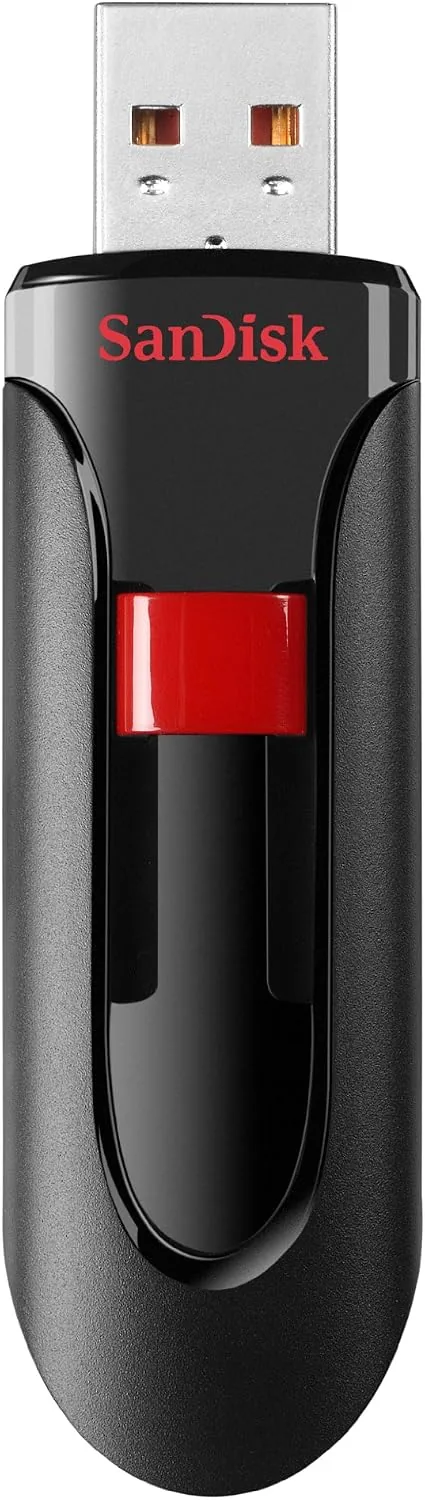

Capacity and speed are the two numbers that define a flash drive, and they do not always move together. The SanDisk 128GB Cruzer Glide is a case where one of those numbers is genuinely impressive and the other is deliberately modest. It packs 128GB of storage into the same compact, retractable shell as its smaller siblings, giving you room for a large library of movies, music, or games, while the USB 2.0 interface keeps the price low and the transfers at a steady, everyday pace. I used one for a month, filling it with media and moving files, and this is the honest account of what that trade means in practice.
Before the details, the required disclosure. This article contains affiliate links, and if you buy through one of them the site earns a small commission at no extra cost to you. That commission never changes what I test or what I recommend.
Design and Build
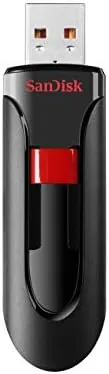
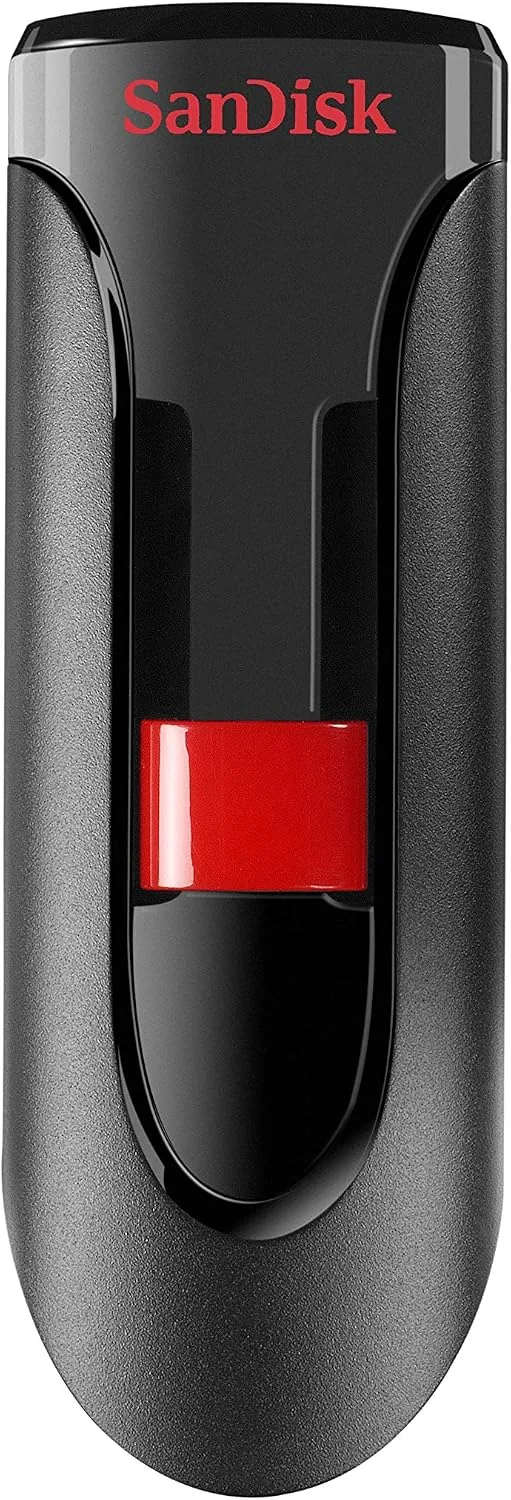
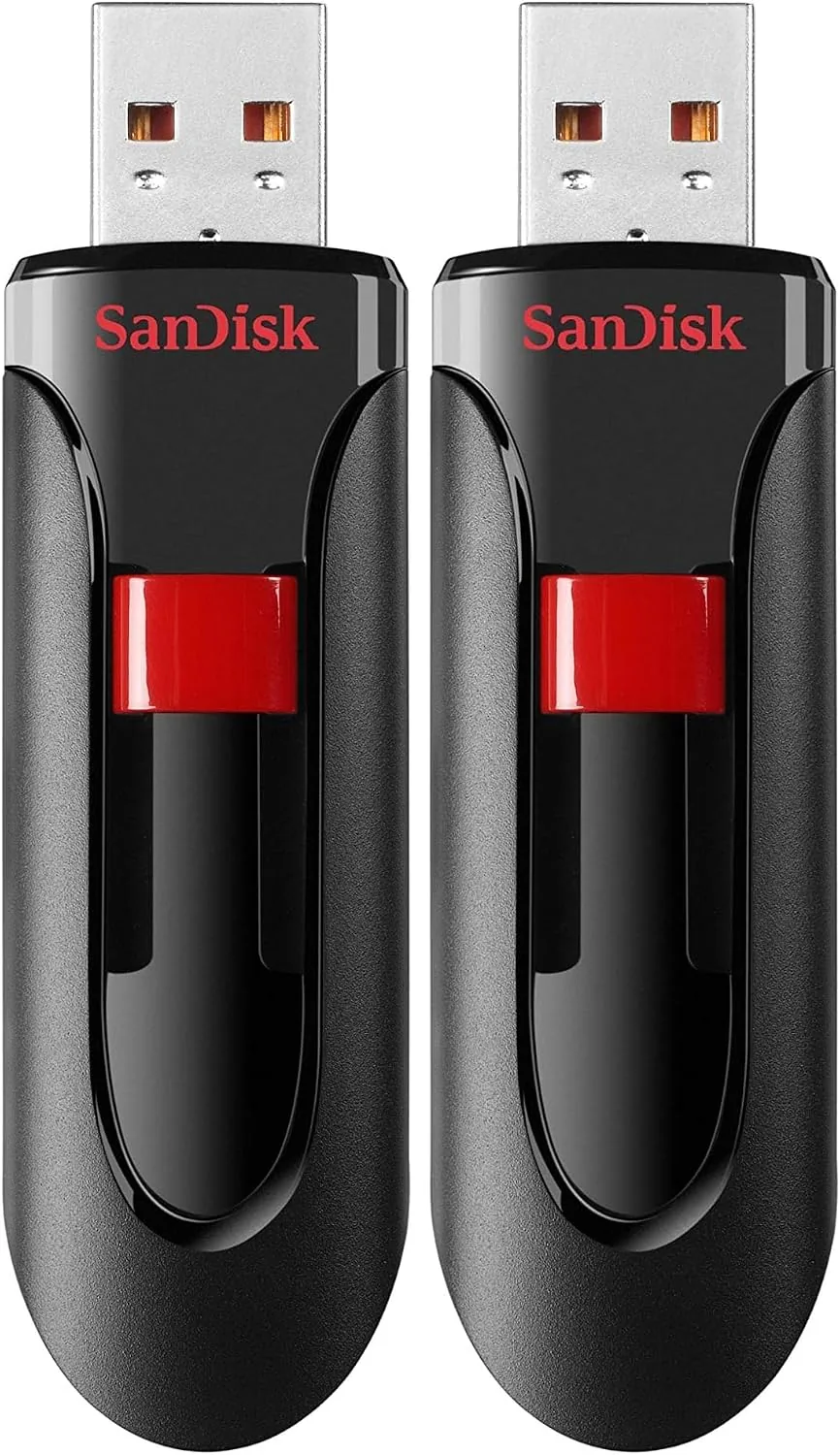
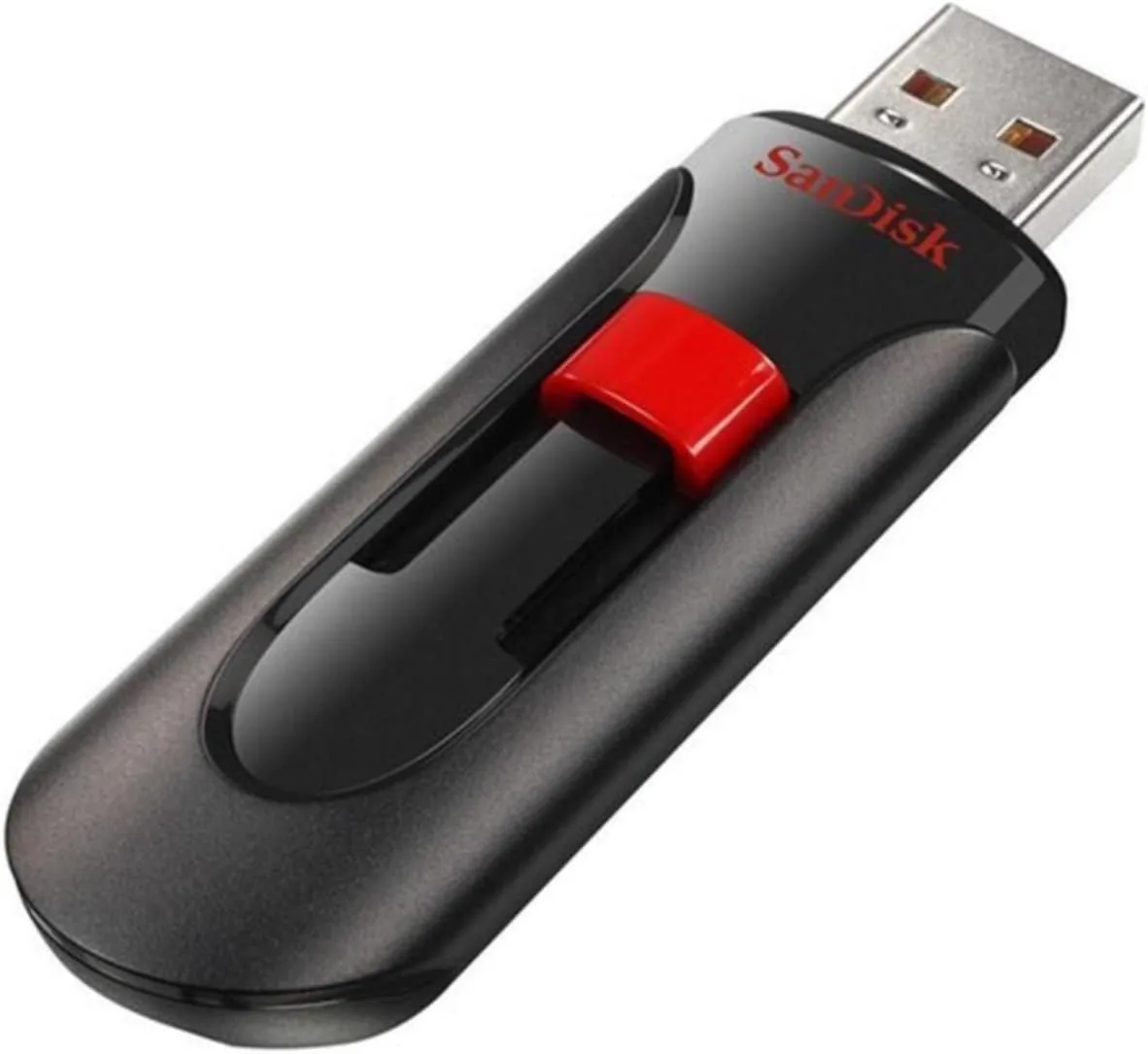
The 128GB Cruzer Glide shares the rounded, comfortable body of the Cruzer Glide family, black with a red stripe and the SanDisk branding. It is only slightly larger than the 32GB version despite holding four times as much storage, which is a nice reminder of how much capacity fits into a tiny shell these days. The matte plastic feels durable and grips well, and there is a keyring loop at the tail for attaching it to a bag or a set of keys.
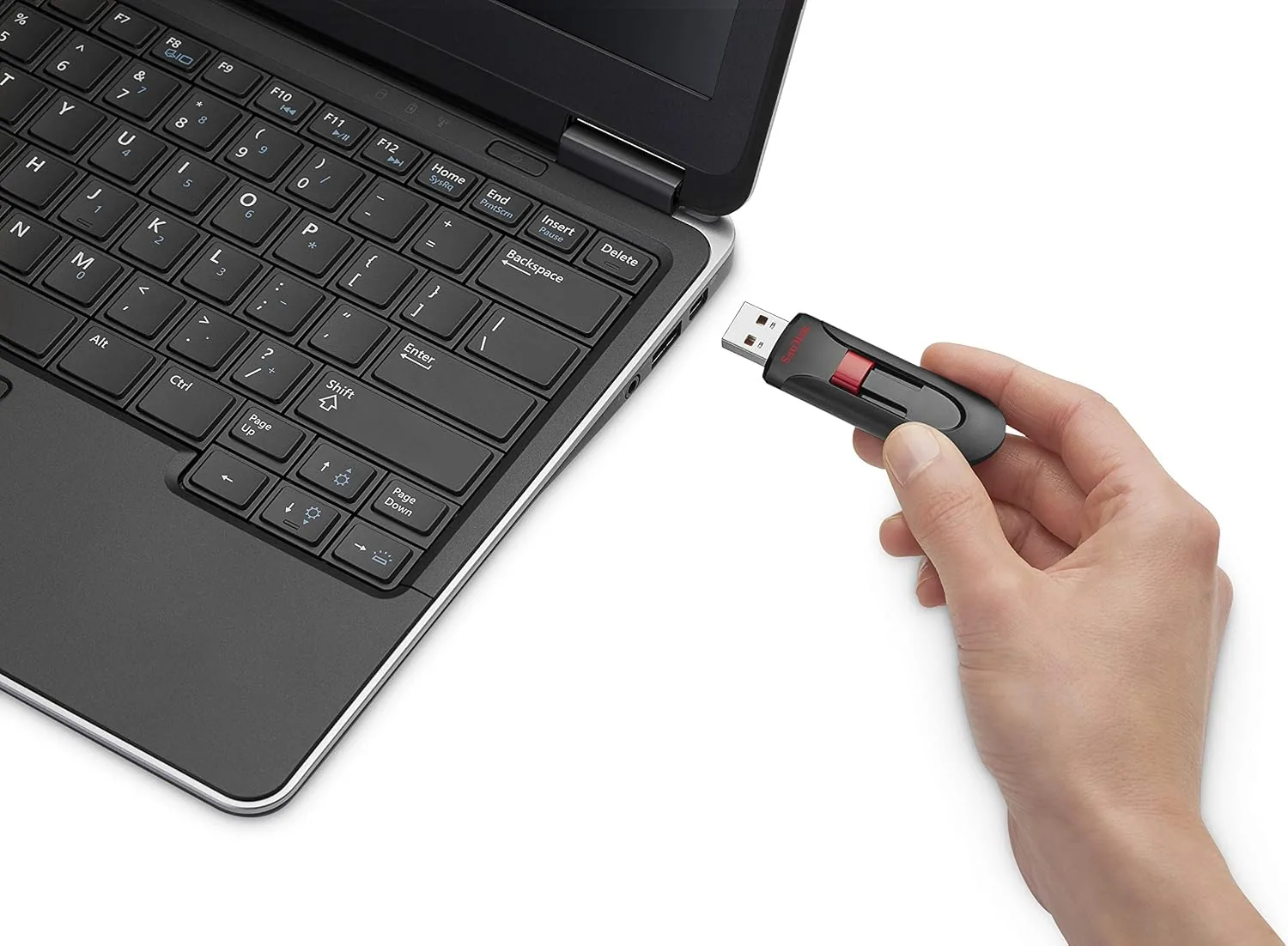
The retractable connector is the same thoughtful design that defines the family. A slider button on the side extends the USB tip out of the shell for use and retracts it back inside for protection, with a firm detent at both positions. There is no cap to lose and no exposed metal to bend in your pocket, which matters even more on a higher capacity drive you will keep for years. The body is clearly built to live on a keyring or in a bag through daily use.
Key Features
The headline feature is the 128GB capacity, which is the real story of this drive. In a compact shell the size of a keychain, you get room for a substantial movie library, a large music collection, thousands of photos, or several big game files, all in one portable stick. That kind of capacity was once the domain of External Hard Drives, and having it on a tiny USB drive is genuinely useful for carrying media between machines.
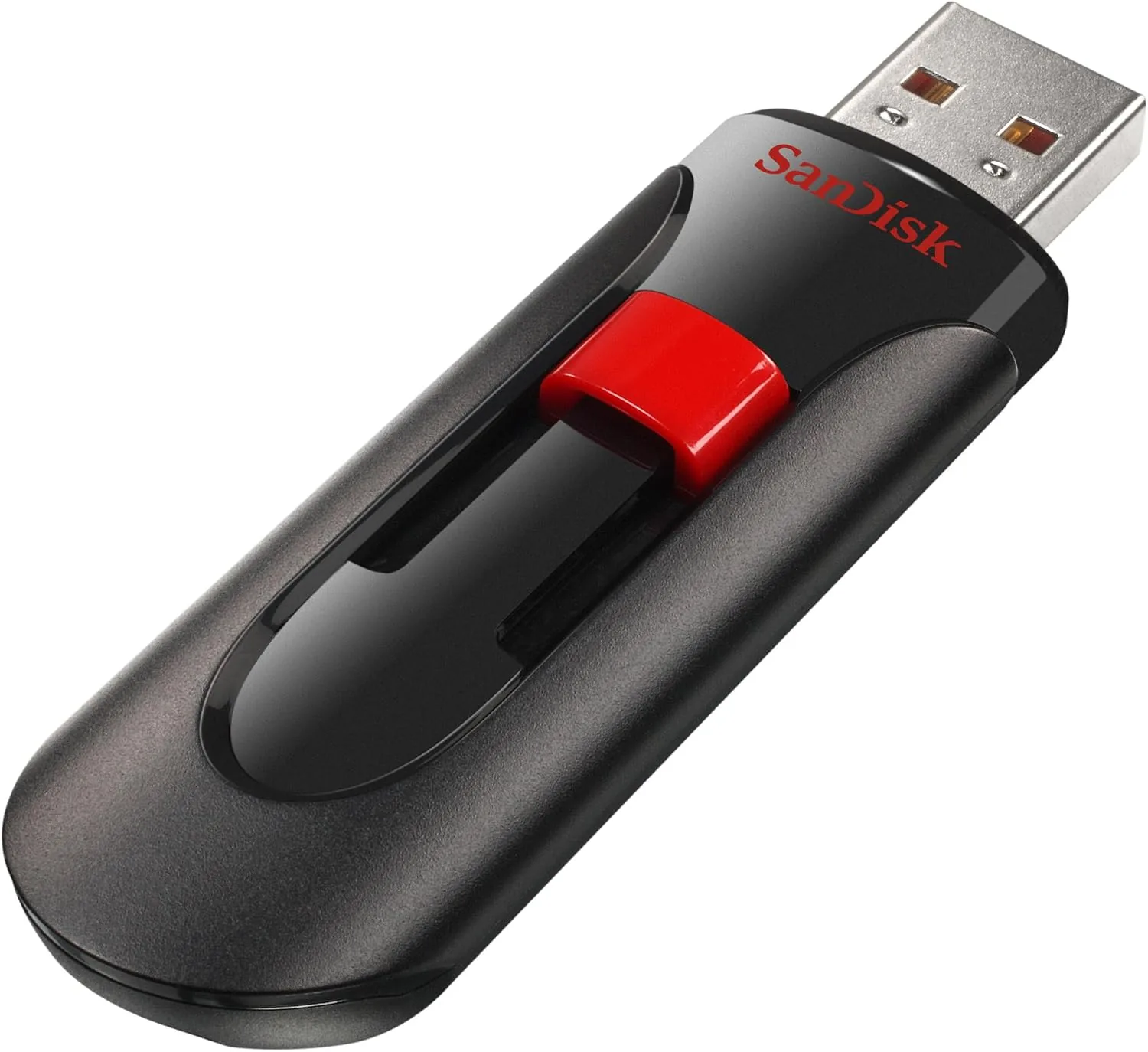
The retractable connector protects that capacity over the long term. Because the USB tip retracts fully into the shell, there is no cap to lose and no exposed metal to bend, so the drive stays functional through years of pocket and bag life. A status LED beside the connector blinks during transfer, telling you when it is safe to unplug and protecting your media from being cut off mid write.
The USB 2.0 interface is the counterweight to the big capacity. It keeps the price low and guarantees broad compatibility with virtually any USB port on any computer, but it transfers data more slowly than modern USB 3.0 drives. For a 128GB drive that is a real consideration, because filling that much space takes a while on USB 2.0, which is a point I explored directly in testing. For a current look at the price, the Amazon listing for the SanDisk 128GB Cruzer Glide is a useful reference.
Real-World Performance
I used the 128GB Cruzer Glide for a month of media storage, filling it with a movie library and shuffling files between a laptop and a desktop. For read operations, pulling movies and music off the drive to play them, it was completely at ease, with buffering never an issue and playbacks starting quickly. Reads are where this drive shines, and most everyday use of a media drive is reading.
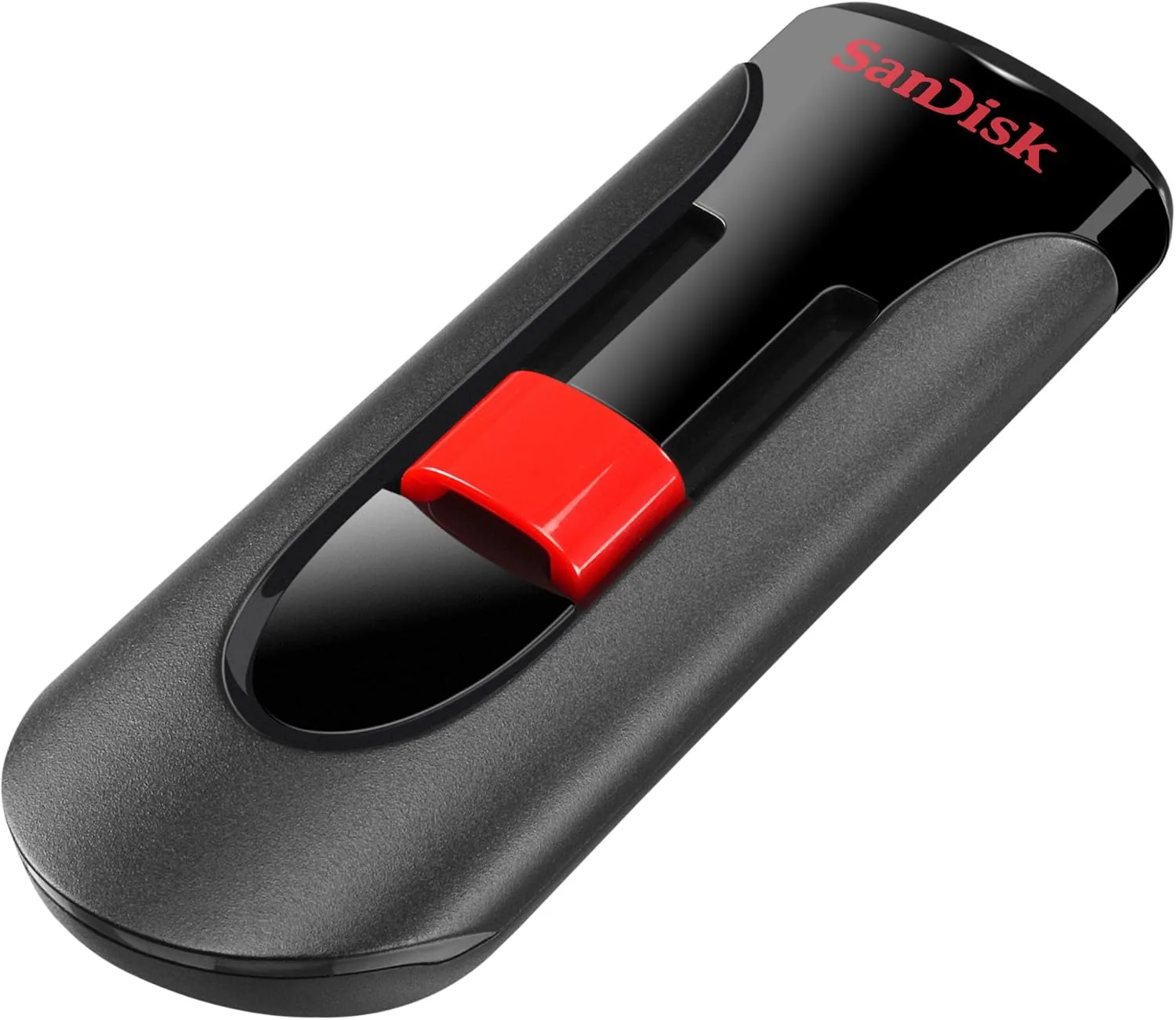
The writes were the honest test. I loaded a multi gigabyte set of media onto the drive and timed it, and the pace settled into the steady, unhurried rhythm of USB 2.0. It was not painfully slow, and it completed cleanly with no errors, but it was clearly slower than a USB 3.0 drive would have been for the same load. The lesson is straightforward: this drive is comfortable for adding media a few files at a time, and you should budget patience only if you plan to fill the whole thing in one sitting.
Once loaded, the drive performed beautifully as a media bank. I moved between the laptop and desktop repeatedly, and the drive mounted instantly on Windows and macOS, carried the same large files back and forth without corruption, and kept everything organized in the file system. The retractable connector stayed firm, the status LED gave clear transfer feedback, and the drive proved reliable across the whole month.
The honest verdict on the trade is clear. For carrying and playing a large media collection, the 128GB capacity is the star and the USB 2.0 read speed is plenty. For moving big amounts of data onto the drive, the slower writes mean you will wait, and anyone doing that frequently should look at a USB 3.0 drive. That split between generous capacity and modest speed is exactly what this drive is, and it is a sensible one at a budget price.
Pros and Cons
Pros:
- Large 128GB Capacity in a compact shell
- Retractable connector with no cap to lose
- Reliable reads that play media smoothly
- Keyring loop makes portability easy
- Broad compatibility with any USB port
- Budget friendly price for the capacity
Cons:
- USB 2.0 writes are slow for filling the whole drive
- Usable space is a little under the 128GB label
- Not rated as rugged for drops and dust
- Speed focused users will want USB 3.0
How It Compares
A 128GB drive forces a choice between capacity and speed, and the Cruzer Glide sits on the budget, capacity side. I compared it against a USB 3.0 flash drive of similar capacity and an external hard drive to show where each fits.
| Feature | Cruzer Glide 128GB USB 2.0 | 128GB USB 3.0 Drive | External Hard Drive |
|---|---|---|---|
| Capacity | 128GB | 128GB | 500GB and up |
| Transfer speed | Slow writes | Fast | Varies |
| Portability | Keyring size | Keyring size | Larger |
| Price | Low | Moderate | Higher |
| Connector | Retractable | Varies | Cable |
| Best for | Media carriage | Fast transfers | Large backups |
Against a 128GB USB 3.0 drive, the Cruzer Glide loses on transfer speed, which matters if you move large data often, but it typically wins on price and offers the same no cap retractable convenience. Against an external hard drive, the Glide wins on portability and budget, since a hard drive is bulkier and more expensive, but the hard drive wins on total capacity for big backups. For carrying a large media collection cheaply and conveniently, the Cruzer Glide is a strong pick, with the clear caveat that you should not expect fast writes.
Who Should Buy It
Buy the SanDisk 128GB Cruzer Glide if you want a large amount of portable storage at a budget price, especially for carrying and playing a big media library, a music collection, or a set of work files between machines. It is a good fit for anyone who wants generous capacity in a tiny, convenient shell and does not move huge amounts of data at once.
Skip it if you regularly transfer large files in bulk, where a USB 3.0 drive will save you real time, or if you need more than 128GB for very large backups, where an external drive is the better tool. For carrying a big media collection conveniently and affordably, this is a dependable, practical choice. You can check the current price for the Cruzer Glide 128GB on Amazon when you are ready to grab one.
How We Test
I used the 128GB Cruzer Glide for a month as a media storage drive, filling it with a movie library and moving files between Windows and macOS machines. I timed loading several gigabytes of media onto the drive to measure the practical write speed and played media directly from the drive to confirm read reliability.
I exercised the retractable connector through constant open and close cycles, verified the usable capacity after formatting, and carried the drive on a keyring and loose in a bag to check the connector stayed protected. I did not perform laboratory grade speed benchmarks, and I did not drop test the drive, since it is not rated for rugged use. For guidance on choosing between USB 2.0 and 3.0 for large drives, independent resources such as PCMag's explanation of USB standards help clarify the speed difference. The SanDisk 128GB Cruzer Glide listing on Amazon shows the current price and available capacities.
SanDisk 128GB Cruzer Glide USB 2.0: Questions People Ask
How much actual space is available on the 128GB Cruzer Glide?
After formatting and file system overhead, the drive shows roughly 115 to 119GB of usable space. That gap is normal for any 128GB device and is not a defect.
Is the 128GB Cruzer Glide fast enough for large media?
It uses USB 2.0, so filling the large capacity with video or big libraries takes a while, and a USB 3.0 drive would transfer those files considerably faster. Reads for playing media are naturally smoother than the slower writes.
Can the 128GB Cruzer Glide hold movies and games?
Yes. 128GB is enough for a substantial library of movies, music, or several large game files, which is the drive's main strength, though heavy users may prefer USB 3.0 for faster loading.
Does the 128GB Cruzer Glide work on all computers?
Yes. USB 2.0 is widely compatible, so the drive works in virtually any USB port on Windows, macOS, and most other devices without installing any drivers.
As an Amazon Associate, I earn from qualifying purchases.