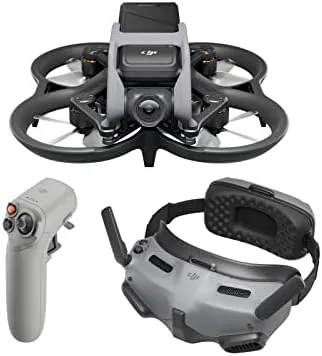

First person view flying used to be the most intimidating corner of the drone hobby. FPV pilots built their own aircraft, soldered their own flight controllers, and crashed often enough that spare parts were the real investment. DJI changed that equation with the Avata, a Ready to Fly FPV drone with a stabilized 4K camera, and the Explorer Combo packages it with everything a new pilot needs: the RC Motion 2 controller and the Goggles Integra headset. I flew the combo across a dozen sessions over two weeks, working from an open field to tighter backyard spaces, and I tested whether a beginner really can put on the goggles, tilt the controller, and fly without turning the drone into a statistic.
A quick disclosure before we begin. This article contains affiliate links, and purchases through them earn the site a commission at no extra cost to you. That never influences my testing or my verdict.
Design and Build
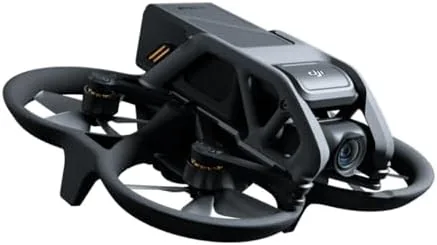
The Avata is a cinewhoop style drone, a small frame with its propellers enclosed in a ducted shell that protects the blades and softens impacts. The airframe is a mix of reinforced plastic and a carbon fiber like structure, and the whole unit weighs just over 410 grams. That weight keeps it in the consumer class while still being heavy enough to fly confidently outdoors in light wind.
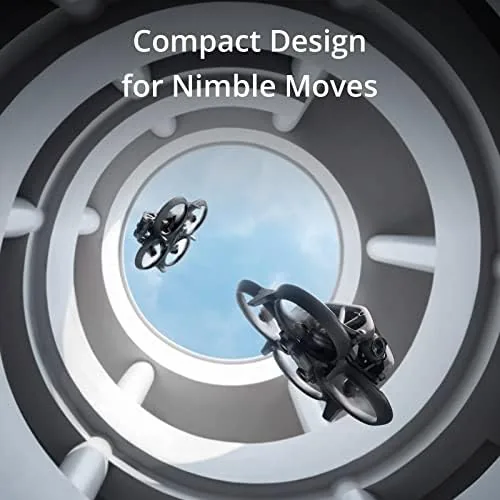
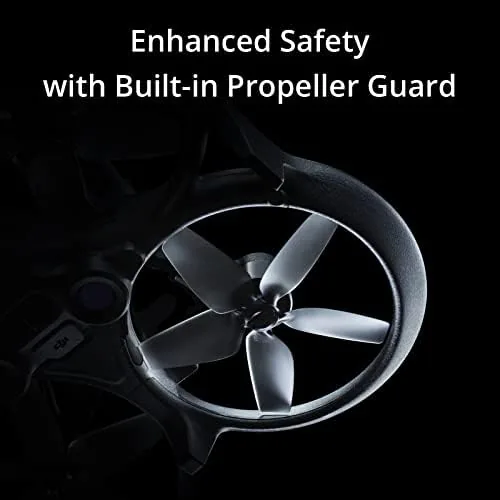
The defining physical feature is the Guardian prop guards. They wrap around the motors and blades in a rounded duct, which means the Avata can bounce off a wall, brush a branch, or bump a ceiling without the props chewing into the obstacle or the pilot. For a first FPV drone, that forgiveness is worth more than any spec sheet number.
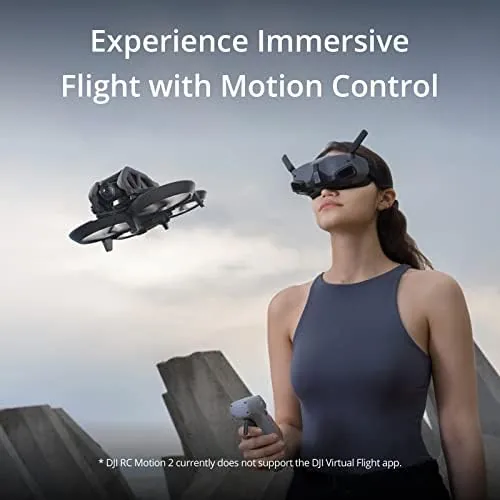
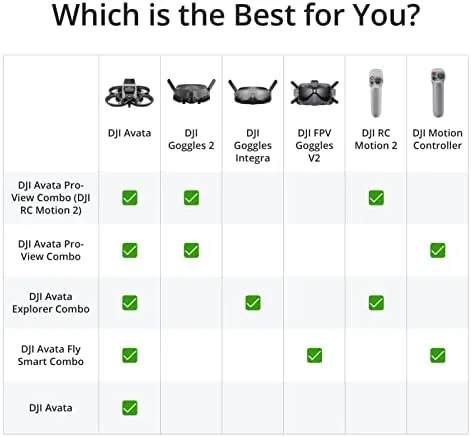
The RC Motion 2 controller is a departure from traditional remote sticks. It is a handheld wand that you tilt to steer, with a trigger on the back for throttle and a thumb wheel for direction changes. The Goggles Integra headset is a self contained display unit with its own battery, so there is no phone to slide in and no external battery pack to cable up. Everything in the combo pairs wirelessly and reliably out of the box.
Key Features
The camera is the headline for content creators. The Avata carries a 1/1.7 inch sensor that records 4K video at up to 60 frames per second, and the ultra wide lens delivers a 155 degree field of view. That extreme angle is what makes FPV footage feel fast and immersive, pulling the horizon into the corners of the frame in a way no standard drone gimbal camera can match.
Stabilization is where DJI separates the Avata from traditional racing FPV drones. The camera sits on a rock steady gimbal that keeps the horizon level even while the aircraft banks through turns, so the footage looks smooth and cinematic rather than jittery. For a pilot coming from a regular drone, that stability makes the transition to FPV far less discouraging.
The RC Motion 2 brings the flight down to one gesture. Tilt the controller and the Avata banks and turns; push the trigger and it accelerates; twist the wheel and it rotates in place. DJI calls this beginner friendly because it removes the mental load of mapping two sticks, and in practice it genuinely delivers a simplified flying experience that still feels fast.
The Goggles Integra offer a low latency digital video feed with a bright OLED display. In manual or normal mode the pilot sees the world from the drone's eyes at up to 100 frames per second, which is the immersion that makes FPV addictive. The headset also records everything the pilot sees, so flight footage captures both the cinematic camera view and the raw pilot view.
Real-World Performance
My first flight was a test of how well the beginner promise holds. I powered everything on, put on the goggles, and found the pairing automatic. With a press of the trigger the Avata lifted off and hovered, and my first instinct to tilt the controller produced a smooth bank instead of a panic. Within ten minutes I was flying figure eights in an open field, which would have taken weeks of practice with a traditional FPV radio.
The speed is the surprise. The Avata hits a top speed around 60 miles per hour in manual mode, and even in the safer normal modes it moves with a pace that makes the goggle view genuinely exciting. The 155 degree lens exaggerates that speed impressively, and the gimbal keeps the horizon level through turns that would smear most stabilized cameras.
Battery life is the honest compromise. The single intelligent flight battery provides about 18 minutes of hover and roughly 15 minutes of active flight, and in my brisk test flights I landed at around 12 to 14 minutes of usable recording time. The combo includes one battery and the charging hub, so a serious session means buying spares or planning breaks between flights.
The impact resistance earned its keep during my testing. I clipped a tree branch on a low pass, and the Avata tumbled once before reorienting and continuing as if nothing had happened. On another occasion I misjudged a gap and tapped a fence post; the ducted prop guards absorbed the contact and the drone kept flying with no damage to props or camera. For someone learning FPV, that resilience is the difference between a hobby and a money pit.
The wind handling deserves a note. The Avata is heavier than a racing quad, which helps, but it is still a small aircraft, and in anything beyond a gentle breeze you can feel the drift on punchy turns. I flew in about 10 mile per hour gusts and stayed comfortable; stronger wind would push the drone enough that a newer pilot should stay grounded.
Pros and Cons
Pros:
- Beginner friendly RC Motion 2 controller
- Stabilized 4K camera with a dramatic 155 degree field of view
- Ducted prop guards survive impacts that would crash other drones
- Complete bundle with goggles, controller, battery, and hub
- FAA Remote ID compliant out of the box
Cons:
- Single battery included, about 15 minutes of real flight
- Sensitive to moderate wind despite the weight
- Premium price for a first FPV drone
How It Compares
The Avata Explorer Combo competes against a traditional DJI camera drone and a self built FPV racing setup, and the comparison clarifies what this bundle is really for.
| Feature | DJI Avata Combo | DJI Mini 4 Pro | DIY FPV Build |
|---|---|---|---|
| Flight style | Immersive FPV | Traditional gimbal | Racing FPV |
| Controller | RC Motion 2 wand | Standard sticks | Traditional radio |
| Camera | 4K, 155 degree lens | 4K gimbal | Variable, ungraded |
| Beginner safety | Prop guards, durable | Sensor obstacle avoidance | None, high skill |
| Battery life | About 15 minutes | About 34 minutes | Varies, often less |
Against a traditional camera drone like the DJI Mini 4 Pro, the Avata wins on immersion and the unique wide angle footage, but loses on battery life and flight time. Against a DIY FPV racing build, it wins on ease, safety, and out of the box reliability, while losing on top speed and customization. The Avata is the right choice when you want the FPV feeling without becoming a drone mechanic. You can check the current price of the DJI Avata Explorer Combo on Amazon.
Who Should Buy It
Buy the Avata Explorer Combo if you have been tempted by FPV but held back by the skill and build requirements. The motion controller flattens the learning curve, the prop guards absorb mistakes, and the bundled goggles complete the setup without a list of separate purchases. It is also a strong choice for content creators who want cinematic wide angle flight footage without a pilot's license worth of practice.
Skip it if you need long flight times for large area mapping, if you want a racing drone with maximum speed, or if your budget is strictly entry level. For everyone curious about flying from the drone's point of view, this is the most approachable FPV kit available. The Avata Explorer Combo is on Amazon for current stock and pricing.
How We Test
I flew the Avata Explorer Combo over two weeks across twelve sessions in open fields, tight backyard spaces, and low wind conditions. I practiced first flights with the motion controller, then pushed the drone through faster passes, tree line runs, and deliberate minor impacts to test the prop guards and stability.
I measured battery endurance across flight patterns, reviewed the 4K footage in editing software to judge stabilization and color, and confirmed the Remote ID broadcast in flight. For independent perspective on the current drone market, The Verge review of the DJI Avata offers a useful second opinion. The Explorer Combo listing on Amazon details the full bundle contents and current price.
DJI Avata Explorer Combo: Questions People Ask
Is the DJI Avata Explorer Combo good for beginners?
Yes. The bundle includes the RC Motion 2 controller, which flies the drone by tilting and steering the controller instead of managing complex stick inputs, and the Guardian prop guards protect the props during first flights.
What is included in the Explorer Combo?
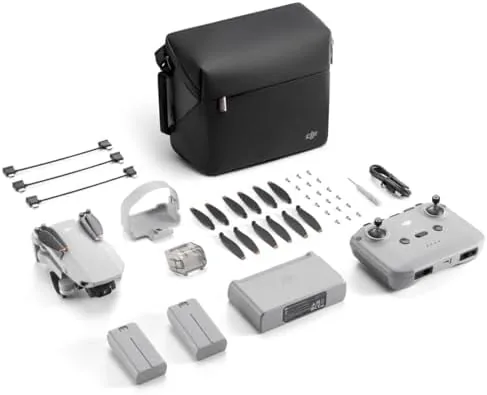
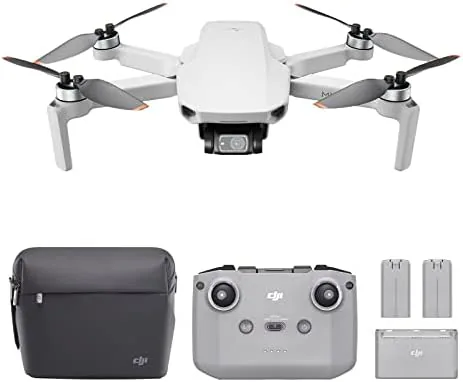
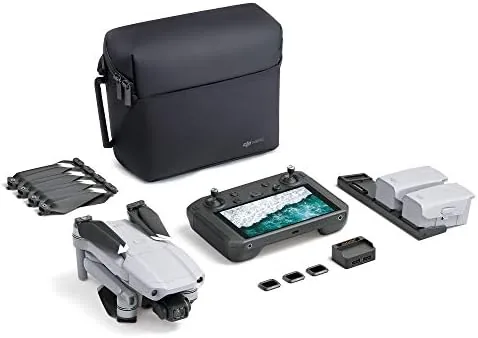
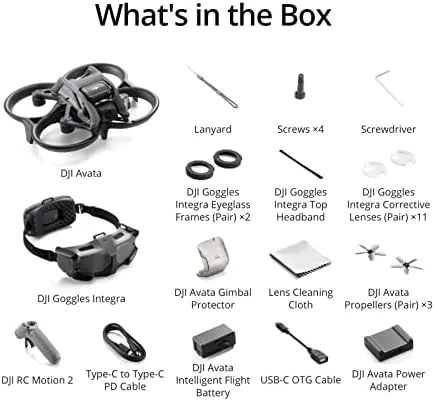
The combo includes the Avata drone, the RC Motion 2 controller, the Goggles Integra headset, one intelligent flight battery, and the charging hub, plus spare props and cables.
How long does the Avata battery last?
The intelligent flight battery provides roughly 18 minutes of hover time and around 15 minutes in typical flight, depending on wind, speed, and recording settings.
Is the DJI Avata FAA Remote ID compliant?
Yes. The Avata broadcasts Remote ID automatically, which keeps it compliant with United States FAA requirements for flights in most areas.
As an Amazon Associate, I earn from qualifying purchases.