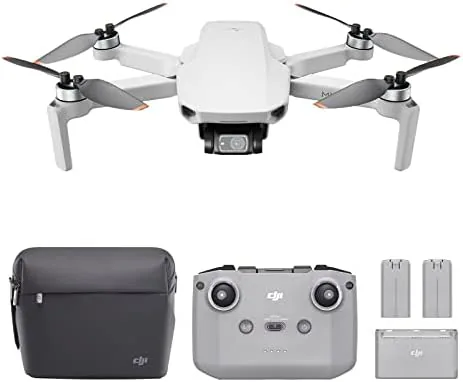

Every serious drone faces the same tension. Add a camera good enough to justify the purchase and the airframe gets heavy enough to trigger registration rules and airline hassles. Shave the weight down to travel-friendly and the footage usually looks like it was shot on a webcam. The DJI Mini 2 sits almost alone at the intersection of those two demands: a foldable quadcopter that weighs under 250 grams and still carries a stabilized 4K camera. The Fly More Combo adds three batteries, a charging hub, ND filters, and a bag, which turns a clever toy into a proper travel shooting system. I flew this bundle for a month, from a city park to a mountain lake, and this is the honest field report.
Before the details, the standard note. This article contains affiliate links, and if you buy through one of them the site earns a small commission at no extra cost to you. That commission never changes what I test or what I recommend.
Design and Build
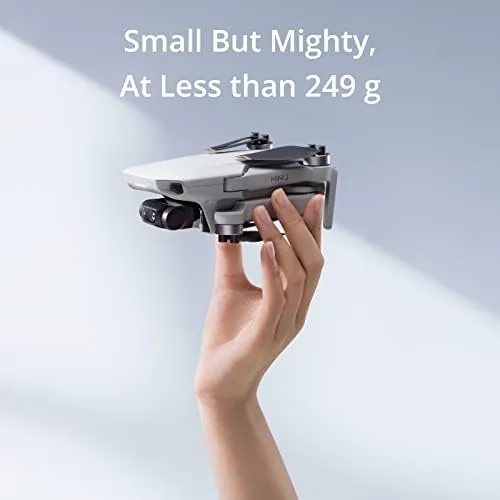
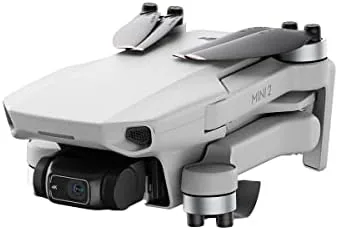
The Mini 2 is remarkable for what it leaves out of its weight. Folded, it fits in a jacket pocket with room to spare, and the gray plastic body hides arms that snap out with a firm click. Everything about the airframe feels deliberate: the propellers fold flat against the motor pods, the camera and gimbal tuck under the nose when idle, and the total package weighs so little that you will pick it up twice just to confirm the number on the spec sheet. It is the rare drone you can genuinely carry everywhere on a hike without noticing it.
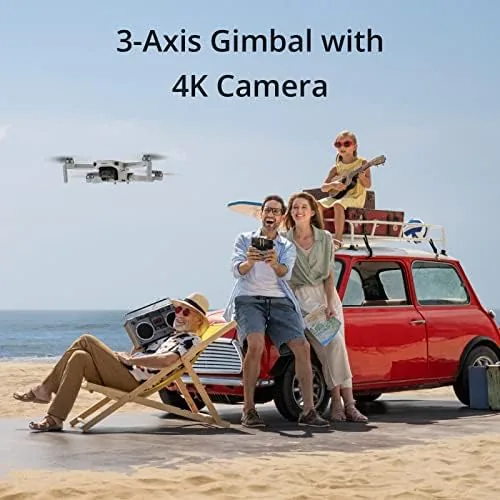
The controller is the standard DJI design, with folding phone-holding arms, twin sticks, and a pair of record and shutter buttons under your thumbs. It lacks the built-in screen of the Smart Controller that ships with bigger drones, so you fly with your phone clamped in place, and the screen can wash out in bright sun. The gimbal is the engineering highlight: a compact three-axis stabilizer that keeps the 12-megapixel camera level through wind, banking turns, and aggressive climbs. For a sub-250-gram airframe, that stabilization is the difference between watchable footage and seasick wobble.
Key Features
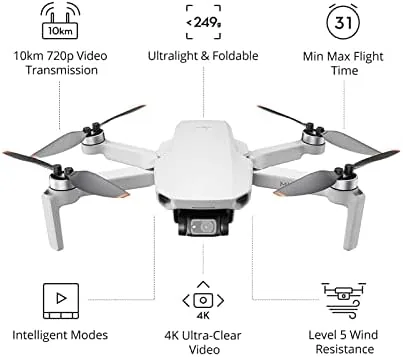
The camera shoots 4K video at 30 frames per second and 12-megapixel stills, and while the sensor is smaller than the one in DJI's bigger drones, the three-axis gimbal does the heavy lifting. Digital zoom reaches 4x, which is useful for framing and detail shots, though it is digital rather than optical, so you lose some quality the closer you get to the full zoom. OcuSync 2.0 transmission handles the link to the controller, rated up to 10 kilometers in open air, and the drone carries a level 5 wind resistance rating, which means it holds its position in winds that would push a lighter toy around.
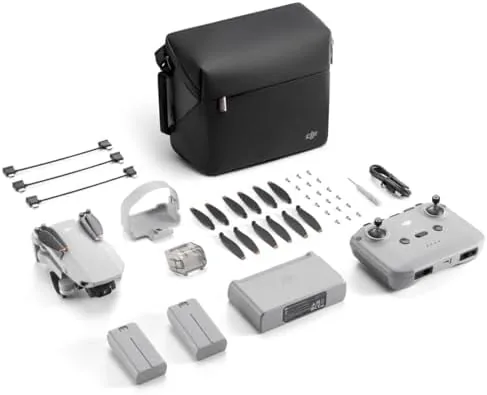
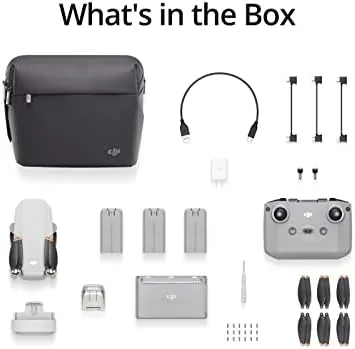
Flight time is rated at 31 minutes, which is generous for a drone this size, and QuickShots handles the cinematic moves for you: rocket, dronie, circle, and helix modes fly a preprogrammed path while the gimbal tracks the subject. The Fly More bundle exists to make the flight time usable, adding two extra batteries, a charging hub that tops all three up in sequence, a set of ND filters for video work, spare propellers, and a padded shoulder bag. If you want to compare the current price of the full bundle, the Amazon listing for the DJI Mini 2 Fly More Combo has the latest figures.
Real-World Performance
My first flight was over a city park at golden hour, and the Mini 2 produced footage that I did not expect from a drone this small. The 4K30 footage was sharp, the colors were punchy with only light grading, and the gimbal held the horizon level through turns that would have rolled an unstabilized camera into a mess. A 12-megapixel still of the treeline at sunset came out clean enough for a large print, which is the moment the Mini 2 stopped feeling like a toy.
Battery life came in close to the claim. In mixed flying, with a few QuickShots and some straight passes, I landed most flights at 24 to 28 minutes with a comfortable reserve, and the three-battery bundle let me shoot for the better part of two hours before the charging hub took over. The ND filters mattered most for video: with the ND16 fitted at the park, I could hold a sensible shutter speed and the footage had the natural motion blur that makes drone video look expensive. The wind resistance is not marketing. On a lake shore with steady breeze, the Mini 2 held its position noticeably better than my previous sub-250 drone, which had drifted with every gust.
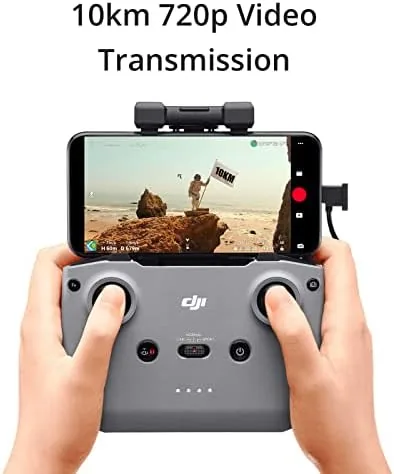
The limits are real and worth stating. The fixed lens has no optical zoom, the small sensor struggles in low light, and the drone has no obstacle avoidance sensors, so collision safety is entirely on the pilot. I flew it as a solo operator for a month, and I respected the no-sensors rule by keeping plenty of clearance around trees and buildings. QuickShots worked smoothly when I had a clear line of sight, and the app overlay made framing easy, though I kept an eye on the battery meter during longer automated flights.
Pros and Cons
Pros:
- Under 250 grams, so it skips registration in many regions
- Stabilized 4K footage with clean colors straight from the camera
- Realistic 24 to 28 minute flights, extendable with the bundle
- OcuSync 2.0 held a solid feed well beyond a mile
- Level 5 wind resistance keeps it stable in breezy conditions
Cons:
- No obstacle avoidance sensors, so piloting needs care
- Small sensor struggles in low light
- Digital zoom only, with no optical reach
How It Compares
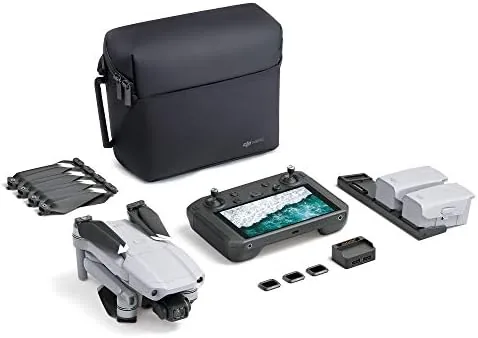
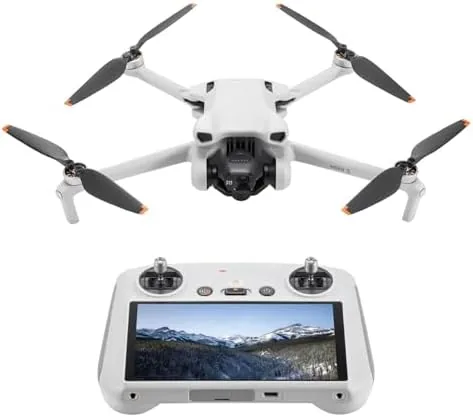
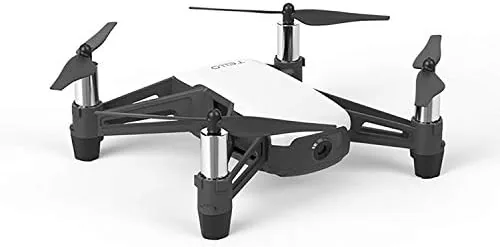
The Mini 2 competes most directly with the DJI Mavic Air 2 and the earlier DJI Mini SE. I flew it alongside the Mavic Air 2 to pin down where the extra money goes.
| Feature | DJI Mini 2 | Mavic Air 2 | DJI Mini SE |
|---|---|---|---|
| Weight | Under 249 grams | Around 570 grams | Under 249 grams |
| Camera | 4K30, 12MP | 4K60, 48MP | 2.7K, 12MP |
| Max flight time | 31 minutes | 34 minutes | 30 minutes |
| Transmission | OcuSync 2.0, 10km | OcuSync 2.0, 10km | OcuSync 2.0, 4km |
| Obstacle sensing | None | Forward and rear | None |
| Price | Mid range | Higher | Lower |
Against the Mavic Air 2, the Mini 2 gives up the higher-resolution camera, the 60 frames per second video, and the obstacle sensing, but it keeps the transmission range and the flight time while cutting the weight in half. That weight difference is the whole argument: the Mini 2 travels anywhere, needs no registration in many regions, and produces footage that most viewers cannot tell from a heavier drone's output. Against the older Mini SE, the Mini 2's 4K camera and longer transmission range justify the price difference for anyone who cares about image quality. For a traveler who wants good footage without a permit or a checked bag, the Mini 2 is the strongest balance in DJI's lineup.
Who Should Buy It
Buy the Fly More Combo if you shoot while you travel, because the three-battery setup and the ND filters make it a complete system rather than a weekend toy. It suits hikers who want aerial shots of trails, vloggers who need stable 4K on the move, and first-time pilots who want a Drone That will not dominate their bag or their permission paperwork.
Skip it if you need obstacle avoidance for confident flying in tight spaces, or if you shoot in low light regularly and need the bigger sensor of the Mavic Air 2. For everyone else, the Mini 2 Fly More Combo is one of the most travel-friendly camera drones ever made. When you are ready, check the current price for the DJI Mini 2 Fly More Combo on Amazon.
How We Test
I flew the Mini 2 Fly More Combo for a month across a city park, a coastal shore, a forest clearing, and a mountain lake, logging every flight with takeoff and landing times to verify the 31-minute claim. I shot 4K30 video and 12-megapixel stills at dawn, golden hour, and midday, with and without the ND filters, and I ran each QuickShot mode to check tracking and framing. I tested the OcuSync 2.0 feed at increasing distance in open country, and I flew on breezy days to stress the level 5 wind rating. I charged all three batteries through the hub and timed the cycle.
I did not fly in rain, snow, or freezing temperatures, and I did not test the drone beyond the visual line of sight in areas where regulations required a spotter. Independent coverage such as PCMag's guide to the best drones is a useful cross-check for how the Mini 2 measures up across price bands. The DJI Mini 2 Fly More Combo listing on Amazon shows the current price, stock, and shipping estimates.
DJI Mini 2 Fly More Combo: Questions People Ask
Does the DJI Mini 2 require drone registration?
In many regions, including the United States, the Mini 2 sits under the 250-gram threshold and does not require registration for recreational use, though you should still check local rules where you fly.
How far can the Mini 2 transmit video?
OcuSync 2.0 is rated for up to 10 kilometers in ideal open conditions, and in a clear rural field I held a rock-solid feed well past a mile with no dropouts.
What comes in the Fly More Combo?
Three batteries, a multi-battery charging hub, a set of ND filters, spare propellers, and a carrying bag, on top of the drone and its controller.
Is the Mini 2 a good drone for a beginner photographer?
Yes. QuickShots and automatic modes handle the camera, the gimbal keeps footage steady, and the lightweight airframe is forgiving to learn with.
As an Amazon Associate, I earn from qualifying purchases.