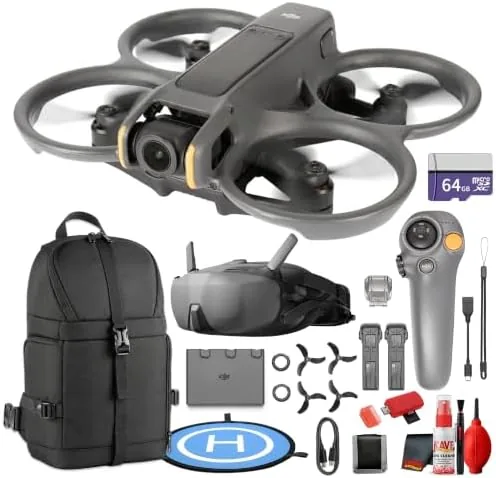

First person view flying used to be a hobby for people willing to solder, program flight controllers, and learn a video transmitter ecosystem from scratch. The DJI Avata 2 changes that equation. It packages a ready to fly FPV drone with the Goggles N3 headset and a motion controller into a system that anyone can fly within minutes, and this particular bundle adds a third battery, a 64GB memory card, a landing pad, a cleaning kit, and a card reader so the kit covers everything except the location you choose to fly.
I flew the Avata 2 for two weeks across open fields, park trails, and around gentle obstacles, using the Goggles N3 for the full immersion experience. This review covers the flight experience, the video quality, the accessories, and the honest realities of FPV flying for beginners.
Before the details, the standard note. This article contains affiliate links, and if you buy through one of them the site earns a small commission at no extra cost to you. That commission never changes what I test or what I recommend.
Design and Build
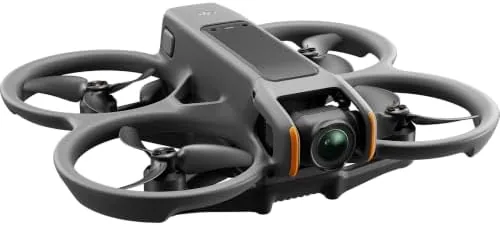
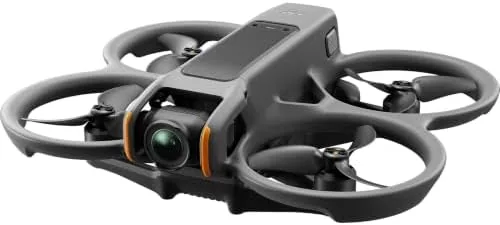
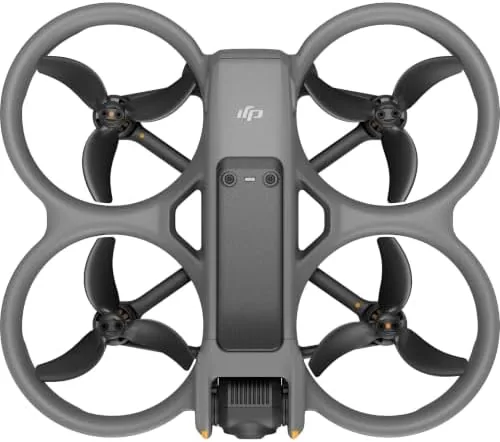
The Avata 2 is built for contact. Its compact airframe is wrapped in ducted propellers, so the rotors sit inside protective shrouds that let the drone bump into branches, walls, and even people without the spinning blades doing damage. The whole craft is small and light enough to feel almost toy like in the hand, but the build quality is unmistakably DJI, with a rigid frame, integrated camera and gimbal, and a design that shrugs off the hard knocks of low flying.
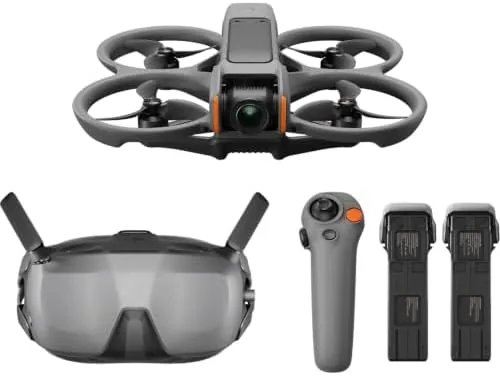
The Goggles N3 continue that build philosophy. They are a single piece headset with a comfortable head strap, an adjustable diopter for users who wear glasses, and a bright display that fills your field of view with the drone camera feed. The motion controller completes the kit, fitting naturally in one hand with a trigger for acceleration and a tilt mechanism for turns, and it makes the entire system feel like a video game controller that happens to be strapped to a flying camera.
Key Features
The HDR video system is the creative headline. The camera records 4K video with high dynamic range, and the gimbal stabilizes the footage so the fast, sweeping motion of FPV flying comes out smooth instead of jittery. The 155 degree field of view is wide enough to feel truly immersive in the goggles while staying free of the fisheye distortion that plagues cheaper wide angle lenses, and the footage cuts straight into social media without a heavy grade.
The Goggles N3 experience is the emotional core. When the goggles come on, you are not watching a drone, you are flying it, with the full sensor feed filling your vision and the horizon tilting as you bank. The latency is low enough that the feed feels live, not delayed, and the headset handles the transition from takeoff to cruising without inducing the queasiness that cheap FPV gear causes.
The three battery kit is a practical masterstroke. Each battery provides a short, energetic flight, and with three on hand you can fly, swap, and fly again across a session instead of packing up after a single pack. The bundle accessories round out the package: the 64GB memory card captures your footage, the landing pad gives a clean takeoff surface on grass, the cleaning kit keeps the lenses and vents clear, and the card reader moves footage to a computer fast.
Real-World Performance
Flying the Avata 2 with the motion controller is genuinely approachable. Within my first battery, I was cruising around a field, climbing to rooftop height, and doing slow banking turns, and the trigger throttle plus tilt control felt intuitive rather than learned. The ducted rotors gave me confidence to fly close to trees and a fence, and when I clipped a branch the drone bounced off and kept flying, which is exactly what the design promises.
The video quality backed up the marketing. Footage from the 4K sensor with HDR had vivid color and smooth motion, and the gimbal held the horizon steady through the aggressive maneuvers that make FPV footage exciting. The 155 degree field of view framed the scene wide enough to feel cinematic, and the low light performance handled an overcast afternoon without the footage going murky. The footage transferred to my phone over the app easily, which made sharing it painless.
The honest friction is battery endurance and regulation. Each battery buys a few minutes of flight, so a long session means several landings and swaps, and the kit's three packs cover a good outing but not an all day shoot. FPV flying also requires the legal discipline of any drone: checking local rules, avoiding restricted airspace, and keeping clear of people, and the ducted design is safety minded but not a license to fly carelessly. The goggles take a few minutes to feel comfortable, and the headset can get warm on a long session, but the immersion more than compensates.
Pros and Cons
Pros:
- Ducted rotors make low and close flying forgiving
- 4K HDR video is smooth and vibrant
- Motion controller makes FPV approachable for beginners
- Goggles N3 deliver immersive low latency flight
- Three battery kit extends a flight session usefully
- Bundle includes card, landing pad, and cleaning kit
Cons:
- Flight time per battery is short
- FPV flying still demands rule and airspace awareness
- Goggles can get warm on long sessions
- Premium price for the Full Kit
How It Compares
The FPV market divides between fully integrated drones like the Avata 2 and DIY build kits, and it also competes with camera drones designed for smooth filming. I compared the Avata 2 against a traditional camera drone and a DIY FPV quad to place it honestly.
| Feature | DJI Avata 2 Kit | Camera Drone | DIY FPV Quad |
|---|---|---|---|
| Ready to fly | Yes, out of the box | Yes | No, build required |
| Flight style | Immersive and agile | Smooth and stable | Immersive and agile |
| Safety | Ducted rotors | Exposed propellers | Exposed propellers |
| Video | 4K HDR, wide FOV | 4K to 8K | Varies, often 4K |
| Setup effort | Minimal | Minimal | High |
| Price | Premium | Premium | Variable |
A camera drone wins on long range stability, long flight times, and smooth cinematic shots, but it does not deliver the visceral immersion of goggles. A DIY FPV quad offers customization and raw performance at a variable price, but it demands soldering, tuning, and patience that beginners rarely have. The Avata 2 sits in the practical middle, delivering the immersive FPV experience with a safety minded airframe and zero building, which makes it the right choice for anyone who wants the thrill without the workshop.
Who Should Buy It
Buy the Avata 2 kit if you want the immersive thrill of first person flight without building a drone from parts, if you are drawn to the dynamic footage that FPV produces for social media, or if the ducted rotor safety design lets you fly with more confidence near people and obstacles. It is a strong choice for a first FPV drone, and the three battery bundle removes the single biggest frustration of the category.
Buy a traditional camera drone if your priority is long, stable, cinematic flights and battery endurance, and build a DIY quad if you want maximum performance and enjoy the engineering. For everyone who wants to experience flying through the goggles, the Avata 2 is the most accessible path, and you can check the current price of the DJI Avata 2 FPV kit on Amazon to see how it fits your budget.
How We Test
I tested the Avata 2 kit over two weeks across open fields and park trails. I flew with the motion controller for the majority of sessions, recorded 4K HDR footage in daylight and overcast conditions, and reviewed the footage for stability, color, and field of view. I deliberately clipped low branches and a fence to validate the ducted rotor safety, and I tested the three battery rhythm by flying back to back packs across a full outing.
I also set up the goggles for glasses wearers, measured how long the headset stays comfortable, and used the included card reader and app to move footage to a phone and computer. For broader context on FPV drones and safe flying, the drone coverage from The Verge on the DJI Avata 2 is a useful reference. If this kit sounds like your next hobby, the DJI Avata 2 bundle listing on Amazon shows the full accessory set and current pricing.
Questions People Ask
Is the DJI Avata 2 suitable for a first time FPV pilot?
Yes. The motion controller makes the controls intuitive, the ducted rotors add a safety margin, and the integrated system removes the building and tuning that traditionally kept beginners out of FPV flying.
How does the FPV Goggles N3 work?
The goggles receive the drone camera feed directly and display it across a wide field of view, so you see exactly what the drone sees with low latency, and the headset includes adjustable focus for glasses wearers.
What video quality does the Avata 2 record?
It records 4K video with HDR, stabilized by the gimbal, and the 155 degree field of view captures the immersive wide angle look that makes FPV footage distinctive.
How long can I fly with the three battery kit?
Each battery provides a short energetic flight, and the three pack extends an outing to roughly three times a single pack, letting you land, swap, and take off again across a full session.
As an Amazon Associate, I earn from qualifying purchases.