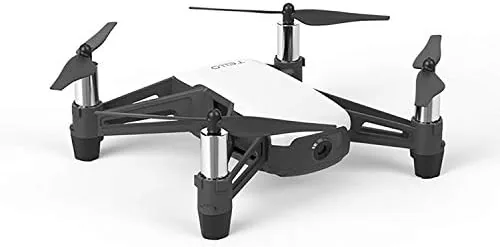

Every drone pilot starts somewhere, and for a huge share of them that somewhere is the DJI Tello. It is the drone that teaches the basics, one of the smallest and most affordable quadcopters carrying a real camera, and it has a reputation for being the device people hand to kids before trusting them with anything expensive. I spent several weeks flying a Tello to find out whether the 720P camera, the EZ Shots, and the gimmicky sounding 8D stunts actually hold up, or whether it is just a toy trading on a famous name.
One note before the details. This article contains affiliate links, and if you buy through one of them the site earns a small commission at no extra cost to you. That never changes what I test or recommend.
Design and Build
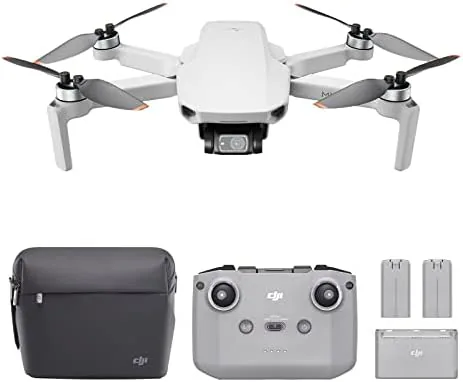
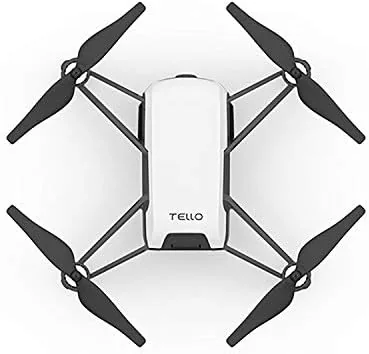
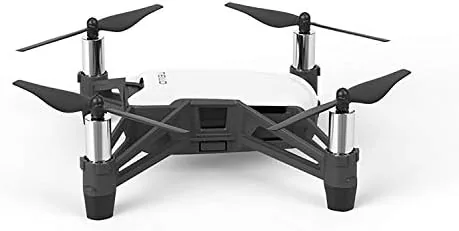
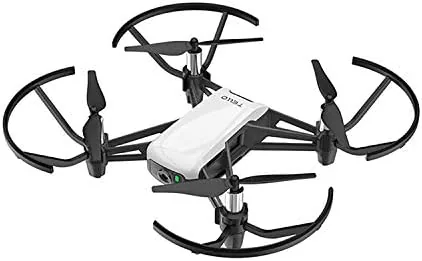
The Tello is a compact quadcopter that fits in the palm of your hand, built from a lightweight plastic frame with propellers protected by a ducted shroud around each motor. The shrouds are the smartest detail on the drone, because they guard the props from light impacts and, more importantly, guard fingers from the props. For a beginner drone that will be flown near people, that safety margin matters.
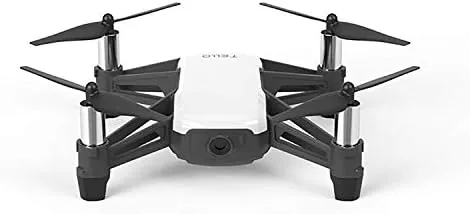
At the front sits the 720P camera, fixed in place with no gimbal and no mechanical stabilization. The battery slides into the back and clicks in firmly, and the underside carries the vision positioning sensor that helps the drone hold its place indoors. There is no GPS, which means the Tello is really an indoor drone first and an outdoor drone only in calm, wind free conditions.
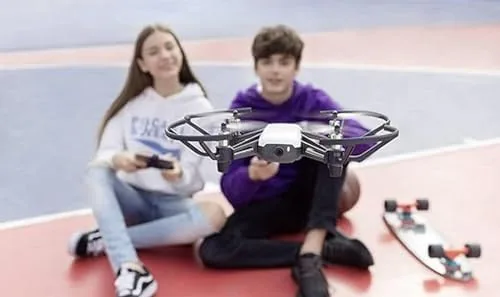
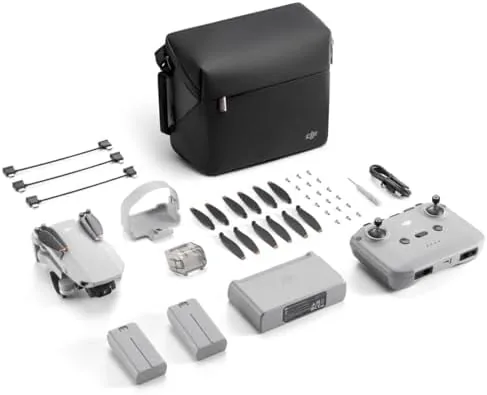
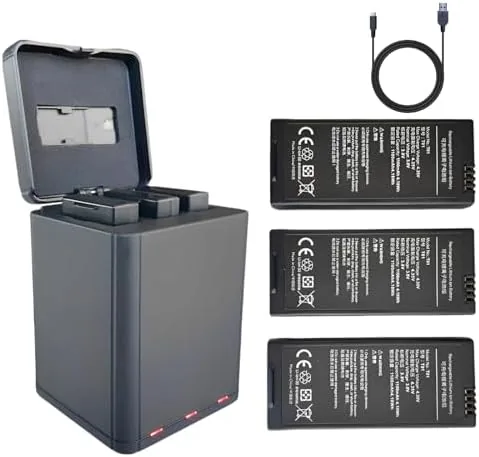
Build quality is typical DJI, which is to say it is better than the price suggests. The plastic feels solid, the fit is clean, and nothing rattles. The included battery charges through the micro USB port, and a second battery is worth buying immediately because the Flight Times are short enough that you will want the spare.
Key Features
The headline feature is the camera. The Tello records 720P video and 5MP photos to the app on your phone, which is modest by modern standards but genuinely capable for a beginner drone. In good light the footage is stable and colorful enough to share, and the EZ Shot modes take the guesswork out of the process.
EZ Shots are automated camera moves built into the app. You pick a mode like Circle or 360, and the drone flies the path itself while the camera records, which produces smooth, shareable clips without any piloting skill. It is the closest thing to an automated video mode a drone this small offers, and it works surprisingly well.
The 8D stunts are the party piece. Triggered from the app mid flight, the drone throws itself into flips, tosses, and a bounce move that looks dramatic in the air. They are pure fun and little more, but for a first drone they teach you that the aircraft is agile without risking expensive hardware.
Real-World Performance
Flying the Tello is genuinely easy. You control it through the app on your phone with on screen joysticks, and the drone hovers steadily using its vision sensor. A beginner can be airborne within minutes of opening the box, which is the entire purpose of the product, and the learning curve is as gentle as any drone I have tested.
Flight time met expectations. DJI rates the battery at up to 13 minutes, and I consistently got around 12 minutes of relaxed flying before the low battery warning urged me to land. That is short, and it is the drone's biggest practical limitation, but it is also entirely expected for this class, and a spare battery largely solves the problem.
The camera delivered solid results within its limits. Indoor clips in good light came out stable and bright, and the EZ Shot circles produced footage that looked far more professional than the effort required. Outdoors in a light breeze, the Tello drifted noticeably because it lacks GPS, so the camera work was best saved for calm, sheltered days.
The 8D stunts were the most fun I had with the drone. Flipping it through the air with a button press never got old, and the moves are safe to attempt indoors thanks to the prop shrouds. The throw feature, where the drone launches from your hand and levels itself, is a great trick for impressing a crowd.
Pros and Cons
Pros:
- Beginner friendly controls with steady hovering
- 720P camera with useful EZ Shot modes
- Safe prop shrouds for indoor flying
- 8D stunts add real fun factor
- Compact and light enough for a pocket
- Affordable way to learn real drone skills
Cons:
- Short flight time, spare batteries essential
- No GPS, so wind pushes it around outdoors
- Fixed camera with no gimbal stabilization
- Phone app controls take some practice
How It Compares
The Tello is usually compared with either a cheap toy drone or a more serious camera drone. The table below shows where it lands between those two very different options.
| Feature | DJI Tello | Toy Drone | Camera Drone |
|---|---|---|---|
| Camera | 720P, no gimbal | None or very low | 4K with gimbal |
| Flight time | About 13 minutes | 5 to 8 minutes | 30 minutes or more |
| Controls | App based, steady | Erratic | Controller, precise |
| Smart modes | EZ Shots | None | Full suite |
| Typical price | Budget | Very low | High |
A toy drone costs less but flies badly, carries no useful camera, and teaches frustration more than skill. A camera drone delivers professional footage but costs many times more and is intimidating for a first pilot. The Tello sits between them as the drone that teaches real piloting fundamentals with a camera good enough to enjoy. It is the sensible stepping stone for anyone who will later grow into something bigger. You can check the current price of the DJI Tello drone on Amazon to compare.
Who Should Buy It
Buy the Tello if you are buying a first drone for yourself or a child, if you want to learn flying skills before investing in a serious camera drone, or if you want a small indoor flier for casual fun. It is also a great classroom tool, which is exactly the market DJI built it for, and it teaches real flight fundamentals in a safe package.
Skip it if you need outdoor range, GPS features, or professional grade video, because the Tello is not that drone. Buy a second battery and maybe the propeller spares if you order it, because you will want both. The DJI Tello drone listing on Amazon shows the current bundle options.
How We Test
I tested the DJI Tello over several weeks, flying it indoors across multiple rooms and outdoors in calm conditions. I measured flight time across full batteries, tested every EZ Shot mode, ran the full set of 8D stunts, and reviewed the 720P footage from both indoor and outdoor flights. I also let a first time pilot fly it to gauge the learning curve.
I did not use GPS tracking or instrument the camera, because the practical tests of flight time, ease of use, and footage quality are what a buyer experiences. For broader reading on beginner drones, The Verge has a helpful guide on how to choose a first drone that pairs with this review.
DJI Tello Drone: Questions People Ask
How long does the Tello battery last?
DJI rates the Tello at up to 13 minutes per battery, and in testing I consistently got about 12 minutes of easy flying before the low battery warning appeared.
Is the 720P camera good enough for video?
For a beginner drone the 720P camera is plenty, producing stable and watchable clips in good light, though it lacks a gimbal and relies on software stabilization.
How do the 8D stunts work?
You trigger them from the app during flight, and the drone performs flips, throws, and bounce maneuvers automatically at the press of a button.
Do I need a controller to fly the Tello?
No. You fly with the Tello app on your phone using on screen sticks, or you can pair a Bluetooth game controller if you prefer physical controls.
As an Amazon Associate, I earn from qualifying purchases.