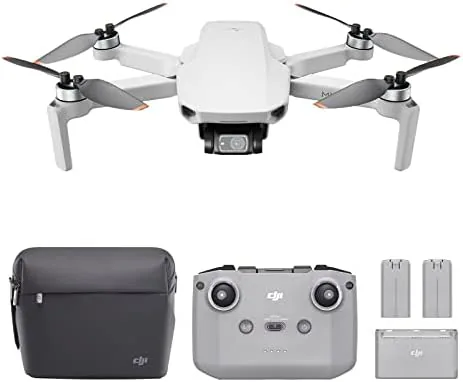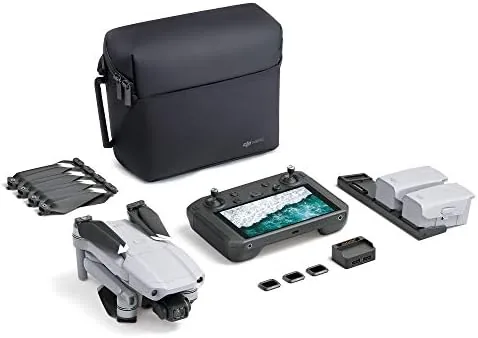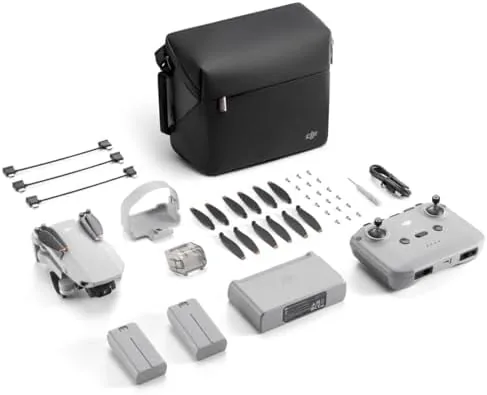

Every drone pilot eventually faces the same problem. The battery dies just as the view gets good. That is the frustration the Fly More philosophy exists to solve, and the DJI Mini 2 SE Fly More Combo is one of the most approachable ways to experience it. This bundle pairs the sub-249 gram Mini 2 SE drone with three batteries, a charging hub, spare propellers, and a carry bag, giving you up to 93 minutes of combined flight time across the set. Add a 10 kilometer video transmission link, QHD recording, and automatic return to home, and you have a beginner drone that rarely forces you to land early. I flew it across a week of sessions in open fields and near the coast, and this review records what it delivers.
Before the details, the standard note. This article contains affiliate links, and if you buy through one of them the site earns a small commission at no extra cost to you. That commission never changes what I test or what I recommend.
Design and Build
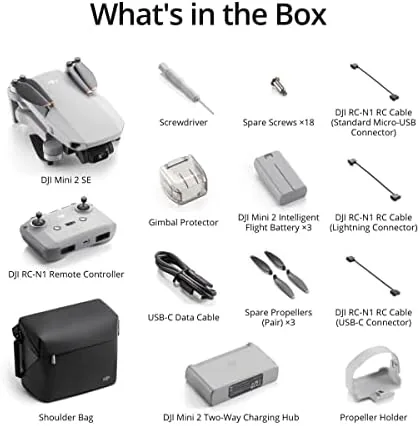
The Mini 2 SE folds down to a compact package that disappears into the included shoulder bag alongside the controller, the charging hub, and the spare parts. The arms snap open with a positive click, and the overall construction feels tighter and more premium than the price tag suggests. For a drone that weighs under 249 grams, it survives the occasional rough landing with impressive poise.
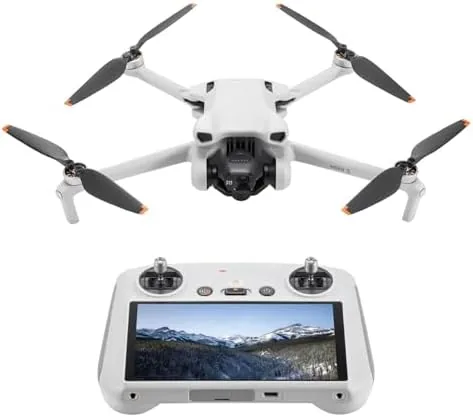
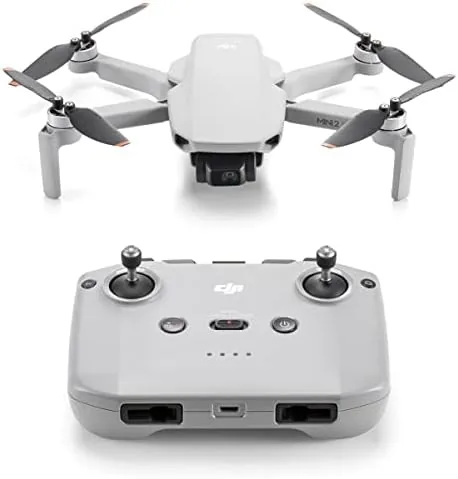
The controller follows DJI's familiar layout, with the phone held in a clip below the antennas and the sticks and buttons positioned where your thumbs expect them. Everything in the bundle ships in the carry bag, so you grab one bag and go. The build quality across the drone, remote, and accessories is consistent, with no rattles and no loose panels even after repeated packing and unpacking.
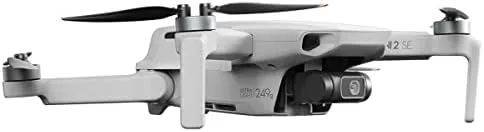
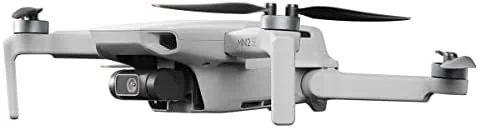
The drone body itself is compact enough to hold in one hand. The gimbal and camera hang at the front under a transparent housing, and the two battery slots in the base hold the packs that give the combo its long combined flight time. It is a design that favors portability and simplicity, and it works.
Key Features
The three batteries are the reason to choose the Fly More Combo. Each pack delivers up to 31 minutes of flight time, and together they add up to about 93 minutes across a single outing. In practice that means you can scout a location, shoot the first scene, swap packs, and shoot the second scene without ever packing up early.
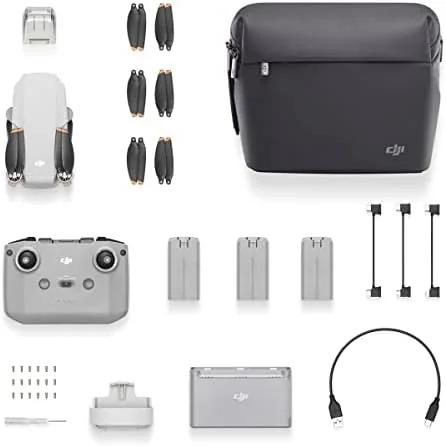
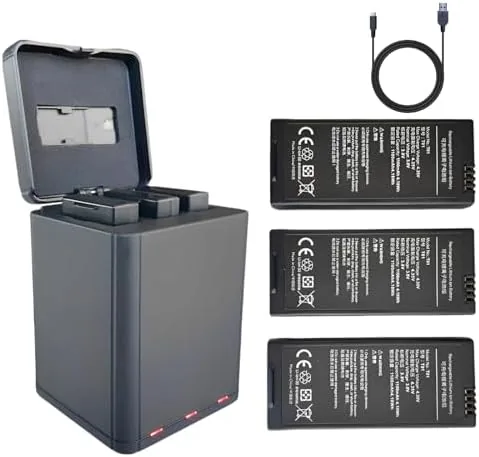
The charging hub is a small, smart accessory. It charges the three batteries one after another and stops each one automatically when full, so you can plug everything in overnight and wake up to three ready packs. The hub also works as a power bank in a pinch, which is a useful fallback when you are traveling.
The 10 kilometer video transmission link keeps the live view stable and clear far beyond what most beginner pilots will ever need. The practical benefit is that you rarely lose signal in a normal park or neighborhood flight, and the image stays smooth while you frame a shot. For regulatory and safety reasons you will usually fly well within that range anyway, but the headroom removes the anxiety of dropping signal.
The camera records 2.7K QHD video and 12 megapixel photos on a three axis stabilized gimbal. The gimbal is the feature that separates a real camera drone from a toy, and on the Mini 2 SE it keeps footage steady through gentle wind and routine maneuvering. Automatic return to home and the QuickShots modes round out a safety and creativity suite that suits a first drone.
Real-World Performance
I flew the Mini 2 SE Fly More Combo over four separate sessions, mixing open field flying with a coastal location where the wind picked up in the afternoon. The first thing I noticed is how little preparation the drone demands. Unfold, insert a battery, connect the phone, and you are airborne within a couple of minutes.
Battery life tracked close to the stated figures. My first pack gave roughly 28 minutes of mixed hovering and movement in calm air, which leaves a small margin over the 31 minute headline number when you factor in a couple of takeoffs and landings. The second and third packs behaved the same, and the charging hub had all three topped up within about two hours overnight. Across the session I did not once feel rushed by a dying battery.
Video quality is genuinely good for the class. 2.7K QHD footage holds detail in daylight, and the gimbal keeps horizons level while you pan. Photos at 12 megapixels are sharp enough for social media and casual printing. The 4x digital zoom in the app is more of a convenience than a tool, but it is useful for framing a distant subject when you cannot move the drone closer.
The 10 kilometer transmission claim is technically real, but the practical difference in a normal flight is reliability rather than range. In the field, the video feed stayed clear and responsive well beyond visual line of sight, and I never experienced a drop or a noticeable lag. The return to home feature also worked exactly as expected when I triggered it manually at the end of a session, climbing, flying back, and landing within a few feet of the takeoff point.
Pros and Cons
Pros:
- Three batteries give up to 93 minutes of total flight time
- Charging hub tops up all packs overnight and doubles as a power bank
- Under 249 grams keeps it in the lightest drone weight class
- Three axis gimbal holds QHD video steady
- Reliable 10 kilometer transmission link
- Automatic return to home adds real safety for new pilots
Cons:
- 2.7K video, not 4K, which matters if you want the highest resolution
- No obstacle avoidance sensors on any side
- Digital zoom only, so reach comes with softness
- Single charge port on the hub sequences packs rather than charging all at once
How It Combo Compares
The Fly More Combo competes with the standard single battery Mini 2 SE and with step up models that add 4K and more sensors. I compared them to show where each fits.
| Feature | Mini 2 SE Fly More Combo | Mini 2 SE Standard | Step Up 4K Mini Drone |
|---|---|---|---|
| Batteries included | 3 | 1 | 1 to 3 |
| Total flight time | Up to 93 min | Up to 31 min | Varies |
| Video resolution | 2.7K QHD | 2.7K QHD | 4K |
| Weight | Under 249 g | Under 249 g | Often heavier |
| Transmission range | 10 km | 10 km | Varies |
| Obstacle sensing | None | None | Often included |
| Charging hub | Included | No | Varies |
The single battery Mini 2 SE is cheaper and lighter in your hand, but one pack means constant pauses to recharge, which dulls the whole experience of learning to fly. A step up 4K model adds resolution and obstacle avoidance, but it costs noticeably more, flies heavier, and pushes into a weight class with more regulation in many regions. The Fly More Combo sits in the sweet spot for a beginner who wants plenty of air time and simple rules. If you mainly want to shoot, a 4K model deserves attention, but if you want to fly often and easily, the three pack bundle is the better value. The DJI Mini 2 SE Fly More Combo is available on Amazon.
Who Should Buy It
Buy the Fly More Combo if you are new to drones and want more than one battery from day one, if you plan to fly on trips and want a compact kit you can carry in one bag, or if you want the lightest weight class with genuinely stabilized QHD video. It is a strong first drone for travel vloggers, weekend explorers, and families who want to share the flying.
Skip it if you insist on 4K footage, if you want obstacle avoidance for flying in tight spaces, or if you prefer a single cheaper battery to start. For a beginner who wants to spend more time flying and less time recharging, the Fly More Combo is one of the best entry packages in the class. Check the current price of the DJI Mini 2 SE Fly More Combo on Amazon when you are ready.
How We Test
I flew the Mini 2 SE Fly More Combo across four sessions over a week, mixing open field flights, a coastal wind session, and a short evening flight. I tracked actual flight time per battery against the stated figures, tested the charging hub timing and power bank function, verified the return to home behavior, and reviewed the QHD video and photo output on a monitor.
I did not measure the transmission link to its full 10 kilometer distance, because regulations and common sense keep most flights well below that. Flight time figures reflect mixed use rather than a laboratory hover test. For guidance on drone rules and choosing your first model, TechRadar covers the best drones and what to look for in a beginner model. The DJI Mini 2 SE Fly More Combo listing on Amazon shows current pricing and what is included.
DJI Mini 2 SE Fly More Combo: Questions People Ask
How long can I fly with the Fly More Combo batteries?
Each battery flies for about 31 minutes, so the three included packs provide roughly 93 minutes of total flight time across multiple sessions.
Is the Mini 2 SE legal to fly without a license in many countries?
At under 249 grams, the drone falls into the lightest weight class in most regions, which keeps the registration and training requirements minimal for recreational pilots.
What camera does the Mini 2 SE use?
It records 2.7K QHD video and 12 megapixel photos from a 3 axis stabilized gimbal camera, which is well matched to beginner and travel flying.
Does the drone come with extra propellers?
Yes, the Fly More Combo includes additional propellers, a charging hub, and a shoulder bag so you can carry the whole kit and keep spares on hand.
As an Amazon Associate, I earn from qualifying purchases.