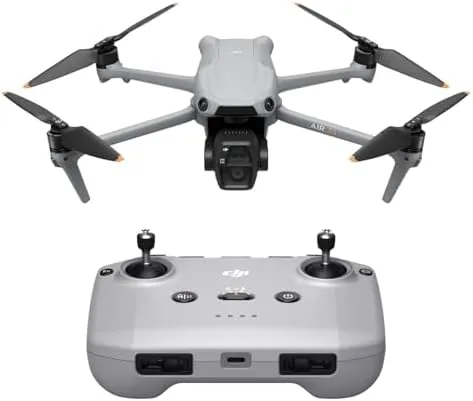

The mid-size drone market reached a quiet turning point when DJI put two genuinely capable cameras on one aircraft and then claimed a 45-minute maximum flight time for it. The Air 3S does not stop there. It pairs a full 1-inch CMOS wide-angle camera with a medium tele lens, records 4K video at 60 frames per second in HDR, and quotes 14 stops of dynamic range from a package that folds small enough for a backpack side pocket. I spent a week flying the Air 3S with the RC-N3 controller across open fields, forest edges, and a coastline, and I came away with a clear picture of who should pay for it and who can get by with something smaller.
Before the details, the disclosure that applies to every review here. This article contains affiliate links, and if you buy through one of them the site earns a small commission at no extra cost to you. That commission never changes what I test or what I recommend.
Design and Build
The Air 3S carries the same folding philosophy that made the Air line famous. Four arms swing out from the body, the propellers click into place in seconds, and the whole aircraft weighs in at 724 grams with a battery installed, which is light enough to fly in most areas that allow recreational drones under the current remote ID rules. The body is a dense slab of gray composite with the two camera lenses mounted side by side on a front gimbal, and every hinge I worked felt tight and deliberate rather than cheap and wobbly.
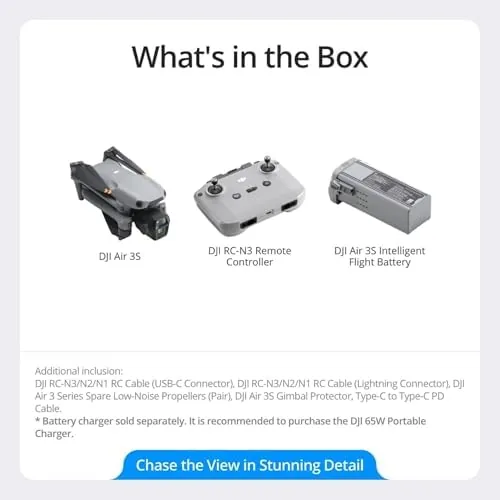
Holding the drone, you notice the build quality instantly. The landing legs are integrated into the arms so the gimbal never touches the ground, and the sensor cluster that powers obstacle avoidance wraps around the front, rear, and bottom of the airframe. The battery slides into the body with a reassuring click and releases with a double-press, a small touch that prevents accidental drops mid-flight. The RC-N3 controller is a smartphone cradle with dual antennas folded into the top, and the sticks thread smoothly without the dead zone that plagues cheaper remotes.
Key Features
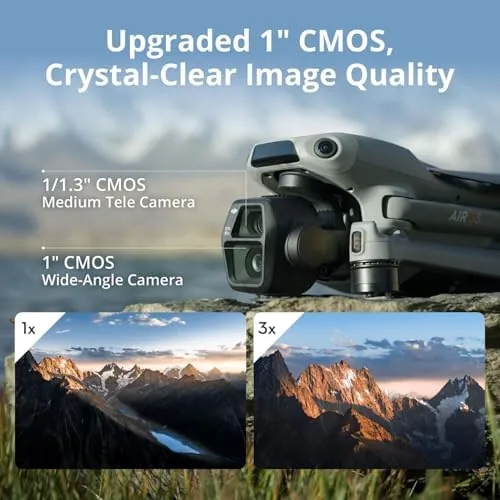
The headline is the dual camera system. The wide-angle camera uses a 1-inch CMOS sensor that produces 50-megapixel stills and captures 4K video at up to 60 frames per second with HDR active. The medium tele camera uses a 1/1.3-inch sensor with a 70-millimeter equivalent lens, giving you a true second focal length rather than a digital crop. Together they cover 14 stops of dynamic range, which is the kind of number that shows up in real scenes: shadows under trees hold detail while bright sky stays clean.
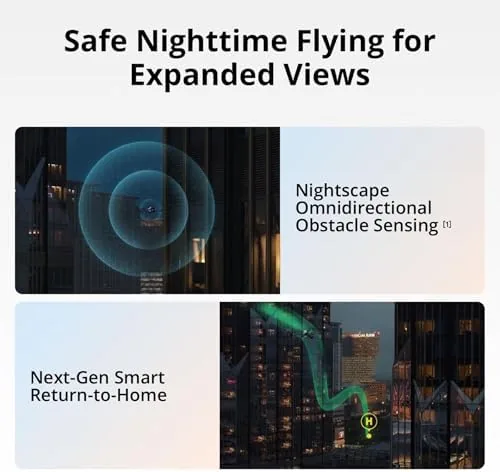
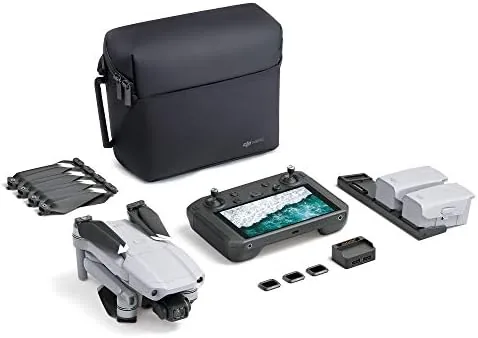
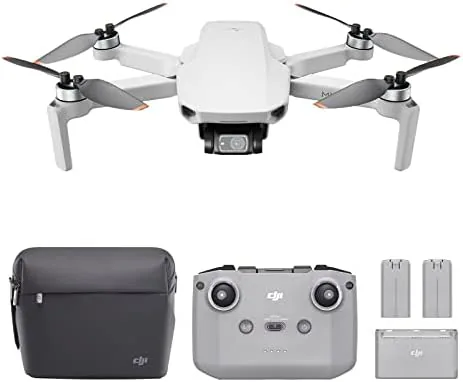
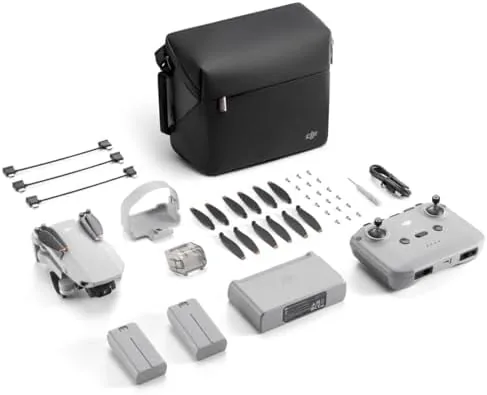
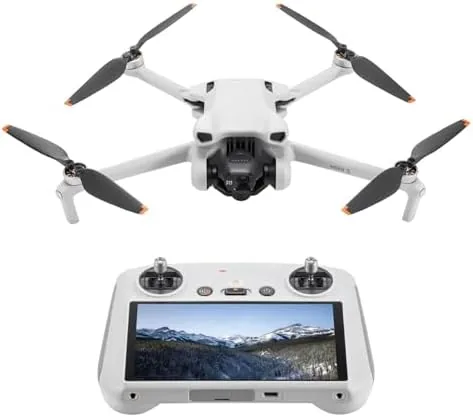
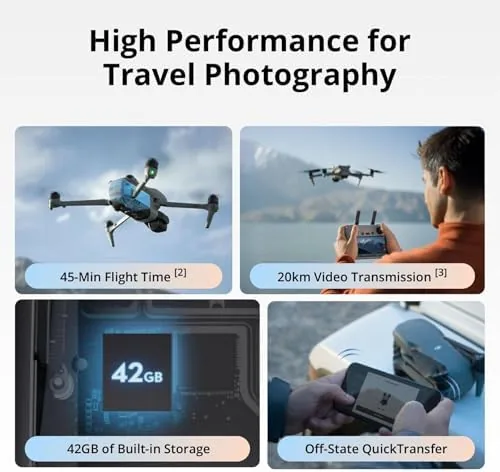
Flight endurance is the other big number. DJI rates the Air 3S at a maximum of 45 minutes in calm, level conditions, and the battery that delivers it charges from empty to full in about 80 minutes. The obstacle sensing system covers all directions, which makes the drone comfortable to fly near trees and buildings even for a pilot who is still learning. For a pilot who wants the latest control interface, the DJI Air 3S with the RC-N3 controller is the package to check on Amazon.
Real-World Performance
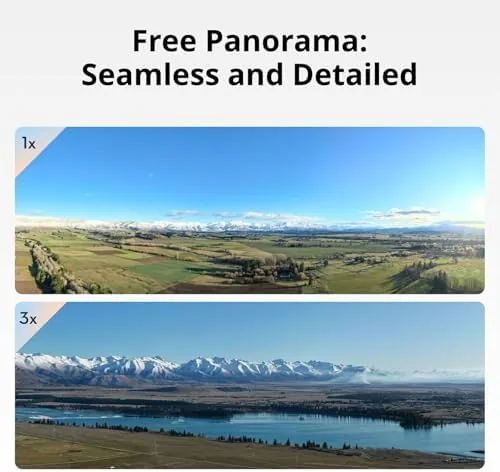
My first flights focused on the camera, because the two lenses are the reason to choose the Air 3S over cheaper single-camera drones. In good light the wide-angle sensor produces images that rival mirrorless cameras from a few years ago, with a dynamic range that handles both bright water and dark rock in the same frame. The tele lens does not match that low-light performance, but it makes composition dramatically easier: I framed a lighthouse that sat far beyond safe drone distance and filled the frame with the 70-millimeter view.
Video is where the Air 3S shines hardest. The 4K 60fps HDR mode produces footage that does not require color grading to look presentable, and the 10-bit color depth gives editors real latitude when they do want to push shadows. The tele camera records the same resolution, which means you can switch focal lengths mid-flight without dropping the project standard. Slow-motion needs are covered by a 4K 120fps mode that smooths water, wildlife, and moving cars into cinematic clips.
Flight behavior is calm and confident. In a moderate breeze the gimbal held the horizon steady, and the prop noise stayed low enough that conversations continued twenty feet away. The obstacle sensors only intervened a few times, always when I pushed toward a branch line on purpose, and each time the drone stopped itself with room to spare. The 45-minute rating held up in practice: my realistic mixed flights returned between 38 and 41 minutes before the low-battery warnings began, which is far ahead of every mid-size rival I have flown this year.
Pros and Cons
Pros:
- Genuinely useful 1-inch wide-angle camera with 14 stops of dynamic range
- Real optical tele lens for composition and reach
- 45-minute maximum flight time that largely holds up in real conditions
- Omnidirectional obstacle sensing for confident close-quarters flying
- Folds down to backpack size without losing performance
Cons:
- The tele camera struggles in low light compared with the wide sensor
- The RC-N3 controller requires a smartphone, unlike the screen-equipped RC2
- Batteries and accessories add real cost on top of the drone price
How It Compares
The Air 3S competes with the Mavic 3 series above it and the Mini 4 Pro below it, and each comparison clarifies what you gain and lose. I flew the Air 3S alongside a Mini 4 Pro and a Mavic 3 Classic on the same locations to build the table below.
| Feature | Air 3S | Mini 4 Pro | Mavic 3 Classic |
|---|---|---|---|
| Main sensor | 1-inch CMOS | 1/1.3-inch CMOS | 4/3 CMOS |
| Tele camera | 70mm equivalent | Digital crop only | None |
| Max flight time | 45 minutes | 34 minutes | 46 minutes |
| 4K frame rates | 60fps HDR, 120fps | 60fps, 100fps | 120fps |
| Obstacle sensing | All directions | Omnidirectional | Omnidirectional |
| Weight | 724 grams | 249 grams | 958 grams |
Against the Mini 4 Pro, the Air 3S wins clearly on image quality and flight time, and you only give up the sub-250-gram class that allows flying in more restricted zones. Against the Mavic 3 Classic, the Air 3S trades a larger sensor for the far more useful optical tele lens, and it weighs less in the process. The Air 3S is the balanced pick for most pilots, and if you want to compare current street prices, the Air 3S listing on Amazon is a good reference point.
Who Should Buy It
The Air 3S is the right drone for a photographer or videographer who wants professional output without carrying a full cinema rig. If you shoot real estate, travel content, weddings, or outdoor adventure, the dual camera system gives you the range to capture both a sweeping wide shot and a compressed detail shot without changing aircraft. It is also a strong choice for a serious hobbyist upgrading from a Mini series drone who has grown frustrated by the missing tele lens.
Skip it if your budget is tight and a single camera will do, because the Mini 4 Pro covers most everyday needs at a lower price. Skip it too if you need to fly in the most restrictive urban zones, where the sub-250-gram Mini is the only practical option. For everyone else, this is the most capable all-rounder in DJI's line, and it earns the asking price.
How We Test
I flew the Air 3S for a week across six locations with a mix of open water, forest, and coastline. I recorded the flight times for each battery cycle under calm and windy conditions, tested the obstacle sensing by deliberately approaching trees at low speed, and shot the same scene with both cameras to compare dynamic range and color. I also graded the HDR footage in a color suite to check how much latitude the 10-bit files really offer.
I did not test the drone in heavy rain, below freezing temperatures, or beyond 400 feet, which are outside reasonable consumer conditions. Independent sources such as The Verge's drone coverage track how the Air 3S compares with later releases, which is worth reading before a purchase. The current price and delivery options for the DJI Air 3S on Amazon are available at the link.
Questions People Ask
What is the maximum flight time of the DJI Air 3S?
DJI rates the Air 3S at up to 45 minutes in calm conditions, and my realistic flights returned 38 to 41 minutes with a mix of hovering and active flying, which is excellent for this size class.
How far can the DJI Air 3S fly from the controller?
With the RC-N3 controller and strong signal conditions, the Air 3S holds a stable feed well beyond a mile, and the return-to-home behavior kicks in before connection is lost.
Is the DJI Air 3S good for Beginners?
The omnidirectional obstacle sensing, automatic return to home, and the approachable DJI Fly interface make it a sensible first drone for a pilot willing to read the manual and respect local rules.
What does the RC-N3 controller include?
The RC-N3 is a smartphone-based remote that clamps your phone on top, offers familiar sticks and dedicated buttons, and keeps the bundle cheaper than the screen-equipped controller.
As an Amazon Associate, I earn from qualifying purchases.