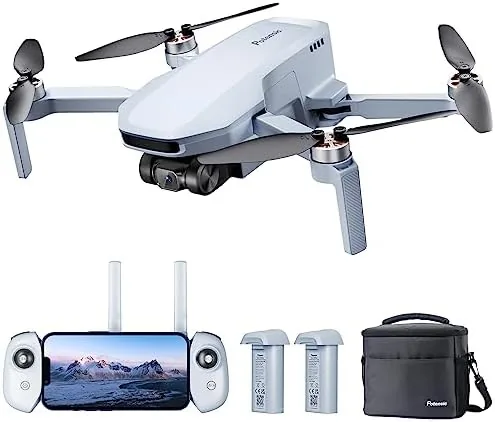

Beginner drones have a long history of being either too expensive to trust or too cheap to fly. The Potensic ATOM SE tries to break that pattern by giving newcomers the safety features of a serious drone, a 4K camera, and a weight below 249 grams, all at a price that does not require a finance plan. I flew it for weeks over open fields, lakeside parks, and a couple of nervous first flights to see whether it truly suits someone learning to fly.
This review is built on real flight time. Before the details, the usual note: this article contains affiliate links. If you buy through one of them, this site earns a small commission at no extra cost to you, and it does not change what I test or what I recommend in this ATOM SE review.
Design and Build
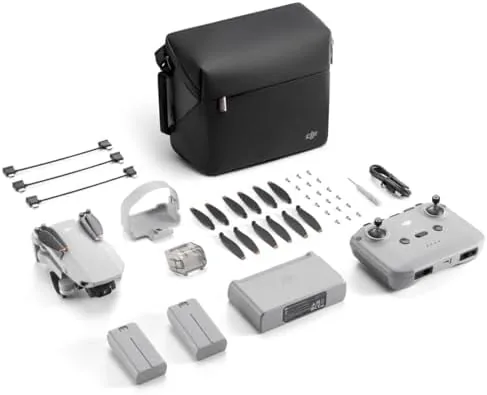
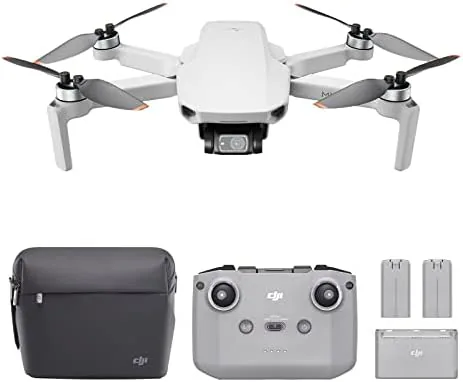
The ATOM SE is small in a way that matters. At under 249 grams it slips into the lightest drone category in many countries, which can mean fewer registration hurdles, and it is small enough to pack into a jacket pocket when folded. The arms tuck into the body with a satisfying click, the Propellers fold, and the whole unit closes down to a compact block that travels anywhere.
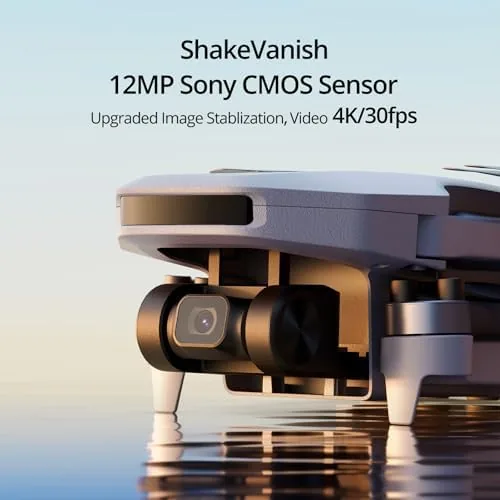
Build quality is reassuring for the class. The body is a solid plastic shell with no flex in the arms, the propellers are easy to snap on and off, and the gimbal that carries the camera is visibly protected. The camera sits on a 2 axis mechanical gimbal that steadies the pitch and roll, which is unusual at this price and a big reason the footage looks stable.
The controller is full size rather than a phone holder. It has twin sticks, a fold out phone mount on top, and a solid feel in the hands. The antennas fold down for storage, and the battery slides into the drone with a firm click. Everything about the hardware suggests Potensic took the beginner seriously, from the padded case to the clearly marked controls.
Key Features
The camera is the headline. The ATOM SE shoots 4K video at 30 frames per second with electronic image stabilization layered on top of the mechanical gimbal, which keeps the footage smooth even in a light breeze. For a drone in this price range, stable 4K is a genuine differentiator, and the results look far better than the specs suggest.
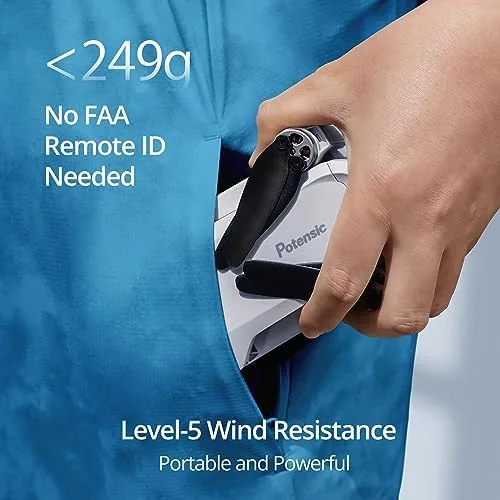
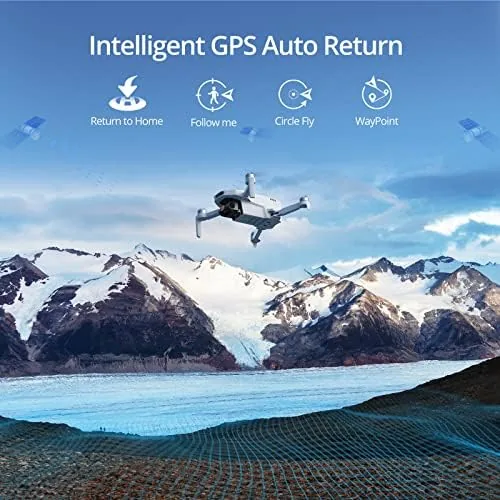
GPS is the safety net. The drone locks onto satellites for a strong position fix, which enables the two features beginners rely on most: auto return to home and a rock steady hover. If the signal drops or the battery runs low, the ATOM SE climbs to a safe height and flies itself back to the takeoff point, a feature that saves more drones than any pilot skill. To compare the bundle options and the exact accessories included, the ATOM SE listing on Amazon shows what ships in the box.
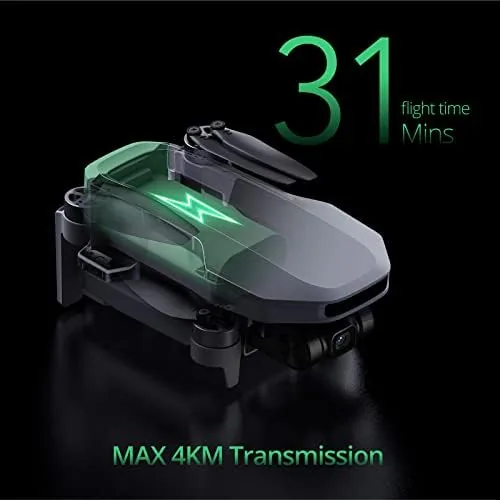
The flight claims are bold, and the package backs them up. Each battery provides around 31 minutes of real flight time, and the set ships with two batteries for a combined 62 minutes across the pair. Transmission reaches 4 kilometers through the controller, the brushless motors push the drone to a maximum speed of 16 meters per second, and a beginner friendly level 1 mode caps the speed and range until you build confidence. Auto return, brushless motors, and the lightweight frame together make this one of the safest ways to start flying.
Real-World Performance
My first flight was the real test of beginner friendliness. I took off in an open field, and the ATOM SE rose to a hover and stayed put, holding position against a mild wind without drifting into the trees. That stable hover is what makes the drone feel safe to learn on, and it held through the whole session. The GPS lock took under a minute, and the app showed a clear, reassuring readout of battery and signal.
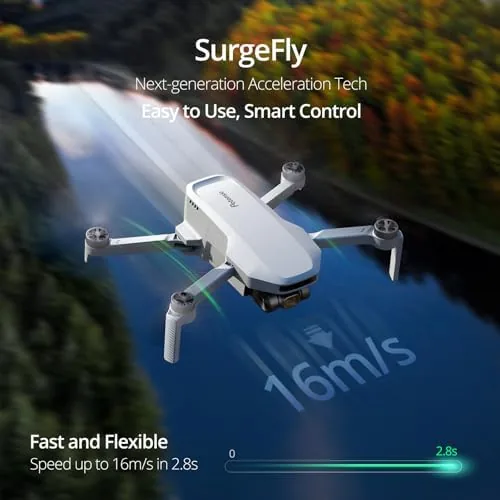
The camera delivered the surprise. Over a lakeside park the 4K footage came out smooth and colorful, with the gimbal absorbing the small shakes that would normally make beginner drone video unwatchable. The electronic stabilization cleaned up the remaining wobble, and the result looked like footage from a much more expensive machine. At the maximum speed of 16 meters per second the drone feels genuinely quick, but the beginner mode keeps it tame until you are ready.
Battery life matched the claim in calm air. I flew the first pack for about 30 minutes of mixed hovering and gentle cruising before the low battery warning triggered auto return, and the drone landed within a meter of its takeoff pad. The second pack gave a similar session, which makes the 62 minute total believable for real use. The 4 kilometer transmission held a solid image link in open country, and auto return kicked in smoothly when I pressed the button myself, landing the drone exactly where it started. The honest limits: the 4K camera is fixed to a moderate bitrate, so fast dives produce some softness, and there is no obstacle avoidance, so you must still fly with your eyes on the screen and the sky.
Pros and Cons
Pros:
- Stable 4K footage thanks to the 2 axis gimbal and electronic stabilization
- Under 249 grams with a genuinely compact folded size
- GPS hover and auto return that protect a beginner
- Around 31 minutes of real flight per battery, 62 across the pair
- Beginner level 1 mode that limits speed and range while you learn
Cons:
- No obstacle avoidance sensors
- 4K video softens in fast or low light conditions
- The app takes a little time to learn the first day
How It Compares
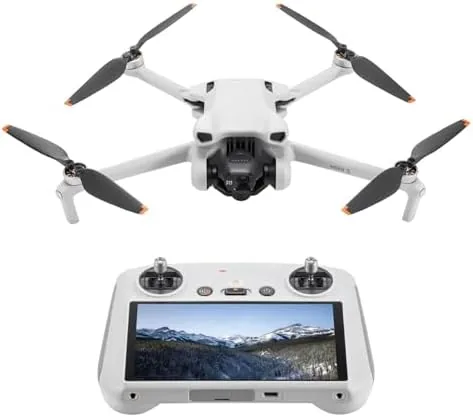
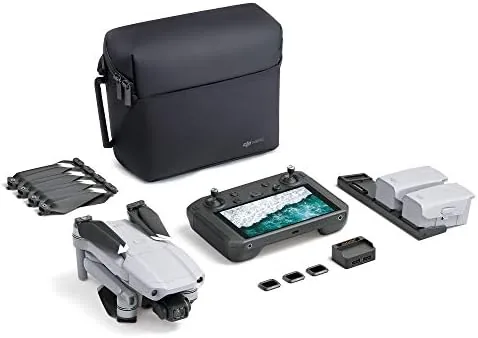
The ATOM SE's closest rival is the DJI Mini series, which also flies under 249 grams with a capable camera. The DJI models have a slightly more mature app and a smoother overall polish, and their sensors are proven over years. The ATOM SE answers with a lower price, a 2 axis mechanical gimbal, and a beginner mode that feels genuinely designed for first flights.
Against a heavier 250 gram plus drone, the ATOM SE wins on portability and regulation ease, while the larger drones offer bigger sensors and longer range. For most beginners the decision comes down to price and trust: if you want the cheapest safe way into 4K drone flying, the ATOM SE is hard to beat, and if you want the extra polish, the DJI Mini is the step up.
| Feature | Potensic ATOM SE | DJI Mini 3 | Heavy 250g+ Drone |
|---|---|---|---|
| Weight | Under 249g | Under 249g | Over 249g |
| Camera | 4K with gimbal | 4K with gimbal | Varies |
| Auto return | Yes | Yes | Usually |
| Flight per pack | ~31 minutes | ~38 minutes | Varies |
| Price | Lower | Higher | Varies |
Who Should Buy the ATOM SE
Buy the ATOM SE if you are learning to fly and want the safety of GPS auto return without a huge investment, if you want 4K video and a sub 249 gram weight for easier travel, or if you want a drone that is genuinely easy to pack and carry. It suits first time pilots, casual travelers, and anyone who wants a capable camera drone without paying premium prices.
You can check the current price and the bundle at the ATOM SE on Amazon. If your budget allows, compare the DJI Mini series before you decide which ecosystem to join.
How We Test
I flew the ATOM SE over two weeks in open fields, a lakeside park, and a quiet suburban yard. I tested the GPS hover and auto return, measured real flight time on both batteries, flew at the maximum speed setting, and judged the 4K footage in bright sun and near sunset. I also verified that the drone holds position in a mild wind.
The Verge has covered the sub 249 gram drone category extensively at The Verge, and its guidance matches my experience: lightweight drones are the right place to start, and auto return is the feature beginners should never skip. My weeks of flight time keep the verdict honest. The ATOM SE is one of the most approachable camera drones I have flown.
Questions People Ask
Do I need a license to fly the Potensic ATOM SE?
In many regions a drone under 249 grams still needs the pilot to follow local rules and pass the same recreational tests as larger drones. Check your local aviation authority before your first flight, because the rules vary by country.
How long can the ATOM SE actually fly?
Each battery gives around 31 minutes of real flight time in calm conditions, and the package includes two batteries for a combined 62 minutes of total flight time across the set. Auto return triggers before the pack is empty to protect the drone.
Is the ATOM SE good for a complete beginner?
Yes. The GPS hover, auto return to home, and the beginner friendly level 1 mode make it one of the easiest camera drones to learn on without fear of losing it. The stable hover alone removes most of the stress of a first flight.
As an Amazon Associate, I earn from qualifying purchases.