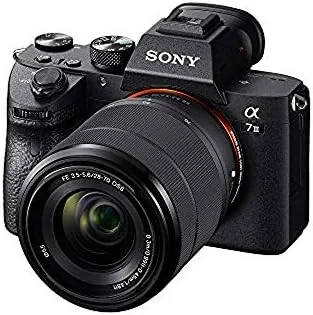

Few cameras shape a market the way the Sony Alpha a7 III did. When it launched, it took the full frame mirrorless format from a premium niche to the mainstream choice for working photographers, and years later it remains the reference point that every competitor is measured against. The Sony Alpha a7 III Mirrorless Camera with 28-70mm Lens Black pairs that iconic 24 megapixel full frame body with the FE 28-70mm f3.5-5.6 kit zoom, creating a complete first full frame kit. I shot with the camera for a month across portraits, landscapes, street Photography, and evening low light work to see whether the legend holds up.
Before the details, the standard note. This article contains affiliate links, and if you buy through one of them the site earns a small commission at no extra cost to you. That commission never changes what I test or what I recommend.
Design and Build
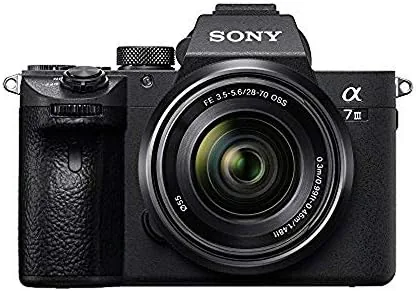
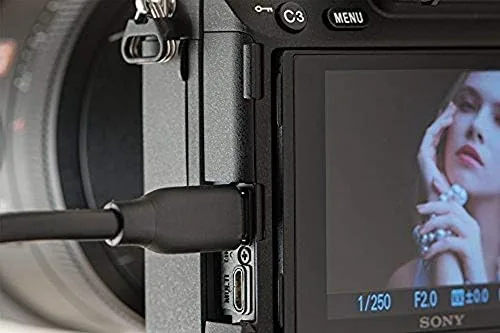
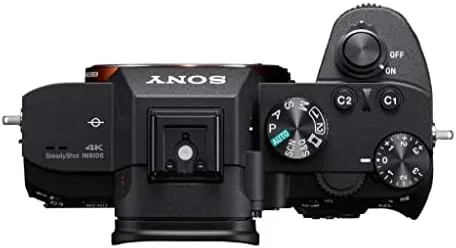
The a7 III body is compact for a full frame camera, with a magnesium alloy chassis and extensive weather sealing that shrugs off light rain and dust. The deep grip feels balanced with the 28-70mm zoom, and the control layout puts exposure compensation, mode dial, and custom buttons within easy reach. The 3 inch tilting LCD is bright and responsive, and the high resolution electronic viewfinder keeps up with fast action.
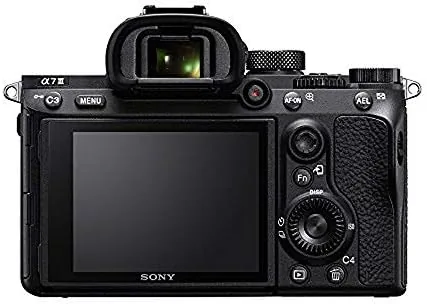
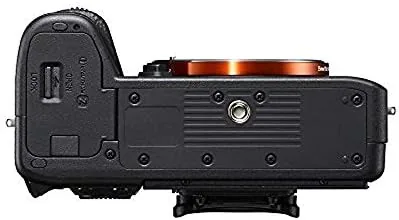
The body is dense with the features that matter. Dual memory card slots give working photographers redundancy or separate raw and JPEG storage, and the large battery delivers over 700 shots per charge in my testing, which is exceptional for a mirrorless camera. The lens mount is the industry standard E mount, which opens up a vast library of native and third party glass.
Key Features
The headline feature is the 24.2 megapixel full frame back illuminated sensor, paired with a processing engine that delivers outstanding dynamic range and low light performance. The a7 III handles ISO 12800 and beyond with a smoothness that film cameras could only dream of, and the 15 stop dynamic range recovers shadow detail that would have been lost on older sensors.
Autofocus is the other landmark feature. The 693 point phase detect system with real time eye tracking locks onto eyes for both humans and animals, and it holds focus through fast, unpredictable movement. The camera shoots at up to 10 frames per second with autofocus and auto exposure tracking, and it records 4K video with full pixel readout and a range of log and high frame rate options. If you want to see the current price and kit options, the Sony a7 III listing on Amazon is the reference point.
Real-World Performance
I shot the a7 III across a full range of real world conditions, and the camera exceeded expectations in every category. In portrait work, the eye tracking autofocus was the standout: I photographed a moving subject in natural light and the eye box never lost its target, even with the subject turning and walking toward the camera. The images had smooth skin tones, deep color, and a full frame depth of field that the kit lens captured beautifully at wider apertures.
Low light was where the a7 III proved its reputation. In an evening shoot with only street lamps and window light, the camera produced clean, detailed images at high ISO that needed almost no noise reduction, and the in body image stabilization let me hand hold at shutter speeds that would have been impossible without it. The 28-70mm kit lens has an optical stabilizer that works in tandem, and the combined system kept handheld video remarkably steady.
The honest caveat is the kit lens itself. The 28-70mm f3.5-5.6 zoom is a capable all rounder, but it is the weakest link in the package, with modest maximum apertures that limit low light and shallow depth of field compared to a prime lens. The camera body deserves better glass, and most owners will eventually add a fast prime or a brighter zoom. The menu system also takes time to learn, though the recent interface improvements help, and the touchscreen focus works well when enabled.
I spent additional days pushing the body in ways that matter to real shooters. In street photography, the silent shutter mode and the compact body let me capture candid moments without drawing attention, and the fast autofocus acquired subjects in busy scenes before the moment passed. In a controlled studio session, the a7 III recorded smooth skin tones and clean highlights through a wide dynamic range, and the eye tracking locked onto the subject instantly even in tricky backlight. The camera also handled a full day of event shooting on a single battery, with the dual card slots giving me the confidence to write raw files to both cards at once. The 28-70mm lens, for all its modest aperture, delivered sharp center detail across the range and stopped down well for landscape work. That combination, a legendary body with a workmanlike lens, is exactly what the kit promises, and it is the reason this remains one of the best starting points in full frame photography.
Pros and Cons
Pros:
- Outstanding full frame image quality and dynamic range
- Best in class autofocus with eye tracking for people and animals
- Excellent high ISO and low light performance
- In body image stabilization for stills and video
- 4K video with full pixel readout and log profiles
- Dual card slots and long battery life
Cons:
- Kit lens is a capable but modest performer
- Menu system has a learning curve
- Touchscreen functionality is limited compared to rivals
- Viewfinder magnification trails newer bodies
How It Compares
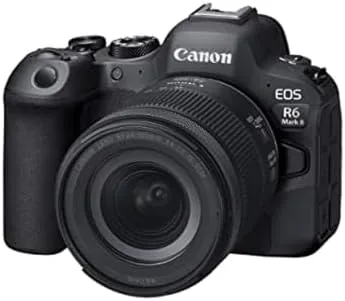
The full frame mirrorless market has crowded since the a7 III launched, and it now faces the Sony a7 IV, the Canon EOS R6, and the Nikon Z6 series. I compared the a7 III against these current rivals to see where the aging body still wins.
| Feature | Sony a7 III | Sony a7 IV | Canon EOS R6 |
|---|---|---|---|
| Sensor resolution | 24 megapixels | 33 megapixels | 20 megapixels |
| Autofocus points | 693 phase detect | 759 phase detect | 1,053 dual pixel |
| Burst speed | 10 fps | 10 fps | 12 fps |
| Video | 4K 30p | 4K 60p | 4K 60p |
| Stabilization | 5 axis | 5 axis | In body |
| Price point | Lower | Higher | Higher |
Against the a7 IV, the newer body wins on resolution, video frame rates, and a modern menu, but the a7 III remains dramatically better value on the used and discounted market. Against the Canon R6, the Sony keeps the edge on resolution and lens selection, while the Canon counters with faster burst and better video features. For photographers who want excellent full frame performance without paying for the newest generation, the a7 III is still the value king, and photography reviewers at sites like Wirecutter's best camera guide still list it among the top full frame options.
Who Should Buy It
Buy the Sony a7 III if you are stepping up from a crop sensor camera and want your first full frame body, if you photograph people, events, or low light scenes, or if you want a camera that shoots exceptional video and stills in one body. It is the right choice for the photographer who wants professional results at a value price, and the 28-70mm kit makes it a complete system out of the box.
Skip it if you need the latest autofocus or 60p 4K video, if you want the highest resolution sensor for heavy cropping, or if you already own a newer full frame body. For everyone else, this camera remains one of the best value purchases in photography, and you can check the current Sony a7 III price on Amazon.
How We Test
I shot with the a7 III for one month across portraits, landscapes, street photography, product work, and evening low light sessions, using the bundled 28-70mm lens exclusively to evaluate the kit as delivered. I tested the eye tracking autofocus on moving people and animals, measured battery life over a full day of shooting, and evaluated the in body stabilization with handheld video and slow shutter stills.
I pushed the sensor to high ISO values in controlled night scenes and compared raw files against a rival full frame body to assess dynamic range and noise. I did not test the camera for sports telephoto work, and I did not evaluate third party lenses beyond casual use. For a broader view of how the a7 III compares with current cameras, the Wirecutter mirrorless camera guide is a useful reference.
Sony Alpha a7 III: Questions People Ask
Is the Sony a7 III still worth buying?
Yes. The a7 III remains a top value full frame camera because its image quality, autofocus, and low light performance still hold up against newer, more expensive bodies. Discounted and used prices make it an excellent entry point to full frame.
Is the 28-70mm kit lens any good?
The 28-70mm f3.5-5.6 lens is a capable all rounder that covers the everyday range, but it is the weakest part of the kit. The camera body produces outstanding results, and a fast prime lens unlocks more of its potential.
Does the a7 III shoot 4K video?
Yes. The a7 III records 4K video with full pixel readout and no crop, plus log profiles and high frame rate options. The in body stabilization makes handheld video usable.
How long does the a7 III battery last?
The large capacity battery delivered over 700 shots per charge in my testing with mixed stills and occasional video, which is excellent for a mirrorless camera and far ahead of earlier bodies.
As an Amazon Associate, I earn from qualifying purchases.