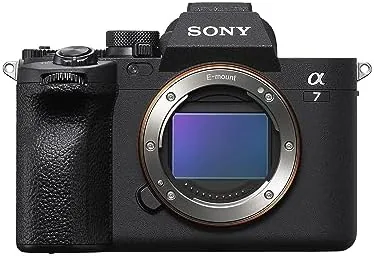

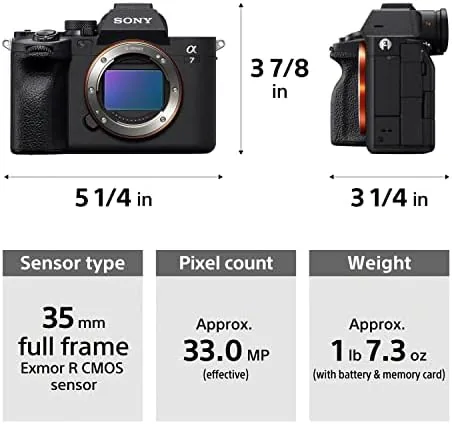
There was a time when a photographer bought one camera for stills and a separate camera for video, and the two rarely met in the same bag. The Sony Alpha 7 IV is the camera that closed that gap, packing a 33-megapixel full-frame sensor, industry-leading autofocus, and serious 4K video into a body that weighs little more than a pound. It has become the default recommendation for anyone who shoots both photos and movies, and after weeks of portrait, landscape, and event work, I understand why the camera keeps selling out. This review covers the sensor, the autofocus, the video modes, and the real experience of carrying and shooting the a7 IV every day.
Before the details, the standard note. This review contains affiliate links, and a purchase through one of them supports the site at no extra cost to you. That commission never changes what I test or what I recommend.
Design and Build
The a7 IV keeps the classic Alpha design language: a deep grip, a clean top deck with a mode dial and exposure compensation dial, and a body that feels planted in the hand even with a heavy full-frame zoom mounted. The magnesium alloy body is weather sealed, which I confirmed during a rainy shoot that left the camera dripping and working without complaint.
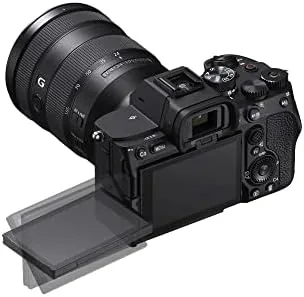
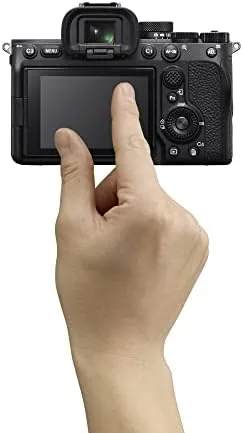
Button layout is thoughtfully arranged. The joystick for moving the focus point sits right under the thumb, the record button is within easy reach for video, and the customizable buttons let you build a control scheme that matches your shooting style. The viewfinder is bright and detailed, and the fully articulating touchscreen swings out for self-recording and flips up for low-angle work, a significant upgrade over earlier fixed screens.
The dual card slots are a working photographer's gift. Both slots accept SD cards, and the first slot also takes the faster CFexpress Type A cards, so you can shoot with speed, backup your files, or split stills and video across cards. For anyone who earns money with a camera, that redundancy is not a luxury, it is the difference between delivering a job and losing it.
Key Features
The 33-megapixel full-frame sensor is the centerpiece. It sits in a sweet spot between the 24-megapixel sensors of earlier Alpha models and the huge 61-megapixel sensors of the high-end line, delivering enough resolution to crop deeply while keeping noise low in dim light. Images are sharp and clean through a wide ISO range, and the file size is manageable for a typical workflow.
Autofocus is the feature that made Sony the default choice for hybrid shooters. The camera uses a huge phase-detection system that covers the frame and adds real-time subject tracking for eyes, faces, animals, birds, and vehicles. The tracking is sticky, holding onto an eye even when a subject turns away or moves fast, and it works for both stills and video, which is rare and valuable.
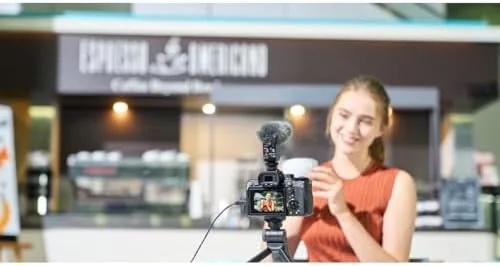
Video capability is genuinely professional. The camera records 4K in 10-bit color with high frame rates, including 4K60 in Super 35 mode and oversampled 4K30 across the full sensor width, and it offers S-Log profiles and other tools that let a serious editor grade the footage. There is no recording time limit for most modes, and the vari-angle screen makes it a workable vlogging camera in addition to a cinema rig.
Real-World Performance
In portrait work, the a7 IV was effortless. I shot an afternoon session in mixed indoor light, and the eye autofocus locked onto the subject's eye and never lost it, even as she moved, laughed, and turned her head between frames. The 33-megapixel files held detail in skin tones and fabric, and the color science, especially in the new Creative Look modes, produced pleasing images straight out of camera.
Landscape work leaned on the resolution and the flexible color. Detail across a wide scene was excellent, and the ability to crop into the frame and still print large is a real advantage of 33 megapixels. In low light, the sensor stayed usable at high ISO settings, with grain that cleaned up well in editing, and the five-axis image stabilization held handheld shots steady at shutter speeds that would have been impossible a generation ago.
Video performance matched the promise. I shot handheld B-roll in 4K30 with the stabilization engaged, and the footage was smooth and detailed, with the eye tracking holding on a moving subject through the whole clip. In Super 35 mode at 4K60, the extra frame rate gave slow-motion footage real punch, and the 10-bit color grade cleaned up beautifully in editing without banding.
Event shooting was the endurance test. I carried the camera on a strap for six hours, shot several hundred frames, and captured a full video interview, and the battery, rated well above the previous model, survived the whole day with charge to spare. The camera never overheated during long video clips, which has been a sore point on some competitors, and the deep buffer kept up with bursts of action.
Pros and Cons
Pros:
- 33-megapixel full-frame sensor with excellent resolution and low-light quality
- Class-leading autofocus with sticky eye and subject tracking
- Strong 4K video with 10-bit color and professional tools
- Weather-sealed magnesium body that survived rain without issue
- Dual card slots with CFexpress and SD support
- Articulating touchscreen and excellent battery life
Cons:
- Body-only price is a serious investment, and lenses add up fast
- Rolling shutter can show on fast panning with the electronic shutter
- Some menu settings are still buried despite the redesign
How It Compares
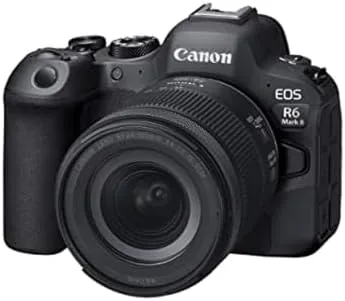
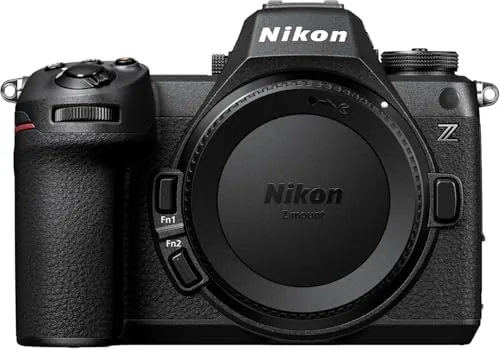
The a7 IV competes with the best full-frame hybrid bodies on the market, and the honest comparison is against the Nikon Z6 II and the Canon EOS R6 II, two cameras that fight for the same buyer. I lined them up on the specs and the feel that matter most.
| Feature | Sony Alpha 7 IV | Nikon Z6 II | Canon EOS R6 II |
|---|---|---|---|
| Sensor resolution | 33 MP | 24.5 MP | 24.2 MP |
| Video | 4K60, 10-bit | 4K60, 10-bit | 4K60, 10-bit |
| Card slots | Dual, CFexpress A plus SD | Dual, CFexpress X plus SD | Dual SD |
| Articulating screen | Yes, vari-angle | Yes, tilting | Yes, vari-angle |
| Stabilization | 5-axis in body | 5-axis in body | 8-stop in body |
Against the Nikon Z6 II, the a7 IV wins on resolution and autofocus. The 33-megapixel files give you more cropping room, and Sony's eye tracking is a step ahead of Nikon's system in fast-moving situations. The Nikon has its own strengths in handling and build, but for a hybrid shooter the Sony is the more capable all-rounder.
Against the Canon EOS R6 II, the decision is closer. Canon counters with faster burst speeds and stronger stabilization, but the Sony answers with higher resolution and a more extensive lens system with support from third-party makers. For most photographers, the a7 IV is the better balance, which is exactly why it has been the top seller in its class since launch.
Who Should Buy It
Buy the a7 IV if you shoot both stills and video and want one body that does both well, if you photograph people and need reliable eye autofocus, or if you are growing out of a crop-sensor camera and want the depth and low-light freedom of full frame. It is the right camera for event shooters, hybrid wedding photographers, and serious hobbyists planning to stay with the system for years.
Skip it if you only shoot stills and want to save money, because the a7 IV's video features go unused, or if you are fully invested in another lens mount and do not want to switch systems. For everyone else, this is the best do-everything camera you can buy at this price. You can check the current price for the Sony Alpha 7 IV on Amazon when you are ready to make the leap to full frame.
How We Test
I shot the a7 IV for several weeks across portrait sessions, landscape outings, a six-hour event, and a video interview, using a mix of prime and zoom lenses. I tested eye autofocus in continuous mode with moving subjects, high-ISO performance in dim light, the stabilization at slow shutter speeds, and the video modes at both 4K30 and 4K60.
I also ran a long continuous video clip to check for overheating and reviewed the battery drain across a full shooting day. Independent coverage such as DPReview's full review of the Sony a7 IV confirms the same conclusions about image quality and autofocus. The Amazon listing for the Sony Alpha 7 IV shows current pricing and bundle options.
Sony Alpha 7 IV: Questions People Ask
Is the Sony a7 IV good for video?
Yes. It records 4K60 in Super 35 mode and oversampled 4K30 in full-frame mode, with 10-bit color, log profiles, and clean output for professional work.
How many megapixels does the a7 IV have?
The sensor resolves 33 megapixels, which gives a flexible balance of high resolution for cropping and strong low-light performance for a full-frame body.
Does the a7 IV have a flip screen?
Yes. The rear monitor is a fully articulating vari-angle touchscreen, so it swings out and rotates for self-recording, vlogging, and low-angle stills.
What memory cards does the a7 IV use?
It has two card slots that accept SD cards and fast CFexpress Type A cards, letting you back up files or split stills and video across slots.
As an Amazon Associate, I earn from qualifying purchases.