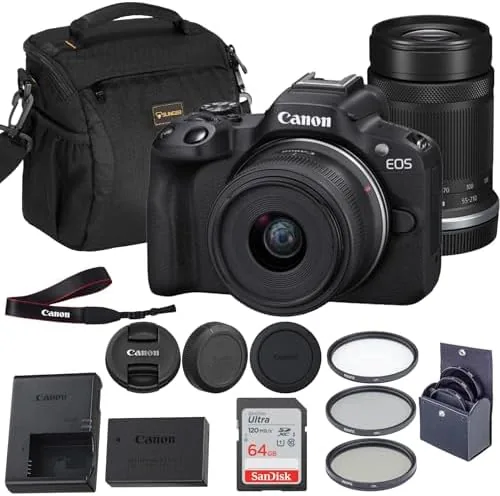
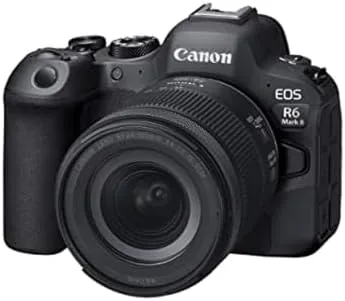
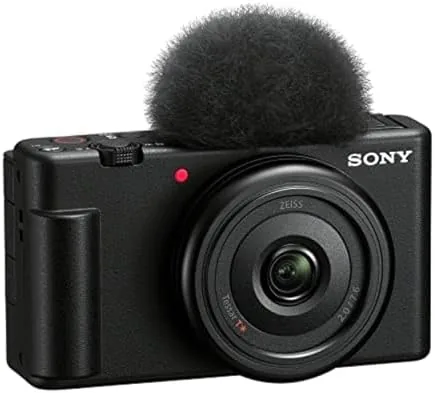
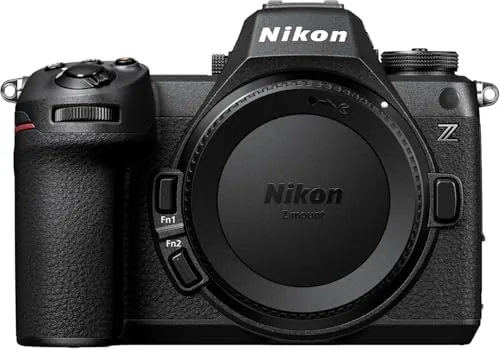
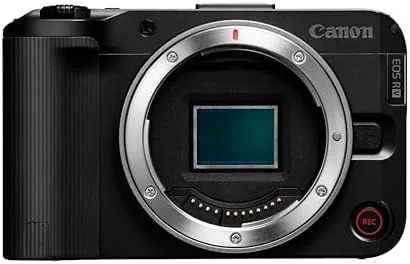
 Canon EOS R50 V body shown from an angle with its flip screen rotated forward" width="1200" height="800" loading="lazy" style="height:auto">
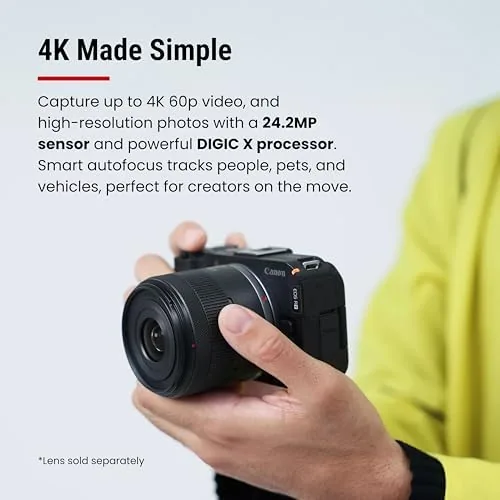
For years, mirrorless camera makers designed interchangeable lens cameras for photographers first and video creators second. Canon decided to flip that order with the EOS R50 V. The V stands for vlog, and nearly every decision in the design follows from that focus: the viewfinder is gone, the flip screen is front and center, the record button sits where a thumb can find it instantly, and a built in ND filter smooths out video motion in bright daylight. This is a 24.2 megapixel APS-C camera with 4K video and RF-S lens compatibility, sold as a body only kit so you can choose your own glass. I spent two weeks shooting with it, and this review covers what the R50 V does for creators and where the cost cutting shows.
Before the details, the standard note. This article contains affiliate links. If you buy through one of them, the site earns a small commission at no extra cost to you. That commission never changes what I test or what I recommend.
Design and Build
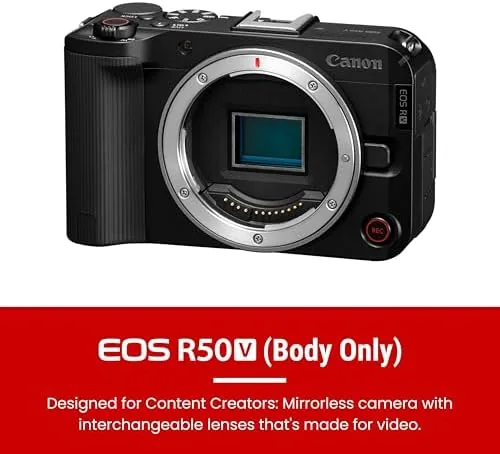
The R50 V is noticeably small for an APS-C interchangeable lens camera. It is lighter than the standard R50 stills camera it descends from, in part because Canon deleted the electronic viewfinder entirely. In its place is a clean top deck with a mode dial, a shutter release, and a dedicated video record button. That removal keeps the body compact enough to hold with a small lens in one hand, which is exactly what a vlogger wants during a long recording session.
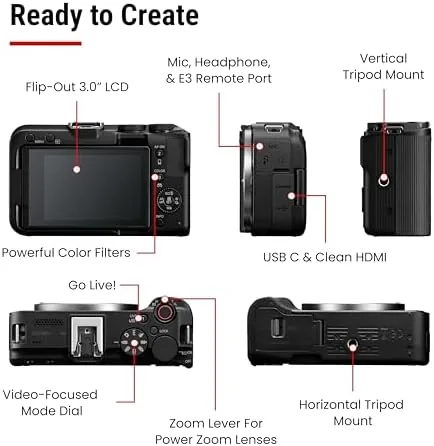
The flip screen is the centerpiece of the build. It hinges out to the side and rotates a full 180 degrees to face you, with a touch interface that responds quickly when you tap to focus or change settings. The grip is modest but usable, and the body is made of a dense plastic that feels far more solid than the price tier suggests. A cold shoe on top accepts a microphone or small light, and the port selection includes micro HDMI and USB-C, with USB-C being a genuine upgrade over many budget mirrorless bodies.
Key Features
The sensor is a proven 24.2 megapixel APS-C chip, the same class of sensor Canon uses across its R50 line. In stills, it delivers clean, detailed files in good light, and the dual pixel autofocus is fast and reliable on faces, eyes, and animals. For video, the camera records 4K at up to 60 frames per second, and it can capture in a vertical 9:16 orientation, a small detail that makes a real difference for TikTok and Reels work.
The built in electronic ND filter is the R50 V party trick. In bright daylight, a camera normally must use a fast shutter speed to avoid overexposure, which makes video look stuttery. The ND filter cuts incoming light by roughly three stops, letting you keep the shutter angle natural and motion smooth. It is a feature you usually find on dedicated video cameras, and having it in an affordable APS-C body is genuinely useful for outdoor filming.
Creator features round out the package. The camera can stream over USB-C in webcam mode, supports clean HDMI output, and its autofocus tracks a face even as you move through the frame. For a look at current pricing and available kit options, the Amazon listing for the Canon EOS R50 V is a useful reference.
Real-World Performance
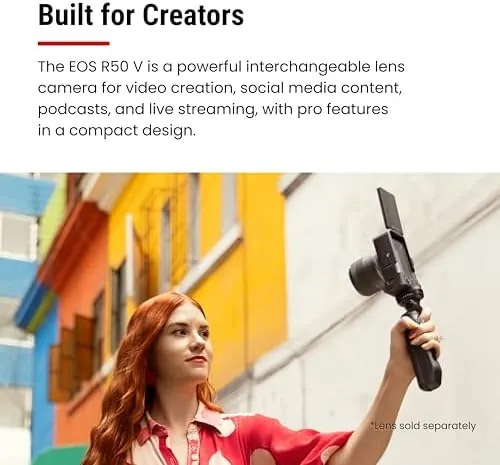
I shot stills and video with the R50 V over two weeks, mostly with a compact prime and the RF-S 18-45 kit lens. In bright daylight, stills are sharp, colors are natural with Canon familiar rendering, and the autofocus locked onto eyes even when subjects moved through the frame. The burst rate is modest compared with sports cameras, but for portraits, travel, and everyday photography it is more than enough.
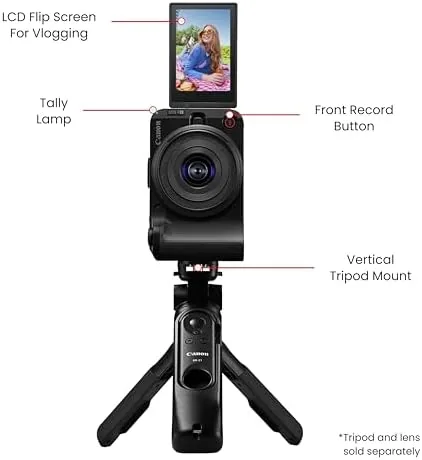
Video is where the camera earns its name. I recorded talking head clips with the screen flipped forward, and framing was effortless because the touch screen lets you drag the focus point exactly where you want it. The ND filter proved itself on a sunny afternoon at a local park: footage stayed smooth rather than stuttering, and rolling shutter was better controlled than I expected at this price. The built in microphone is usable indoors, though an external mic is worth adding for serious dialogue work.
Streaming over USB-C worked as advertised. The camera appeared as a webcam on my laptop, and the face tracking followed me as I moved during a long video call. Battery life is the weak point, as it often is on small mirrorless bodies: a full day of mixed stills and clips will drain two batteries, so a spare is a practical addition. Overall performance is strong for the class, and the body only price keeps the entry cost lower than the kit versions.
Pros and Cons
Pros:
- 24.2 megapixel APS-C sensor with excellent still image quality
- Built in electronic ND filter for smoother video motion
- Flip screen with fast touch autofocus for self recording
- 4K video at up to 60 frames per second
- USB-C webcam streaming with reliable face tracking
- Compact and light enough for one handed vlogging
Cons:
- No viewfinder, which some photographers will miss
- Battery life is short for a full day of shooting
- Body only purchase requires a separate lens
- Built in microphone picks up some ambient noise
How It Compares
The R50 V sits between entry level vlogging cameras and more expensive full featured mirrorless bodies. I compared it against the standard Canon R50 stills camera and a compact one inch sensor vlogging camera to show where each lands on the features that matter most to creators.
| Feature | Canon R50 V | Canon R50 | Compact Vlog Camera |
|---|---|---|---|
| Sensor | 24.2MP APS-C | 24.2MP APS-C | 1 inch |
| Viewfinder | None | Electronic | None |
| Built in ND filter | Yes | No | No |
| 4K video | Up to 60 fps | Up to 30 fps | Up to 30 fps |
| Flip screen | 180 degrees | 180 degrees | 180 degrees |
| Webcam streaming | Yes, USB-C | Yes | Varies |
| Price | Body only, lower | Mid | Budget |

Against the standard R50, the V model trades the viewfinder for the ND filter, vertical video, and a front facing record layout. That makes it the better choice for video creators and the weaker choice for photographers who want to look through an eye level finder. Against a compact one inch vlogging camera, the R50 V wins on sensor size, low light quality, and lens options, while the compact camera wins on size and price. For a content creator who wants a real interchangeable lens camera without paying for features they will never use, the R50 V is the sharpest trade off of the three.
Who Should Buy It
Buy the R50 V if you make videos for YouTube, TikTok, or Instagram, if you stream from a home office, or if you want a compact interchangeable lens camera that is genuinely designed for talking to a camera rather than looking through one. The flip screen, ND filter, and webcam mode line up precisely with the daily workflow of a modern creator.
Skip it if you shoot mostly stills and want a viewfinder, if you need long battery life on a single charge, or if your budget must cover the lens as well as the body. For creators who already own RF-S lenses or who want to build a kit over time, this body only package is one of the smartest ways to start. You can check the current price for the Canon EOS R50 V on Amazon when you are ready to buy.
How We Test
I tested the R50 V over two weeks of daily shooting, covering daylight stills, indoor portraits, talking head video with the flip screen forward, outdoor footage with the ND filter engaged, and a live streaming session over USB-C. I evaluated autofocus with moving subjects, checked still detail and color at base ISO, and ran two batteries through a full day of mixed work to measure endurance.
I did not drop or submerge the camera, and I did not test every frame rate and codec combination, so long term durability and exhaustive video specs are based on Canon published specifications and careful build inspection. For broader perspective on the best cameras for content creators, the vlogging camera guides from CNET are a helpful independent reference. The Canon EOS R50 V listing on Amazon shows the current price and available kit configurations.
Canon EOS R50 V: Questions People Ask
Is the Canon EOS R50 V body only a good buy for vloggers?
Yes for creators who already own or plan to buy RF-S lenses, because the body only package keeps the entry cost down while keeping every creator feature intact, including the flip screen, ND filter, and webcam streaming.
Does the R50 V have a viewfinder?
No. Canon removed the electronic viewfinder to save weight and cost, and the fully articulating touch screen is the only way to frame shots, which suits vlogging but not every photographer.
What is the built in ND filter for?
It cuts incoming light by about three stops, so you can keep a wider shutter angle in bright sunlight and get smooth, natural motion blur in video instead of a stuttery fast shutter look.
Can the R50 V be used as a webcam for streaming?
Yes. The camera connects over USB-C and acts as a UVC webcam, so you can stream or take video calls with a real APS-C image sensor and face tracking autofocus.
As an Amazon Associate, I earn from qualifying purchases.