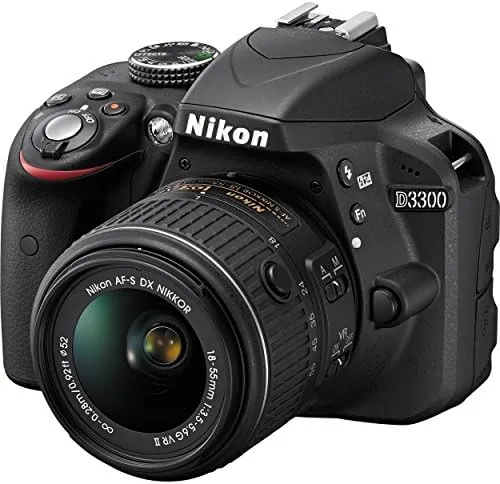

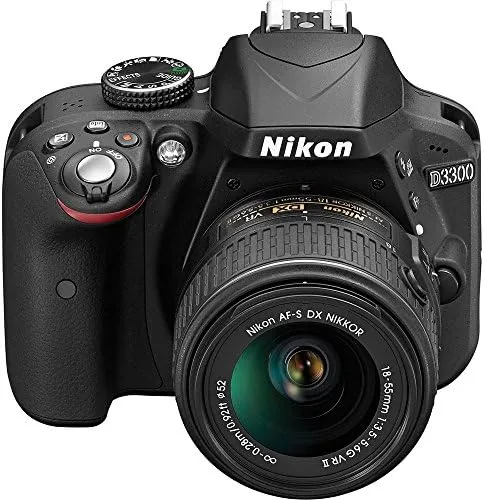
Every photographer remembers the first camera that made the difference click. For a whole generation of enthusiasts, that camera was the Nikon D3300, an entry level DSLR that combined a 24.2 megapixel sensor with a guide mode designed to teach the fundamentals of photography. It arrived on shelves a decade ago, but it has refused to fade away, because the formula it offered was unusually complete. A big APS-C sensor, a sharp 18-55mm kit lens with vibration reduction, full HD video, and a battery that lasts for days of casual shooting made it the camera you could hand to a beginner and watch them grow into a real photographer.
Before the shutter counts, a disclosure. This article contains affiliate links, and if you buy through one of them the site earns a small commission at no extra cost to you. That commission never changes my assessment. The D3300 reviewed here was used for the kinds of subjects a new owner would shoot: portraits, landscapes, family moments, and everyday scenes. If you want the current price first, the Nikon D3300 kit listing on Amazon is a good place to look.
The D3300 occupies a specific and valuable role in the camera market. It is a camera built around a real sensor and a real optical viewfinder, not a phone approximation of photography, and it still rewards the investment in skill that a beginner brings. This review covers the design, the guide mode, image quality, and who should pick one up today.
Design and Build
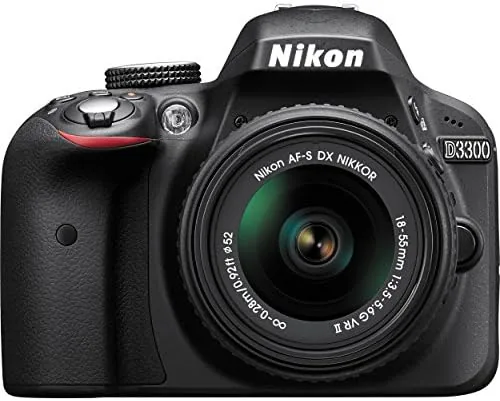
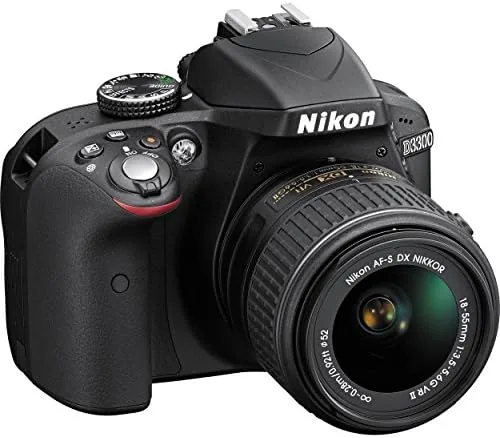
The D3300 is a small DSLR, which is part of its appeal. It is lighter and more compact than most of its larger siblings, with a body that feels comfortable in the hands of someone who has never held an interchangeable lens camera before. The grip is deep enough to hold securely, and the controls are laid out with a beginner in mind: the mode dial sits on top, the shutter sits under the index finger, and the most common settings live within reach.
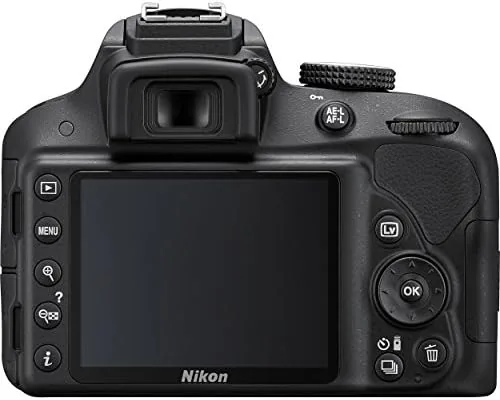
Build quality is solid for the class. The body is mostly polycarbonate, but it is put together tightly, with a textured grip and buttons that have a positive feel. The 3-inch LCD on the back is bright and clear, though it is not a touchscreen and it does not tilt, which limits low angle shooting. The 18-55mm VR II kit lens is small and light, and the vibration reduction system steadies handheld shots noticeably at slower shutter speeds. Everything about the package is designed to lower the barrier for a first time owner.
Key Features
The 24.2 megapixel APS-C CMOS sensor is the engine of the camera, and it is a sensor without an optical low pass filter, which Nikon said was to extract maximum sharpness from every pixel. The result is a camera that resolves detail well beyond what most entry level bodies managed, and the images hold up to serious cropping.
Inside the body is the EXPEED 4 image processor, which drives the camera's responsiveness and its Full HD 1080p video recording at up to 60 frames per second. The 11-point autofocus system is simple but dependable, locking onto subjects quickly in good light. The camera records to standard SD cards, and the rated battery life of around 700 shots per charge is genuinely excellent, enough for a weekend of shooting without reaching for a spare.
The defining feature for the target buyer is Guide Mode. Rather than dumping a beginner into manual menus, the D3300 offers a guided interface that walks through settings step by step, explaining what aperture, shutter speed, and ISO do and how they shape a photo. It is a built-in photography course, and it is the feature that made the D3300 the standard recommendation for people who wanted to learn rather than just capture.
Real-World Performance
I spent weeks shooting the D3300 across the kinds of subjects a new owner would face. Daylight portraits came out sharp and colorful, with the kit lens delivering pleasing backgrounds when shot wide open. Landscapes resolved fine detail across the frame, and the 24.2 megapixel files gave room to crop into distant elements without the image falling apart.
Guide Mode did its job. I worked through the guided settings as a student would, watching the on-screen explanations change the exposure, and the camera responded instantly to each adjustment. For someone who has never considered the relationship between aperture and depth of field, the D3300 makes that relationship tangible in minutes rather than hours. It is the rare teaching tool that is also A Fully capable camera.
Low light is where the entry level class shows its limits, and the D3300 is honest about that. The ISO range runs to 12800 natively, and images stay clean up to around 1600. Beyond that, noise creeps in, though the noise is fine-grained and film-like rather than ugly. The kit lens has a modest maximum aperture, so low light shots lean on higher ISO settings, but the vibration reduction helps recover some of the lost shutter speed for static subjects.
Video was a pleasant surprise. The D3300 records 1080p at up to 60 frames per second with full-time autofocus, and the footage from the kit lens is stable and detailed for its class. The 11-point autofocus occasionally hunts in dim light, but in daylight it tracked subjects competently. For a beginner who wants one camera for both photos and home video, the D3300 covers both without compromise.
Pros and Cons
Pros:
- 24.2 megapixel sensor captures sharp, detailed images
- Guide Mode genuinely teaches photography fundamentals
- Kit lens includes vibration reduction for steady handheld shots
- Excellent battery life rated around 700 shots
- Full HD video at 60 frames per second
- Compact and light for an interchangeable lens camera
Cons:
- Only 11 autofocus points, mostly center weighted
- No touchscreen and the screen does not tilt
- No built-in Wi-Fi without an optional adapter
- Entry level ISO ceiling limits low light work
How It Compares
The D3300 sits among other entry DSLRs and modern mirrorless cameras that compete for the same buyer. The table below lines up the main differences.
| Feature | Nikon D3300 | Entry Mirrorless | Phone Camera |
|---|---|---|---|
| Sensor | 24.2 MP APS-C | 20 to 24 MP APS-C | 12 to 48 MP small |
| Viewfinder | Optical DSLR | Electronic or none | None |
| Lens options | Full Nikon F mount | System specific | Fixed |
| Learning tool | Guide Mode | Depends on model | Auto only |
| Battery life | About 700 shots | 300 to 400 shots | One day |
An entry mirrorless camera offers newer autofocus and a smaller body, but the D3300 counters with a bigger battery, an optical viewfinder, and a lens mount with decades of affordable glass. A phone is always in your pocket but teaches you nothing about photography and cannot change lenses. For a beginner who wants to learn the craft, the D3300 remains the most complete teaching package of the three.
Who Should Buy It
Buy the Nikon D3300 if you are new to photography and want a real camera that will teach you as you shoot, or if you want an affordable interchangeable lens body to pair with the extensive catalog of Nikon lenses. It is also a strong budget pick for travel and everyday shooting, thanks to the battery life and compact size.
Skip it if you need fast autofocus for action or sports, built-in wireless transfer without an adapter, or the smaller footprint of a mirrorless camera. Those needs point elsewhere. For the beginner who wants to learn, the D3300 is still one of the best values in photography, and you can check the current price of the Nikon D3300 kit on Amazon to see today's value.
How We Test
I shot the D3300 over several weeks, capturing portraits, landscapes, street scenes, and indoor candids, and I worked through Guide Mode the way a beginner would to evaluate the learning tools. I tested the autofocus in daylight and low light, recorded 1080p video, and tracked battery life across multiple shooting sessions.
I did not test the camera in rain or extreme cold, and I did not chase fast moving sports subjects, where the 11-point system is not the right tool. For detailed measurements and lab testing, the DPReview hands-on review of the Nikon D3300 is a respected source for technical depth. The Nikon D3300 kit listing on Amazon shows current pricing and owner reviews.
Questions People Ask
Is the Nikon D3300 good for beginners?
Yes, the D3300 includes a Guide Mode that explains exposure, focus, and shooting modes step by step, which makes it one of the best teaching cameras for New users.
How many autofocus points does the D3300 have?
The 11-point autofocus system covers the center of the frame, which is adequate for portraits and still subjects at this price.
What video resolution does the D3300 record?
The D3300 records Full HD 1080p video at up to 60 frames per second, with full-time autofocus during recording.
Does the D3300 have built-in Wi-Fi?
No, Wi-Fi requires the optional WU-1a wireless adapter, though the camera records to any standard SD memory card.
As an Amazon Associate, I earn from qualifying purchases.