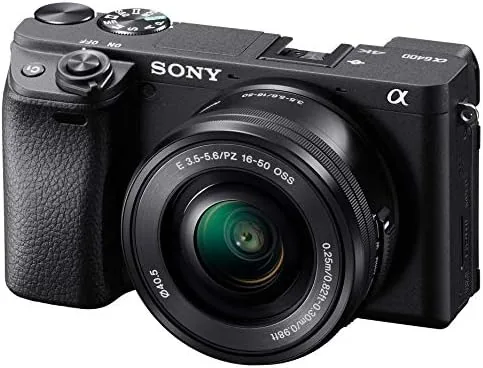

The Sony Alpha a6400 is one of those cameras that keeps appearing in recommendation threads even years after its release, and there is a reason for that. It packs a 24.2 megapixel APS-C sensor, real 4K video, and Sony's Real Time Eye Auto Focus into a compact body that fits in a small bag, and it does it at a price that undercuts most full frame rivals. I spent weeks shooting with the a6400 and its 16-50 millimeter kit lens across portraits, street scenes, video, and everyday life, and this review is the honest record of whether it still deserves the praise.
Before the details, the standard note. Some links in this article are affiliate links, and if you buy through them the site earns a small commission at no extra cost to you. That commission never changes what I recommend.
The a6400 is an E mount interchangeable lens camera, which means it sits in Sony's vast lens system with hundreds of compatible options, from compact primes to full size zooms. Bundled with the 16-50 millimeter power zoom lens, it is a complete kit out of the box, and its compact size makes it a natural choice for travel, street photography, and Vlogging.
Design and Build
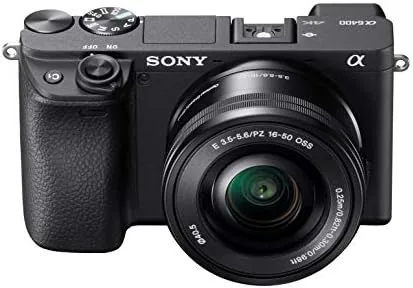
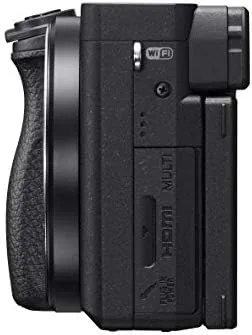
The camera body is small and well built, with a magnesium alloy frame that feels reassuringly solid despite its compact dimensions. The grip is a genuine one, with a shallow but comfortable handhold that keeps the camera steady, and the control layout is well thought out, with two custom buttons and a mode dial that are easy to reach with a single hand.

The defining physical feature is the flip up screen. It tilts 180 degrees to face forward for self recording and vlogging, and it is large and bright enough to compose from an awkward angle. The screen is touch enabled, which lets you tap to focus and set the focus point, though the menu system is still navigated with the physical buttons and dial. The camera is weather sealed to a degree, though Sony does not push it as a rugged body, so you will want to be careful in heavy rain.
Key Features
The headline feature is Real Time Eye Auto Focus. This is the autofocus technology that put Sony on the map, and it locks onto human and animal eyes with a speed and reliability that was genuinely class leading at the camera's release and still impresses today. Whether the subject is still, walking toward you, or moving quickly across the frame, the a6400 tracks the eye and keeps it sharp.
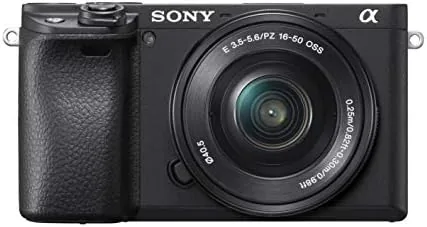
The sensor is a 24.2 megapixel APS-C Exmor chip paired with a BIONZ X processor, and the combination delivers sharp, detailed images with good dynamic range and clean high ISO performance. The 425 phase detection points cover nearly the entire frame, which means the autofocus works even at the edges of the image, and the continuous shooting speed of 11 frames per second with tracking is fast enough for action.
The video capability is the other pillar of the a6400. It records 4K video at up to 30 frames per second using the full width of the sensor, which produces a detailed image without the heavy cropping found on some rivals. There is also a 120 frames per second mode in 1080p for slow motion, a headphone jack for audio monitoring, and clean HDMI output for external recording.
Real-World Performance
Portraits were where the a6400 showed its best side. Real Time Eye AF locks onto a subject's eye almost instantly and holds it there as they move, which turns portrait photography into a simple act of composition rather than a battle with focus. The kit lens at its wide end is sharp enough for social media and prints, and the 24 megapixel files give you plenty of room to crop.
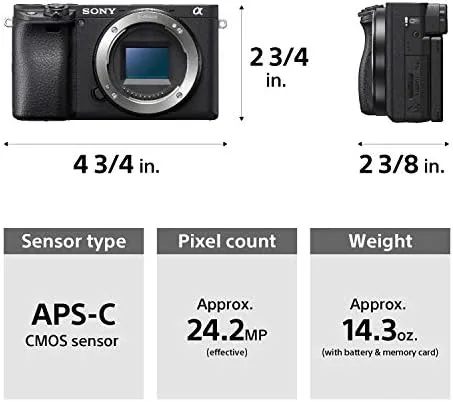
In the street and everyday photography, the compact size was a constant advantage. The a6400 with the kit lens fits in a small shoulder bag or even a large coat pocket, which means it goes where a bigger camera would stay home. The autofocus is fast and silent enough for candid shots, and the touch to focus lets you place the focus point quickly without diving into the menu.
Video was a pleasant surprise. The 4K image is sharp and the autofocus tracks subjects smoothly, which makes the a6400 a capable vlogging and content creation camera straight out of the box. The 180 degree Flip Screen makes self recording easy, and the Eye AF works during video, keeping a moving subject's eye in focus without hunting. The two honest complaints are the battery life, which is modest and will see you carrying a spare for a full day, and the lack of in body image stabilization, which means handheld video benefits from a gimbal or a stabilized lens. The 16-50 millimeter kit lens is a capable travel partner even if it is not the sharpest optic in the E mount lineup. It retracts to a small size when powered down, covers a useful range for landscapes and tight spaces, and its autofocus is quiet, which matters for video recording where lens hunting noise can ruin a clip. For the price of the bundle, it is a sensible first lens, and you can upgrade later without changing bodies.
Pros and Cons
Pros:
- Real Time Eye AF is fast and reliable for humans and animals
- Sharp 24.2 megapixel APS-C sensor with good low light
- Real 4K video with full sensor readout
- Compact, well built body that fits in a small bag
- 180 degree flip screen for vlogging and selfies
- Huge E mount lens ecosystem
Cons:
- No in body image stabilization
- Modest battery life, carry a spare
- Kit lens is decent but not exceptional
How It Compares
To put the a6400 in context, I compared it against two of its main rivals: the Fujifilm X-T30 and the Sony a6100. The table below shows how they differ.
| Feature | Sony a6400 | Fujifilm X-T30 | Sony a6100 |
|---|---|---|---|
| Sensor | 24.2 MP APS-C | 26.1 MP APS-C | 24.2 MP APS-C |
| Eye AF | Real Time, best in class | Good | Good |
| Video | 4K full width | 4K | 4K |
| Flip screen | 180 degrees | Tilt only | 180 degrees |
| Stabilization | None | None | None |
| Best for | Hybrid shooters | Color lovers | Budget buyers |
Against the Fujifilm X-T30, the a6400 wins on autofocus speed and video features, while the Fuji counters with better out of camera color and physical dials. Against the a6100, the a6400 justifies its higher price with the better viewfinder, weather sealing, and the full Real Time Eye AF for animals. For a hybrid shooter who wants one camera for photos and video, the a6400 is the stronger all rounder of the three. You can check the current price for the Sony Alpha a6400 kit on Amazon to judge the value.
Who Should Buy It
Buy the Sony Alpha a6400 if you want one compact camera that handles portraits, street photography, video, and vlogging without compromise, if you value autofocus that simply works, or if you are building into the Sony E mount system and want a body that will grow with your lens collection.
Skip it if you need in body stabilization, if you want a full frame sensor, or if your budget pushes you toward the a6100 and you do not need the extra features. For everyone else, the a6400 remains one of the best compact hybrid cameras you can buy, and the Eye AF alone is worth the price of admission. You can compare the price for the Sony a6400 on Amazon when you are ready.
How We Test
I shot with the Sony a6400 and the 16-50 millimeter kit lens over several weeks across portraits, street scenes, travel, and video. I tested the Real Time Eye AF with moving human and animal subjects, evaluated low light performance, and recorded 4K footage to check sharpness and autofocus tracking during video.
I also carried the camera daily to test portability and battery life in real use. For independent perspective on the camera, DPReview's full review of the Sony a6400 is an authoritative technical reference. The Sony a6400 listing on Amazon shows the current price and bundle options.
Questions People Ask
Is the Sony a6400 good for photography and video?
Yes, the 24.2 megapixel sensor delivers sharp photos and the camera records 4K video with full sensor readout, making it a strong hybrid option for both stills and video work.
How well does Real Time Eye AF work?
Real Time Eye AF locks onto human and animal eyes and tracks them reliably, which keeps portraits sharp even with subjects moving across the frame, and it works during video as well.
Do I need a stabilizer for video on the a6400?
The camera lacks in body image stabilization, so handheld video benefits from a gimbal or a stabilized lens for smooth, shake free footage, though static shots are fine on a tripod.
Is the flip up screen good for vlogging?
Yes, the 180 degree tilt screen faces forward for self recording, and the compact body plus Eye AF makes it a popular and capable choice for vloggers and content creators.
As an Amazon Associate, I earn from qualifying purchases.