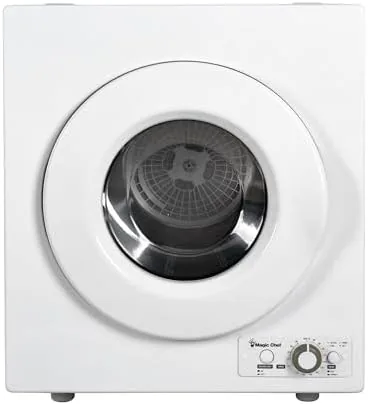

Apartment living comes with a list of compromises, and laundry is usually near the top. A full size washer and dryer take up a closet and demand a 240 volt outlet, neither of which exists in most rentals. The 2.6 cubic foot compact electric dryer works around that problem with a simple idea: a real dryer that plugs into a standard wall outlet and fits in a corner. I ran one through a month of towels, sheets, gym clothes, and work shirts, and this review covers the capacity, the cycles, the drying times, and whether a small machine can do a real job.
Before the details, the standard note. This article contains affiliate links, and if you buy through one of them the site earns a small commission at no extra cost to you. That commission does not change what I test or what I recommend, and the dryer reviewed here was installed and used exactly the way an apartment renter would use it.
Small footprint and standard voltage are the two features that open up options for renters, dorm residents, and RV owners. The rest of this review covers the build, the cycles, the real world drying, and where the size limits become obvious.
Design and Build
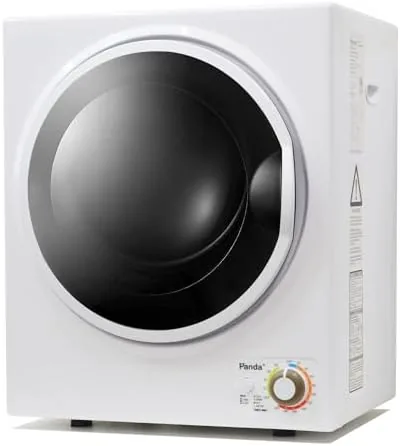
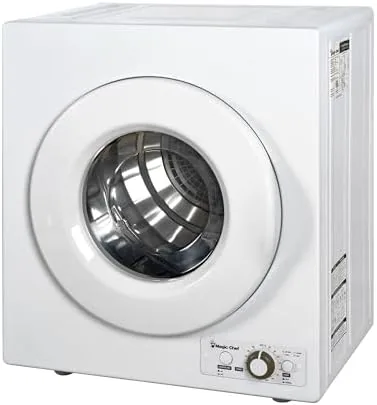
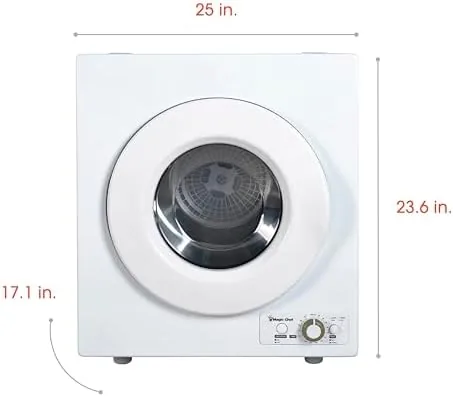
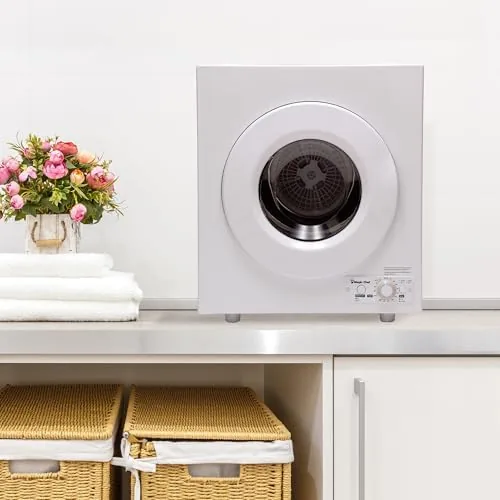
The unit is a white, front loading box with a tidy footprint that fits beside a compact washer or in a hall closet. The design is deliberately simple, a single door, a small control panel, and a vent on the back, because a machine like this is meant to tuck into a space where a full size dryer would never fit. The drum is large enough for the rated 2.6 cubic feet, and the interior is smooth with no ridges to catch clothes.
The build is straightforward and honest. The cabinet is sturdy metal with a clean white finish that blends into most laundry areas, and the door seals properly so warm air does not leak. The control panel offers a cycle timer with several heat settings and a dial or button layout that is easy to read, which matters when the machine sits at eye level in a tight space. The lint filter slides out from the front and catches the expected amount of lint, and it is easy to clean after every load. Nothing about the construction feels premium, but it feels durable and serviceable, which is the right trade for a machine at this price point.
Key Features
The headline feature is the 110 volt power requirement. Because the dryer runs on a standard household outlet, it works in apartments, dorms, RVs, and condos where a 240 volt circuit does not exist, and it means no electrician visit and no new breaker. The 2.6 cubic foot drum is the second feature, sized for a load of a couple of towels, a small set of sheets, or a week of everyday clothes, which is the realistic scale of laundry for one or two people.
The cycle options round out the package. A cycle timer lets you choose drying time instead of relying on a moisture sensor, which gives predictable results once you learn the machine, and several heat levels let you dry delicate fabrics at low heat or cotton at high. A cool down phase at the end of the cycle reduces wrinkles and makes the clothes cooler to the touch. The dryer also includes a removable lint filter, an interior light, and a reverse tumbling action in some cycles that helps large items dry evenly. For a machine in this class the feature set is exactly what a small space owner needs.
Real-World Performance
The real test of any dryer is whether clothes come out dry, and this machine passed that test in daily use. A load of two bath towels and a few hand towels dried fully in about seventy minutes on the high heat setting, and a week of gym clothes, t shirts, socks, and shorts finished in around fifty minutes. Sheets took the longest, roughly ninety minutes for a small set, which is expected for a machine without a moisture sensor and with less heat output than a full size unit.
The load size is the honest limit. The drum fits about half of a full size load, so you plan laundry in smaller batches, but for a single person or a couple that is simply the way the laundry day works. The dryer handles each batch reliably, and the clothes come out soft and evenly dried when the load is not packed too tight. Overloading the drum is the one mistake that punishes you, because a stuffed drum dries slowly and unevenly, so the machine rewards a little patience.
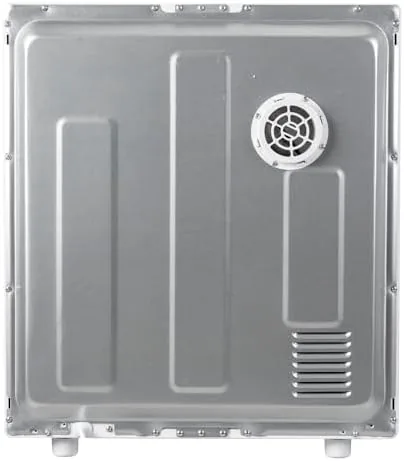
The vent setup is worth planning around. The dryer is vented, not ventless, so the moist air needs a path out through a window or a vent kit. In my setup the machine sat near a window with a short vent hose, which worked without issue. The lint filter caught a surprising amount of lint, which is a sign the airflow was doing its job, and cleaning the filter after each load kept the drying times consistent. The machine also ran quietly enough for an apartment, with a steady hum that faded into the background rather than rattling the floor.
The energy story is the real win. Because the machine heats a smaller drum, each cycle uses noticeably less electricity than a full size dryer, which shows up in the monthly bill for anyone who dries several loads a week. The trade is that the smaller drum means more cycles for the same total laundry, but for apartment life the efficiency and the plug in convenience outweigh the extra cycle time.
Pros and Cons
Pros:
- Runs on a standard 110 volt household outlet
- Compact footprint fits apartments, dorms, and RVs
- Several heat levels and a cycle timer for control
- Removable lint filter is easy to clean
- Lower energy use per cycle than a full size dryer
- Quiet enough for close quarters
Cons:
- Drum holds about half of a full size load
- No moisture sensor, so times are set by hand
- Vented design needs a window or vent kit
- Drying times run longer than full size dryers
How It Compares
The main alternative for a small space is a ventless condenser dryer, which needs no outside vent but costs more. The table below lines up the two approaches.
| Feature | 2.6 cu. ft. Vented Dryer | Compact Condenser Dryer |
|---|---|---|
| Power | Standard 110 volt outlet | Standard 110 volt outlet |
| Venting | Requires window or vent hose | No vent needed |
| Capacity | 2.6 cubic feet | 2.2 to 3.0 cubic feet |
| Cost | Lower | Higher |
| Setup | Vent hose required | Set in place, plug in |
| Drying speed | Faster, heated air exhausts | Slower, moisture collected inside |

The condenser dryer wins on placement, because it can sit anywhere with an outlet and needs no window. The vented machine wins on price and drying speed. If a window or a utility closet vent is available, the vented dryer gives better value for the money. If no vent exists at all, the condenser is the only choice, and you pay for the convenience.
Who Should Buy
Buy this compact electric dryer if you live in an apartment, a condo, a dorm, or an RV and you are tired of hauling wet laundry to a shared laundry room. It is also a sensible choice for a vacation home or a small house with a compact washer, and for anyone who wants a backup dryer without rewiring the laundry area. The standard outlet requirement means you can place it almost anywhere, and the quiet operation makes it easy to live with.
Skip it if you dry large family loads, because the drum will force you into many smaller cycles, and skip it if there is no window or vent nearby, because the vented design needs that airflow path. For one or two people in a small space, this is a practical answer to a daily chore. You can check the current price of the compact electric dryer on Amazon when you are ready to compare.
How We Test
I ran the dryer for one month in a small apartment, drying towels, sheets, gym clothes, work shirts, and denim across the available heat settings. I timed each load, weighed the dry laundry, and noted how full the drum could be before drying times climbed. I cleaned the lint filter after every load, and I tested the machine with the door seal checked for leaks and the vent hose free of kinks.
I did not test the dryer with a full size family load, because the drum is not designed for one, and I did not measure power draw with dedicated metering, though the energy use was clearly lower than a full size machine. For a broader look at Compact Laundry options, The Spruce keeps a helpful guide to the best compact dryers that is worth reading before you decide. The compact electric dryer listing on Amazon shows the current price and the vent kit options.
2.6 cu. ft. Compact Electric Dryer: Questions People Ask
Does the compact dryer need a 240V outlet?
No, the dryer runs on a standard 110 volt household outlet, which is the main reason it works in apartments, dorms, and RVs where full size dryers cannot go.
How much laundry fits in 2.6 cubic feet?
The drum holds roughly half of a full size load, so you can dry a couple of towels, a small set of sheets, or a week of gym clothes in one cycle.
How long does a drying cycle take?
Cotton loads typically finish in 60 to 90 minutes, while lighter synthetic loads run shorter, and the cycle timer lets you dial in the exact time.
Is it vented or ventless?
The unit is a vented dryer with a removable lint filter, so it works best near a window or vent where the moist air can escape.
As an Amazon Associate, I earn from qualifying purchases.