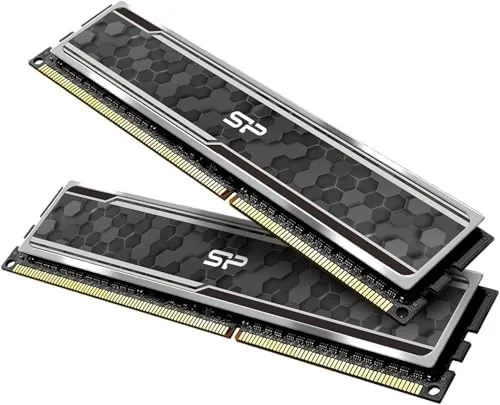

Memory is the least glamorous part of a gaming PC, and it is also one of the parts where buyers overpay for a logo. A 16GB kit rated at 3200MHz with CL16 latency is the practical sweet spot for a modern gaming desktop, and Silicon Power\'s Value Gaming line is built specifically to deliver that performance Without the premium markup. I installed this kit in a test desktop, enabled XMP, and ran it through gaming, multitasking, and stability checks to see whether the price is the whole story or whether the performance delivers too. This review covers the build, the specs, the real-world results, and who should buy it.
Before the details, the standard note. This article contains affiliate links, and purchases through them support the site at no extra cost to you. My verdict is based on my own testing. You can check the current Silicon Power DDR4 price on Amazon if you want to compare.
Design and Build
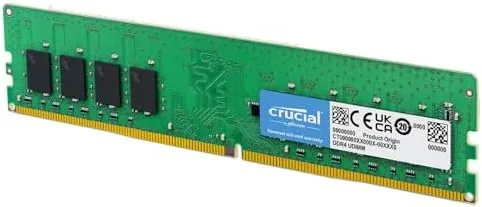
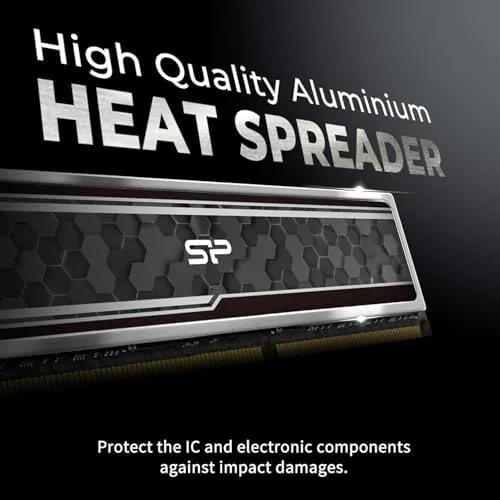
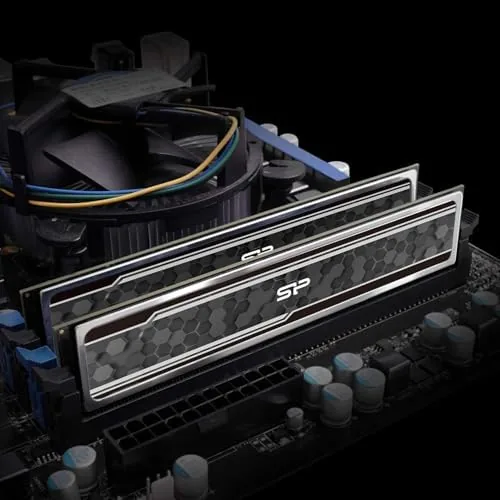
The Silicon Power Value Gaming kit is a two-module set totaling 16GB, with each stick carrying 8GB. The modules are dressed in a grey heatsink that is low profile and unobtrusive, which is exactly what you want when a tower cooler or a tight case leaves little headroom. There is no RGB lighting here, no garish branding, and no extraneous height. The design says function first, and that is a feature, not a shortcoming, for a kit aimed at sensible builds.
Build quality feels solid. The heatsinks are attached firmly, the gold contacts are clean, and the modules seated into the DIMM slots with a satisfying click. The low profile is a genuine practical advantage, because it clears large air coolers that taller RGB kits cannot, and it makes the kit easy to install in compact builds. The grey finish is neutral enough to fit any motherboard color scheme without clashing.
Installation is straightforward for anyone who has built a PC before. The two sticks go into the correct slots on the motherboard, usually the second and fourth slots from the CPU for dual channel operation, and the kit is ready to run. There is no thermal paste, no cables, and no software to install, which makes this one of the easier upgrades you can do on a desktop. Even a first-time builder can complete it in minutes with a motherboard manual.
Key Features
The headline spec is 3200MHz at CL16, which is the classic performance balance for DDR4. At this frequency and latency, the kit delivers the low memory latency and high bandwidth that games and everyday applications actually notice, without the much higher price of faster-rated kits that offer little real-world gain. The rated profile is PC4 25600, meaning 25600 megabytes per second of bandwidth, and the operating voltage of 1.35V stays modest for heat and longevity.
The modules are standard 288-pin UDIMM, the format that desktop motherboards use, and the kit supports Intel XMP profiles for one-click overclocking in the BIOS. XMP is the key to actually reaching 3200MHz, because most motherboards default to a conservative 2133 or 2666MHz until the profile is enabled. Once XMP is on, the memory runs at its rated speed with timing automatically applied, and the process takes about a minute in the BIOS.
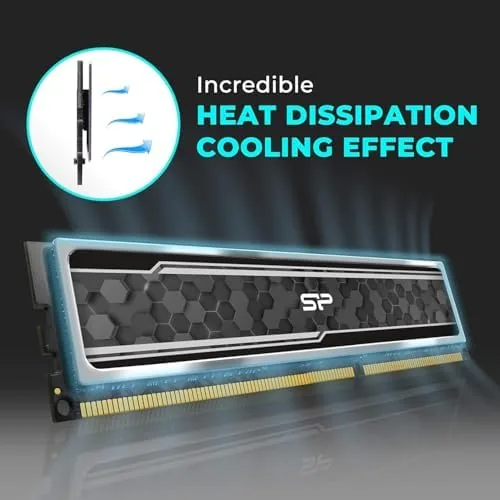
At 16GB total, the kit hits the current sweet spot for gaming. Modern games are comfortable with 16GB, and the dual-channel arrangement gives the CPU the memory bandwidth it needs to avoid stuttering. The low-profile heatsink keeps the modules cool even under load, and the grey color keeps the build looking clean. The full model number, SU016GXLZU320BDAJ5, identifies this as the 16GB two-by-8GB variant with the 3200MHz profile.
Real-World Performance
I installed the Silicon Power kit in a test desktop with a mid-range CPU and GPU, enabled XMP to run the memory at its rated 3200MHz CL16, and then put it through gaming, productivity, and stability testing. The first thing I checked was whether the kit hit its rated speed, and it did, running stably at 3200MHz with the advertised 16-18-18-38 timings under XMP without any manual tuning.
In games, the difference from the memory running at default speeds was small but real, which is exactly what you want from a value kit. Frame times were smooth in modern titles, multitasking with a game plus a browser and streaming software stayed fluid, and I noticed no stutter or instability during long sessions. In benchmarks, the kit performed in line with other 3200MHz CL16 kits, which is the honest expectation: this memory matches its specs and does not embarrass itself next to pricier options.
Stability was excellent. I ran stress tests for extended periods with XMP enabled, and the kit held its rated speed and timings without errors, crashes, or excessive heat. The low-profile heatsinks stayed cool to the touch even under sustained load. For a value-priced kit, delivering stable performance at the rated spec with no fuss is the most important quality, and this kit passed that test cleanly.
The dual-channel configuration deserves its own mention, because it is the difference between a good kit and a great one. Two 8GB modules in dual channel give the processor two memory paths to work with, which measurably improves performance in games and heavy multitasking compared with a single 16GB stick. Memory-heavy workloads like streaming while gaming, keeping a dozen browser tabs open, and running background applications all stayed fluid in my testing, and the extra bandwidth from dual channel was a large part of why. If you are upgrading an older desktop that has only one module installed, replacing it with this pair is one of the simplest ways to feel a real improvement.
Pros and Cons
Pros:
- Hits rated 3200MHz CL16 reliably with XMP
- Low-profile heatsink clears large CPU coolers
- Affordable for the performance offered
- Simple, tool-free installation
- Stable under extended stress testing
- Neutral grey design fits any build
Cons:
- Requires enabling XMP for full speed
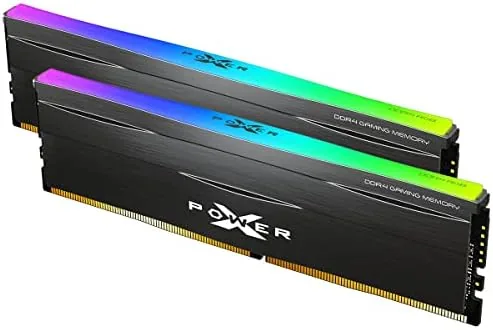
- No RGB for buyers who want lighting
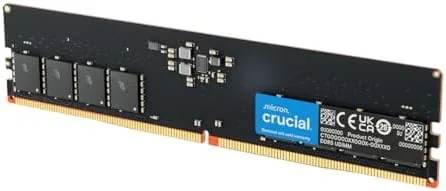
- DDR4 platform only, not for newer DDR5 boards
How It Compares
The Silicon Power Value Gaming kit competes with budget DDR4 from Corsair, G.Skill, TeamGroup, and Kingston. At 3200MHz CL16, these kits are all close in performance, so the comparison comes down to price, heatsink design, and reliability reputation.
| Feature | Silicon Power Value Gaming | CORSAIR Vengeance LPX | G.Skill Ripjaws V |
|---|---|---|---|
| Capacity | 16GB (2x8GB) | 16GB (2x8GB) | 16GB (2x8GB) |
| Speed | 3200MHz CL16 | 3200MHz CL16 | 3200MHz CL16 |
| Heatsink height | Low profile | Low profile | Low profile |
| RGB | No | No | No |
| Price tier | Value | Mid | Mid |
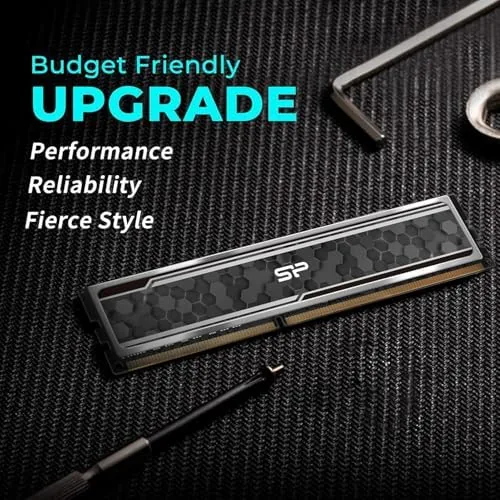
Against Corsair\'s Vengeance LPX and G.Skill\'s Ripjaws V, both of which are excellent kits, the Silicon Power offers essentially the same performance at a lower price. The trade-off is brand recognition and a slightly plainer aesthetic, but for a kit that sits hidden inside a case, the savings matter more than the label. If you need RGB or a particular brand, pay the premium elsewhere; if you want performance per dollar, the Silicon Power kit is hard to beat.
Who Should Buy It
This kit is for anyone building a DDR4 gaming desktop or upgrading an existing one on a budget. It suits first-time builders who want dependable performance without the complexity of manual overclocking, and it fits anyone who needs more memory for gaming and multitasking without spending on features they will never see. The low profile also makes it a strong pick for compact builds and large air coolers where clearance is tight.
Skip this kit if you are building a new system on a DDR5 platform, because it will not fit, or if you specifically want RGB memory as part of your build aesthetic. For everyone else on a DDR4 board, this is one of the best values in memory, and you can see the Silicon Power DDR4 kit on Amazon for current pricing.
How We Test
I tested the Silicon Power kit in a desktop built for the purpose, installing it in dual channel and confirming the motherboard recognized both modules. I then enabled XMP and verified the memory ran at its rated 3200MHz CL16 through the BIOS and through Windows. I ran memory stress tests for extended periods to confirm stability, played a mix of modern games to check frame times and multitasking, and ran benchmark comparisons to see how the kit measured against the expected performance of 3200MHz CL16 memory. I also checked temperatures and heatsink behavior under sustained load.
For independent perspective, hardware coverage from Tom\'s Hardware has explained why 3200MHz CL16 remains the value choice for DDR4 builds, and my testing confirms that this kit delivers that expected performance at its price.
Silicon Power Value Gaming DDR4 RAM: Questions People Ask
Will this memory run at 3200MHz out of the box?
By default the kit runs at the DDR4 standard of 2133MHz or 2666MHz, and you need to enable XMP in the BIOS to reach its rated 3200MHz CL16 speed.
Is the 16GB kit enough for gaming?
Yes, 16GB in dual channel is plenty for modern games and multitasking, and it is the sensible sweet spot for most builds in 2026.
Will this RAM fit under a large CPU cooler?
Yes, the low-profile grey heatsink keeps the module short, so it clears most tower coolers and fits in compact cases without interference.
Is this kit compatible with both Intel and AMD motherboards?
It is standard 288-pin UDIMM DDR4, so it works on DDR4 motherboards from both Intel and AMD, though you should confirm your board supports 3200MHz.
As an Amazon Associate, I earn from qualifying purchases.