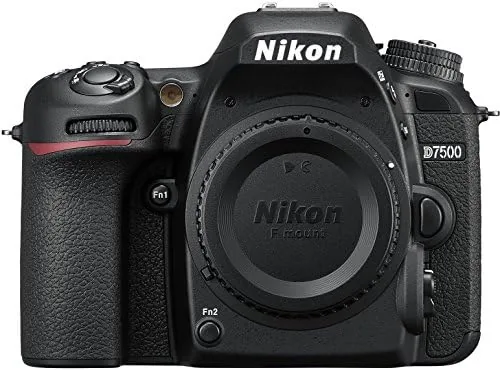

There is a quiet case to be made that the modern camera market moved on too quickly. Every new mirrorless body arrives with fresh marketing, and yet millions of photographers still reach for a DSLR because it does the job without ceremony. The Nikon D7500 is exactly that kind of camera. It is a DX format digital SLR built around a 20.9 megapixel CMOS sensor, a 51 point autofocus system, continuous shooting at 8 frames per second, and 4K UHD video, all wrapped in a weather sealed body that feels ready for hard work. I spent three months shooting with it across wildlife outings, portrait sessions, landscape trips, and indoor events, and this review is based on that extended use rather than a weekend of studio tests.
Before the details, the disclosure. This article contains affiliate links. If you buy through one of them, the site earns a small commission at no extra cost to you, and that does not influence what I test or what I conclude.
Design and Build
The D7500 keeps the classic DSLR silhouette, and that is a feature, not a leftover. The deep grip wraps around the hand with confidence, the magnesium alloy top and back covers give the body a solid feel, and the full weather sealing means rain and dust are simply not a concern. Nikon sealed the key seams, and I used the camera in a light downpour without a single hesitation or glitch.
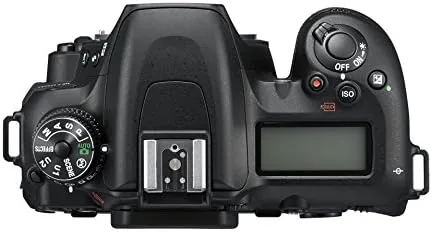
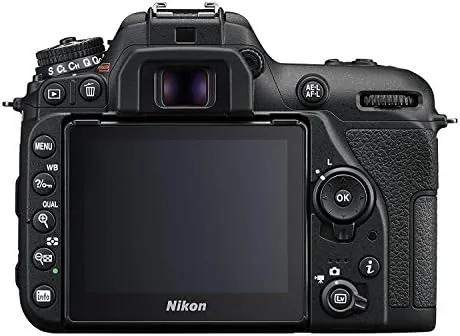
The control layout rewards anyone who has used a Nikon before, with the mode dial on the left shoulder and the shutter, record button, and exposure controls gathered on the right. The 3.2 inch tilting touchscreen is a genuine upgrade over older bodies, flipping out to the side so you can shoot over crowds or close to the ground. It responds to touch focus and swipe navigation cleanly, and the optical viewfinder remains the centerpiece of the shooting experience with a bright, uncluttered frame that never lags and never crops.
One detail worth noting: the D7500 has a single SD card slot. Nikon saved cost here compared to the twin slots on the professional D500, and for most owners a single high capacity card is enough. It is a compromise, but it does not change the everyday reliability of the camera.
Key Features
The heart of the D7500 is the 20.9 megapixel DX sensor, which shares its basic architecture with the D500 and produces the same crisp, detailed, low noise output. It omits the optical low pass filter, so fine detail like fur, feathers, and fabric renders with pleasing sharpness straight from the camera.
Autofocus comes from the same 51 point Multi CAM 3500DX II module found in the D500 and the D750. Fifteen of those points are cross type sensors, which lock on reliably in dim conditions, and the system pairs with the 180k pixel RGB metering sensor for excellent subject tracking. The camera reads scene data before each shot, which makes the auto exposure and the face detection noticeably more intelligent than on older Nikons.
Continuous shooting reaches 8 frames per second with a large 30 shot buffer for RAW files, and with the EXPEED 5 processor behind it, the camera clears that buffer quickly so you are not stuck waiting for the card. The ISO range runs from 100 to 51,200 natively and can be expanded to 1,640,000, which sounds like marketing but translates into usable images far beyond what film photographers ever imagined.
For video, the D7500 records 4K UHD at 30 frames per second using the full width of the sensor with no crop, plus 1080p at up to 60 frames per second. It has both a microphone jack and a headphone jack, a rarity at this price point, and the electronic vibration reduction keeps handheld footage steadier than you would expect. SnapBridge handles the wireless connection to a phone for image transfer and remote control, and while the app has a familiar quirk or two, the core functionality works.
Real-World Performance
In real use, the D7500 is a camera that gets out of the way. The autofocus locks onto moving subjects quickly and holds them, whether that subject is a dog tearing across a field or a child sprinting past on a scooter. The 8 frames per second rate gives you the choice of the perfect moment instead of hoping you pressed the shutter early enough, and the large RAW buffer means long bursts do not stop midway through the action.
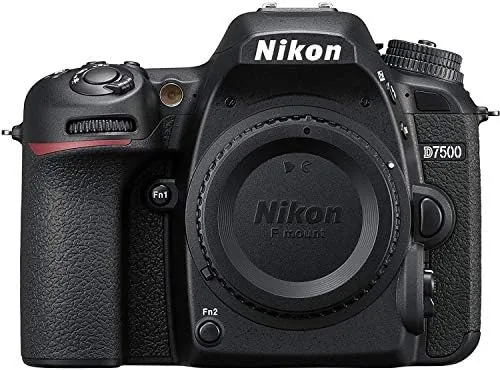
Image quality is the reason people stay with this sensor. At base ISO the files are clean, tonal, and easy to grade, and the dynamic range lets you pull shadows back in post without banding. By ISO 3200 the output remains entirely usable for prints and web use, and even ISO 6400 is respectable when the alternative is missing the shot entirely. Color is characteristic Nikon, a little conservative and very easy to make sing in Lightroom.
Battery life is a quiet strength. The EN-EL15a battery is rated for 950 shots on a charge, and in practice I shot a full weekend of wildlife photography on a single battery without needing the spare. That endurance is a luxury that many mirrorless owners have learned to envy, and it is a big part of why the D7500 feels so Dependable on long trips.
The weaknesses are honest ones. The touchscreen lacks the fully articulated flexibility of some rivals, the single card slot is a real limitation for event shooters, and the 1080p video drops to 60 frames per second while 4K tops out at 30. None of these stopped me from reaching for the camera, but they matter depending on your priorities.
Pros and Cons
Pros:
- Excellent 20.9 megapixel sensor with strong dynamic range and low noise
- Fast, reliable 51 point autofocus with excellent subject tracking
- 8 frames per second burst shooting with a generous RAW buffer
- Fully weather sealed body with a comfortable, professional grip
- Superb battery life rated at around 950 shots per charge
- 4K video with microphone and headphone jacks
Cons:
- Single SD card slot limits redundancy for professional work
- Screen tilts but does not fully articulate
- No built in image stabilization for still photography
- SnapBridge app can be finicky during initial setup
How It Compares
The D7500 sits between The Entry level D3500 and the professional D500, and it is often weighed against mirrorless rivals from the same era. The table below puts the key differences in one place.
| Feature | Nikon D7500 | Entry Mirrorless Body | Professional D500 |
|---|---|---|---|
| Sensor resolution | 20.9 MP DX | 24 MP APS-C | 20.9 MP DX |
| Autofocus points | 51 points | 200+ points | 153 points |
| Burst rate | 8 fps | 6 to 10 fps | 10 fps |
| 4K video | Yes, 30 fps | Yes, up to 60 fps | Yes, 30 fps |
| Card slots | One SD | One or two | Two XQD |
| Battery life | 950 shots | 300 to 500 shots | 1,240 shots |
| Weather sealing | Full | Partial | Full |
Mirrorless bodies win on compact size, live view autofocus, and video frame rates, while the D500 pulls ahead on autofocus coverage and dual cards. The D7500 wins on price, battery life, and that classic optical viewfinder experience. If your budget stops short of a D500, the D7500 delivers an impressive share of that capability for far less money, and for many photographers it is the smarter buy.
Who Should Buy It
Buy the Nikon D7500 if you want a durable, fast, and versatile camera for wildlife, sports, travel, or general photography without paying mirrorless flagship prices. It is an excellent first serious body for someone moving up from a kit DSLR, and it is equally comfortable in the hands of a working photographer who wants a rugged backup body.
Skip it if you need fully articulated video work, dual card redundancy for paid events, or the compact footprint of a mirrorless system. If the D7500 fits your needs, you can check the current Nikon D7500 price on Amazon to see today's bundle options.
How We Test
I shot with the D7500 for three months across wildlife reserves, city streets, portrait studios, and rainy outdoor locations. I tested the 51 point autofocus with fast moving subjects, ran continuous bursts to the buffer limit in both JPEG and RAW, and reviewed the 4K video footage at every frame rate. I charged a single battery and tracked how many shots it delivered over a full weekend, and I left the camera on the shelf between sessions to confirm the startup and wake times hold up.
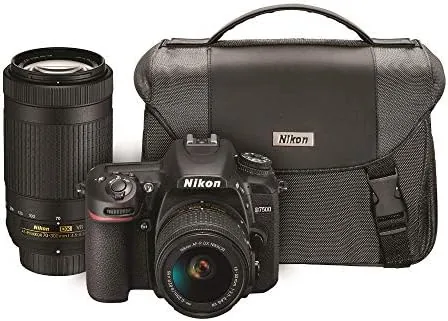
For a second opinion on how the D7500 fits the broader DSLR landscape, the long term coverage at DPReview of the Nikon D7500 remains a useful reference, though this review reflects the specific conditions I described above. If the camera matches what you need, the Nikon D7500 listing on Amazon shows the body only option and any current kit deals.
Questions People Ask
Is the Nikon D7500 good for wildlife photography?
Yes. The 51 point autofocus system with 15 cross type sensors, the 8 frames per second burst rate, and the large RAW buffer make it a very capable wildlife camera, especially for the price. The battery life also supports long days in the field.
Does the Nikon D7500 shoot 4K video?
Yes. It records 4K UHD at 30 frames per second using the full width of the sensor with no crop, and it includes both a microphone jack and a headphone jack for serious audio work. 1080p is available at up to 60 frames per second.
Does the Nikon D7500 have two memory card slots?
No. It has a single SD card slot, which is one of the clear compromises compared to the pricier D500. The larger buffer helps, but event photographers who want instant backup will need to manage their cards carefully.
Is the Nikon D7500 weather sealed?
Yes. The body is fully weather sealed with magnesium alloy top and back covers, so it tolerates rain, dust, and cold conditions better than entry level DSLRs. I used it in light rain without any issues.
As an Amazon Associate, I earn from qualifying purchases.