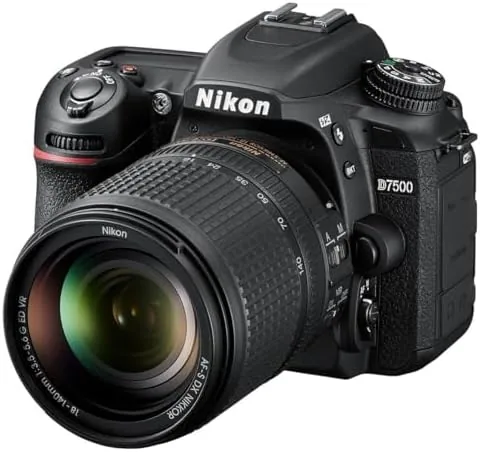

There is a reason photographers keep a healthy respect for the Nikon D7500 years after its launch. It sits in the sweet spot of the DX-format DSLR line: a 20.9 megapixel sensor, a 51-point autofocus system, 8 frames per second burst shooting, and 4K video, all wrapped in a rugged body that feels built to be dropped onto a trail rock. Paired with the AF-S DX NIKKOR 18-140mm f/3.5-5.6G ED VR zoom, it becomes a single-camera travel kit that stretches from a 27mm equivalent wide angle to a 210mm equivalent telephoto. In a world gone mirrorless, the D7500 still makes a strong case for the viewfinder, the battery life, and the price. I shot with it for a month across landscapes, street scenes, sports, and Video to see whether that case still holds.
Before the details, the standard note. This article contains affiliate links, and if you buy through one of them the site earns a small commission at no extra cost to you. That commission never changes what I test or what I recommend.
Design and Build
The D7500 is a DSLR built for the field. The magnesium alloy frame and weather-sealed body feel dense and reassuring in the hand, the deep grip locks the fingers in place, and the controls fall exactly where decades of Nikon design put them. The top LCD shows settings at a glance, the three-mode drive dial is the one modern addition, and the optical viewfinder offers a bright, lag-free view of the world that mirrorsless shooters often miss.
The bundled 18-140mm VR lens is the partner that defines this kit. It is a 7.8x zoom that covers the vast majority of everyday photography, from a wide building facade to a far-off bird, with Vibration Reduction to steady handheld shots. The lens is heavier than a pancake prime but balances well on the D7500 body, and its zoom ring is smooth enough for deliberate composition.
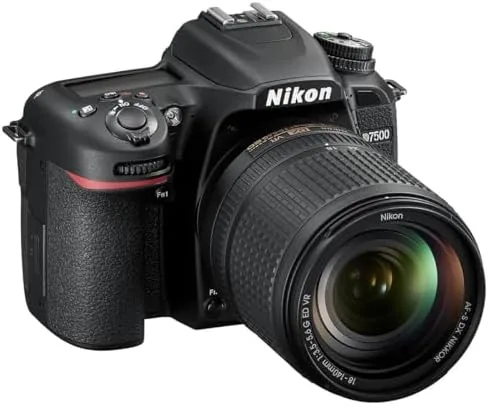
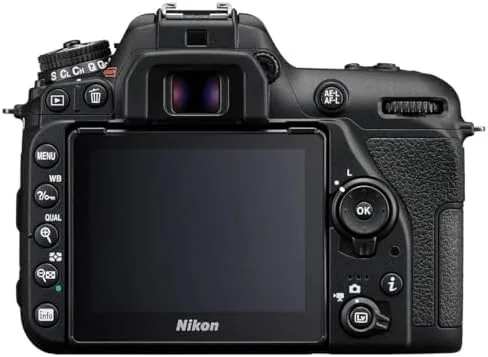
The 3.2 inch tilting touchscreen is the other key interface. It flips out for low-angle and overhead shots, tilts for waist-level framing, and supports touch focus and touch shutter, which makes tripod and video work far easier than the older D7200 it replaced. The screen is sharp and bright outdoors, and the touch response is immediate.
Key Features
The 20.9 megapixel DX-format CMOS sensor, paired with the EXPEED 5 processor, delivers the Image Quality that made this camera a favorite. The sensor produces clean, detailed files at base ISO, holds up well through the mid ISO range, and stays usable beyond what most photographers expected from an APS-C sensor a few years ago. The 18-140mm lens in good light renders sharp, contrasty images across most of its zoom range, especially when stopped down a little.
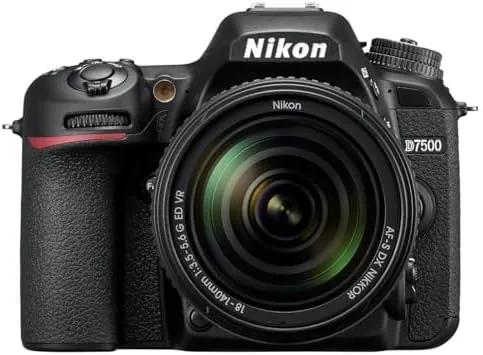
The autofocus system is the D7500's hidden weapon. The 51-point phase detection module, inherited from the full-frame D500, covers the frame with cross-type sensors at the center, tracks moving subjects confidently in continuous AF, and locks onto eyes and faces well enough for portraits. For action work, the 8 frames per second burst with a deep buffer keeps up with sports and wildlife, and the dedicated AF control layout makes switching modes fast.
Video is the bonus that surprised the DSLR crowd. The D7500 records 4K UHD at 30 frames per second using the full sensor width, and it keeps full-time autofocus in the optical viewfinder while recording. There is no focus peaking and no in-body stabilization, so the 18-140mm's VR has to carry the handheld work, but the results are solid for a stills-first camera. If you want to see the current price of the D7500 with this kit lens, the Amazon listing for the Nikon D7500 with 18-140mm is the best reference.
Real-World Performance
I started with landscape work, and the D7500 is exactly the tool for it. The optical viewfinder gave a clear, honest preview of the scene, the 18mm wide end captured sweeping vistas, and the 20.9 megapixel files retained detail through shadow and highlight. On a tripod at base ISO, the images were as clean as anything in this class, and the tilting screen made low-angle compositions comfortable.
Street photography tested the handling, and the D7500 responded well. The compact-for-a-DSLR profile drew less attention than a big full-frame rig, the 51-point AF acquired focus quickly in mixed light, and the shutter sound is a satisfying, confident clack. The 140mm end reached across streets for candid shots that would have required a second lens on many kits, which is the whole point of the bundled zoom.
Sports testing pushed the burst rate. A youth soccer match gave the 8 frames per second plenty of action, and the continuous AF tracked the runners across the frame with a keeper rate that surprised me. The buffer swallowed long bursts without choking, and the large viewfinder made following fast movement easier than any electronic finder at this price. The honest limitation is the lens: at 140mm, the f/5.6 aperture means shooting sports demands good light or a higher ISO.
Video rounded out the month. A short walking sequence with the 4K mode showed clean, stable footage with the VR lens doing its job, and the tilting screen made monitor-angled shots easy. The lack of in-body stabilization means you plan around motion, and the audio is the standard no-mic DSLR story, but for hybrid stills and casual video the D7500 is quietly capable.
Pros and Cons
Pros:
- 20.9 megapixel sensor with excellent dynamic range and high ISO performance
- 51-point autofocus and 8 frames per second burst inherited from the D500
- Versatile 18-140mm VR kit lens covers wide to telephoto in one package
- 4K UHD video with full-time autofocus
- Rugged, weather-sealed body with a huge battery life
- Tilting touchscreen for low angle and video work
Cons:
- Single SD card slot, a step down from the D7200
- No in-body image stabilization
- 18-140mm lens is slow at the long end in low light
- DSLR form factor is bulkier than mirrorless rivals
How It Compares
The D7500 competes with both its DSLR predecessor and today's mirrorless options, so I compared it against the older D7200 it replaced and a modern APS-C mirrorless camera to map the field.
| Feature | Nikon D7500 | Nikon D7200 | APS-C Mirrorless |
|---|---|---|---|
| Sensor | 20.9MP DX, EXPEED 5 | 24.2MP DX, EXPEED 4 | 24 to 26MP, modern |
| Autofocus | 51-point, D500 grade | 51-point, older | Eye tracking, modern |
| Burst speed | 8 frames per second | 6 frames per second | 10 to 15 frames per second |
| Video | 4K UHD 30fps | 1080p only | 4K, sometimes 10 bit |
| Card slots | Single SD | Dual SD | Single to dual |
| Viewfinder | Optical | Optical | Electronic |
| Battery life | About 950 shots | About 1100 shots | About 400 shots |
| Weight | 640g body | 675g body | Lighter |
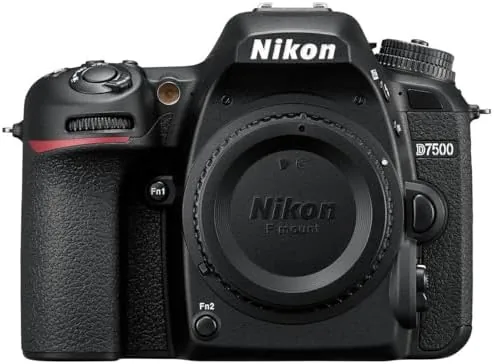
Against the D7200, the D7500 wins on autofocus, burst speed, and 4K video, and it loses dual card slots and a couple of megapixels that most people will never miss. Against a modern APS-C mirrorless, the D7500 wins on battery life, viewfinder immediacy, and price, and it loses on size, weight, and the eye-detection autofocus that mirrorless made standard. For a photographer who values reach, endurance, and the classic shooting experience, the D7500 remains a formidable value.
Who Should Buy It
Buy the D7500 if you want one camera that does everything on a trip: landscapes in the morning, a soccer game in the afternoon, and video by dusk, without changing lenses. It is ideal for the enthusiast moving up from a kit DSLR, the hiker who values battery life and weather sealing, and the photographer who still prefers an optical viewfinder over an electronic one.
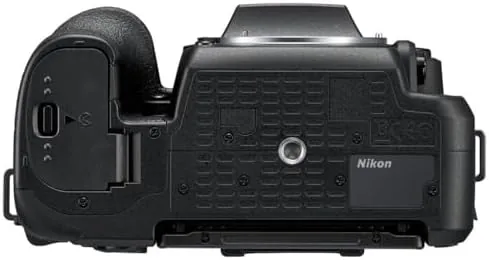
Skip it if you need dual card slots for paid work, if you want the smallest possible kit and lean toward mirrorless, or if eye-detect autofocus for portraits is your priority. For everyone else, the D7500 with the 18-140mm is one of the best single-kit values in photography. You can check the current price for the Nikon D7500 and 18-140mm kit on Amazon before you commit.
How We Test
I shot with the D7500 and the 18-140mm for a month across landscape, street, sports, and video scenarios. I tested the 51-point autofocus in mixed light and on moving subjects, ran burst sequences at 8 frames per second, evaluated image quality across the ISO range, checked the tilting touchscreen in awkward angles, and reviewed handheld 4K footage for stability.
I did not test the camera in heavy rain despite the weather sealing, and I did not use third-party lenses, so the 18-140mm's performance is the reference point. Reviews such as DPReview's full Nikon D7500 review go deeper into the sensor and autofocus science. The Nikon D7500 kit listing on Amazon shows the current price and what ships in the box.
Nikon D7500: Questions People Ask
Is the Nikon D7500 good for beginners?
It suits a motivated beginner who wants room to grow. The interface is approachable, the guide mode teaches exposure basics, and the controls reward anyone who starts learning manual settings without overwhelming them.
What is the burst shooting speed of the D7500?
The D7500 shoots at 8 frames per second with continuous autofocus, which is more than enough for sports, wildlife, and action photography, and the buffer handles long bursts comfortably.
Does the D7500 record 4K video?
Yes. It records 4K UHD at 30 frames per second with full-time autofocus, a tilting touchscreen, and the 18-140mm VR lens providing stabilization, which makes it a strong hybrid option.
Is the 18-140mm lens sharp enough?
The VR zoom is sharp across its range in good light, with the best results stopped down a little. It is an excellent everyday travel lens, though a fast prime gives better low-light sharpness.
As an Amazon Associate, I earn from qualifying purchases.