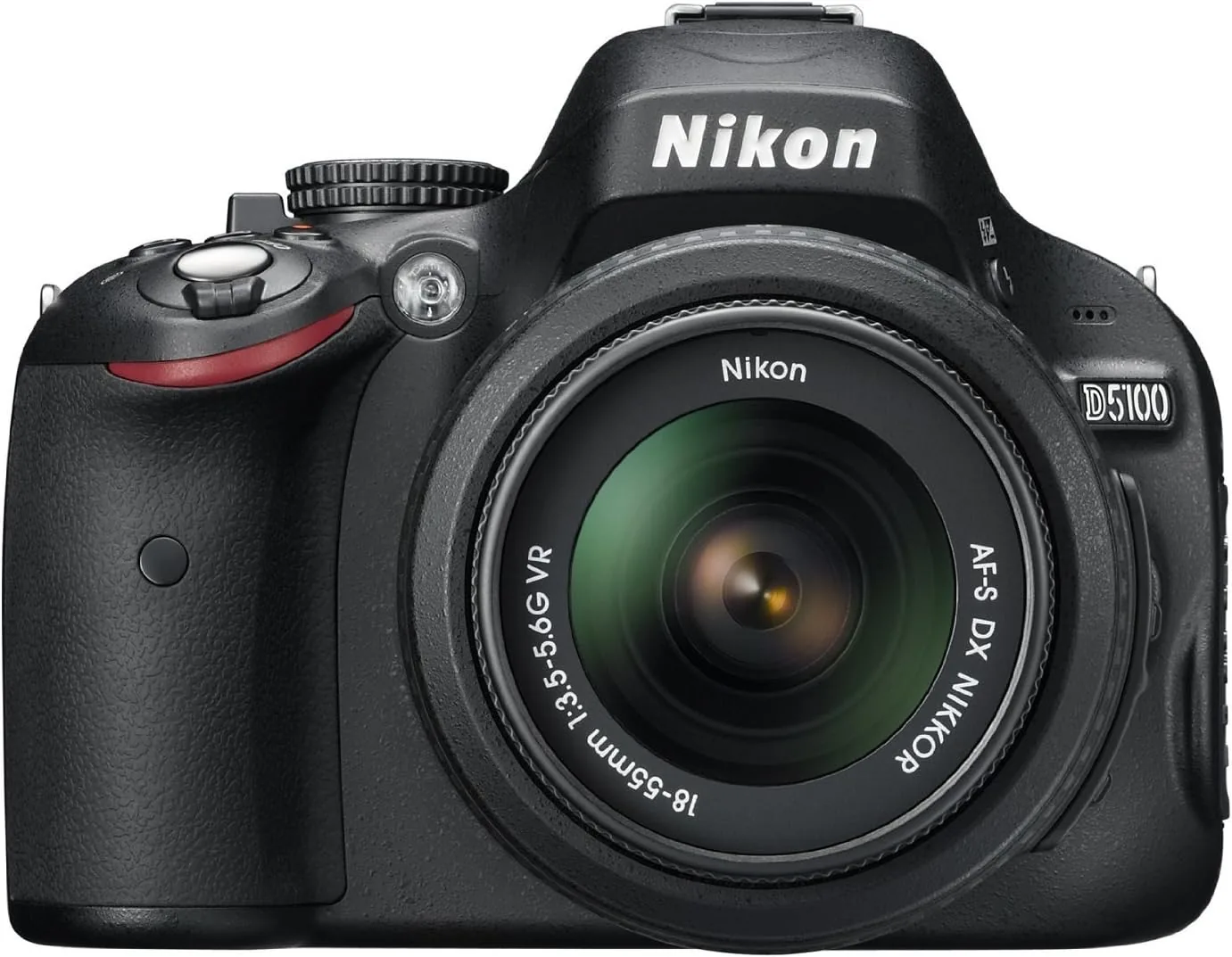

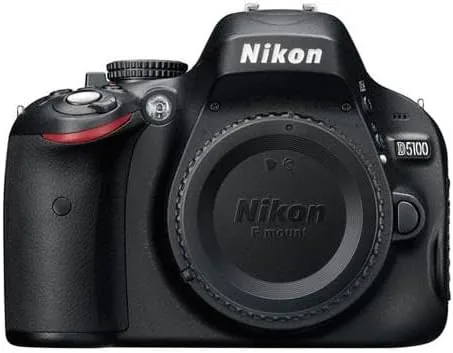
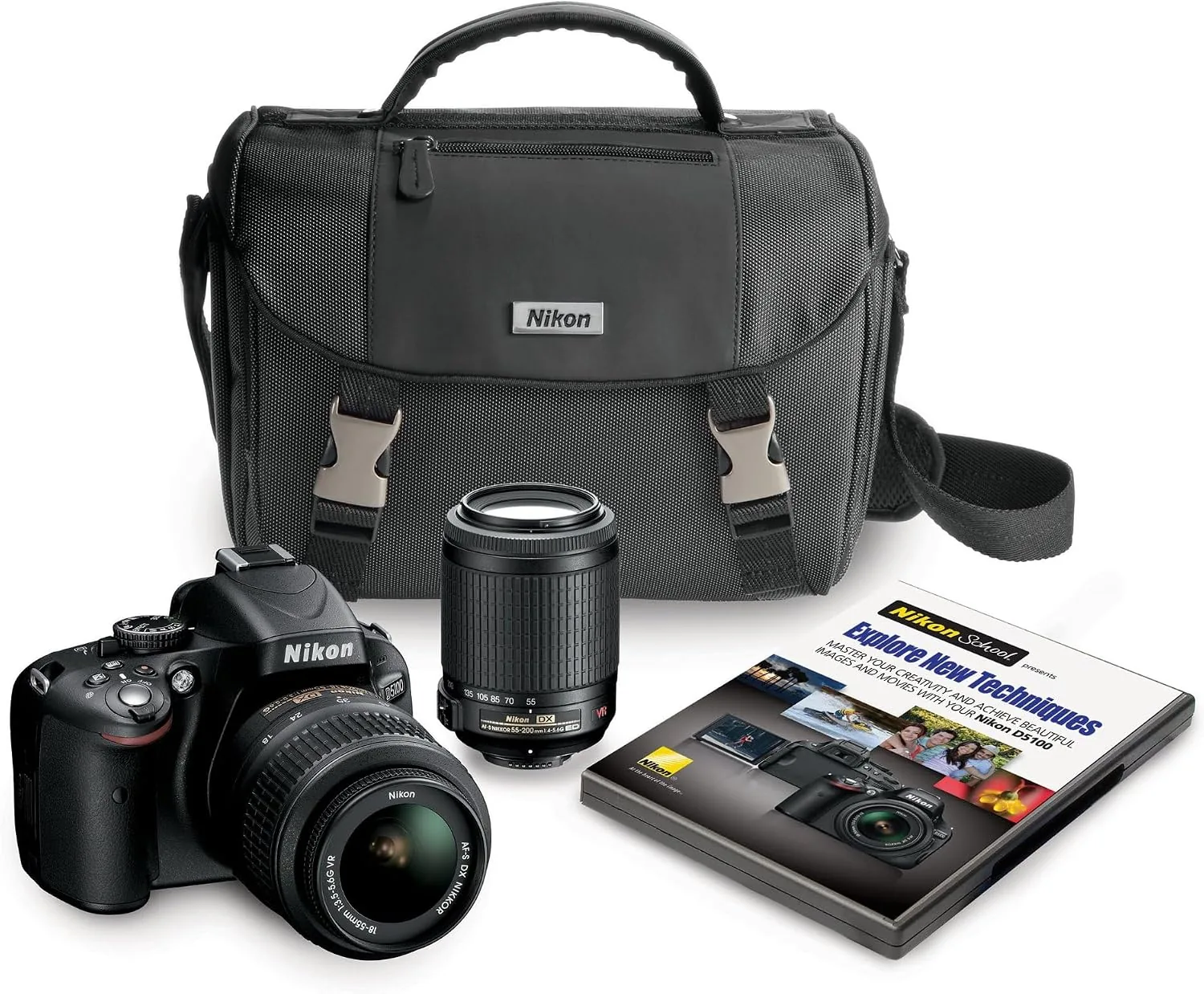
The camera market moves fast, and last generation's DSLR can feel ancient next to a new mirrorless body. But there is a category where an older camera still makes sense: the first DSLR, bought on a budget by someone who wants to learn photography properly. The Nikon D5100 is exactly that camera. Launched years ago with a 16.2 megapixel sensor, a flip out vari-angle screen, and 1080p video, it has since become a fixture of the used market and the beginner shelf. I spent weeks shooting with the D5100 and its 18-55mm f/3.5-5.6 AF-S DX VR kit lens to find out whether it still earns its reputation as one of the best starter DSLRs ever made.
Before the details, the standard note: this article contains affiliate links, and if you buy through one of them the site earns a small commission at no extra cost to you. That never changes what I photograph or how I review the results.
Design and Build
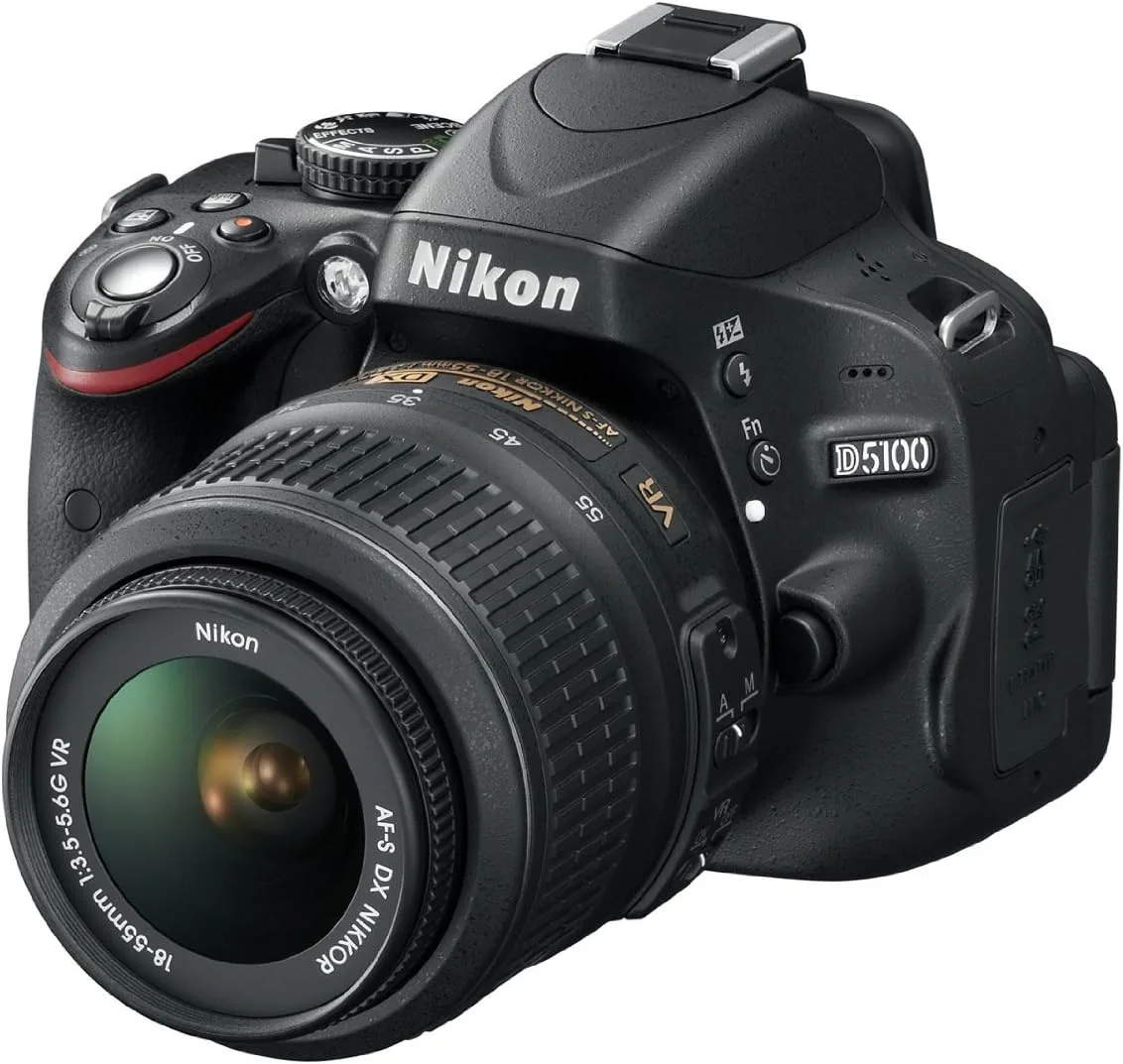
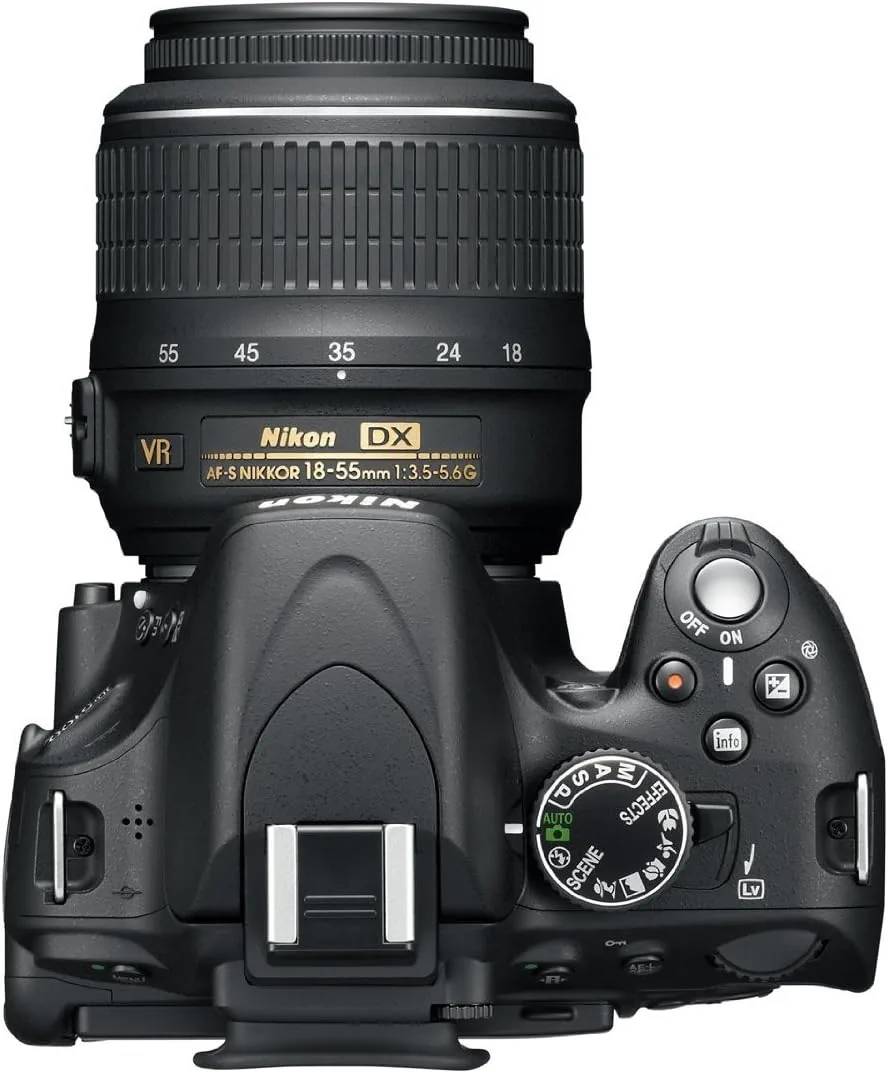
The D5100 is a solid, comfortable camera that gets the basics right. The body is compact for a DSLR, with a deep, comfortable grip that holds well in one hand, and the weight feels substantial without being heavy. The buttons and dials are laid out for learning: a mode dial on top with full auto and scene modes, a live view button, and a dedicated video record button next to the shutter. The build quality is properly Nikon, with a solid feel and controls that have survived well in the years since this body was new.
The defining design feature is the vari-angle screen. The 3 inch LCD flips out from the body and rotates on a side hinge, which is the feature that makes the D5100 stand out from its peers. You can face the screen toward you for self portraits, tilt it low for ground level shots, or angle it high above your head, all without crouching or guessing. For a beginner camera it is a genuinely useful design, and it is one of the reasons this model has aged so well.
Key Features
At the heart of the D5100 is a 16.2 megapixel DX format CMOS sensor, and it is a genuinely good sensor. It delivers sharp, well detailed images with accurate color, and it keeps noise under control up to high ISO settings, which is the spec that matters most for a beginner shooting in everyday light. The EXPEED 2 image processor behind it handles the images quickly and keeps the camera responsive for a body in this class.
The 18-55mm AF-S DX VR kit lens is the other half of the package. The VR in the name stands for Vibration Reduction, Nikon's image stabilization, and it lets you hand hold sharp shots in lower light than you would expect. The lens covers the classic zoom range from a true wide angle to a modest telephoto, which teaches the fundamentals of framing, and its autofocus is fast and quiet. For a first lens it is the right place to start.
The camera also brings features that were impressive at launch and remain useful now. The 11 point autofocus system is quick and dependable for static and slow moving subjects. The 4 frames per second burst rate is enough for action basics. Full 1080p HD video recording comes with manual control, and the vari-angle screen makes it workable. There is also an in camera HDR mode and a set of creative effects for New Photographers who want to experiment without post processing.
Real-World Performance
I shot the D5100 in the situations a beginner actually faces: daylight street scenes, indoor family moments, low light evenings, and portraits. In good light the camera produced sharp, well exposed images straight out of the camera, with colors that look natural and detail that holds up on screen and in print. The kit lens kept up, and the autofocus locked on quickly and quietly for everyday subjects. It is exactly the dependable performance a first DSLR should deliver.
The low light performance is where this sensor shows its age and still holds up. At high ISO settings the images stay usable and clean enough for sharing, with noise that becomes visible but never destructive. The VR in the kit lens bought me an extra couple of stops of hand held stability, which meant indoor shots came out sharp when a non stabilized lens would have given me blur. For a camera from this generation, the low light ability is a genuine strength.
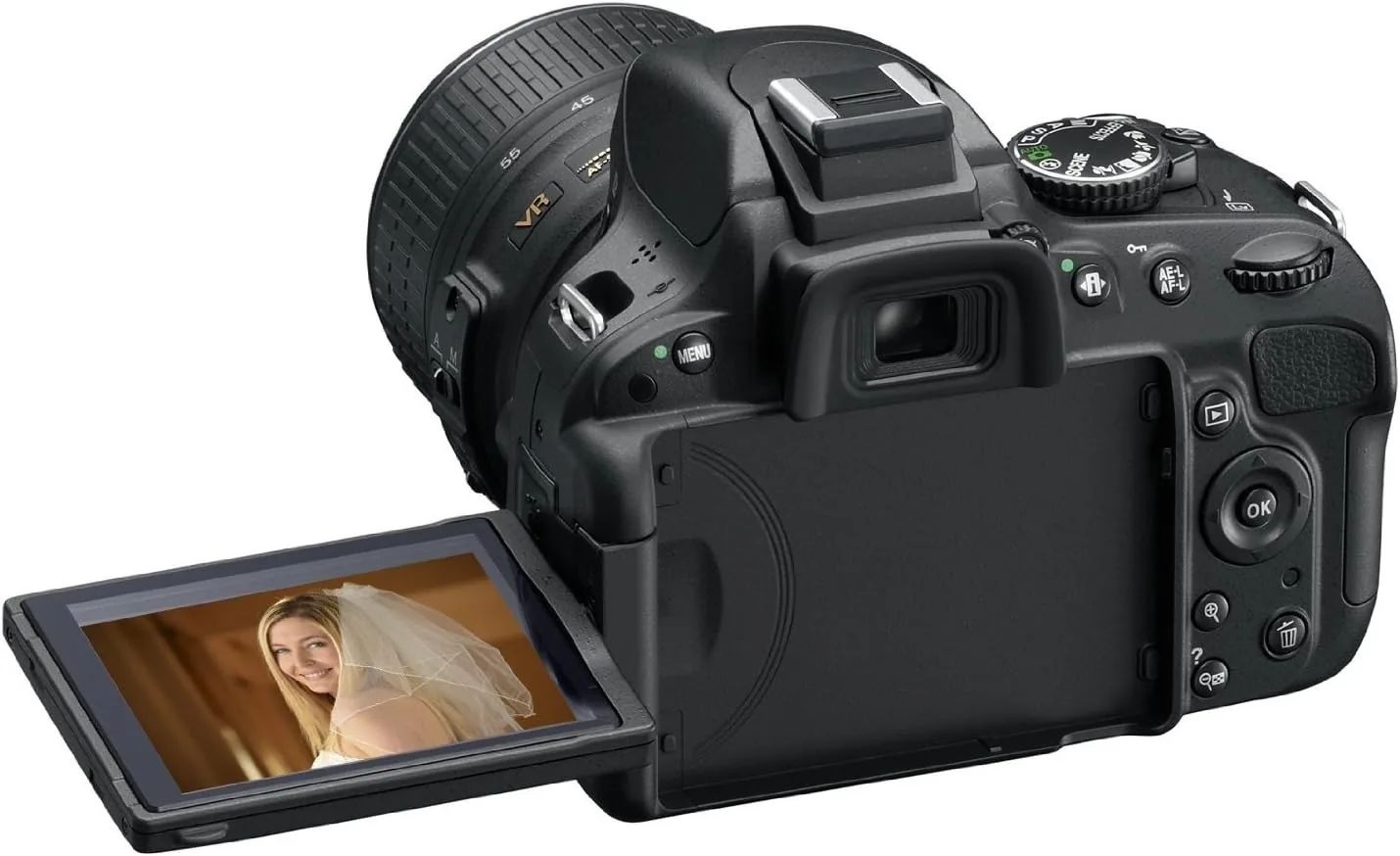
The vari-angle screen earned its keep immediately. I used it flipped low for a shot of a child's toy on the floor, tilted high for a crowded event, and faced forward for a self portrait, all without crouching or guessing at the frame. Video was just as easy, with the screen angled to see what the camera was seeing while I held it in an odd position. It is the kind of feature you do not appreciate until you have it, and it makes the camera more fun to use.
The honest limitations are the ones you expect from a camera of this era. The 11 point autofocus will not track fast moving sports subjects the way modern systems do. The kit lens is a solid starter but not a sharpness showcase, and serious shooters will want to upgrade glass. Video autofocus hunts a little when the subject moves. None of these stop a beginner from learning, and they all sit behind the camera's genuine strengths.
Pros and Cons
Pros:
- 16.2 megapixel sensor with strong image quality and color
- Excellent high ISO performance for a camera in its class
- Vari-angle screen that flips out for low, high, and self shots
- 1080p video with manual control
- Fast, quiet autofocus for everyday subjects
- Great value as a budget first DSLR
Cons:
- Autofocus cannot track fast action like modern systems
- Kit lens is a starter lens, not a sharpness showcase
- Video autofocus hunts when subjects move
- Older technology compared with current mirrorless bodies
How It Compares
To place the D5100 in context, I compared it with two contemporaries it is often stacked against: the Nikon D3100 and the Canon Rebel T3i, all entry level DSLRs of the same era. The table below reflects my hands on time with each.
| Feature | Nikon D5100 | Nikon D3100 | Canon T3i |
|---|---|---|---|
| Sensor | 16.2 MP | 14.2 MP | 18 MP |
| Screen | Vari-angle | Fixed | Vari-angle |
| Autofocus points | 11 | 11 | 9 |
| Video | 1080p | 1080p | 1080p |
| Low light | Excellent | Good | Good |
| Best for | First DSLR | Budget entry | Canon system |
The D3100 is cheaper and lighter, but it has a fixed screen and a lower resolution sensor, so the D5100's vari-angle screen and stronger low light make it the better buy when the prices are close. The Canon T3i offers slightly more megapixels and its own vari-angle screen, and it is the right pick if you already own Canon glass, but the D5100 matches or beats it on high ISO performance and is often cheaper on the used market. For the broadest value as a first DSLR, the D5100 still wins.
Who Should Buy It
Buy the Nikon D5100 if you want to learn photography with a real camera instead of a phone, and you want that education on a budget. It is the right pick for someone who plans to grow into the hobby, because the body supports the full Nikon F mount lens system, so the lenses you buy now will serve you when you eventually move to a newer body. It is also a smart buy for a student or a family who wants dependable photos and simple video without spending mirrorless money.
You can check the current price of the Nikon D5100 on Amazon to see what this camera and lens bundle costs today.

Skip it if you need fast action sports tracking, unlimited budget for the latest mirrorless tech, or a camera that is small enough for a jacket pocket. For anyone who wants to learn on a real DSLR, hold sharp low light shots, and enjoy a flip out screen without a huge bill, the D5100 remains a genuinely smart choice, and it is a camera I still enjoy shooting.
How We Test
I shot with the Nikon D5100 and its 18-55mm VR kit lens for several weeks across daylight, indoor, low light, and portrait scenarios, using both the viewfinder and the vari-angle live view screen. I assessed image quality, high ISO noise, autofocus speed, stabilization effectiveness, video quality, and the overall feel of the controls, and I compared the body directly against the Nikon D3100 and the Canon T3i to place it fairly in the market.
For a deeper technical look at this camera, DPReview has a full lab review of the Nikon D5100 with detailed sensor measurements. My verdict here comes from the weeks of shooting in the field, not from the spec sheet.
The Nikon D5100 listing on Amazon shows the current price and availability of the camera and kit lens.
Questions People Ask
Is the Nikon D5100 good for beginners?
Yes, the D5100 offers a full auto mode and a guided mode that explains settings on screen, which makes learning exposure and focus far less intimidating.
Does the D5100 record video?
Yes, it records full 1080p HD video, and the vari-angle screen helps when you are shooting from unusual angles.
What is the vari-angle screen for?
The 3 inch screen flips out and rotates, so you can frame shots at high and low angles or even face the camera for self portraits.
Is 16.2 megapixels enough for prints?
Yes, 16.2 megapixels produces sharp 8 by 10 and 11 by 14 inch prints, and it leaves room to crop your favorite shots.
As an Amazon Associate, I earn from qualifying purchases.