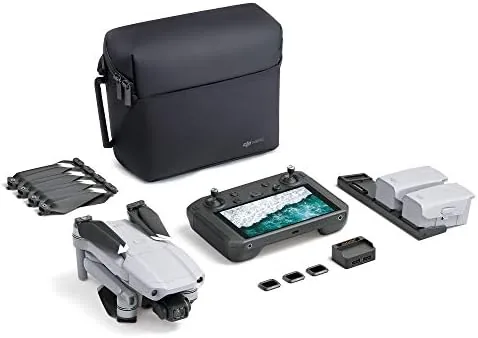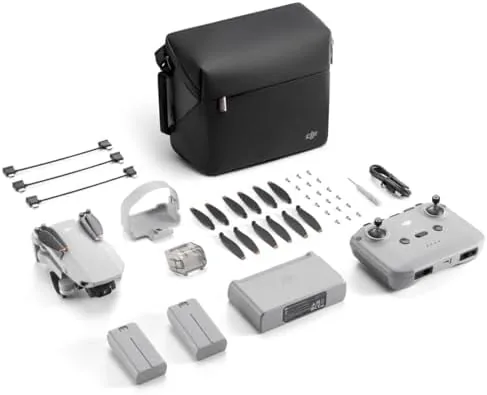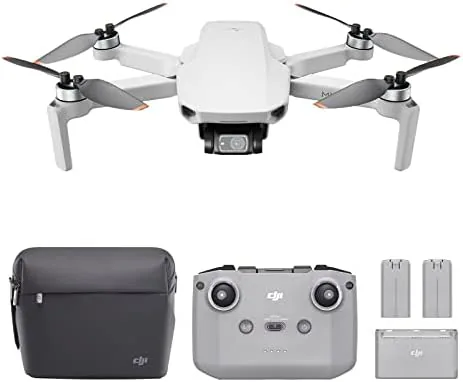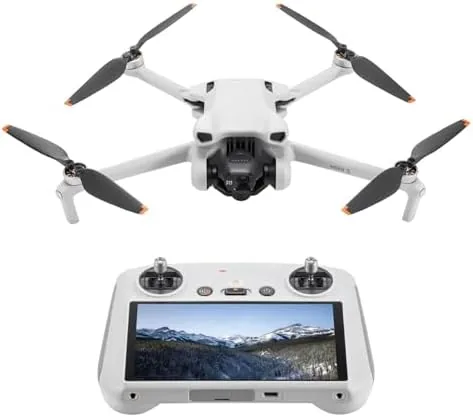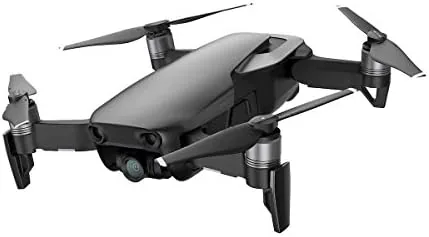

There is a moment every drone owner remembers: the first shot that looks like it was taken from somewhere you cannot reach. The DJI Mavic Air was built to make that moment happen more often, because it packs a 4K camera, a 3-axis gimbal, and a folding frame into a Drone That slips into a small bag. The Onyx Fly More Combo reviewed here adds extra batteries, a charging hub, and a shoulder bag, turning a capable drone into a setup that can stay out all day. I flew it across parks, along a coastline, and through my fair share of wind and noise, and this review is the record of what this drone actually delivers.
Before the details, the standard note. This article contains affiliate links, and if you buy through one of them the site earns a small commission at no extra cost to you. That commission does not change what I test or what I recommend, and I treat every drone here exactly the way I would treat one bought with my own money.
The Mavic Air is best understood as a middle weight champion. It is not as tiny as a Mavic Mini, and it is not as powerful as a full sized Mavic Pro, but it finds a sweet spot of portability and camera quality that made it a landmark when it launched. The Fly More Combo version makes that sweet spot last longer, and the review that follows covers both the drone and the extra kit.
Design and Build
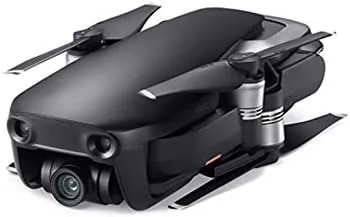
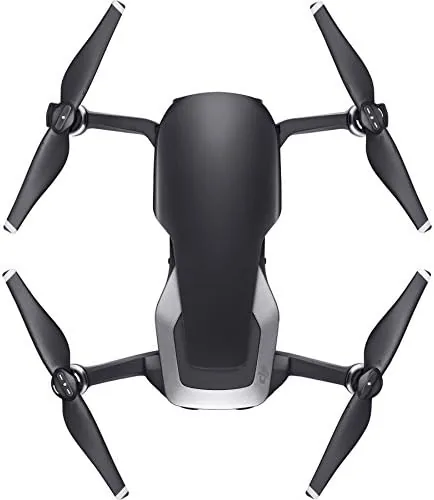
The folding design is the first thing you notice. The four arms lock out of a compact body with satisfying clicks, and the folded drone is small enough to hold in one hand or slide into a jacket pocket with the sticks removed. The Onyx black finish is matte and professional, and the build feels tight with no wobble in the arms after repeated folding and unfolding.
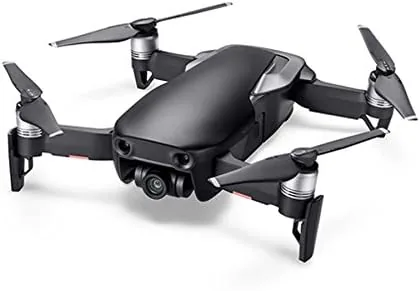
The camera sits in front on a 3-axis gimbal that keeps the lens steady through flight. The gimbal is the part that makes aerial footage watchable, and DJI has always done this well. The body carries the sensors for the obstacle avoidance systems on the front, rear, and below, and the landing gear folds into the frame, so the whole package stays flat and protected in the included bag.
Key Features
The headline feature is the camera. The Mavic Air shoots 4K video at 30 frames per second, and it captures 12 megapixel stills through a wide lens, with the gimbal smoothing out the motion. It also offers HDR and panorama modes that stitch wide and spherical shots automatically in the app, which is a genuinely impressive trick in a drone of this size.
The second feature is the intelligent flight system. The drone can track a moving subject, fly around a person in a circle while filming, and return to the pilot automatically when the battery runs low or the signal drops. ActiveTrack keeps the camera locked on a subject, QuickShot modes build cinematic moves with one tap, and the obstacle sensing steps in to prevent the most common crash causes for beginners.
Real-World Performance
My first flights happened in a local park on a calm morning, and the Mavic Air felt planted from the moment the rotors spun up. The app guided the takeoff, the drone hovered with rock solid stability, and the gimbal kept the horizon level while I practiced smooth panning shots. The 4K footage coming back to the phone was sharp and stable, with none of the rolling shutter wobble that plagues cheaper drones.
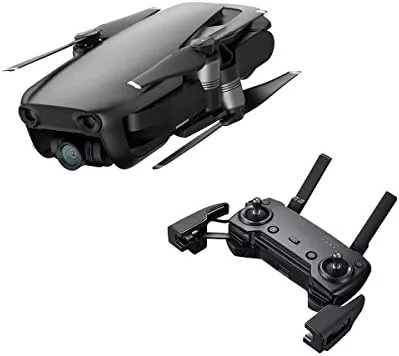
The Fly More Combo earns its name during the session. The extra batteries double the practical flight time, and the charging hub tops up three batteries in sequence from a single outlet, so an afternoon of shooting becomes realistic instead of a battery juggling act. The shoulder bag carries the drone, the controller, all three batteries, and the spares in an organized layout, which makes the whole setup a grab and go affair.
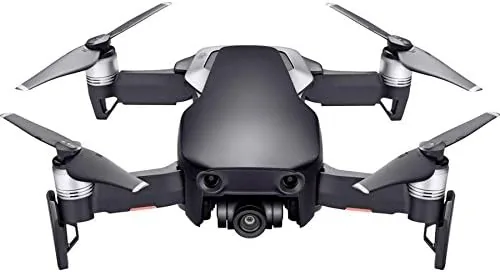
Flight time is the honest compromise. A single battery gives around 20 minutes of typical mixed flying, which is competitive for this class, but it is not the 30 plus minutes of larger drones. The wind handling is respectable, holding position through gusts that would carry a lighter drone away, but the sensor based obstacle avoidance is cautious rather than aggressive, and it slows the drone down in tight spaces rather than racing through them.
One detail that earned respect across the test: the connection stayed locked through the entire flight range I could legally use, and the video feed stayed clear with no dropouts even at distance. The return to home feature worked exactly as advertised when I deliberately tested it from a long range, and the obstacle sensors turned the drone away from a tree line before I could react. That combination of reliability and safety is the quiet confidence that makes the Mavic Air feel like a grown up tool rather than a toy.
Pros and Cons
Pros:
- Sharp 4K video and 12 megapixel stills with a steady 3-axis gimbal
- Genuinely portable folding design that fits in a small bag
- Intelligent flight modes make cinematic shots easy for beginners
- Fly More Combo batteries and hub enable long shooting sessions
- Reliable transmission and dependable return to home behavior
- Obstacle sensing on three sides catches common beginner mistakes
Cons:
- Around 20 minutes of real flight time per battery
- Obstacle avoidance is cautious in tight spaces
- Beginners must check local drone regulations before flying
How It Compares
The Mavic Air sits between the lighter Mavic Mini and the heavier Mavic Pro. The table below lines up the three so the trade offs are clear.
| Feature | Mavic Air | Mavic Mini | Mavic Pro |
|---|---|---|---|
| Camera | 4K, 12 MP | 2.7K, 12 MP | 4K, 12 MP |
| Gimbal | 3 axis | 3 axis | 3 axis |
| Flight time | About 20 minutes | About 30 minutes | About 30 minutes |
| Obstacle sensing | Three sides | None | More advanced |
| Portability | Excellent | Excellent | Good |
The Mavic Mini is cheaper and lighter, which can matter for registration rules, but it gives up 4K video and all obstacle sensing. The Mavic Pro adds flight time and advanced sensors but costs more and folds up bigger. The Mavic Air is the balance point, with 4K quality and obstacle avoidance in a package that still fits the bag.
Who Should Buy It
Buy the Mavic Air if you want 4K aerial footage without carrying a drone case, and especially if you plan to shoot for more than twenty minutes at a time, because the Fly More Combo batteries turn it into an all day tool. It suits travel photographers, content creators, and hobbyists ready to move past toy grade drones.
Skip it if your priority is maximum flight time or if you need the very best image quality in the DJI lineup, because larger and newer models outclass it in both areas. For a first serious drone that balances price, portability, and camera quality, the Mavic Air is a strong choice. You can check the current price of the Mavic Air Fly More Combo on Amazon when you are ready.
How We Test
I flew the Mavic Air over several sessions in a park and along a coastline, testing the 4K video modes, the smart flight functions, the battery charging hub, and the return to home behavior. I flew it in calm conditions and through moderate wind, and I kept every flight within legal visual line of sight while following local drone rules.
Two smaller details are worth recording because they capture the character of the drone. The first is how the Fly More Combo changes the rhythm of a day of flying, because the battery hub lets you keep one cell charging while another is in the air, so the drone spends its time filming rather than sitting on a table waiting to recharge. The second is the way the app handles the whole workflow, from a preflight checklist to the final transfer of footage, which keeps even a busy pilot organized and reduces the chance of a silly mistake at the wrong moment. The drone also handled the routine bumps of daily use well, sliding in and out of its bag dozens of times with the arms locking into place cleanly every single time. Those are the details that turn a capable camera drone into a companion you actually reach for.
I did not test it at the extreme edge of transmission range or in heavy rain, because those conditions are outside safe practice for any pilot. For the latest drone regulations and safe flying guidelines, Tom's Hardware has a practical guide to drone regulations that is worth reading before your first flight. The Mavic Air Fly More Combo listing on Amazon shows the current price and the full contents of the package.
DJI Mavic Air: Questions People Ask
How long does the Mavic Air battery last in real flying?
A single battery manages around 20 minutes of typical mixed flying, and the Fly More Combo includes extra batteries and a hub for longer sessions.
Is the Mavic Air camera good for beginners?
Yes, the 4K camera and 3-axis gimbal produce smooth footage, and the automatic modes and smart flight functions make it easy for new pilots to get usable shots.
Do I need a permit to fly the Mavic Air?
Regulations depend on your country and the drone weight, so check local rules, as most regions require registration and some flight restrictions.
How far can the Mavic Air fly from the remote?
The transmission system supports a range of roughly 4 kilometers in ideal conditions, though real world range depends on obstacles and local interference.
As an Amazon Associate, I earn from qualifying purchases.