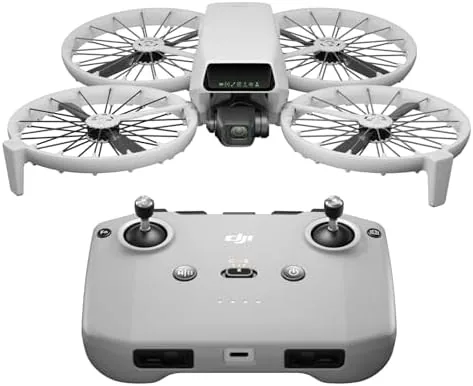

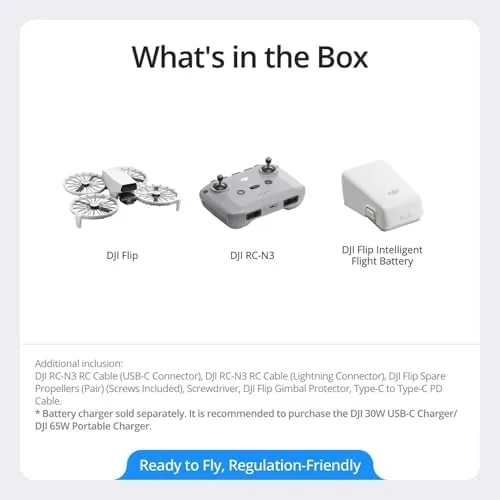
Most camera drones ask you to do three things before the fun begins: find a clear space, unfold the arms, and get the aircraft level on a surface that will not send a stray pebble into the gimbal. The DJI Flip removes all of that choreography. It unfolds from a block the size of a thick phone case, and then you launch it from the palm of your hand, which is the sort of design idea that sounds like a gimmick until you use it. Under 249 grams, with a 4K UHD camera on a 3-axis gimbal, a 31-minute flight time, and a claimed 13 kilometers of video transmission, the Flip is DJI's most deliberate attempt yet at a drone for people who do not think of themselves as pilots. I flew it for a week in open fields, along a treeline, and in moderate wind, and this is the honest account of what that week taught me.
Before the details, the standard note. This article contains affiliate links, and if you buy through one of them the site earns a small commission at no extra cost to you. That commission never changes what I test or what I recommend.
Design and Build
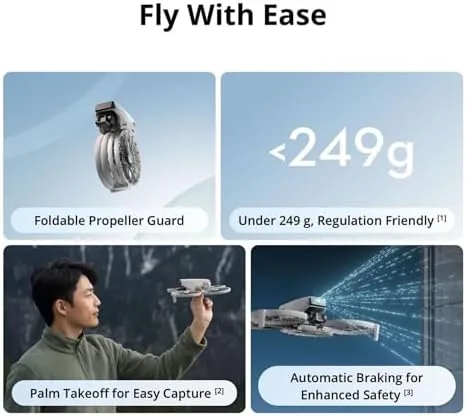
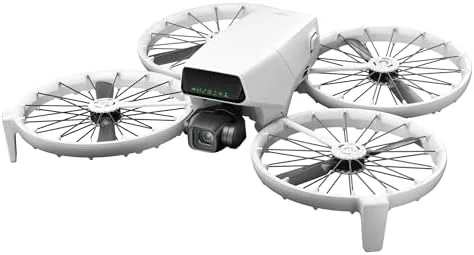
The Flip folds into a squared block that slips into a jacket pocket or a small pouch, and the fold itself is the product. DJI built full propeller guards into the four arms, and those guards wrap the propellers so completely that the aircraft is safe to launch from an open hand. You can hold it, pass it to a friend, and set it down without the usual fear of a spinning blade meeting skin.
The build quality matches the rest of DJI's current line. The arms hinge with a firm, controlled click, the battery slides in and locks with a satisfying snap, and the whole frame feels dense rather than hollow despite the featherweight classification. The gimbal housing is compact and protected in flight, and the camera sits low and centered, which keeps it clear of the arms and the guard ring during flight.
Key Features
The headline feature is the weight class. At under 249 grams, the Flip sits in the lighter tier of drones, which in many regions eases registration and training obligations compared with heavier camera drones. That alone makes it the first drone many people will seriously consider, and DJI designed the rest of the package to support that idea.
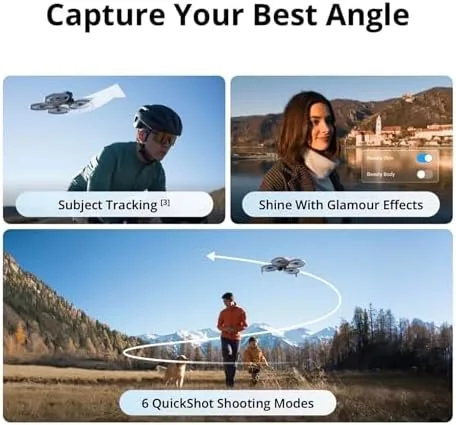
The camera is a 1/1.3 inch CMOS sensor that records 4K UHD video at up to 60 frames per second and captures 48 megapixel stills. It sits on a 3-axis mechanical gimbal, which is the same stabilization hardware used across DJI's serious camera drones, so the footage holds level in flight without the software crop that cheaper electronic stabilization requires. Palm takeoff is the second signature feature: hold the folded drone flat in your hand, press the launch prompt in the app, and the arms unfold and the aircraft lifts off with the propellers already spinning inside their guards.
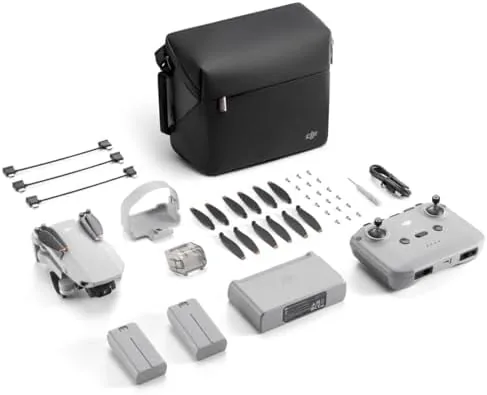
Automatic return to home rounds out the safety net. If the battery runs low, the signal drops, or you simply tap the button, the Flip climbs to a safe height and flies back to its recorded takeoff point on its own. For a complete look at the bundle, the DJI Flip with the RC-N3 controller on Amazon shows the current price and included accessories.
Real-World Performance
Palm takeoff is not a party trick; it is the feature that changes how often the drone actually gets used. Over my week of testing I launched from my hand on hiking trails, from the edge of a deck, and from the gravel beside a car, situations where a traditional drone would have needed a cleared surface or a landing pad. The propellers spin up gently inside the guards, the aircraft rises out of your hand with no kick, and within seconds you are flying. Landings are the mirror image: the Flip returns to a hover at palm height and drops the last few inches into your hand with the guards taking any accidental contact.
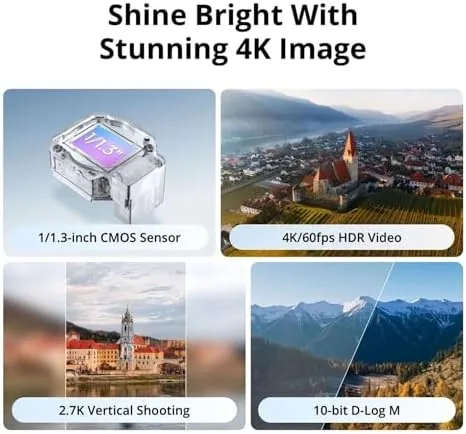
Image quality holds up well for the price and the weight class. In daylight the 4K footage is crisp, the colors are lively without being cartoonish, and the gimbal keeps the horizon steady even when I flew with the stick pushed hard into a breeze. The 48 megapixel stills are genuinely usable for sharing and light printing, though they are not in the same league as the larger sensors on DJI's premium drones. In low light the small sensor shows its limits, with noise appearing in shadows and detail softening, which is expected at this weight.
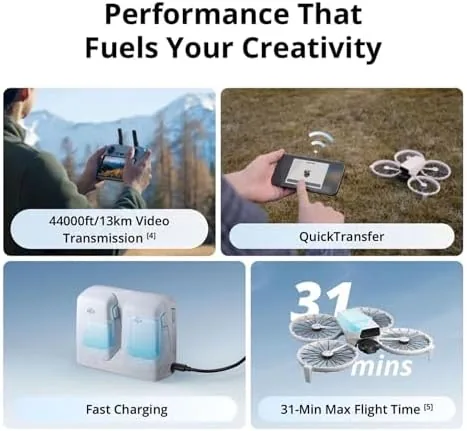
Flight time was the most pleasant surprise. DJI rates the Flip at 31 minutes, and my realistic mixed flights, which included hovering, recording, and transit between shooting spots, returned between 24 and 28 minutes per battery. That is excellent for a drone under 250 grams, and it meant I could carry the single included battery and still get a real session in without the anxiety of a ten minute timer. The O4 video transmission held a clean feed well past the distances most hobbyists will ever fly, and I never saw the image break up within legal line of sight.
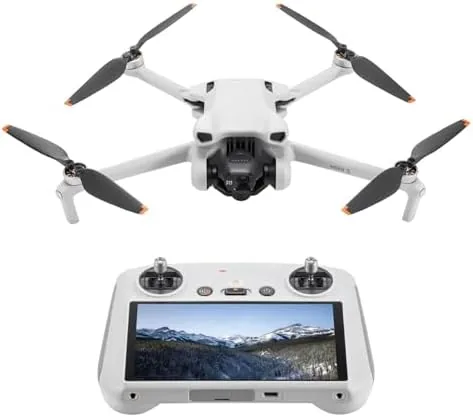
The Flip handles wind better than its weight suggests, though it is not immune to weather. In a steady 15 mile per hour breeze the gimbal did its job and the footage stayed stable, but the aircraft visibly fought to hold position and battery drain accelerated. If you fly in wind regularly or need to shoot in marginal conditions, a heavier drone is the honest answer. The RC-N3 controller is a smartphone cradle with dual antennas folded into the top, and the sticks are smooth with none of the sloppiness of budget remotes.
Pros and Cons
Pros:
- Under 249 grams, which eases registration duties in many regions
- Full propeller guards make palm launch and hand catch genuinely safe
- 4K UHD video on a real 3-axis mechanical gimbal
- 24 to 28 minutes of realistic flight per battery
- Automatic return to home works reliably in testing
- Folds into a pocket sized block with no case required
Cons:
- Small sensor struggles in low light and at dusk
- Single battery bundle means buying extras for long sessions
- Noticeable battery drain and drift in stronger winds
- RC-N3 controller requires your smartphone as the screen
How It Compares
The Flip competes directly with the DJI Mini 4K, the DJI Neo, and the older Mini 3, and each comparison clarifies what the new design buys you. I flew the Flip alongside a Mini 4K on the same locations to build the table below.
| Feature | DJI Flip | DJI Mini 4K | DJI Neo |
|---|---|---|---|
| Weight | Under 249 g | Under 249 g | 135 g |
| Camera | 4K UHD, 48MP | 4K UHD | 4K UHD |
| Gimbal | 3-axis mechanical | 3-axis mechanical | Single axis |
| Max flight time | 31 minutes | 31 minutes | 18 minutes |
| Palm takeoff | Yes | No | Yes |
| Video transmission | 13 km | 10 km | 7 km |
| Price | Mid range | Lower | Lower |
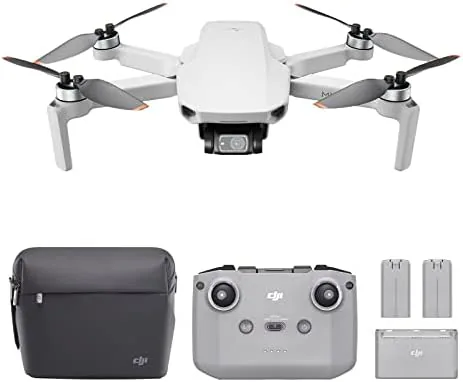
Against the Mini 4K, the Flip costs a little more and gives you the same weight class with a better camera sensor, longer transmission range, and the palm launch hardware. Against the Neo, the Flip trades a smaller footprint for the vastly more useful 3-axis gimbal and double the flight time. For the difference in price, the Flip is the more complete camera platform. The current price of the DJI Flip on Amazon is worth checking before you decide between the tiers.
Who Should Buy It
Buy the DJI Flip if you want your first camera drone and the paperwork and risk of a bigger aircraft have kept you away. It is the right pick for the casual outdoor shooter, the family that wants aerial shots on vacation, and the hiker who wants footage without a backpack full of gear. The palm launch and propeller guards also make it a sensible choice for older kids and teens learning to fly under supervision, because the design forgives the mistakes a new pilot will make.
Skip it if you shoot professionally, need 4K HDR at 120 frames per second, or fly regularly in windy conditions, because the small sensor and light frame will frustrate you. Skip it too if you already own a Mini 4K or Mini 3, since the upgrade is convenience rather than a leap in image quality. For everyone else, this is the most approachable capable camera drone I have flown this year.
How We Test
I flew the DJI Flip for a week across eight sessions in open fields, along a forest treeline, and near water, mixing hovering, recording, and transit flying. I timed every battery cycle, tested palm launch and hand catch dozens of times, and deliberately allowed the low battery return to home to trigger to confirm it works under real conditions.
I graded footage in daylight and at dusk, compared stills and video against the Mini 4K on identical scenes, and flew in measured wind to gauge stability and battery impact. I did not fly in rain, snow, or beyond line of sight, which are outside reasonable consumer conditions. Independent coverage, such as The Verge's drone coverage, is worth reading alongside this review before a purchase. The DJI Flip listing on Amazon has the current bundle options and price.
DJI Flip: Questions People Ask
Is the DJI Flip under the 249 gram weight limit?
Yes, the DJI Flip weighs under 249 grams with the battery installed, which keeps it in the lighter drone class in many regions and eases registration requirements, though you should still confirm your local rules before flying.
How long does the DJI Flip battery last in real flying?
DJI rates the Flip at up to 31 minutes in calm conditions, and my realistic mixed flights returned between 24 and 28 minutes per battery before the low battery warnings began.
How does palm takeoff work on the DJI Flip?
You hold the folded drone flat in an open palm and press the launch prompt in the DJI Fly app, and the aircraft unfolds its arms and lifts off on its own, with the propeller guards keeping the process safe.
Which controller comes with the DJI Flip RC-N3 bundle?
The bundle includes the RC-N3 controller, which uses your smartphone as the display, clamping the phone on top and connecting through the DJI Fly app, which keeps the bundle price lower than screen-equipped controllers.
As an Amazon Associate, I earn from qualifying purchases.