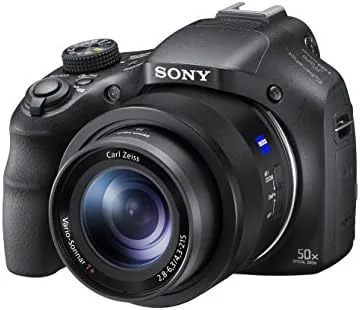

Some subjects refuse to come closer. The bird at the marsh's far edge, the player across the field, the moon on a clear night: by the time you approach, the moment is gone. Bridge Cameras exist for exactly this problem, and the Sony HX400V is one of the most complete superzooms ever built around it. A 20.4 megapixel sensor sits behind a Zeiss branded lens that stretches from a 24 mm wide angle to a stunning 1200 mm equivalent telephoto, which is a 50x optical zoom in a single body. The V in the name adds built in GPS and an electronic viewfinder, and the whole package records full HD video. I spent a month shooting wildlife, sports, concerts, and cityscapes to see what 50x of reach actually delivers in the field.
Before the details, the standard note. This article contains affiliate links, and if you buy through one of them the site earns a small commission at no extra cost to you. That commission does not influence what I test or what I recommend.
Design and Build
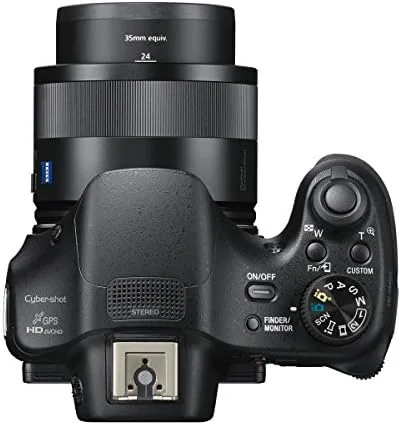
The HX400V is a true bridge camera: it looks and handles like a small DSLR, with a prominent grip, a mode dial, and buttons across the top plate, but it keeps a fixed lens and a compact all in one body. The design is deliberate, because the grip and controls are what make a heavy telephoto lens steady in the hand. The camera weighs just over half a kilo with the battery and memory card, which is heavy for a compact but light compared to any DSLR carrying a 1200 mm lens.
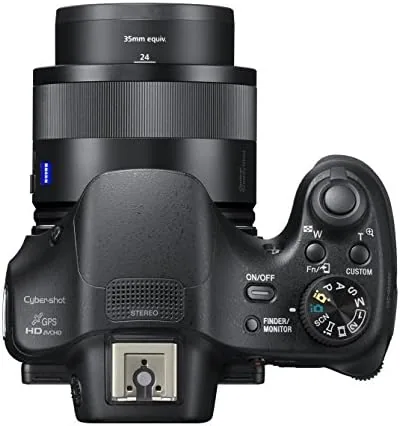
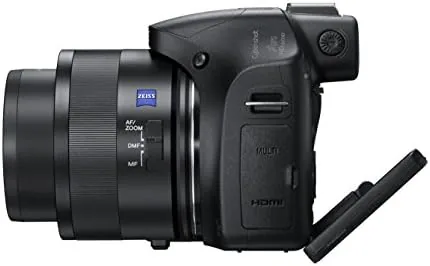
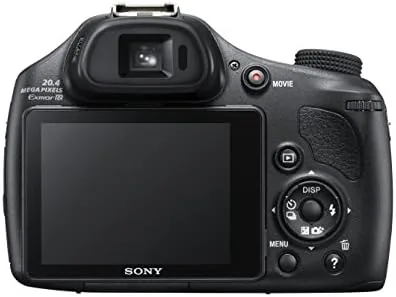
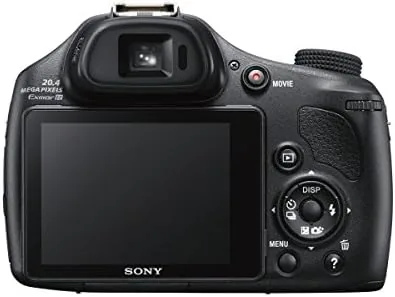
The build feels solid and weather resistant enough for everyday outings, with a rubberized grip and a sturdy metal lens mount area that extends and retracts smoothly. The top of the body carries a pop up flash and an electronic viewfinder, and the back is dominated by a tilting LCD that flips out for low angle wildlife shots. Sony packed the buttons in tight, and photographers coming from a phone will need a short learning curve, but the layout rewards muscle memory once you find the zoom lever, the shutter, and the movie record button by touch alone.
Key Features
The headline feature is the lens. A 50x optical zoom spanning 24 to 1200 mm equivalent is extraordinary range for any camera, and it means the HX400V covers everything from a wide group shot to a moon close up without changing a single lens. Optical zoom is the crucial word: it uses the actual glass and sensor, not the cropped guesswork of digital zoom, so the reach is real and usable.
Image stabilization is the second pillar, because 1200 mm of magnification magnifies shake along with the subject. Sony's optical SteadyShot system compensates for hand movement, and in practice it makes the extreme end of the zoom far more usable than the specs suggest, letting you shoot crisp frames at full reach in daylight without a tripod. The 20.4 megapixel sensor feeds a fast lens that opens to f2.8 at the wide end, which helps in lower light than the telephoto's f6.3 would suggest.
The V model adds two features that matter in the field: a built in GPS module that tags every shot with location, and an electronic viewfinder that lets you frame through the eye in bright sunlight where the LCD washes out. Full HD 1080p video recording rounds out the package, with the same optical zoom available while you record. For a current look at the price of the HX400V, the Amazon listing for the Sony HX400V is a useful reference.
Real-World Performance
I started with what this camera was built for: a day at a nature reserve photographing water birds. At 1200 mm, a heron that was invisible to the naked eye filled the frame with detail, and the image stabilization let me hold the long reach steady enough for crisp shots at a shutter speed that would have been hopeless without it. Feather detail was excellent in daylight, and the autofocus tracked the bird well as it moved along the waterline, catching a sharp burst as it took off.
At a soccer match, the reach did the work of a professional telephoto setup. From the stands I pulled the near touchline into close range and caught faces and expressions that would be unreadable in any phone photo. The autofocus kept up with running players in good light, and the burst mode captured the decisive moments of a goal, though I learned to favor a higher shutter speed at full zoom to freeze motion. Concert photography showed the same pattern: the zoom was superb, and the exposure handled stage lighting well, but at the darkest venues the small sensor's noise became visible at high ISO, which is the honest trade off of a superzoom.
Wide angle and landscape shots were a quiet pleasure. The 24 mm end captured sweeping city views and tight interiors with good color, and the GPS tagging built a tidy location history that paired nicely with the shots. The tilting LCD made low angle flower and insect work effortless, and the electronic viewfinder saved the bright day shoots entirely. Battery life was respectable for a day of field shooting, with a spare battery removing any worry.
Pros and Cons
Pros:
- 50x optical zoom from 24 to 1200 mm in one lens
- Effective optical stabilization at extreme reach
- Built in GPS and an electronic viewfinder
- Excellent daylight detail for wildlife and sports
- Tilting LCD for low angle shooting
- Full HD video with the optical zoom available
Cons:
- Small sensor gets noisy in low light at high ISO
- Body is bulky compared to pocket cameras
- Autofocus slows in dim conditions at full zoom
- Maximum aperture at telephoto is fairly slow
How It Compares
The superzoom market splits between bridge cameras like this one and pocket zoom compacts. I compared the HX400V against a typical 30x pocket superzoom and an entry DSLR with a telephoto kit lens to show what the extra size and price buy.
| Feature | Sony HX400V | Pocket Superzoom | DSLR with Tele Zoom |
|---|---|---|---|
| Optical zoom | 50x, up to 1200 mm | Around 30x | Varies with lens |
| Sensor size | 1/2.3 inch | 1/2.3 inch | APS-C, much larger |
| Low light quality | Fair | Fair | Excellent |
| Viewfinder | Electronic, built in | Usually none | Optical |
| Kit weight | About 0.6 kg | About 0.3 kg | 1.5 kg or more |
| Price tier | Mid | Low | High |
Against the pocket superzoom, the HX400V wins on reach, viewfinder, and handling, which matter exactly when you are chasing distant subjects; the pocket camera wins on being, well, pocketable. Against the DSLR, the HX400V wins on price, weight, and the fact that one lens covers everything, while the DSLR wins decisively on low light quality and shallow depth of field. Camera testing sites such as PCMag have noted that the HX series packs remarkable reach, and that verdict matches the real world results here. For a wildlife and daylight shooter who wants range without a backpack of lenses, the HX400V is the practical choice.
Who Should Buy It
Buy the HX400V if you photograph wildlife, birds, sports, or concerts and you want professional grade reach without buying into an interchangeable lens system. It suits travelers who shoot both sweeping landscapes and faraway landmarks, and anyone who wants a viewfinder, GPS, and manual controls in a camera that still fits in a small bag.
Skip it if your photography happens mostly at night or indoors, where a larger sensor matters more than reach, or if you want a camera that slips into a pocket. For everyone else, this is the camera that turns faraway subjects into photographs. You can check the current price for the Sony HX400V on Amazon when you are ready to bring the world closer.
How We Test
I tested the HX400V over a month across wildlife, sports, concert, and landscape subjects. I photographed water birds at full 1200 mm reach, covered a soccer match from the stands, shot two evening concerts, and worked through city wide angle scenes, all while tracking autofocus performance, stabilization, and noise behavior.
I tested the image stabilization by shooting at full zoom at slow shutter speeds without a tripod, and I verified the GPS tagging and full HD video on a series of clips. I did not test the camera underwater or in heavy rain, which are outside its weather resistance. For a broader look at what a superzoom can and cannot do, photography guides such as the one published by TechRadar on bridge cameras explain the format's strengths and limits. The Sony HX400V listing on Amazon shows the current price and included accessories.
Sony HX400V Superzoom Camera: Questions People Ask
How far can the 50x zoom actually reach?
The lens covers a 24 mm wide angle to a 1200 mm equivalent telephoto, which brings distant wildlife, stages, and landmarks into frame that would be tiny dots on a phone camera.
Is the HX400V good for wildlife and sports photography?
Yes, in good light. The zoom reach and image stabilization make it a capable daylight tool for birds, sports, and concerts, though moving targets at maximum zoom need a fast shutter and steady technique.
Does the camera have built in GPS?
The V model includes built in GPS for tagging photos with location data, along with an electronic viewfinder and full HD video recording in the same body.
How does the HX400V compare to a DSLR?
A DSLR wins on low light quality and shallow depth of field, while the HX400V wins on reach, weight, and price, since one lens covers what would require a heavy telephoto kit.
As an Amazon Associate, I earn from qualifying purchases.