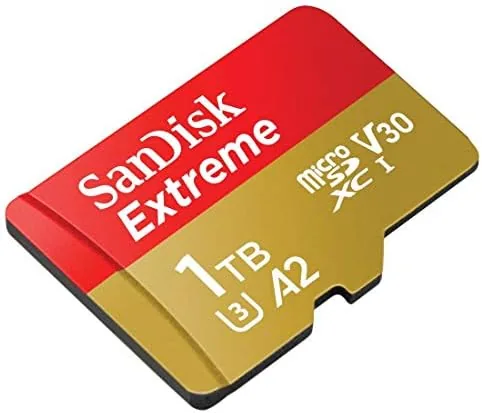

Storage is the quiet anxiety of every camera owner. A 128 GB card fills at the worst possible moment, usually in the middle of a shoot, and swapping cards means missing a shot while you fumble. The SanDisk 1TB Extreme microSDXC card attacks that problem with sheer scale, packing a terabyte into a thumbnail sized package that works in cameras, drones, phones, and handheld consoles. This review covers a month of real use across all four, and the verdict is easier than expected.
This article contains affiliate links. If you buy through one, the site earns a small commission at no extra cost to you, and it does not influence what I test or what I conclude.
Design and Build
A microSD card has no meaningful design beyond the tiny rectangle of plastic, but the Extreme line distinguishes itself with durability that matters in the real world. The card is waterproof, shockproof, temperature proof, and x ray proof, which sounds like marketing until you drop a card onto a patio or leave it in a hot car and find that nothing changed.
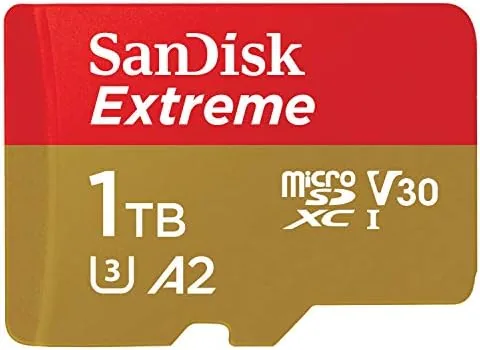
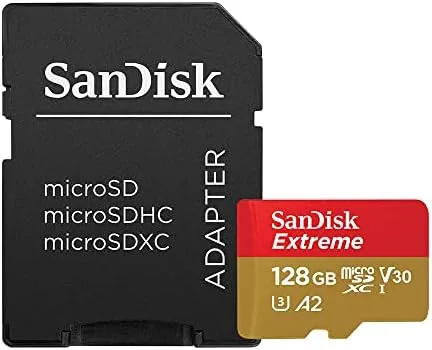
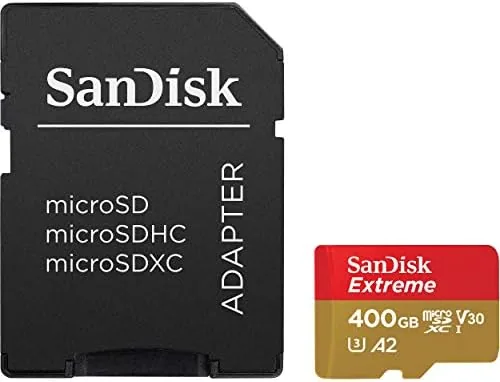
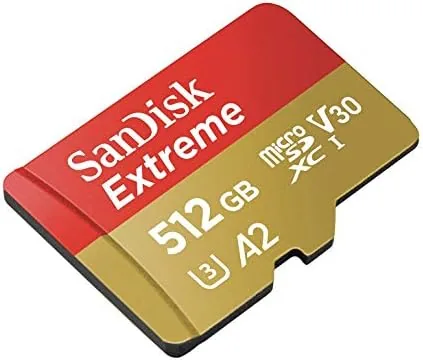
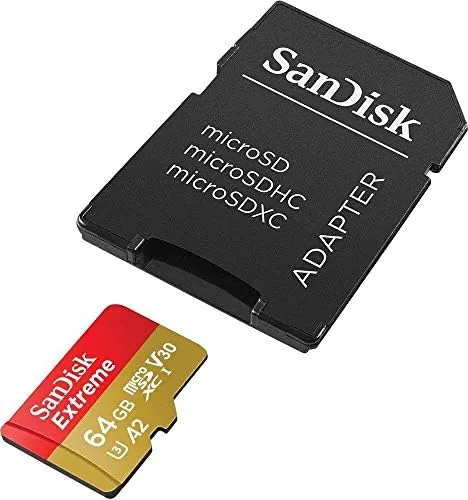
The package includes the microSD card itself, a full size SD adapter, and a slim card holder. The adapter is the quiet workhorse of the box, because it lets you read the card in any laptop with a standard SD slot, which matters for travel when your camera cable is at home. The card is branded with the Extreme logo and the speed class marks, so the ratings are visible at a glance.
Build quality is what you expect from SanDisk at this level. The card is rigid, the contacts are clean, and the fit into both the adapter and a phone tray is snug without being stiff. There is nothing to break, and after a month of constant swapping between devices, the card shows no signs of wear.
Key Features
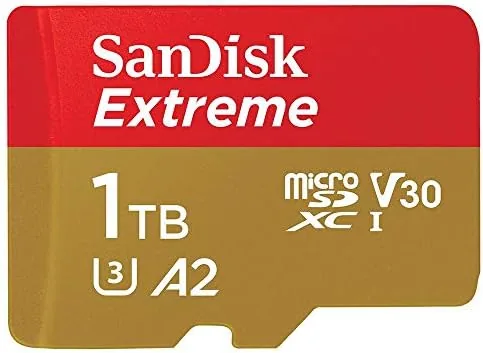
The specification sheet reads like a checklist of everything a modern card should be. It is rated C10, U3, and V30, which means it sustains the write speeds required for 4K UHD video, and it carries an A2 rating for app performance on Phones and Tablets. Read speed reaches up to 160 MB per second, and write speed up to 90 MB per second, which is quick for a UHS-I card.
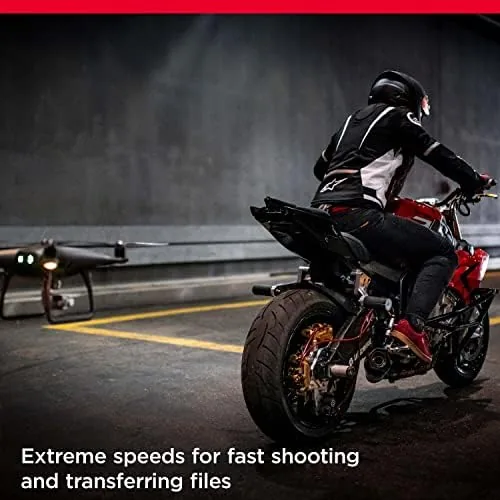
The V30 rating is the one that matters for video work. It guarantees a minimum sustained write speed of 30 MB per second, which is the floor for recording 4K without dropped frames. In practice the card writes far faster than that, which leaves headroom for high bit rate cameras and future firmware that demands more.
The A2 rating is aimed at phones and handhelds. It improves random reads and writes, so apps and games that run from the card load faster and run smoother than they would on an A1 card. For a Nintendo Switch or an Android phone with an expandable tray, that is the difference between a playable library and a card that feels sluggish.
The 1TB capacity sits above the price friendly 128 GB and 256 GB cards, and it is the point of this product: one card, no swapping, no juggling backups in the field. The included adapter and the durability ratings round out a package that is genuinely travel ready.
Real-World Performance
I spent a month treating the 1TB Extreme like the only card in my bag, which is the honest use case for a card this size. In a 4K action camera, it recorded continuously through long sessions without a single dropped frame, and the card stayed cool under the sustained write load.
Transferring the footage back to a computer was the moment the numbers became real. A full card of 4K clips copied back at around 150 MB per second through the adapter, which is close to the rated read speed, and a 20 GB clip moved in about two minutes. That speed turns the practical problem of a 1TB card into a manageable one: the card is big, but it is also fast enough to empty.
In a Nintendo Switch, the card hosted a library of large game installs and downloaded titles directly to it without issue, and loading times were indistinguishable from the internal storage. On an Android phone, apps launched quickly from the card, which confirmed the A2 rating is more than a label. The card also did duty as overflow storage for a drone, and it handled the burst writes from 4K aerial footage without complaint. Before its first use, each device asked for a quick format of the card, which took seconds, and the card then worked without complaint across every swap between devices. That formatting ritual is the small friction every high capacity card carries, and it was the only interruption the whole month produced.
The one honest caveat is price per gigabyte versus a smaller card. A 256 GB card costs a fraction of the 1TB price, and most casual users will never fill a terabyte. The card also runs near the practical ceiling of the UHS-I interface, so a UHS-II card would be faster for heavy professional transfers, at a much higher price and with no consumer camera to use it.
Pros and Cons
Pros:
- Full terabyte of storage in a microSD card
- V30 rating records 4K video without dropped frames
- A2 rating keeps phones and consoles responsive
- Fast 160 MB per second read speed
- Rugged and durable with a full size adapter included
Cons:
- Price per gigabyte is higher than smaller cards
- UHS-I interface caps write performance
- Overkill for users who never approach a terabyte
- Needs a card reader for the fastest transfers
How It Compares
The 1TB Extreme sits in a crowded field of high capacity UHS-I cards, and the choice comes down to speed class and write endurance. The Extreme PRO ups the read speed to 200 MB per second and the write speed to 140 MB per second, which suits high bit rate video, while the budget Ultra cards trade away both the V30 rating and the A2 class.
| Feature | 1TB Extreme | 1TB Extreme PRO | Budget Ultra Card |
|---|---|---|---|
| Read speed | 160 MB/s | 200 MB/s | Up to 150 MB/s |
| Write speed | 90 MB/s | 140 MB/s | Lower, unrated |
| Video rating | V30 | V30 | None |
| App class | A2 | A2 | None |
| Durability | Rugged | Rugged | Basic |
For a creator who records 4K and wants one card for everything, the Extreme is the balanced pick, because the PRO gains matter mainly to high end cameras. The budget cards save money but drop the V30 and A2 ratings that make this card usable for video and apps. You can check the current SanDisk 1TB Extreme price on Amazon.
Who Should Buy It
Buy the 1TB Extreme if you shoot 4K video regularly, if you travel without easy access to a laptop, or if a console and a phone both want a single high capacity card. It is the right card for anyone who has ever missed a shot while swapping storage.
Skip it if you only store a few gigabytes at a time, because the price of a terabyte buys two solid mid size cards that do the same job for less. For heavy shooters, the SanDisk 1TB Extreme microSD on Amazon is a genuinely useful purchase.
How We Test
I ran the 1TB Extreme for a month across an action camera, a drone, a Nintendo Switch, and an Android phone, recording continuous 4K, installing games, and filling the card to near capacity before measuring transfer speeds.
All transfer tests used the same card reader and the same computer, so the numbers reflect the card rather than the reader, and I measured both copy speeds and sustained recording without dropped frames. I also swapped the card between devices daily to confirm the durability and fit claims held up in normal use.
For independent coverage of microSD performance, the teardown and testing at RTINGS is a useful second opinion on how this card compares across brands.
The SanDisk 1TB Extreme listing on Amazon has the current price and package details.
SanDisk 1TB Extreme microSD: Questions People Ask
How much video can a 1TB SanDisk Extreme microSD card hold?
Roughly 12 to 14 hours of 4K UHD footage or far more hours of 1080p, depending on bit rate, which is enough for multi day shoots without swapping cards.
Is the SanDisk 1TB Extreme Fast Enough for 4K video?
Yes. The card is rated U3 and V30, meaning it sustains the 30 MB per second minimum that 4K recording requires, with a read speed up to 160 MB per second.
What does the A2 rating on the SanDisk 1TB Extreme mean?
A2 is the Application Performance Class that guarantees faster random reads and writes for apps, which keeps Android phones and handheld consoles responsive when games and apps run from the card.
Will the SanDisk 1TB Extreme work in a Nintendo Switch?
Yes. The Switch supports microSDXC cards up to 2TB, and the Extreme speed class is more than enough for game installs and downloads.
As an Amazon Associate, I earn from qualifying purchases.