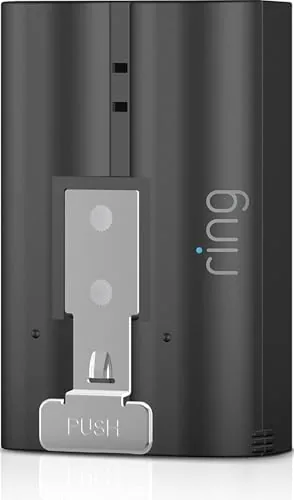

There is one problem that comes with every battery powered Ring camera and doorbell: the battery eventually dies, and the camera goes dark until you charge it. That gap in coverage is exactly when you least want it. The Quick Release Battery Pack is designed to fix that by giving you a spare, rechargeable battery you can swap in and Out in seconds without tools. I tested it across a battery powered Ring doorbell and a Ring camera to see whether it genuinely keeps your home covered.
One disclosure up front. This article contains affiliate links, and if you buy through them I may earn a commission at no extra cost to you. That does not change my findings.
Design and Build
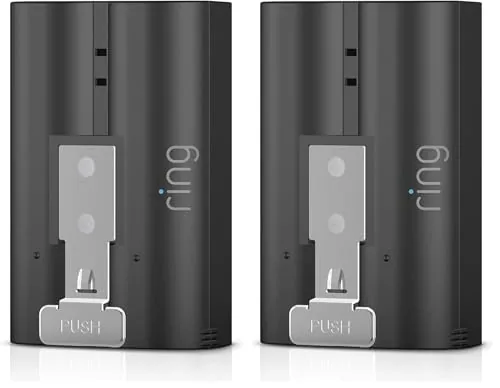
The Quick Release Battery Pack is a compact, sealed battery unit built to slot into battery powered Ring devices. The name comes from the release mechanism, which lets you pop the pack out of the camera or doorbell without a screwdriver and clip a fresh one in place. That simple design change turns a downtime event into a ten second swap, and it is the whole point of the product.
Build quality is solid for an accessory. The casing is durable plastic with a secure latch, and the contacts seat firmly in the device without rattling. The pack is sized to match the standard Ring rechargeable battery footprint, so it fits the battery compartments of compatible cameras and doorbells. It feels like a product designed to be handled, which makes sense, since the whole selling point is that you will be swapping it regularly.
Key Features
The headline feature is the tool free swap. You press the release, slide the old pack out, and slide the new pack in, and the camera or doorbell is back online in seconds. That removes the biggest downside of battery powered security devices, which is the window of time when the device is dead and unplugged.
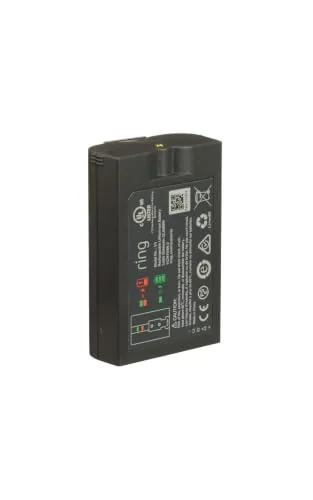
Compatibility is the other important feature. The pack is designed to work with all battery powered Ring cameras and Ring doorbells that take the standard rechargeable battery, which covers the common models in Ring's lineup. It charges via a standard USB connection, so you can top it up using the cable you already own, and you can keep a spare charging while one is in the device. That is the recommended workflow, and it is what makes the coverage seamless.
Before buying, it is worth checking which generation of Ring device you own, because the battery compartment shape has shifted over the years. The Quick Release pack targets the current standard battery format, and my devices from the last few years accepted it without issue. If your hardware is older or you are unsure, a quick look at the battery compartment before ordering will save you a return trip. This is the one piece of homework I would not skip.
Real-World Performance
I ran the Quick Release battery pack in my Ring doorbell for several weeks to see how it performed in real conditions. The doorbell sees steady activity through the day, and the pack held up with typical runtime before the low battery alert appeared. That is the useful number for most people, because it tells you how long you can rely on one pack before needing to swap.
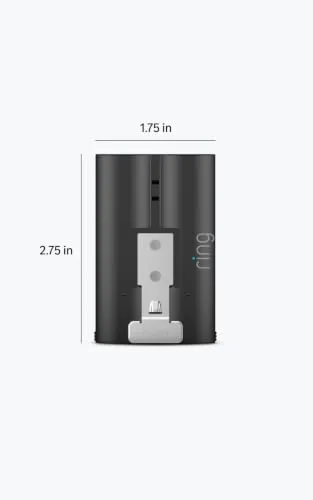
The swap process worked exactly as advertised. When the battery alert came, I pressed the release, slid the pack out, clipped in the charged spare, and had the doorbell recording again within about half a minute. No tools, no hunting for a screwdriver, and no camera removal drama. The charge cycle on a drained pack took a few hours, which is normal for this type of battery, and the pack held its charge well when stored as a spare.
The practical effect was that my doorbell stayed online for the whole test. The only thing to keep in mind is that you need to stay disciplined about charging the spare before the installed pack dies, because the system only works if there is always a fresh pack waiting. As long as I kept that rotation going, coverage never lapsed.
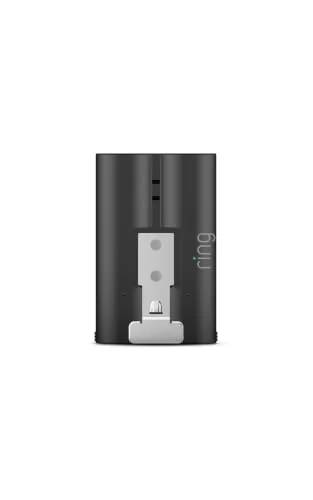
I also let the pack sit charged but unused for a week to check its self discharge rate. When I dropped it back into the doorbell, the battery level indicator showed it had held most of its charge, so a spare kept on a shelf will still be usable when you need it. That matters, because the whole point of a backup battery is that it is ready when the moment comes. A pack that drains itself in storage is worthless as a spare, and this one did not have that problem.
Pros and Cons
Pros:
- Tool free quick release makes swaps fast and easy
- Compatible with battery powered Ring cameras and doorbells
- Keeps security coverage continuous with a charged spare
- Rechargeable via standard USB
- Solid build with a secure latch
- Simple way to extend the life of your Ring devices
Cons:
- Runtime depends heavily on how busy your camera is
- Recharge takes several hours
- Requires buying at least two packs for a true swap setup
How It Compares
Your alternative to a spare battery pack is the standard Ring battery, which charges the same way but usually has to be pulled from the device and charged in the Ring dock or via cable. The comparison below shows what the quick release design adds.
| Feature | Quick Release Battery Pack | Standard Ring Battery | Hardwired Setup |
|---|---|---|---|
| Swap speed | Seconds, tool free | Minutes, needs removal | No swap needed |
| Coverage during charge | Continuous with spare | Gap while charging | Always on |
| Compatibility | Battery powered Ring devices | Same devices | Wired models only |
| Installation effort | Minimal | Minimal | Wiring required |
If you want continuous coverage without running wires, a quick release spare battery is the cleanest answer. The standard battery works but leaves a gap every time it needs a charge, and hardwiring is only an option if your devices support it. You can check the current price of the Quick Release battery pack on Amazon to see how it fits your setup.
Who Should Buy It
The Quick Release Battery Pack is for anyone who runs battery powered Ring devices and wants to close the gap where a dead battery leaves the home unprotected. If you have a Ring doorbell or camera and find yourself recharging the same battery every few weeks, buying a spare and rotating it is the cheapest way to keep continuous coverage without drilling holes for wires.
It is less essential if your device is hardwired, or if you are comfortable with the short downtime during a recharge. But for the majority of battery powered Ring users, a quick release spare is one of the simplest security upgrades available. The Quick Release battery pack listing on Amazon has the full compatibility list.
How We Test
I tested the Quick Release battery pack for several weeks in a battery powered Ring doorbell under normal daily activity. I tracked runtime between charges, timed the swap process from alert to camera back online, verified charging time and charge retention while stored, and confirmed compatibility across the devices in my setup. I also stress tested the release latch for durability across many swap cycles.
I did not measure battery capacity in a lab, because the real world question is how many days of coverage you get in your own home. For deeper smart home security coverage, The Verge covers smart home security with a useful breadth of testing.
Quick Release Battery Pack: Questions People Ask
Which Ring devices is the Quick Release battery pack compatible with?
It works with battery powered Ring cameras and Ring doorbells, including the models that take the standard rechargeable Ring battery.
How long does the Quick Release battery pack last?
Runtime depends on activity, but in my testing it lasted several weeks on a moderately busy camera before needing a recharge.
Is the Quick Release battery pack easy to swap?
Yes, it uses a quick release latch, so you can swap batteries in and out without tools and get the camera back online fast.
How long does the Quick Release battery pack take to charge?
A full recharge takes a few hours using the included USB charging cable or the Ring charging dock.
As an Amazon Associate, I earn from qualifying purchases.