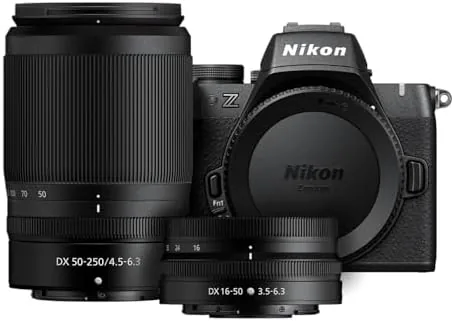

A single zoom lens is a compromise the moment you pack for a real trip. The wide angle you want for a cathedral interior disappears the second you switch to the telephoto you need for a mountain peak, and swapping lenses on a crowded train is a miserable ritual. Nikon answers that problem with the Z50 II two lens kit, which bundles the compact 20.9MP mirrorless camera with both the NIKKOR Z DX 16-50mm and the NIKKOR Z DX 50-250mm zooms. Together they cover everything from a 24mm equivalent wide shot to a 375mm equivalent telephoto, and they do it with the same Easy Color presets and wireless photo sharing that make the camera such a pleasure. I spent three weeks traveling with this exact kit, and this is the honest account of how the pair performs.
Before the details, the standard disclosure. This article contains affiliate links, and if you buy through one of them the site earns a small commission at no extra cost to you. That commission never changes what I test or what I recommend.
Design and Build
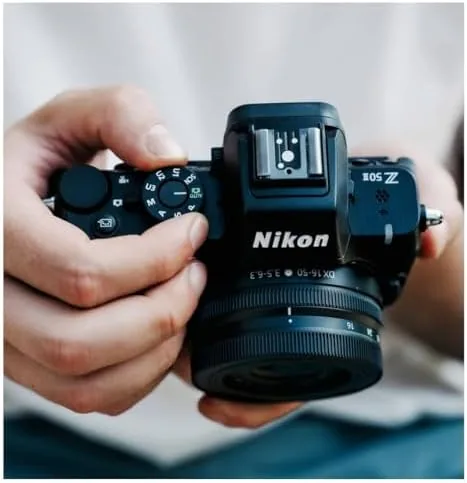
Nikon markets this as a travel kit, and the engineering backs up that promise. The Z50 II body is small and light at roughly 495 grams with a deep, comfortable grip, and both lenses collapse down for packing. The 16-50mm retracts into a stubby pancake when not in use, while the 50-250mm, despite its telephoto reach, is slim enough to drop into a small shoulder bag lens cap first. Two lenses and a body fit comfortably into a modest camera pouch that I carried on day hikes without noticing the weight.
The pair shares the same 62mm filter thread, which is a small detail with real payoff. One polarizer and one set of protective filters works on both lenses, and the rear caps are interchangeable too. Build quality is consistent with the plastic and composite construction you expect at this price point, but the mounts are metal and the zoom rings are smooth with no play. The camera itself is weather sealed, so light rain was not a worry, though I treated the barrel of the telephoto with care since the two lens kit shares the same sealed body but modest lens sealing.
Key Features
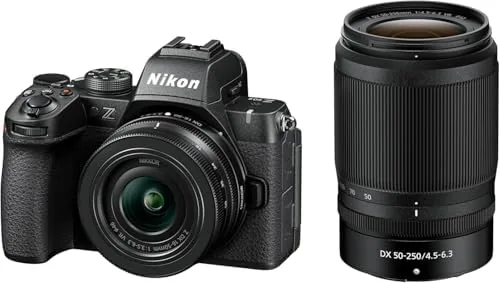
The headline of the kit is the reach. The 16-50mm f/3.5-6.3 zoom is the workhorse standard lens, ideal for street scenes, portraits at the long end, and wide interiors at 16mm. The 50-250mm f/4.5-6.3 zoom then stretches out to capture wildlife, sports, and distant subjects that a standard zoom cannot reach, with Vibration Reduction on both to steady the shot. Combined with the 20.9MP DX-format sensor and the EXPEED 7 processor, the kit delivers sharp, well exposed images across its entire focal range.
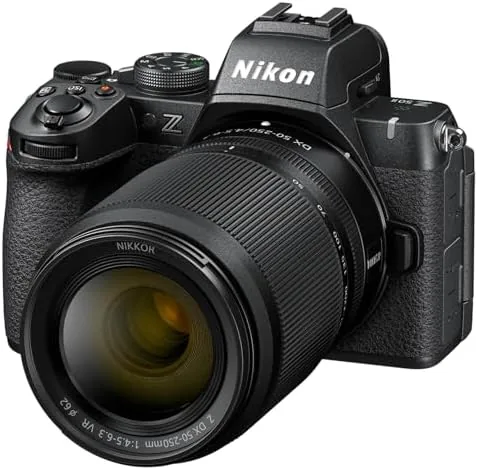
Autofocus is the other headline feature. The Z50 II uses a 209-point hybrid system with subject detection for people, animals, and vehicles, powered by the same EXPEED 7 chip found in Nikon full frame bodies. It locks onto eyes reliably and tracks through bursts at up to 30 frames per second. For video, the camera records 4K at 60 frames per second, and both lenses keep handheld clips steady thanks to Vibration Reduction, which matters because the Z50 II body has no in-body stabilization.
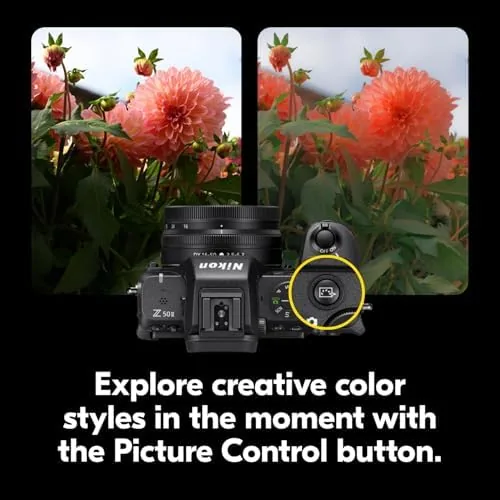
The Easy Color presets remain my favorite part of the camera. They apply A Full color grade to stills and video in one tap, from vivid landscape tones to muted film looks, which means a finished shot straight out of camera. The wireless photo sharing through the Nikon Imaging Cloud and NX MobileAir transfers full resolution files to a phone automatically as you shoot. For a current look at the price and contents of the bundle, the Amazon listing for the Nikon Z50 II two lens kit is a useful reference.
Real-World Performance
I tested the reach first. From a riverbank I photographed a heron roughly forty meters away, and at 250mm the bird filled a comfortable third of the frame with sharp feather detail visible at full resolution. That kind of shot is simply impossible with the 16-50mm alone, and it is the strongest argument for this bundle over the single lens version. On the same afternoon I flipped to 16mm for a wide river scene, and the contrast between the two focal lengths showed exactly why travelers buy this kit.
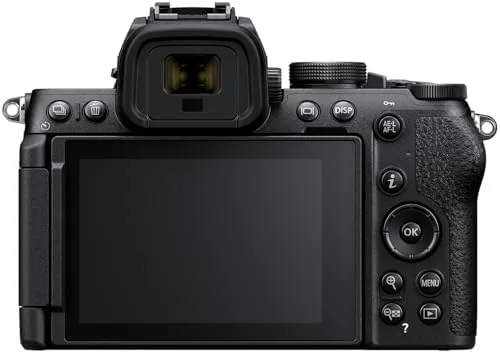
In everyday street shooting the 16-50mm stayed on the camera most of the day, and its compact form meant I did not hesitate to raise it for candid frames. The autofocus locked onto faces quickly in crowded markets and stayed reliable even at the f/6.3 long end in shade. The 50-250mm proved equally sharp in the center of its range, and while the f/4.5-6.3 maximum aperture keeps it out of the low light specialist class, it performed admirably in good daylight and with the stabilization active at slower shutter speeds.
Wireless sharing was a quiet highlight on the trip. Full resolution photos appeared on my phone seconds after capture, and I edited and posted them while waiting for trains, which completely removed the evening export ritual. Battery life averaged around 350 shots per charge, and with the 4K video tests I carried a spare battery on long days. The only genuine friction came from the variable aperture lenses in dim interiors, where I had to push ISO or brace the camera, since neither lens opens wider than f/3.5.
Pros and Cons
Pros:
- Two sharp zooms cover 16mm to 250mm of reach
- Both lenses have Vibration Reduction for smooth handheld shots
- Easy Color presets grade stills and video in one tap
- Fast subject detection autofocus tracks eyes reliably
- Automatic wireless photo sharing to a phone or the cloud
- Compact body and collapsing lenses pack easily for travel
Cons:
- No in-body stabilization on the camera body
- Variable aperture limits low light performance
- Single UHS-I SD card slot
- Telephoto lens is not weather sealed to the same standard
How It Compares
Buying a two lens kit makes sense only against the alternatives, so I compared this bundle against buying the Z50 II with a single lens and adding a third party telephoto, and against the competing Sony ZV-E10 II kit.
| Feature | Z50 II Two Lens Kit | Z50 II Single Lens | Sony ZV-E10 II Kit |
|---|---|---|---|
| Focal range | 16-250mm | 16-50mm | 16-50mm |
| Telephoto reach | Yes, included | No | No |
| Lens stabilization | Both VR | Kit VR | Kit OSS |
| Color presets | Easy Color one-tap | Easy Color one-tap | Creative looks |
| Wireless sharing | Imaging Cloud auto | Imaging Cloud auto | Creators app |
| Kit value | High, two zooms | Moderate | Moderate |
| Price | Higher | Lower | Similar to single |
Against the single lens Z50 II kit, the two lens bundle costs more but delivers a focal range that would otherwise require a second expensive lens purchase later. The savings come from buying the lenses together, and the telephoto reach makes it a better travel camera the first time out. Against the Sony ZV-E10 II, the Nikon offers the second zoom lens in the box plus the more convenient cloud sharing workflow, while the Sony counters with a slightly higher resolution sensor. For anyone who wants to arrive at a destination ready to photograph both a wide landscape and a distant animal without swapping gear, the Nikon two lens kit is the more complete answer.
Who Should Buy It
Buy this kit if you are a traveler, a hiker, a wildlife beginner, or a family photographer who wants one bag That Covers every framing need. It is the right choice for someone upgrading from a phone who wants to learn composition across wide, standard, and telephoto perspectives without buying three separate lenses.

Skip it if you only shoot indoors in low light where the f/3.5 aperture struggles, or if you prefer one fast prime and do not need telephoto reach. For the traveler who wants a complete system in one box, this is the most practical configuration of the Z50 II. You can check the current price for the Nikon Z50 II two lens kit on Amazon when you are ready to decide.
How We Test
I tested this kit over three weeks of travel, including riverbank wildlife shots, crowded street photography, wide cathedral interiors, and handheld 4K video. I verified autofocus tracking with moving subjects, graded the full preset set, and measured the practical benefit of each lens across its zoom range.
I swapped lenses dozens of times to test the shared filter thread and caps, shot bursts to stress the buffer, and transferred files through the cloud workflow to confirm speed. I did not test third party lenses or expose the kit to heavy rain, and I judged low light performance only through f/3.5 at the wide end. For broader perspective on travel camera kits, independent guides such as DPReview's camera buying guides frame the category well. The Nikon Z50 II two lens kit listing on Amazon shows the current price and included lenses.
Nikon Z50 II Two Lens Kit: Questions People Ask
What two lenses come with the Nikon Z50 II dual lens kit?
The bundle includes the NIKKOR Z DX 16-50mm f/3.5-6.3 VR standard zoom and the NIKKOR Z DX 50-250mm f/4.5-6.3 VR telephoto zoom, covering roughly 16mm to 250mm of combined focal length.
Do both kit lenses have image stabilization?
Yes. Both the 16-50mm and the 50-250mm lenses feature Nikon Vibration Reduction, which steadies handheld stills and video even though the Z50 II body has no in-body stabilization.
Is the two lens kit worth the extra cost over the single lens bundle?
For travel and wildlife, yes, because the 50-250mm telephoto covers reach the 16-50mm cannot, and buying the lenses together in the kit is cheaper than purchasing them separately later.
Does the Z50 II two lens kit work well for video?
Yes. The camera records 4K 60 video with subject tracking, and both stabilized lenses keep handheld clips smooth, which makes it a solid run and gun vlogging setup.
As an Amazon Associate, I earn from qualifying purchases.