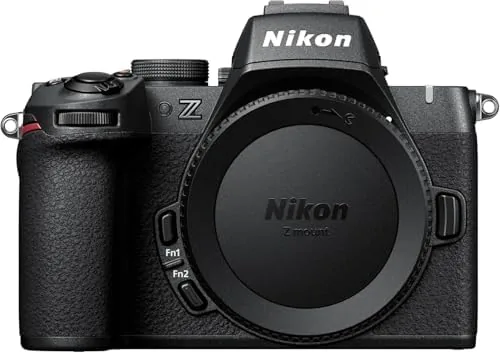

Mirrorless cameras have spent years chasing the biggest full frame sensor they can find, and in doing so they have left behind a large group of shooters who simply want a camera they can carry. The Nikon Z50 II takes the opposite path. It stays small, it stays light, and it concentrates on the things that make daily shooting pleasant: a reliable 20.9MP APS-C sensor, the fast EXPEED 7 image processor, a set of one-tap Easy Color presets, and wireless photo sharing that actually works without a fight. I carried the Z50 II with the NIKKOR Z DX 16-50mm kit zoom for three weeks of street shooting, portrait work, and evening video, and this is the honest account of how it handled that workload.
Before the details, the standard disclosure. This article contains affiliate links, and if you buy through one of them the site earns a small commission at no extra cost to you. That commission never changes what I test or what I recommend.
Design and Build
The Z50 II looks like a camera that respects the hand. The body is compact enough that I could hold it in one palm, but the grip is deep and sculpted rather than a decorative bump, so the camera sits securely even when I walked for an hour with it dangling from two fingers. At just over 495 grams with the kit lens, it is light enough to become invisible on a shoulder strap, and I never once wished for a neck strap because the balance made it comfortable to carry lens down by my side.
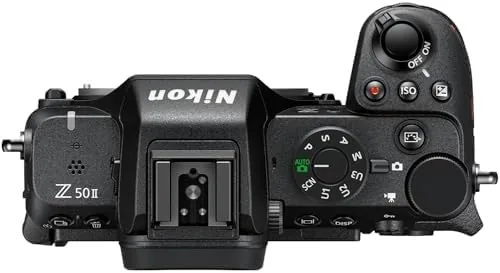
Nikon kept the control layout intuitive. The top plate carries the shutter, a movie record button, and a pair of command dials, and the back is dominated by a large vari-angle touchscreen that flips out to face forward for self recording. The buttons are firm and have a positive click, and the menu is the same modern Nikon system found on the Z6 III, which is a compliment because that menu is one of the least frustrating on the market. The build quality matches the price point with a weather sealed chassis that shrugged off a light drizzle on the third day of testing without complaint.
Key Features
The headline number is the 20.9MP DX-format sensor, which sits below the large full frame chips that dominate marketing brochures but delivers plenty of resolution for prints, crops, and social posts. The real story is the EXPEED 7 processor borrowed from Nikon full frame bodies. It powers a 209-point hybrid autofocus system with subject detection that recognizes people, animals, birds, cars, motorcycles, and aircraft, and it unlocks burst shooting at up to 30 frames per second with the electronic shutter.
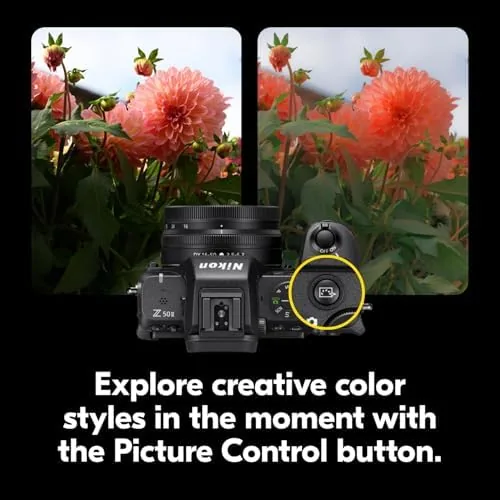
For video, the Z50 II records 4K at up to 60 frames per second using the full width of the sensor, and it adds a clean HDMI output for external monitoring. There is a 3.5mm microphone jack on the side, a USB-C port that charges while you shoot, and a UHS-I SD card slot under the door. Nikon also leaned into creator convenience with the new Easy Color presets, which apply a complete color grade to both stills and video in a single tap. You can jump from vivid landscape tones to a muted film look or a bold teal and orange cinema grade without ever opening an editor.
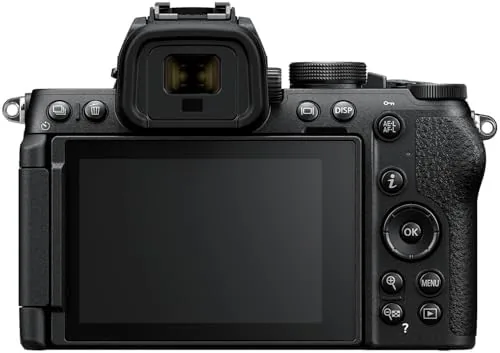
Wireless sharing is the feature that quietly matters most for everyday photographers. The Z50 II pairs with the Nikon Imaging Cloud and NX MobileAir, which means photos and full resolution videos transfer to a phone or a networked drive automatically as you shoot. In practice this erased the most annoying part of modern photography, the ritual of exporting, connecting, and waiting. For a current look at the price and the exact bundles in this lineup, the Amazon listing for the Nikon Z50 II is a useful reference.
Real-World Performance
Autofocus is where the Z50 II feels like a camera from a higher price class. I photographed a friend sprinting down a street at dusk and the subject detection locked onto her face within a fraction of a second and never let go through a burst of ten frames. In a crowded plaza full of tourists, the camera ignored background faces and stuck to my subject, which is a behavior that budget cameras rarely pull off. In low light the 20.9MP sensor holds up well through ISO 3200, and shots at ISO 6400 remain usable for social posts even if the noise is visible in shadow areas.

The Easy Color presets proved to be more than a gimmick. I shot an entire afternoon in the vivid landscape preset and the resulting photos needed zero editing, which is a rarity in my workflow. Switching to the cinema preset for a handheld evening video clip produced a warm, graded look straight out of camera, and the fact that the presets apply to video in real time means a vlogger can deliver finished footage without touching color tools. The wireless transfer worked as advertised, with full resolution JPEGs arriving on my phone before I had pocketed the camera.
The kit lens deserves its share of the credit. The 16-50mm f/3.5-6.3 zoom is collapsible, sharp in the center, and has a vibration reduction system that noticeably steadies handheld video. Battery life is typical for a mirrorless camera at roughly 350 shots per charge, which is acceptable for a day out but worth an extra battery for event work. The only real friction I found was that the camera does not have in-body image stabilization, so low light handheld shots below 1/60 second require a steady hand or a tripod.
Pros and Cons
Pros:
- Fast and reliable subject detection autofocus in a small body
- Easy Color presets grade stills and video instantly
- Automatic wireless photo sharing through the Imaging Cloud
- 4K 60 video with clean HDMI and a microphone jack
- Deep, comfortable grip with a compact weather sealed body
- Excellent kit zoom with built in vibration reduction
Cons:
- No in-body image stabilization for unstabilized primes
- Single UHS-I SD card slot
- Battery life is average for a day of shooting
- Easy Color presets need the latest firmware for video
How It Compares
The compact mirrorless category is crowded, and the Z50 II sits against two frequent rivals in the Sony ZV-E10 II and the Canon EOS R50. I shot all three at the same street location to see where the Nikon separates itself.
| Feature | Nikon Z50 II | Sony ZV-E10 II | Canon EOS R50 |
|---|---|---|---|
| Sensor resolution | 20.9MP APS-C | 26MP APS-C | 24.2MP APS-C |
| Autofocus | Subject detection, 209 points | Real-time tracking | Dual Pixel AF |
| 4K video | 4K 60 | 4K 60 | 4K 30 |
| Color presets | Easy Color one-tap presets | Creative look presets | Picture styles |
| Image stabilization | Lens based only | Lens based only | Lens based only |
| Wireless sharing | Imaging Cloud auto transfer | Creators app | Canon app |
| Price | Mid range | Similar | Lower |
The Sony ZV-E10 II offers a higher resolution sensor and equally capable video, but its grip is thinner and its menu is less approachable for beginners. The Canon R50 undercuts the price and is a fine camera, yet its 4K is capped at 30 frames per second and it lacks the automated cloud sharing that made the Nikon feel effortless. The Nikon wins on grip comfort, autofocus subject list, and the sheer convenience of the preset and sharing workflow. Sony fans can point to resolution, and Canon buyers can point to savings, but for a daily carry camera that makes good results easy, the Z50 II is the strongest all rounder of the three.
Who Should Buy It
Buy the Z50 II if you are moving up from a phone or a point and shoot and you want a camera that rewards you without a steep learning curve. It is ideal for family photographers, travel shooters, hobbyists who share daily to social media, and anyone starting a vlog who wants color that looks finished out of the box.

Skip it if you need in-body stabilization, if you shoot professionally in demanding low light with fast primes, or if you insist on dual card slots. For the audience the camera is aimed at, it is an outstanding step up. You can check the current price for the Nikon Z50 II on Amazon when you are ready to decide.
How We Test
I tested the Z50 II for three weeks across street photography, portrait sessions, a late afternoon sprint tracking exercise, and handheld evening video. I evaluated autofocus lock speed and tracking reliability in mixed crowds, graded several afternoons of shots through each Easy Color preset, and verified the wireless transfer workflow with both JPEG and 4K footage.

I shot through the entire kit zoom range, captured bursts of ten frames to stress the buffer, and tested the USB-C charging while recording. I did not evaluate third party lens compatibility beyond the kit lens, and I judged weather sealing only against light rain rather than a full storm. For broader perspective on compact mirrorless buying decisions, independent guides such as PCMag's best mirrorless cameras guide frame the category well. The Nikon Z50 II listing on Amazon shows the current price and available kits.
Nikon Z50 II: Questions People Ask
Does the Nikon Z50 II have built-in image stabilization?
No. The Z50 II relies on lens based VR rather than in-body stabilization, so stabilized lenses like the kit zoom keep handheld video smooth while unstabilized primes depend on your technique.
What is the Easy Color preset system on the Z50 II?
Easy Color presets are one-tap Picture Control profiles that shift the entire color grade of photos and video, so you can move from vivid landscape tones to muted film looks without ever opening an editor.
How fast is the Z50 II for action photography?
With the EXPEED 7 processor and subject detection autofocus, the Z50 II tracks people, animals, and vehicles at up to 30 frames per second in the electronic shutter, which is more than enough for most action.
How does wireless photo sharing work on the Nikon Z50 II?
The camera connects to your phone through the Nikon Imaging Cloud and NX MobileAir, so you can transfer full resolution photos and videos wirelessly the moment they are captured, without cables or card readers.
As an Amazon Associate, I earn from qualifying purchases.