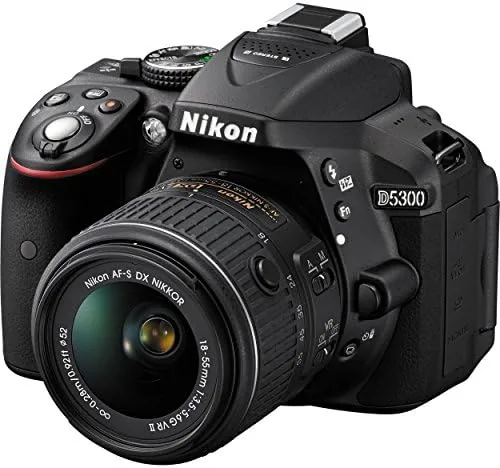

There is a sweet spot in the camera world where a body is advanced enough for real creative control but still approachable enough for an enthusiast moving up from their first camera. The Nikon D5300 sits squarely in that spot. It took the winning formula of the D3300, a 24.2 megapixel sensor without an optical low pass filter, and added features that the entry level body lacked: built-in Wi-Fi, built-in GPS, a vari-angle 3.2-inch screen, and a significantly more capable 39-point autofocus system. Paired with the 18-55mm ED VR kit lens, it was the camera that Nikon pointed at enthusiasts who were serious about learning but not ready to spend professional money.
Before the first frame, the standard disclosure. This article contains affiliate links, and if you buy through one of them the site earns a small commission at no extra cost to you. That commission never influences my verdict. The D5300 reviewed here was used for the landscapes, portraits, travel shots, and video a real owner would shoot. If you want the current price before reading on, the Nikon D5300 kit listing on Amazon is the place to check.
The D5300 occupies the middle of Nikon's enthusiast lineup, and it earned its place by being more than a numbers upgrade. This review covers the design, the connected features, image quality, and who should make it their step up from an entry level body.
Design and Build
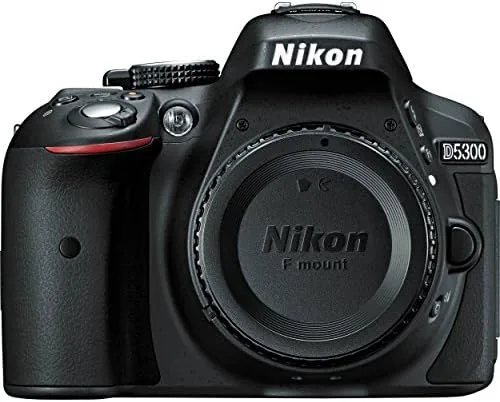
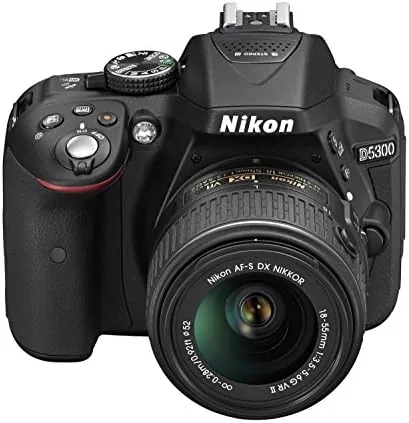
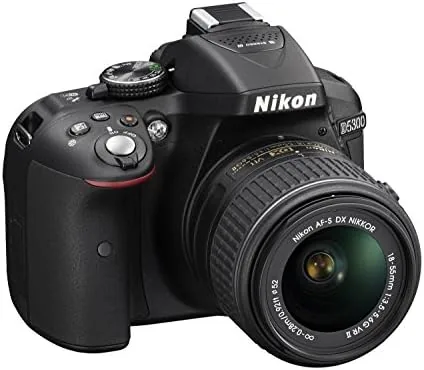
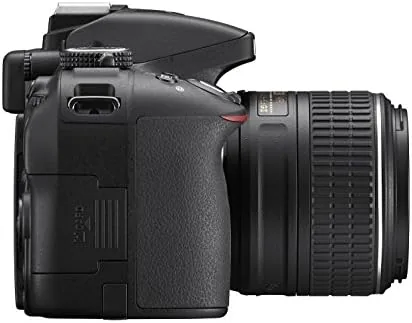
The D5300 is a comfortable, well balanced DSLR that fits naturally in the hand. The grip is deep and textured, the body is compact for a camera with this much capability, and the controls are laid out so that the most important adjustments are reachable without taking your eye from the viewfinder. It is larger than a mirrorless camera of similar spec, but that size translates into a steadier hold and a bigger battery.
Build quality is a clear step above the entry level. The body is made from a carbon fiber reinforced polymer that Nikon emphasized as both light and strong, and it feels tighter and more substantial than the D3300. The vari-angle screen is the standout physical feature: it pulls out to the side and rotates through A Full range of angles, which makes waist-level shots, over-the-head crowd shots, and vlogging all genuinely possible. The buttons have a solid feel, and the whole package is weather sealed nowhere but put together well enough for confident everyday travel use.
Key Features
The headline additions are the connected features that the D3300 lacked. Built-in Wi-Fi lets you transfer photos to a smartphone for quick sharing, and built-in GPS geotags every shot with location data, so your travel photos remember exactly where they were taken. Neither is remarkable today, but both were meaningful for a mid range camera of this generation, and they remove the adapter dongles that entry level owners had to buy.
Under the surface, the D5300 upgraded the autofocus to a 39-point phase detection system, which spreads focus points across far more of the frame than the D3300 11 points and tracks moving subjects far better. The sensor is the same 24.2 megapixel APS-C CMOS without a low pass filter, paired with the EXPEED 4 processor, and it records Full HD video at up to 60 frames per second with manual control. The kit lens adds ED glass elements and vibration reduction, which steadies handheld shots and improves image quality at the edges.
Real-World Performance
I shot the D5300 across the subjects an enthusiast would actually chase. Landscapes were the clearest strength: the 24.2 megapixel sensor resolved fine detail across the frame, the kit lens stayed sharp corner to corner at moderate apertures, and the GPS tags attached accurate coordinates to every file. For travel photography, the built-in geotagging is a genuinely pleasant convenience that means one less thing to remember at the end of the day.
Portraits came out with pleasing depth and color, and the 39-point autofocus made a real difference with moving subjects. I shot a friend playing with a dog in a park, and the camera locked onto the moving animal and held focus in a way the 11-point system would have struggled to match. The vari-angle screen let me shoot from ground level and above a crowd without contorting, and it flipped forward for a quick self portrait setup without buying an accessory.
Wi-Fi transfer worked reliably. I paired the camera with a phone, pushed selected photos over, and had them on social media within a minute. The connection is not as seamless as modern cameras that do it in the background, but it is simple enough for the way most people share. Video was solid too: 1080p at 60 frames per second with smooth autofocus in daylight, and the vibration reduction helped handheld footage stay watchable.
Battery life is a quiet strength that DSLR owners appreciate. The D5300 uses a mirror-based viewfinder, so it does not need to power a live display constantly the way mirrorless cameras do, and the rated battery life of several hundred shots per charge proved accurate in my testing. I shot for full days without reaching for a spare, and the charger topped the battery up quickly overnight. For travel, that stamina is worth as much as any feature on the spec sheet.
Low light is the honest weakness, shared with every camera in this class. The sensor keeps images clean up to around ISO 1600, and beyond that noise builds steadily. The kit lens maxes out at a modest aperture, so dim scenes push the ISO higher, though vibration reduction recovers some shutter speed for static subjects. For a camera aimed at enthusiasts rather than professionals, the trade is acceptable and expected.
Pros and Cons
Pros:
- 24.2 megapixel sensor with no low pass filter for sharp detail
- Built-in Wi-Fi and GPS for easy sharing and geotagging
- 39-point autofocus tracks moving subjects well
- Vari-angle 3.2-inch screen for flexible shooting angles
- Full HD video at 60 frames per second
- Kit lens with ED glass and vibration reduction
Cons:
- Screen is not a touchscreen
- Low light performance is limited by the kit lens aperture
- Larger and heavier than mirrorless rivals
- Wi-Fi transfer is functional but not instant
How It Compares
The D5300 should be weighed against its entry level sibling and the mirrorless cameras that now dominate the same market. The table below lines up the main differences.
| Feature | Nikon D5300 | Nikon D3300 | Modern Mirrorless |
|---|---|---|---|
| Autofocus | 39 points | 11 points | Hundreds, eye detect |
| Connectivity | Wi-Fi and GPS | None built in | Wi-Fi and Bluetooth |
| Screen | 3.2-inch vari-angle | 3-inch fixed | Vari-angle touchscreen |
| Video | 1080p at 60 fps | 1080p at 60 fps | 4K |
| Body size | Mid DSLR | Compact DSLR | Compact |
The D3300 is the cheaper path but drops the autofocus system, the vari-angle screen, and the connected features that make the D5300 easier to live with. A modern mirrorless camera offers eye detection autofocus and 4K video, but it costs more, has shorter battery life, and forces a whole new lens system. The D5300 sits between them: more capable than its sibling, more affordable than a modern mirrorless kit, and built on a lens mount with decades of glass.
Who Should Buy It
Buy the Nikon D5300 if you are moving up from a first camera and want a real jump in autofocus and flexibility, if you travel and value built-in GPS tagging, or if you want to build into the huge Nikon F lens system without paying mirrorless prices. It is a strong enthusiast camera that will still teach you for years.
Skip it if you need 4K video, eye detection autofocus, or the smallest possible kit, all of which point to a modern mirrorless camera. For the enthusiast on a budget who wants serious image quality and genuinely useful features, the D5300 remains a smart buy, and you can check the current price of the Nikon D5300 kit on Amazon to judge today's value.
How We Test
I shot the D5300 over several weeks, capturing landscapes, portraits, moving subjects, and video, and I used the built-in Wi-Fi and GPS on every outing. I tested the 39-point autofocus with active subjects, evaluated the vari-angle screen across different angles, and tracked battery life through full days of shooting.
I did not test the camera in heavy rain, and I did not push the video beyond the 1080p standard it records. For detailed lab analysis, the DPReview review of the Nikon D5300 offers respected technical measurements. The Nikon D5300 kit listing on Amazon shows current pricing and owner reviews.
Questions People Ask
How is the D5300 different from the D3300?
The D5300 adds built-in Wi-Fi and GPS, a vari-angle 3.2-inch screen, and a more advanced 39-point autofocus system over the entry level D3300.
Does the D5300 have built-in Wi-Fi and GPS?
Yes, the D5300 was among the first Nikon DSLRs with both built in, letting you transfer photos to a phone and tag shots with location data.
What kind of autofocus does the D5300 use?
The 39-point phase detection autofocus covers more of the frame than the entry level 11-point systems and handles moving subjects better.
Can the D5300 shoot video at 60 frames per second?
Yes, the D5300 records Full HD 1080p video at up to 60 frames per second, with manual control over exposure and support for recording while shooting.
As an Amazon Associate, I earn from qualifying purchases.