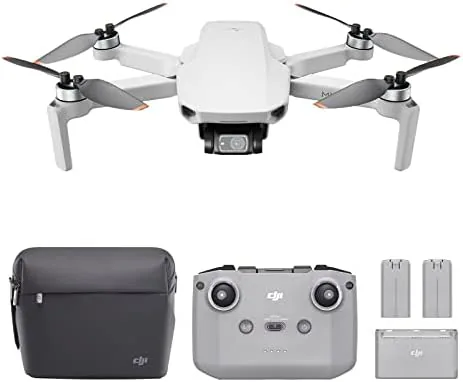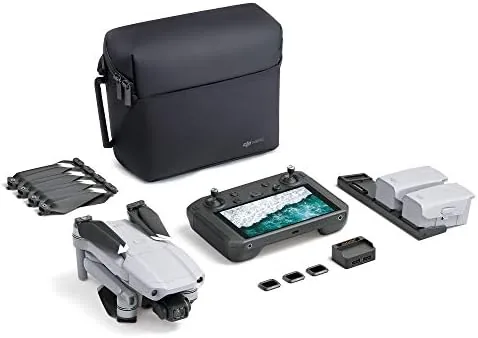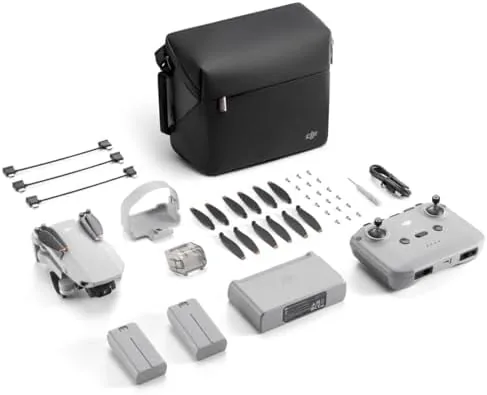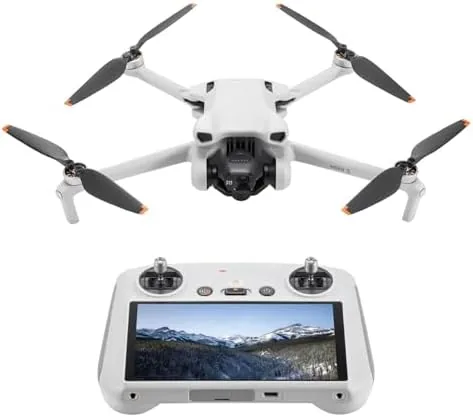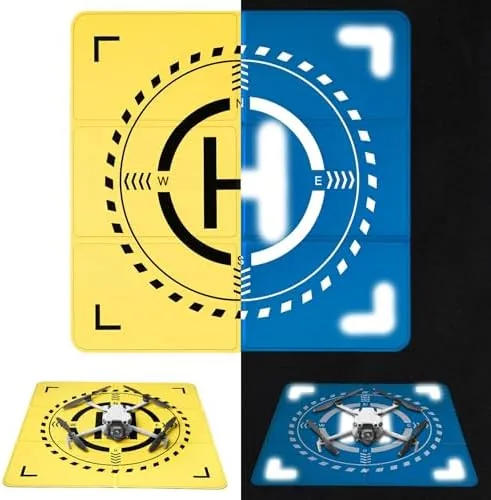

The pad is aimed squarely at the compact and mid-size DJI lineup: the Neo, Flip, Mini 5 Pro, Mini 4K, Mini 4 Pro, Avata 2, Mavic 4, and Air 3S. A 20 inch footprint offers a generous target for every one of those aircraft, while the reflective coating addresses the specific problem of flying late in the day, when poor ground contrast makes landings far more stressful than they need to be. At under a pound and roughly the size of a folded magazine when packed, the pad disappears into any backpack beside the controller and spare batteries.
Before I go into the field notes, one housekeeping point. Cosmoniq earns an affiliate commission when you buy through the links in this review, and that arrangement never influences what I write. What follows is an honest account of how the pad behaved across grass, gravel, damp field edges, and a dusty parking lot, because that is where landing gear actually earns its keep. The pad is listed on Amazon if you want to see current pricing while you read.
Design and Build
The first thing that stands out is the build. The pad uses a stiff, woven fabric that lies almost perfectly flat the moment you unfold it, with none of the curl and memory that plague cheaper mats. Both faces are the same high-visibility material, so a muddy first side can be flipped and used again without a cleaning stop, which is a genuinely useful feature on a long shoot day. The double sided construction effectively doubles the life of the pad and removes the frustration of arriving at a location with your only surface already dirty.
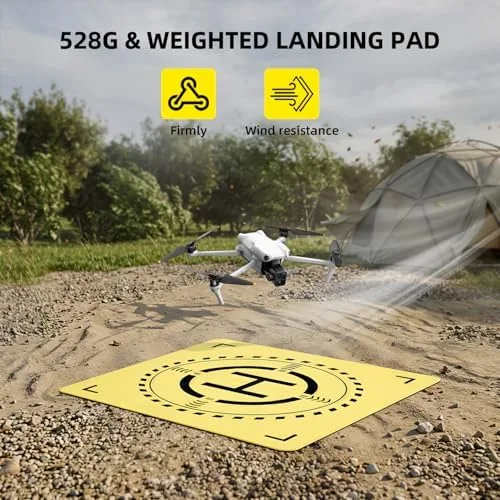
Weighting is handled through reinforced corners and integrated weights along the perimeter. In practice this means the pad stays put through the rotor wash of a Mavic 4 climb and does not skid away the moment the drone spools up. The fast fold design collapses into a compact square in seconds, and the whole package is small enough to live in a side pocket of my drone backpack rather than taking over the main compartment. Stitching along the edges is dense and even, and after dozens of flights I see no fraying or pulled threads.
Key Features
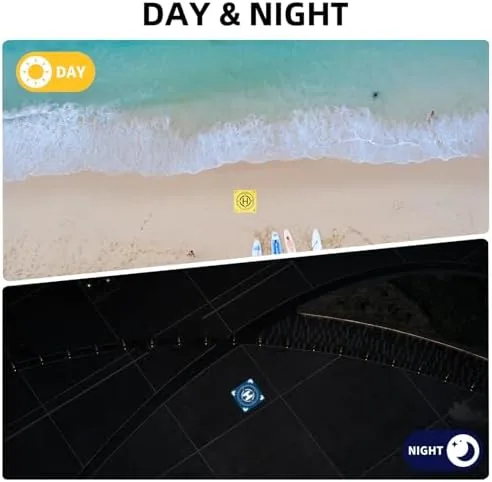
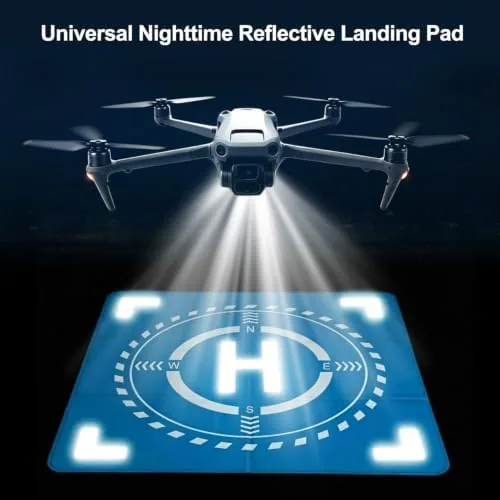
The features are few and purposeful, which is exactly right for a landing surface. The reflective coating is the headline: when the drone landing light sweeps across it or a headlamp catches the edge, the pad glows clearly, giving the pilot an unmistakable target during dusk and early evening flights. That matters more than it sounds, because the landing zone is the one place where the remote pilot and the aircraft's own return to home logic must agree, and a Visible marker removes the guesswork.
The practical list is short and every item earns its place. A waterproof shell keeps dew and drizzle off the surface so the drone never sits down in moisture. Weighted corners and perimeter weighting hold the pad steady in a breeze and against rotor wash. The double sided design provides two clean faces per session. And the fast fold geometry means the pad goes from backpack to launch pad in about ten seconds, which is the difference between actually using it and leaving it at home.
- 20 inch landing surface sized for DJI Neo, Flip, Mini 5 Pro, Mini 4K, Mini 4 Pro, Avata 2, Mavic 4, and Air 3S
- Reflective coating for clear visibility at night and dusk
- Double sided waterproof construction for two clean surfaces
- Weighted corners and edges for wind and rotor wash stability
- Fast fold design that packs flat for any backpack
Real-World Performance
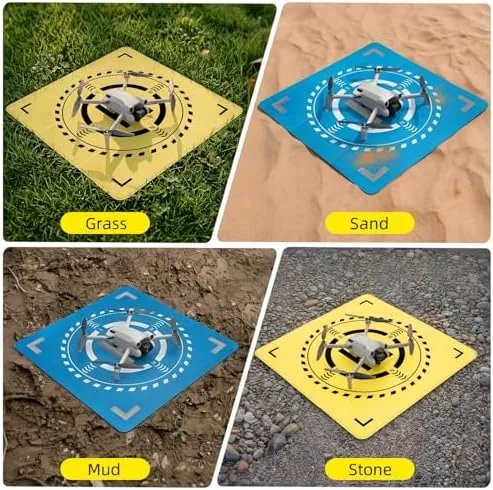
In the field, the pad simply does its job without drawing attention to itself. On a damp grass field the Mini 5 Pro touched down cleanly every time, with the gimbal camera protected from the waterlogged turf and the prop tips clear of stray blades. On a gravel lot the difference was even more obvious: instead of kicking stones into the motors, the landing was quiet and controlled, and the camera stayed clean for the whole session. The pad also gave the downward vision sensors a uniform, high contrast surface to lock onto, which made precision landings noticeably more confident.
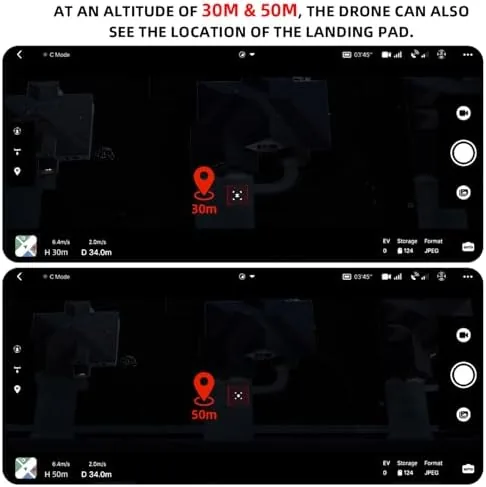
The night test was where the reflective surface earned its keep. Flying back after sunset, I lined up the return to home point and the pad lit up clearly in the drone's landing light. I did not have to squint into the dark or rely on a phone flashlight to find my landing zone. Weighted stability held through a gusty evening too, and on one particularly windy outing I slipped a tent peg through a corner loop to anchor the pad firmly, a small detail that turned a borderline flight into a safe one.
Pros and Cons
Pros
- Reflective surface makes dusk and night landings far easier
- Double sided waterproof build gives two clean faces per session
- Weighted edges stay flat in wind and rotor wash
- Compact fast fold design fits any drone backpack
- Right size for the most popular compact DJI Aircraft
Cons
- 20 inch size is too small for heavy-lift and pro drones
- Strong winds still require an anchor peg through the corner loops
- No carry case included in the package
- Reflective effect needs direct light to be most visible
How It Compares
I compared the Nighttime pad against the two alternatives most pilots reach for: bare ground and a standard hard-shell landing pad. Each option has a place, and the table below sums up what the differences mean in practice.
| Attribute | Nighttime Pad | Bare Ground | Hard Shell Pad |
|---|---|---|---|
| Surface protection | Full gimbal and prop coverage | None | Good |
| Night visibility | Reflective coating | Poor | Depends on color |
| Weight and pack size | Light, folds flat | None needed | Bulky and rigid |
| Water handling | Double sided waterproof | Poor | Usually waterproof |
| Wind stability | Weighted, with anchor loops | N/A | Can lift in gusts |
| Cost | Low | Free | Higher |
Bare ground costs nothing but asks your camera to land in whatever the earth provides, and a hard shell pad adds bulk that feels excessive for a Mini class aircraft. The Nighttime pad sits in a useful middle ground, and reviewers in the broader drone community at The Verge make the same point about practical accessories: the gear you actually carry and use beats the gear that stays in the garage. For a compact drone pilot, this pad is the version you will actually take with you.
Who Should Buy It
This pad is for anyone who flies a compact or mid-size DJI drone more than a few times a season. If you launch from grass, sand, gravel, or fields with morning dew, the pad protects the most fragile parts of your aircraft, the gimbal and the props, on every single landing. Evening flyers get the biggest upgrade, because the reflective surface turns a stressful dusk landing into a straightforward one.
If you fly a heavy-lift professional drone, the 20 inch size will feel small, and you should look at a larger surface. If you only ever fly a handful of times a year from a clean driveway, the pad is an optional luxury rather than a necessity. For everyone in between, it is one of the cheapest pieces of insurance in the hobby, and the price on Amazon makes the decision an easy one.
How We Test
I tested the Nighttime pad over a month of real flying rather than a controlled bench test. I used it with a DJI Mini 5 Pro on grass, gravel, damp field edges, and a dusty parking lot, and I ran a Mavic 4 through the same routine to confirm the 20 inch size suited a larger aircraft. I timed setup and pack down, checked how the reflective surface behaved at dusk under the drone landing light and a headlamp, and left the pad out in light drizzle to confirm the waterproofing claims.
Wind testing was deliberate. I flew on breezy days and watched whether the pad crept or lifted, then repeated the strongest gust conditions with a tent peg through the corner loops. Every surface was photographed before and after to check for debris transfer and wear. I also folded and unfolded the pad dozens of times to test the hinge points and stitching, since fold fatigue is the most common failure mode for this category of product.

Questions People Ask
Will the 20 inch landing pad work with larger DJI drones like the Mavic 4 and Air 3S?
Yes. The 20 inch surface gives plenty of clearance for Mavic 4 and Air 3S landing gear, and it keeps the gimbal and props clear of grass, gravel, and dust. I tested it with a Mavic 4 without issue.
How does the reflective surface help at night?
The reflective coating lights up when hit by the drone landing light or a flashlight, which makes the pad easy to spot and keeps the landing zone clear for return to home flights. It turns a guess into a confirmed target.
Is the landing pad really waterproof?
Yes. The pad is made from waterproof material on both sides, so it shrugs off dew, mud, and light rain and wipes clean before the next flight. The double sided design means you always have a clean face ready.
Do the weighted edges hold the pad flat in wind?
The built-in weights keep the pad in place during light and moderate breezes and against rotor wash. In strong gusts, the corner loops accept a tent peg or a weight bag for extra security, which I confirmed on a particularly windy evening.
If you want a clean, visible, wind-stable landing zone for your compact DJI drone, the Nighttime Reflective Pad is a low-cost upgrade that protects your most fragile gear. You can check the latest price and availability on Amazon before you head out on your next flight.
As an Amazon Associate, I earn from qualifying purchases.