
Most energy drinks are a blunt instrument. They arrive with a loud flavor, a wall of carbonation, and a caffeine spike that shows up fast and leaves even faster. Monster Rehab Tea and Lemonade takes a different approach. It swaps the syrup for brewed tea, swaps the aggressive fizz for a light carbonation, and aims for a profile closer to a tall glass of iced tea than a can of rocket fuel. I spent a full week drinking it at the exact times I normally reach for coffee to see whether this softer approach still delivers a usable lift.
The usual disclosure up front. This review contains affiliate links, and if you buy through one of them this site earns a small commission at no cost to you. That does not change what I test or what I recommend.
Design and Packaging
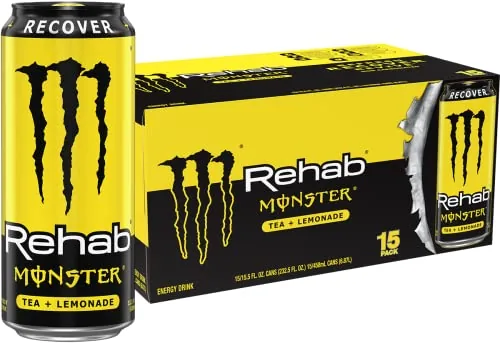
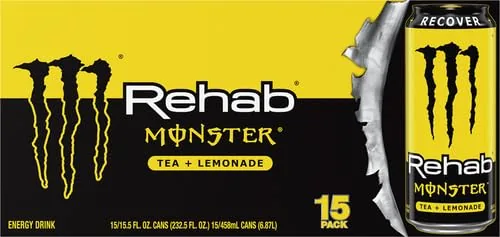
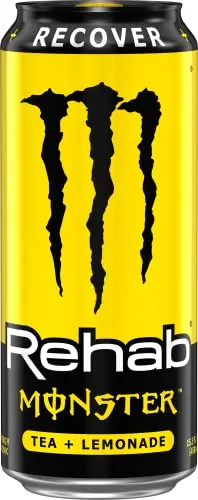
The Rehab can is a 15.5 ounce aluminum format with a clean, sporty label that breaks from the chaotic Monster look. The design leans on yellow and tea imagery rather than the green Monster claw, which makes the can read as a refreshment first and an energy drink second. That visual signal matches the liquid inside, because this is a product that wants to sit in the fridge next to the lemonade rather than hide in the back of the pantry.
The 15.5 ounce size is slightly smaller than the 16 ounce Zero Ultra can, which is a marginal difference in practice. The can chills quickly, the tab opens cleanly, and the label holds up to condensation without peeling. It is the kind of packaging that does not draw attention to itself, which is appropriate for a drink that is really about the liquid rather than the show.
The pack of 15 is the practical buying unit. At one can a day, it covers two working weeks, which is the cadence most regular drinkers actually follow. For a drink that is meant to be a daily refreshment rather than a special occasion, buying in quantity makes sense, because the alternative is a constant stream of single can orders.
Key Features
The core of Rehab is the brew. This is not a synthetic tea flavored energy drink, it is a product built around brewed black tea, and you can taste the difference in the body of the drink. The tea provides a real backbone of flavor that carries the lemonade sweetness rather than being masked by it.
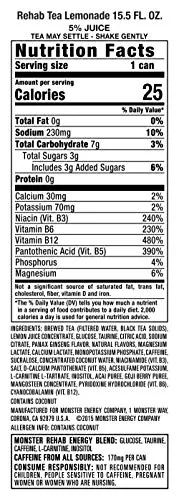
Each 15.5 ounce can carries about 140 milligrams of caffeine, drawn from a blend of the tea itself and added caffeine. That puts it in the same league as a strong cup of coffee and slightly below the most aggressive energy drinks. The recipe uses less sugar than the classic Monster cans, which changes the character of the drink as much as the calorie count, because it lets the tea and lemon notes come through instead of a wall of sweetness.
Electrolytes round out the profile, which makes the drink a natural fit for hot days and light activity rather than just desk work. The carbonation is light, more like a sparkling iced tea than a cola, and it softens within minutes of opening, which is a feature rather than a flaw because it lets the tea flavor carry the finish.
Real-World Performance
I tested Rehab as a replacement for my afternoon coffee, which is the slot where a lighter energy drink either earns its keep or gets abandoned after day two. The taste test came first, and it passed without complaint. The drink genuinely tastes like sweetened iced tea with a lemonade finish, bright and clean, and it stays pleasant all the way to the bottom of the can rather than turning cloying in the last third.
The energy curve is where Rehab distinguishes itself. The caffeine arrived more gently than a typical energy drink, building over about thirty minutes rather than landing all at once, and the lift felt clean without the jittery edge I associate with high dose products. It held for a solid three to four hours and then faded without the hard crash that follows sugary drinks. For an afternoon slot, that profile is close to ideal, because it bridges the gap between lunch and the evening without making you feel wired.
I also tried it during a warm afternoon outside, which is where the electrolyte claim gets tested. The drink stayed refreshing even in the heat, the light carbonation did not turn harsh, and it genuinely felt more like a beverage than a supplement. On a purely practical level, the one thing I would change is the sweetness, because the lemonade note is noticeable and it will be too sweet for people who drink plain unsweetened tea. One more observation from the week of testing deserves a mention, because it is the kind of detail that shows up only with repeated use. The drink pours cleanly with almost no foam, and there is no syrupy residue left on the rim of a glass, which is a small signal that the recipe is lighter than the classic Monster cans. That lightness carries through to the mouthfeel, and the finish stays crisp rather than coating the palate. It makes the can easy to drink quickly when you are busy, and it also makes it easier to pick up a second one later in the day without feeling weighed down.
Pros and Cons
Pros:
- Real brewed tea flavor with a bright lemonade finish
- About 140 milligrams of caffeine in a usable, moderate dose
- Less sugar than the classic Monster cans
- Gentle energy curve that fades without a hard crash
- Light carbonation that does not overwhelm the tea
- Electrolytes make it a sensible choice on warm days
Cons:
- Lemonade sweetness will be too much for plain tea drinkers
- Carbonation softens quickly after opening
- Lower caffeine dose than hardcore energy drink fans expect
How It Compares
Rehab Tea and Lemonade sits between the classic energy drink and a plain iced tea, and the comparison needs to account for both. I lined it up against a standard energy drink and a bottled iced tea to show where it lands.
| Feature | Rehab Tea Lemonade | Classic Energy Drink | Bottled Iced Tea |
|---|---|---|---|
| Caffeine | 140 mg in 15.5 oz | 160 mg in 16 oz | 30 to 50 mg in 16 oz |
| Base flavor | Brewed black tea | Syrupy fruit blend | Plain or lightly sweet tea |
| Carbonation | Light, softens fast | Aggressive | None |
| Sugar | Moderate, less than classic | High | Depends on the brand |
| Electrolytes | Included | Usually not | No |
Against a classic energy drink, Rehab trades some caffeine and all the drama for a drink you could serve at a table without apology. Against a plain bottled iced tea, it adds a meaningful caffeine dose and electrolytes while keeping a similar refreshment profile. The middle ground it occupies is genuinely useful, because it serves people who want the lift but not the energy drink flavor.
Who Should Buy It
Buy Monster Rehab Tea and Lemonade if you drink iced tea regularly and want an energy drink that does not Taste Like one. It is the obvious pick for people who have tried classic energy drinks and bounced off the flavor, and for anyone who wants a drink that works at an office desk or a picnic table with equal grace.
Skip it if you want a heavy caffeine hit, because 140 milligrams is a moderate dose and hardcore users will find it gentle. Skip it if you prefer completely unsweetened drinks, because the lemonade sweetness is central to the recipe, and skip it if you want the loud energy drink ritual. For the middle ground, this is one of the best balanced options on the shelf. You can check the current price for the Monster Rehab pack on Amazon whenever you are ready to try it.
How We Test
I drank a can of Rehab at the same afternoon hour for six consecutive weekdays and tracked energy, jitter, and crash on a simple rating scale every hour for five hours. I compared the flavor blind against a classic energy drink and a bottled iced tea to separate taste from branding, and I tested it both chilled and at room temperature.
I did not combine the drink with other caffeine sources during the test, and I did not evaluate it as a workout supplement, because the goal was to measure it as a daily refreshment. Caffeine sensitivity varies, so new drinkers should start with a single can. For more on energy drink ingredients and caffeine guidance, the reporting at CNET Health is a reasonable starting point.
If the tea profile appeals to you, the Monster Rehab Tea and Lemonade listing on Amazon shows the current pack options.
Monster Rehab Tea and Lemonade: Questions People Ask
How much caffeine is in Monster Rehab Tea and Lemonade?
Each 15.5 ounce can contains about 140 milligrams of caffeine from a blend of brewed tea and added caffeine.
Is Monster Rehab Tea and Lemonade carbonated?
The Tea and Lemonade version has light carbonation, noticeably softer than the classic Monster carbonation profile.
Does Rehab have less sugar than regular Monster?
It does, the Tea and Lemonade recipe uses less sugar than the classic cans, which changes both the sweetness and the energy curve.
What does the Rehab energy drink taste like?
It tastes like a sweetened black tea with a bright lemonade finish, closer to an iced tea than a traditional energy drink.
As an Amazon Associate, I earn from qualifying purchases.