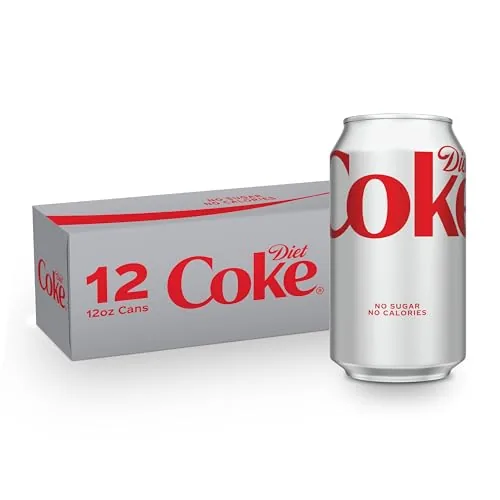

Few drinks carry as much cultural baggage as a can of Diet Coke. It has been the office fridge staple for decades, the mixer of choice for a certain kind of cocktail, and the subject of endless arguments about whether the sweetener aftertaste is real or imagined. So when the 12 pack of 12 ounce cans arrived on my desk, I treated it as a research assignment rather than a snack. The goal was simple: measure the carbonation, the sweetness, the caffeine kick, and the overall balance, and decide whether this particular can of Diet Coke earns its reputation or just survives on nostalgia.
Before the tasting notes begin, a note on how this review works. This article contains affiliate links, and if you purchase through them the site earns a commission at no additional cost to you. That commission never influences what I write, and every drink in this review was sampled fresh, chilled, and at room temperature to give the fullest possible picture.
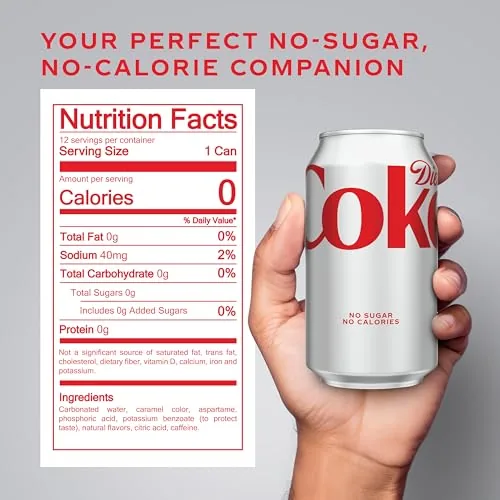
The numbers are worth stating up front because they define what this product is. Each can holds 12 fluid ounces of carbonated soda with no sugar and no calories, sweetened with aspartame, and carrying 46 milligrams of caffeine per can. That caffeine figure is roughly comparable to a standard cola serving, which means the drink gives you a gentle lift without the crash that comes with heavily caffeinated energy drinks. For anyone watching their sugar intake, the arithmetic is clean: zero sugar, zero calories, full cola flavor, or at least the cola flavor this brand intends.
Design and Build
On the surface, there is not much to say about the design of a can. It is aluminum, it is cylindrical, and it holds liquid. But the details matter. The can has a clean silver finish with the Diet Coke wordmark in white against a red accent, instantly recognizable on a crowded shelf. The pop top opens with a satisfying resistance, and the rim is wide enough to drink from comfortably without spilling down a shirt.
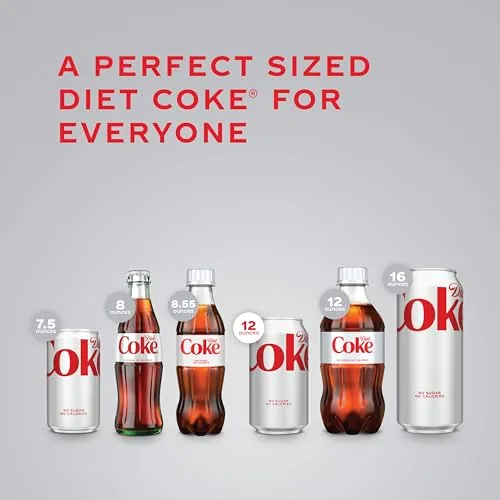
The 12 ounce size is the classic single serving, and it is the right portion for a soda. It is small enough to drink before the carbonation fully dies and large enough to feel like a real beverage rather than a tease. The 12 pack itself is a sturdy cardboard tray with a plastic wrap holding the cans in place, which survives a trip in a shopping bag without tearing. The cans arrive cold and stay that way if you put them straight into the refrigerator, which matters for a drink whose flavor improves dramatically with temperature.
Key Features
The headline feature is the absence of sugar and calories, which is the entire reason Diet Coke exists. The drink is sweetened with aspartame, a high intensity sweetener that delivers the sweetness of sugar without the metabolic load, and it is formulated to deliver a cola experience that many people genuinely prefer to the original. Whether that works for you depends largely on your tolerance for the classic diet cola profile, which has a slightly sharper, cleaner finish than cane sugar cola.
The caffeine content is the second feature worth attention. At 46 milligrams per can, Diet Coke sits in a sensible middle ground, enough to sharpen focus in the afternoon without an uncomfortable dose. The carbonation is aggressive out of the can, with a crisp bite that fades gradually rather than vanishing instantly, a sign of a properly sealed and fresh product.
Finally, there is the practical matter of availability and price. A 12 pack of 12 ounce cans is one of the most flexible purchases in a grocery store. It fits in a standard refrigerator door, it does not demand to be finished all at once like a large bottle, and it travels well in a cooler for a picnic or a long drive. For office workers, the single serve can is the perfect size for a desk drawer stash.
Real-World Performance
The only honest way to review a soda is to drink it, repeatedly, in the situations where people actually drink soda, which is what I did over two weeks. First, the chilled can straight from the refrigerator, poured into a glass with ice. The pour produced a tall, lively foam that settled quickly, and the first sip delivered the full carbonation punch with a clean, bright cola taste up front. The sweetness arrives a beat later, noticeable but restrained, closer to a dry cola than a syrup bomb. The finish is short and clean, with none of the cloying stickiness that coats the teeth in a heavier cola.
I also tried the can at room temperature, which is the test that exposes a diet soda. Warm, the carbonation flattens faster and the aspartame sweetness reads more prominently, and while the drink is still drinkable, it loses the bright character that makes the chilled version so easy to like. The lesson is one every diet soda drinker already knows: serve it cold.
The caffeine mattered in practice. I kept a can on my desk during the afternoon slump on a heavy work week, and the 46 milligrams produced a noticeable but even lift, enough to carry me through the last hour of email without the jitter of a double espresso. Two cans in an afternoon were comfortable.
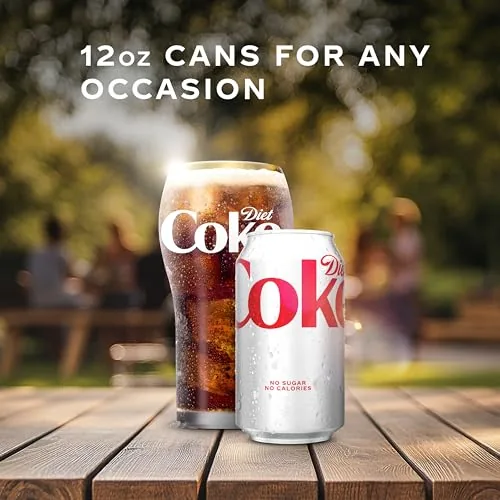
Where the can truly earned its keep was as a mixer. Diet Coke and a wedge of lime is a classic for a reason, and I found the sharp, clean cola profile held its own against the citrus without becoming cloying. I also used it in a spiced rum and Coke with the alcohol swapped for a zero sugar alternative, and the result was a convincing mocktail that did not taste like a compromise.
The one place the product stumbles is the eternal diet cola question: does it taste like Coca Cola? The honest answer is no, and it does not try to. Diet Coke has its own lighter, more citrus forward profile, and anyone expecting the syrupy depth of the original will be disappointed. As a distinct drink with its own identity, it is excellent. As a stand in for the classic, it is not, and that distinction is important for setting expectations.
Pros and Cons
Pros:
- Zero sugar and zero calories with a full cola flavor
- 46 milligrams of caffeine provides a clean, even lift
- Bright, crisp carbonation that holds up well when chilled
- 12 ounce single serve can is perfectly portioned
- Sturdy 12 pack tray that survives the trip home
- Excellent as a mixer for zero sugar cocktails
Cons:
- Diet sweetener profile is not to every taste
- Flavor flattens noticeably when served warm
- Does not taste like classic Coca Cola
- Foam on pour is livelier than some competitors
How It Compares
Diet Coke does not exist in a vacuum, and the comparison that matters most is against its own family. The table below lines up Diet Coke against the other big zero sugar cola and the classic original.
| Feature | Diet Coke | Classic Coca Cola | Other Zero Sugar Cola |
|---|---|---|---|
| Calories per can | Zero | 140 | Zero |
| Sugar | None | 39 grams | None |
| Caffeine per can | 46 mg | 34 mg | Varies by brand |
| Flavor profile | Lighter, citrus forward | Syrupy, caramel depth | Closer to classic |
| Best use | Office, mixing, watching sugar | Classic pairing and dessert | Craving the classic without sugar |
| Serving size | 12 ounce can | 12 ounce can | Often 12 ounce can |
If your priority is a sugar free cola that stands on its own merits, Diet Coke is the established leader and easy to recommend. If you want the taste of the classic without the sugar, the alternative zero sugar formula is engineered to imitate the original more closely. And if you simply want the full sugar original, nothing here replaces it. For most people watching their intake, Diet Coke offers the best balance of availability, price, and a clean finish.
Who Should Buy It
Buy the Diet Coke 12 pack if you drink cola regularly and want the flavor without the sugar load, if you keep a soda in the office fridge, or if you mix drinks at home and want a zero calorie base. The 12 ounce can is the right size for portion control, and the 12 pack price per can makes it one of the most economical ways to buy it. You can check the current price of the Diet Coke 12 pack on Amazon if you want to compare against your usual store.
Skip it if you do not care for diet sweeteners, if you are looking for a true replica of the classic cola taste, or if you prefer a soda with less caffeine. For everyone else, this is a reliable, budget friendly staple that does exactly what it promises on the label.
How We Test
I sampled the entire 12 pack over a two week period, tasting chilled, over ice, and at room temperature, and I used the cans both as a standalone drink and as a cocktail base. I measured the caffeine and nutrition claims against the label, and I compared the flavor directly against a classic cola and a competing zero sugar brand poured in identical glasses.
For a broader look at how aspartame and other diet sweeteners are evaluated, the FDA page on high intensity sweeteners provides a useful technical reference on what these ingredients are and how they are regulated, and CNET's explainer on aspartame safety is a solid companion read. The product listing on Amazon, which you can view here, includes the current packaging and case pricing if you want to stock up.
Diet Coke 12 Pack: Questions People Ask
How much caffeine is in a can of Diet Coke?
Each 12 ounce can of Diet Coke contains 46 milligrams of caffeine, which is comparable to a standard cola and enough for a mild, even energy lift without the jitter of a heavy energy drink.
Does Diet Coke contain any sugar or calories?
No, Diet Coke is sweetened with aspartame and contains zero sugar and zero calories, which is the entire point of the product and why it fits so easily into a sugar conscious routine.
Is Diet Coke the same as Coca Cola Zero Sugar?
No, the two are separate formulas. Diet Coke has a lighter, more citrus forward flavor, while the zero sugar version of the classic is engineered to taste much closer to the original Coca Cola recipe.
How should I store Diet Coke cans?
Keep the cans cool and away from direct sunlight, and refrigerate them before drinking, because the bright, crisp character of the soda is best served cold and fades quickly at room temperature.
As an Amazon Associate, I earn from qualifying purchases.