
Some of the best camping gear is the stuff that refuses to do just one job. This hammock rain fly tarp review records three nights spent under, over, and around a waterproof sheet that is marketed as a hammock cover, a tent footprint, a ground cloth, and a camp shelter all at once. The honest verdict is that it handles every one of those roles competently, which makes it a genuinely clever piece of kit for anyone who likes to keep their pack light.
Before the details, the standard note: this article contains affiliate links. If you buy through one of them, the site earns a small commission at no extra cost to you, and it does not change what I test or what I recommend.
Design and Build
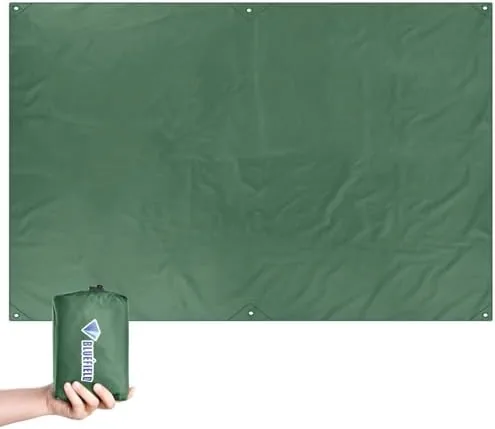
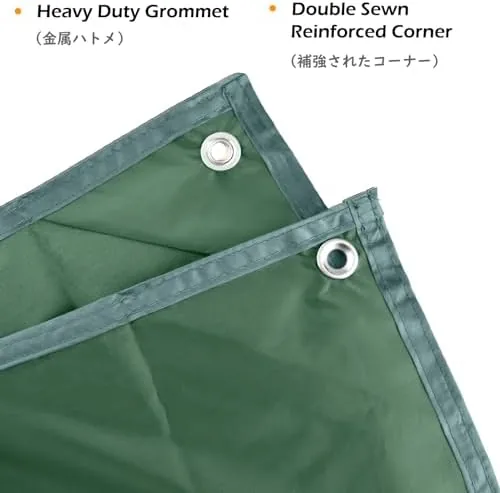
The tarp is a rectangular sheet of coated fabric with reinforced grommets along the edges and seams that are taped to keep water out. The fabric has a crisp, waterproof feel rather than a floppy cheap texture, and the whole sheet folds into a compact bundle that slides easily into a backpack side pocket or on top of a load.
The grommets are placed at sensible intervals around the perimeter, which gives you real flexibility in how you pitch it. You can run a ridgeline through them, stake the corners, or wrap the edges around trees. The fabric does not stretch badly when wet, so the pitch stays firm through a rain shower, and it dries quickly once the sun returns.
There is no included ridgeline rope or stakes in the main package, so you will want to carry your own cord and pegs. That is not a flaw, since most campers already own those, and keeping the tarp bare keeps the weight and the price down. The sheet itself is light enough that the weight barely registers inside a full pack, and it rides flat against the side of a pack where it stays out of the way.
Key Features
The tarp is a true multipurpose sheet. As a hammock rain fly, it pitches above the hammock with a ridgeline and sheds rain away from your sleeping area. As a tent footprint, it lies flat beneath a tent and protects the floor from rocks, roots, and ground moisture.
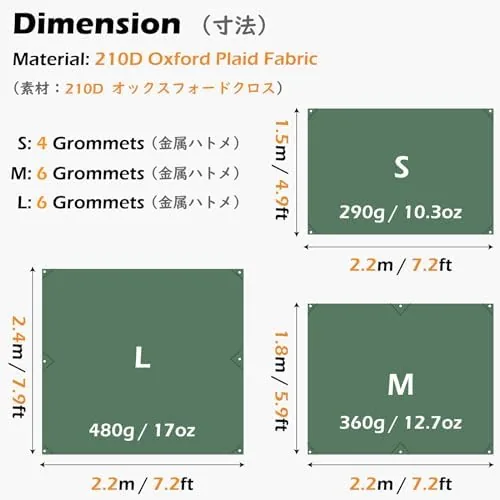
It also works as a ground cloth for picnics, a sunshade stretched between poles, and a simple shelter roof for a tarp camp. The grommets and the clean rectangle shape make all of these setups straightforward, which is the whole appeal of a single sheet that covers so many base needs.
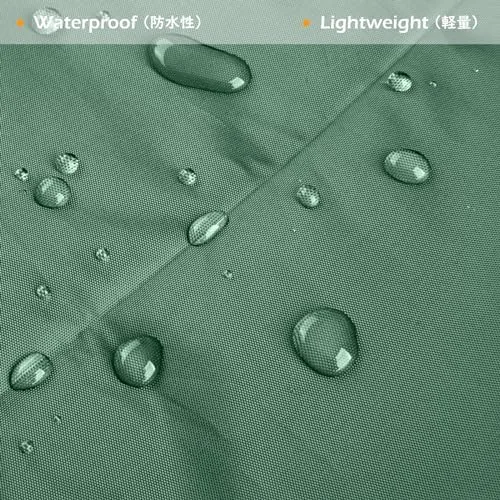
The waterproof coating is the core spec, and in practice it performs. Water beads on the surface and runs to the edges instead of soaking through, and the taped seams hold their seal across repeated wetting. That reliability is what separates a real camping tarp from a cheap emergency sheet.
Packing is worth planning around. The tarp folds into a neat rectangle, and rolling it rather than folding it reduces creases and keeps the waterproof coating happy over many trips. With the included storage bag, it compresses small enough to fit in a side pocket of a daypack, which is convenient for a hiker who wants a quick shelter option on short trails.
Real-World Performance
On the first night I pitched the tarp as a rain fly over a hammock, and a steady overnight drizzle tested the setup. The tarp shed the rain cleanly, the ends stayed open for airflow, and the hammock stayed dry from top to bottom. By morning the underside was dry and the fabric had already shed most of its water.
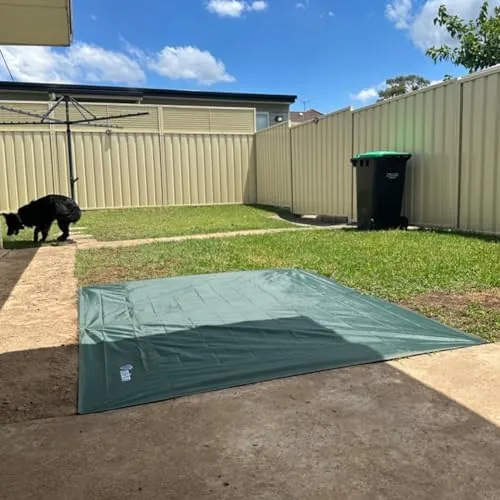
As a tent footprint the tarp performed exactly as hoped. Under a small tent on a damp, rooty site, it protected the tent floor completely and gave the camp a dry place to stand and cook. On the third day I used it as a sunshade stretched between two trees, and the fabric blocked the worst of the midday sun during a break.
The weight and pack size are a real strength. The tarp rides easily in a pack without crowding out other gear, and the bare design means there is no awkward hardware to lose. For a backpacker who wants one sheet that covers several jobs, this is a sensible addition to the kit.
The honest limits are width and hardware. The tarp is not a full size four season shelter roof, so a heavy sideways rain can find its way in around the edges if you pitch it too tight. And because stakes and rope are sold separately, a first time buyer needs to bring their own kit or budget for it.
On the second morning I used the tarp as a kitchen fly, staking one corner high and two corners low to make a lean-to over a camp stove in a light drizzle. That setup is where a multipurpose sheet earns its keep: the same piece of fabric that slept under the hammock overnight became the roof over breakfast, and it took about two minutes to repitch.
Pros and Cons
Pros:
- Truly waterproof fabric with taped seams
- Light and compact enough for backpacking
- Works as rain fly, footprint, and shelter
- Sturdy grommets give flexible pitching
- Dries fast and stays firm when wet
Cons:
- No stakes or ridgeline rope included
- Modest size for full storm protection
- Basic sheet, with no pole or shelter kit
- Light sideways rain can reach the edges
How It Compares
Against a dedicated hammock rain fly with included cordage, this tarp is more flexible and lighter, but you add your own hardware. Against a full footprint and shelter kit from the same brands, it costs less and covers more uses at the price of a smaller footprint.
| Feature | Multipurpose Tarp | Dedicated Rain Fly | Shelter Kit |
|---|---|---|---|
| Waterproofing | Taped seams | Taped seams | Taped seams |
| Hardware included | No | Yes | Yes |
| Uses | Many | One main | One main |
| Weight | Light | Light | Heavier |
| Price | Low | Moderate | Higher |
For the camper who likes to carry one piece of gear that answers several needs, the tarp is the strongest value. If you want an all in One kit straight from the box, the dedicated systems win on convenience. To see the current price, you can check the Hammock Rain Fly Tarp on Amazon.
The value argument is simple arithmetic. A dedicated rain fly, a footprint, and a sunshade bought separately cost more and weigh more than this single sheet. For a camper who wants to trim both weight and budget, carrying one tarp that does all three is hard to beat, as long as the modest width is acceptable.
Who Should Buy the Hammock Rain Fly Tarp
Buy it if you hammock camp, tent camp, or simply want a waterproof sheet that earns its pack space in several ways. It suits backpackers who count grams, casual campers who want a reliable tarp, and anyone who needs a quick shelter or shade at a picnic or beach.
Skip it if you want a fully contained shelter with poles and rope ready to go, because this is a tarp, not a tent. When you are ready to decide, the Hammock Rain Fly Tarp listing on Amazon shows the current options.
For car campers the tarp earns its place differently, as a picnic ground cloth and a spare shelter that rides in the trunk. It does not demand a frame or a pole set, so it stays useful even on a beach day or a park afternoon, which broadens its appeal well beyond hammock camping.
How We Test
I used the tarp across three nights of camping in mixed weather, testing it as a hammock rain fly, a tent footprint, and a daytime sunshade. I judged it on water resistance, seam integrity, ease of pitching, weight, and how the fabric behaved after repeated wetting and drying.
I pitched it in steady rain and left it through a full night to confirm the seal, and I compared the packing weight against a dedicated rain fly. For independent guidance on tarp and shelter setups, Wirecutter shelter testing is a useful reference.
Hammock Rain Fly Tarp: Questions People Ask
How is the tarp used as a hammock rain fly?
You run a ridgeline above the hammock and stake the two long edges so the tarp sheds rain away from your sleeping area while the ends stay open for airflow.
Is the tarp actually waterproof?
Yes. In testing it shed steady rain without leaking through the fabric or the seams, which makes it reliable both as a rain fly and as a shelter roof.
Can the tarp double as a tent footprint?
Yes. It lies flat under a tent to protect the floor from rocks and ground moisture, and the grommets let you stake it down so it stays put.
How heavy is the tarp for backpacking?
It is light enough for overnight backpacking. You will want to carry the stakes and rope separately, since the tarp itself ships Without them, to keep the total weight sensible.
As an Amazon Associate, I earn from qualifying purchases.