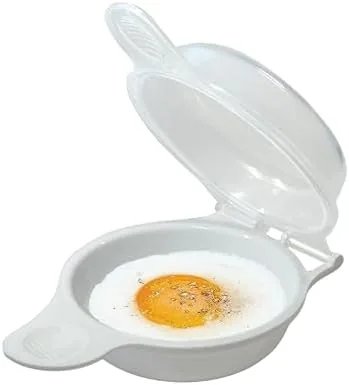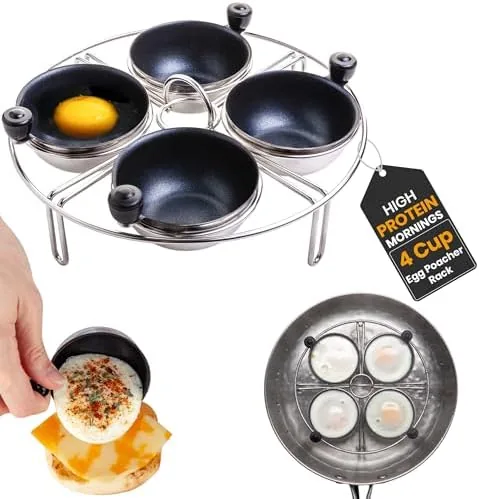

Poached eggs have a reputation for being the most temperamental thing a home cook can attempt. Swirling water, vinegar, a vigilant timer, and even then the white spreads into a wispy mess more often than it forms a tidy orb. The stainless steel egg poacher insert under review sidesteps the drama entirely. It is a 7.25-inch rack with four PFOA-free nonstick cups that drops into any covered skillet or Instant Pot, and it turns a stovetop into a four-egg poaching station with near-zero cleanup. I cooked dozens of eggs across two months to test fit, release, heat, and durability.
Before the details, the disclosure that applies to every review here. This article contains affiliate links, and if you buy through one of them the site earns a small commission at no extra cost to you. That commission never changes what I test or what I recommend.
Design and Build
The insert is a single stamped stainless steel rack with four round cups hanging in a circle. The rack measures 7.25 inches across, which is the number that decides everything about compatibility, and it rests on four short legs that hold the cups suspended above the water below. The cups are shallow, rounded bowls with a nonstick coating that is labeled PFOA-free, and each cup has a small central divot that helps the egg keep its shape as it cooks.
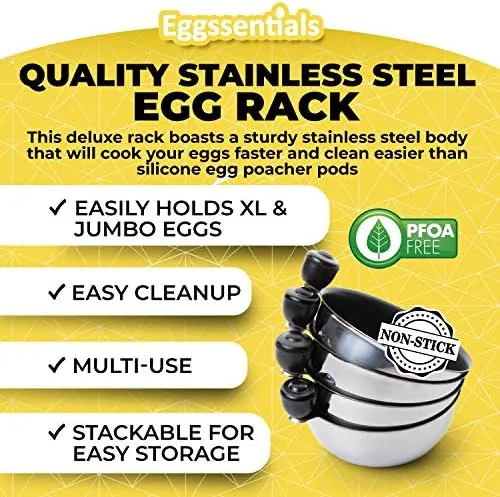
The build quality is solid for the price. The stainless steel is food grade and resists rust and warping, and the rack feels rigid in the hand with no flex in the crossbars. The nonstick coating on the cups is smooth and even, and after two months of use it shows no scratches or peeling, which is the common failure mode of budget nonstick cookware. A central handle lifts the whole insert out of the pan with one hand, and the cups are deep enough to hold a large egg without overflow.
Key Features
The insert is built around the idea of steaming rather than simmering. You add about a quarter inch of water to your skillet, set the rack in, bring the water to a low simmer, crack an egg into each cup, and cover the pan. The steam cooks the eggs gently from all sides, which produces the uniform white and runny yolk of a classic poached egg without any water turbulence to tear the white apart.
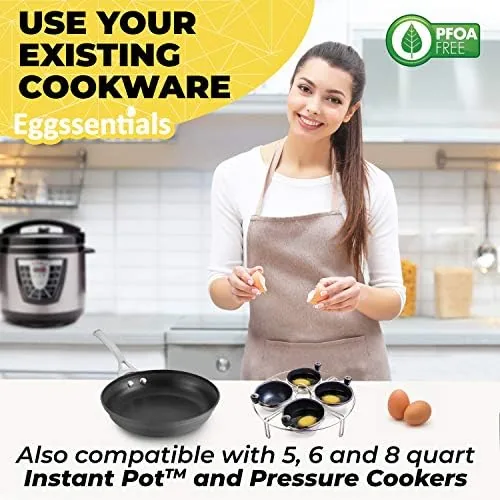
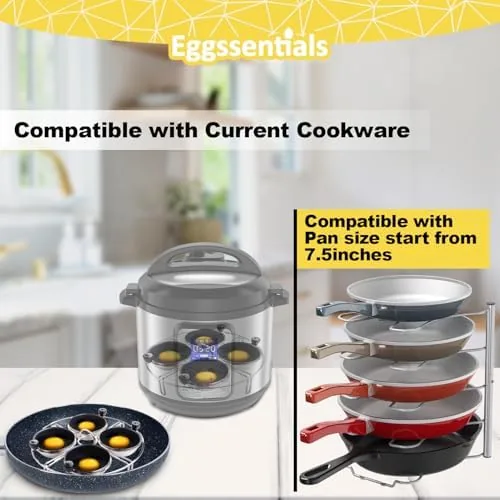
Compatibility is the other selling point. The 7.25-inch diameter fits standard 8 to 10 inch skillets and saucepans, and it also works in a 6-quart or larger Instant Pot for steam poaching, which the listing explicitly supports. The cups are dishwasher safe on the top rack, and the whole rack is easy to hand wash. The nonstick coating means you do not need butter or oil for the eggs to release, though a very light mist of oil makes release even more reliable. If you want to see current pricing and fitment details, the egg poacher insert listing on Amazon is a good reference.
Real-World Performance
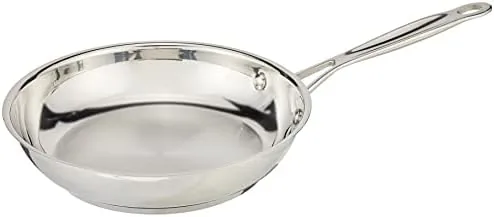
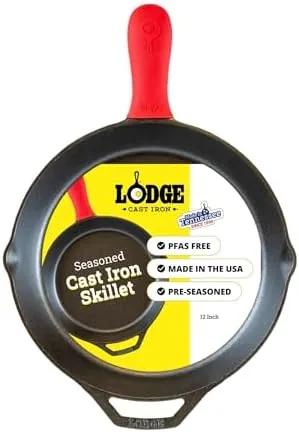
I ran my first test with a heavy cast iron skillet, then moved to a thin stainless pan, then a nonstick skillet, and finally the Instant Pot, because each surface changes how the water behaves. In the cast iron skillet the eggs cooked evenly in about five minutes with the lid on, and the whites set into clean rounds that lifted out of the cups with no sticking. In the thin stainless pan the water took longer to reach a steady simmer, but the results were identical once it did.

The Instant Pot test was the surprise success. With a cup of water in the liner, the rack resting on the trivet, and the pot on low pressure steam for three minutes, the eggs came out with slightly firmer whites and a fully runny yolk, cooked to a consistency that works perfectly for a grab-and-go breakfast. The benefit of the Instant Pot method is that you can set a timer and walk away, which you cannot do safely with a stovetop pan.
The release behavior was consistent across every batch. The nonstick cups let the finished eggs slide out onto a plate with a gentle tilt, and the divot in each cup means the yolk sits centered rather than off to one side. Cleanup was the real win: the whites that occasionally cooked onto the rack wiped off with a damp sponge, and a quick rinse of the cups finished the job. Over two months of use, including the dishwasher a few times, the rack has not rusted and the coating has not degraded.
Pros and Cons
Pros:
- Produces reliably round poached eggs with runny yolks
- No vinegar, swirling, or special technique required
- Works in skillets, saucepans, and 6-quart Instant Pots
- Nonstick PFOA-free cups release eggs cleanly
- Quick cleanup with a rinse and a sponge
Cons:
- Eggs are more steamy and compact than free-form stovetop poaching
- The 7.25-inch size will not fit small 6-inch pans
- A light oil mist helps most for the cleanest release
How It Compares
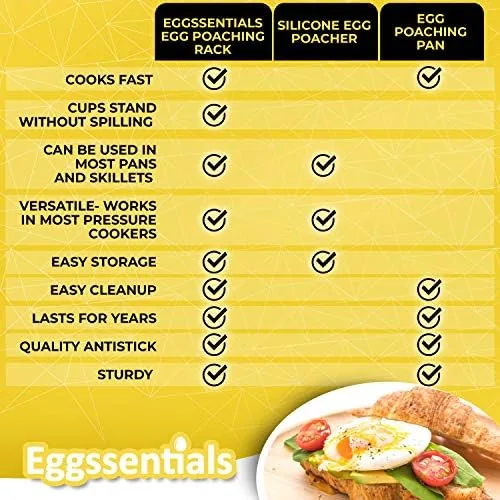
There are three common ways to poach eggs at home, and the differences matter depending on what you value. I compared the stainless insert against the free-form vinegar-swirl method and a silicone poaching pod set.
| Feature | Stainless Insert | Swirl Method | Silicone Pods |
|---|---|---|---|
| Consistency | Very consistent | Variable | Good |
| Technique needed | Minimal | High | Minimal |
| Eggs at once | Four | One to two | Two to four |
| Instant Pot ready | Yes | No | Yes |
| Cleanup | Very easy | Messy | Easy |
| Durability | Stainless steel | N/A | Silicone |
The swirl method produces the most elegant, wispy free-form eggs when it works, but it demands attention and usually produces only one egg at a time. Silicone pods are cheap and easy, but they can be floppy and tricky to handle, and the eggs sometimes stick without a well-oiled pod. The stainless insert gives the best combination of consistency, capacity, and durability, and it is the only one of the three that doubles as an Instant Pot steamer. For a broader look at egg cookware and technique, Wirecutter's kitchen gear guides are a dependable place to start.
Who Should Buy It
Buy this insert if you love poached eggs but hate the technique, if you cook for two or four people and want all the eggs ready at the same moment, or if you own an Instant Pot and want to add an egg steamer to your rotation. It is also a good pick for a college student or new cook who wants one tool that produces a presentable breakfast without practice.
Skip it if you insist on the classic free-form poached egg with wispy edges, because this tool produces a neater, rounder, steam-shaped egg. Skip it too if your only pans are 6 inches or smaller, where the 7.25-inch rack will not fit. For everyone else, this is one of the cheapest kitchen upgrades that changes breakfast.
How We Test
I cooked more than forty eggs over two months using the insert in cast iron, stainless, and nonstick skillets, plus the Instant Pot. I varied the water level and lid time to map the range from soft-set whites with a liquid yolk to fully set eggs, and I tracked release quality, cleanup time, and any coating wear across repeated uses, including dishwasher cycles.
I did not test the insert in a steamer basket above boiling water without a lid, because the listing does not recommend that method. If you want to compare vendors, the egg poacher insert on Amazon shows current pricing and delivery options.
Questions People Ask
Does the egg poacher insert work in an Instant Pot?
Yes. The 7.25-inch rack fits inside standard 6-quart and larger Instant Pots, and you simply add a cup of water and steam the eggs instead of simmering them.
How do you keep the eggs from sticking to the cups?
A light mist of oil or a brush of butter on the nonstick cups before cracking the egg gives a clean release, and the cups lift out without leaving egg behind.
What sizes of pans does the 7.25-inch rack fit?
The rack fits skillets and saucepans with an inner diameter of roughly 8 to 10 inches, and it sits above a shallow water bath in any covered pan.
Is the egg poacher dishwasher safe?
The stainless steel rack and cups are dishwasher safe, though hand washing with a soft sponge keeps the nonstick finish smoother for longer.
As an Amazon Associate, I earn from qualifying purchases.