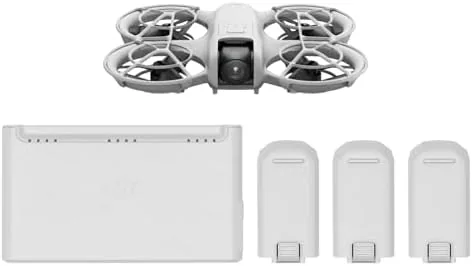

The DJI Neo solved a problem the drone industry had been circling for years. It made a capable 4K drone that does not need a controller at all: you launch it from your palm, it locks onto you, and it follows you around producing stabilized footage while you focus on the activity instead of the flying. But the original single battery package carried one obvious weakness: a short flight time that cut shoots short. The DJI Neo three-battery combo addresses exactly that by bundling three batteries and a charging hub with the drone, and I have been testing this version for weeks to see if the extra batteries turn a novelty into a real tool.
Before the details, the standard note. This article contains affiliate links, and if you buy through one of them the site earns a small commission at no extra cost to you. That commission never changes what I test or what I recommend.
Design and Build
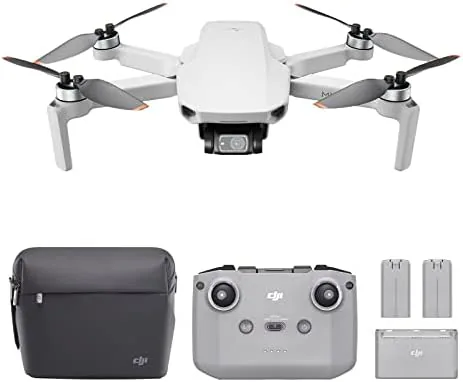
The Neo itself is tiny. At 135 grams, it is light enough to be exempt from the heaviest drone registration rules in most regions, and small enough to feel more like a flying gadget than a serious aircraft. It has a built in propeller guard that wraps around each motor, which is the detail that makes palm takeoff and hand-catching safe, and the whole thing folds down into a compact shape that fits in a coat pocket.
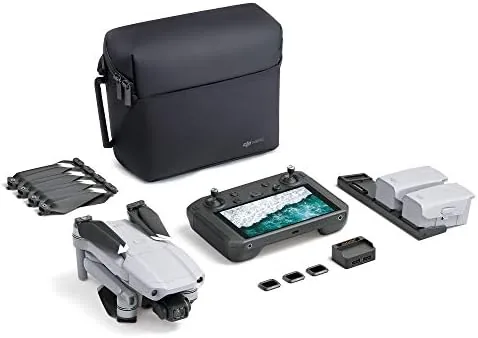
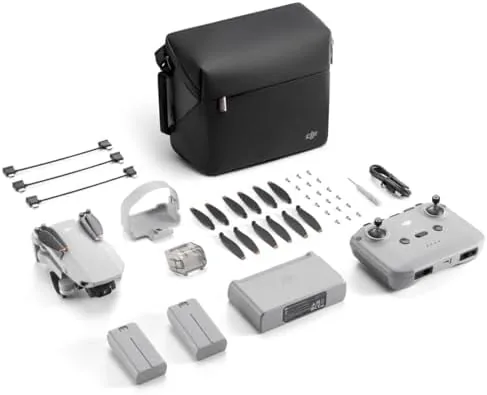
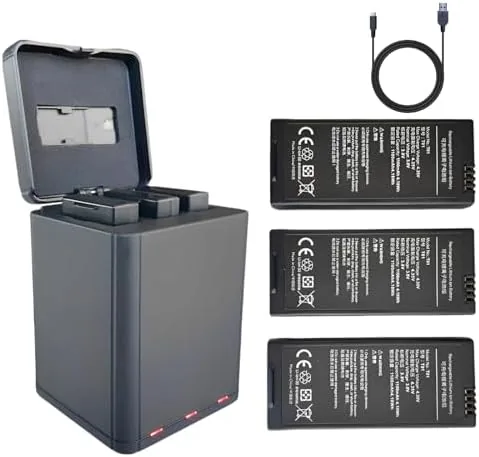
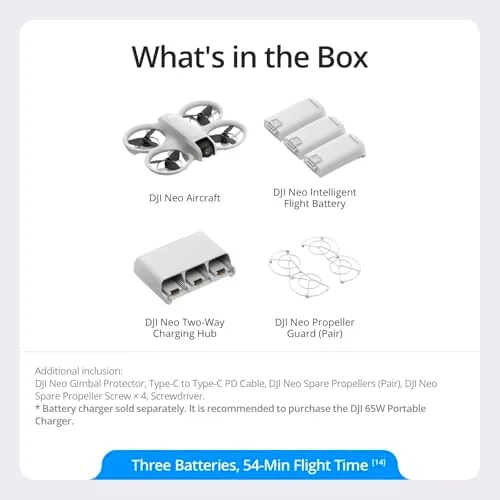
The three-battery combo changes the carrying story. Alongside the drone you get three batteries and a multi-battery charging hub that tops them up in sequence. The batteries are small, about the size of a matchbox, and the hub is compact enough to slip into a bag pocket. It is a more substantial kit than the single drone, but the drone remains the portable part and the batteries are the practical part.
Build quality is what you expect from DJI. The plastics are tight, the prop guards are firmly attached, and the gimbal camera lens sits protected within the frame. Nothing rattles, nothing flexes, and the whole unit feels engineered rather than assembled.
Key Features
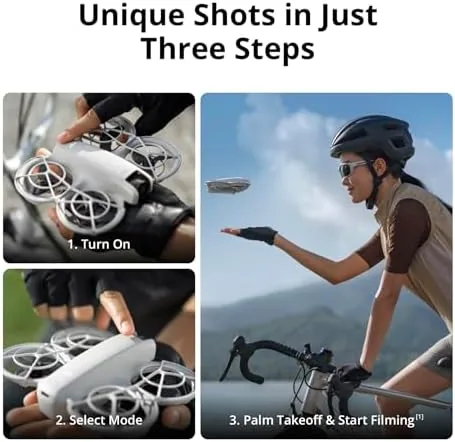
Palm takeoff is the headline. You hold the drone level in your open hand, press the button, and it lifts off from your palm and hovers in place while it gets its bearings. When you are done, it flies back into your hand and you grab it, with the prop guard doing the work of keeping your fingers clear. For the controller-free audience this feature is the whole point.
Subject tracking is the second pillar. The drone locks onto a person and follows them automatically, keeping you centered in frame as you walk, run, or ride. The tracking is designed for the self-shooting creator, and it removes the most common failure of drone footage, which is a pilot who cannot keep the subject in the shot.

QuickShots round out the automated features. These are preset camera moves, such as circles and dolly shots, that the drone executes on its own with a single selection, producing a finished-looking clip without any pilot input. The camera records stabilized 4K UHD video, and the footage is stored on built in memory, so the workflow from launch to social-ready clip is deliberately short.
Finally, the three-battery hub is the feature that makes this combo worthwhile. It charges the batteries in sequence, so you can rotate a spent battery into the hub while flying with the next one, and the result is a shoot that keeps going instead of stopping dead at eighteen minutes. For a current look at the price and the full kit contents, the Amazon listing for the DJI Neo three-battery combo is a useful reference.
Real-World Performance
I used the Neo the way it is intended: without a controller, in parks, on trails, and around a neighborhood, for self-shooting content. The palm takeoff worked on every attempt. You hold the drone level, press the button, and it climbs into a hover that holds position while you decide what to do next. The catch at the end was just as dependable, with the drone settling into my hand without drama.
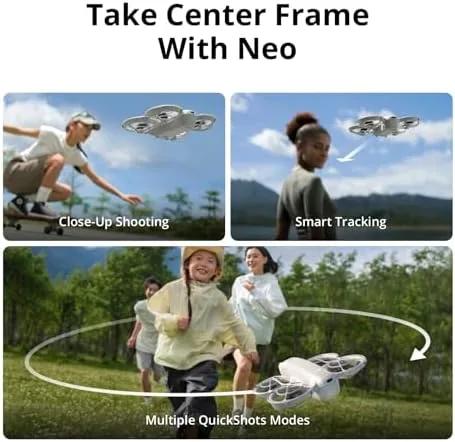
Subject tracking was the highlight of my testing. The drone held onto me reliably as I walked and jogged on open ground, keeping the shot framed with no input from me. For solo creators who want footage of themselves without dragging along a pilot, this is the feature that makes the Neo worth buying, and it works better than the tracking on drones costing twice as much.
The three-battery difference showed up immediately on a long outing. With a single battery, my shooting would have ended in about eighteen minutes. With three batteries and the hub, I flew, landed, swapped, and flew again across an afternoon, capturing a full session instead of a teaser. The hub charged each battery in sequence, and by the time the third drained, the first was ready again.
The video quality surprised me for the size. The 4K output is stabilized and sharp in good light, and the QuickShots produced clips that looked finished straight out of the drone. The stabilization handles small movements well, though it cannot fight the drone itself moving, so fast movements introduce some shake.
The honest limits showed up outdoors. At 135 grams, the Neo is at the mercy of the wind, and a gust that a heavier drone would shrug off will push the Neo around and degrade the footage. On a breezy afternoon the drone still flew, but the shots were visibly less stable. Battery life per flight is short, comfortably under twenty minutes in my use, which is exactly why the combo matters.
Pros and Cons
Pros:
- Palm takeoff with no controller required
- Automatic subject tracking for solo shooting
- Three batteries and hub extend shoots dramatically
- Sharp stabilized 4K UHD video in good light
- QuickShots produce finished clips automatically
- Light and rugged enough to fly anywhere
Cons:
- Very light frame is pushed around by wind
- Per-flight battery life is short
- Tracking works best on open, uncluttered ground
How It Compares
The obvious comparison for the Neo is a traditional mini drone with a controller, such as a DJI Mini model that is heavier and carries more advanced features. The two drones serve different ideas about flying, and the right choice depends on what kind of pilot you are.
| Feature | DJI Neo Combo | DJI Mini with Controller | Pocket Selfie Drone |
|---|---|---|---|
| Controller needed | No | Yes | No |
| Weight | 135 grams | Over 200 grams | Under 100 grams |
| Video | 4K stabilized | 4K, higher bitrate | 2.7K to 4K |
| Wind handling | Poor | Good | Poor |
| Flight time | Short, three batteries | Longer | Short |
| Range | Limited | Long | Limited |
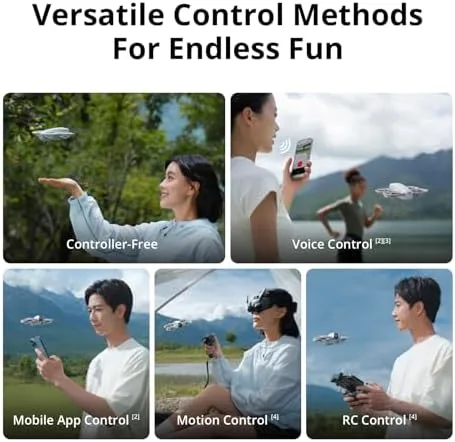
Against a controller mini drone, the Neo wins on accessibility: anyone can launch it and get usable footage in minutes, with no stick time required. The controller drone wins on wind resistance, range, flight time, and manual control depth, which matters for hobbyists who want to grow into serious flying. Against a cheap pocket selfie drone, the Neo wins on everything: real 4K, genuine tracking, safe prop guards, and DJI reliability. For the casual creator who wants self-shot video without learning to fly, the Neo combo is the strongest choice.
Who Should Buy It
Buy the three-battery combo if you plan to actually use the drone for shoots rather than occasional test flights. The extra batteries turn a short novelty flight into a full session, which is the difference between a gadget and a useful tool. It suits hikers, runners, cyclists, and anyone who wants third-person footage of their own activities.
Skip it if you want to fly with full manual control, if you need long-range footage, or if you live in a windy area, where a heavier controller drone will frustrate you far less. For everyone else, this is the most accessible path to good self-shot aerial video, and the combo is the version worth buying. You can check the current price for the DJI Neo three-battery combo on Amazon when you are ready to fly.
How We Test
I tested the DJI Neo three-battery combo over several weeks in parks, on running trails, and around a neighborhood, always using the controller-free workflow: palm takeoff, subject tracking, and QuickShots. I shot in 4K in a range of light conditions, from bright midday sun to golden hour, and I rotated through the three batteries and the charging hub on a full afternoon outing.

I measured flight time per battery, tracked how quickly the hub recycled each charge, and checked tracking reliability on straight runs, curves, and cluttered ground. I did not fly the Neo in strong wind or rain, because the weight class is not designed for it. For a deeper look at the DJI Neo, independent coverage from TechRadar's review of the DJI Neo is a helpful reference.
DJI Neo Three-Battery Combo: Questions People Ask
Why should I buy the three-battery combo instead of the single Neo?
The Neo has a short flight time of around fifteen to eighteen minutes, so the combo's three batteries keep you flying for a full shoot instead of stopping to recharge.
Is the DJI Neo controller-free really?
Yes. Palm takeoff and automatic subject tracking let you launch and shoot without a remote, though you can connect a phone or controller for full manual control.
How does the DJI Neo follow a subject?
The drone locks onto a person and tracks them automatically, keeping you centered in frame as you walk, run, or ride, with no piloting input required.
Can the DJI Neo record 4K video?
Yes. The camera records stabilized 4K UHD video, and QuickShots automate camera moves like circles and dolly shots into finished clips.
As an Amazon Associate, I earn from qualifying purchases.