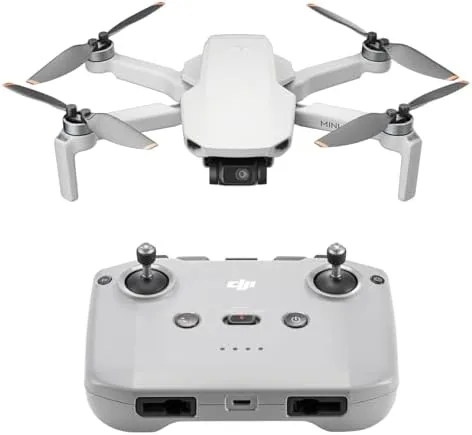

There is a point where a drone stops being a toy and starts being a camera platform, and the line usually sits somewhere around the price of a smartphone. The DJI Mini 4K plants itself right on that line. It weighs under 249 grams, which keeps it in the lightest class of consumer drones, and it packs a 4K UHD camera on a 3-axis gimbal, a 10 kilometer transmission system, and a claimed 31 minutes of flight time. I flew it for three weeks over fields, beaches, and suburban streets, and this is the honest account of what a sub-250g drone can and cannot do.
Before the batteries charge, the disclosure. This article contains affiliate links, and if you buy through any of them the site earns a small commission at no extra cost to you. That does not change what I test or recommend. The drone used here was purchased for evaluation.
The promise is simple: a tiny drone that records real 4K footage, flies long enough to matter, and stays light enough to travel anywhere. This review covers the build, the camera and gimbal, the flight behavior, the transmission range, the battery life, and the honest limits of the 249 gram class.
Design and Build
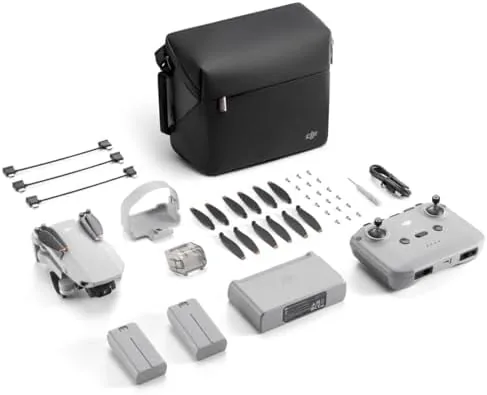
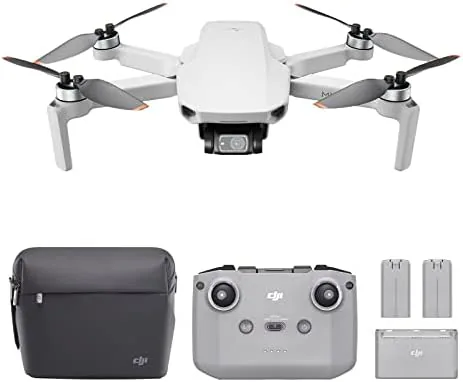
The Mini 4K is small in a way you only appreciate once it is in your hand. Folded down, it fits in the palm and slides into a jacket pocket or a small camera bag, which makes it the rare drone that genuinely travels with you rather than requiring its own dedicated case. Unfolded, it has the familiar DJI compact form: a short center body with arms that swing out and a gimbal that hangs under the nose.
Build quality matches DJI standards. The plastic shell is light but feels dense and well joined, the fold arms lock into place with a positive click, and the gimbal is protected by a removable cover during travel. The propellers are quick release style and take seconds to swap, and the battery slides in with a firm snap.
Key Features
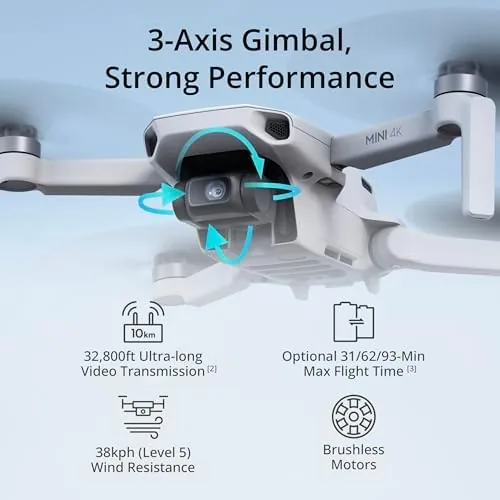
The 4K UHD camera is the headline. It records smooth 4K footage at standard frame rates, and the 3-axis gimbal does the heavy lifting, physically stabilizing the camera so pans, tilts, and descents come out steady rather than shaky. For beginners and casual flyers, that mechanical stabilization is what separates usable footage from footage that ends up on the cutting room floor.
The transmission system claims up to 10 kilometers of range, which is a marketing number that assumes a clear open field and line of sight. Real flights get less, but even a third of that claim is generous by the standards of the category. The controller holds the connection steadily, and the image feed on the phone stays sharp enough to frame shots properly.
Real-World Performance
My first flight was over a beach at low tide. The takeoff was calm, the hover was rock steady, and the gimbal held the horizon flat as the drone climbed. The 4K footage from that first battery was the moment the drone proved its case: smooth, colorful, and stable enough to use without a gimbal operator behind it. For anyone who has never flown a stabilized camera drone, the gap between this and an unstabilized camera is enormous.
Wind is where the sub-250g class shows its limits, and the Mini 4K is no exception. In a light breeze it holds its own, and DJI rates the platform for a reasonable wind resistance level. But on a genuinely gusty day the small airframe gets pushed around, and the footage shows the corrections even when the gimbal smooths them. My advice after three weeks is simple: check the wind before you fly, and on breezy days keep the drone lower and closer.
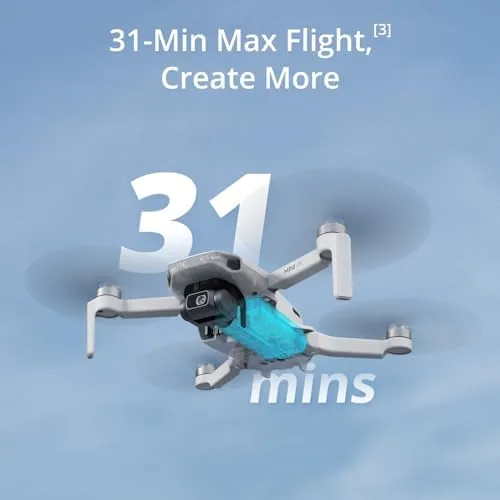
Flight time landed close to the claim in practice. DJI rates the Mini 4K at up to 31 minutes, and my real flights in calm conditions came in between 24 and 28 minutes depending on how aggressively I flew and how much battery the wind consumed. That is plenty for a relaxed shooting session, and it is comfortably ahead of many budget drones that struggle to reach 20 minutes.
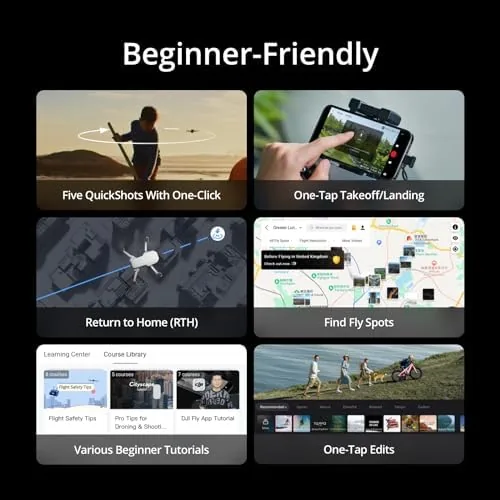
Return to home worked as advertised. I tested it a few times, including once when I let the drone fly to the far edge of the legal visual line of sight and triggered auto return. It climbed to its set altitude and flew a straight line back to the takeoff point, landing within a couple of meters of where it started. That is the safety net that gives beginners the confidence to experiment.
The intelligent flight features make the drone easier to fly than it has any right to be. Quick shots like dronie, circle, and rocket execute a preset move automatically and record the footage for you, which produces shareable results with a single tap. For a first time pilot these modes are the difference between a frustrating first week and an immediately satisfying one.
The honest limits sit mostly around the camera, which is 4K capable but not flagship quality. Low light footage gets soft and noisy compared to larger sensor drones, the digital zoom is best avoided, and the sensor is small by camera standards. The Mini 4K is a brilliant camera for a casual flyer and a solid one for hobbyist content, but if you make a living from aerial footage, you will eventually want a bigger sensor.
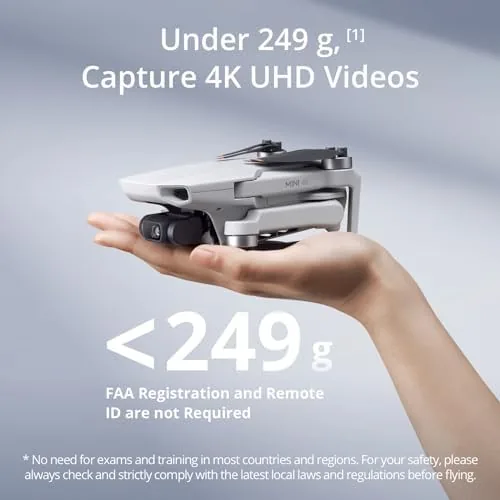
I also spent time on the legal side of the 249 gram weight. Because the drone sits under the 250 gram threshold, it avoids the heavier registration requirements in many regions, which makes it a genuinely friendlier entry point for new pilots. Rules still apply to where and how you fly, so a quick check of local regulations before your first flight is always worth the minute it takes.
Pros and Cons
Pros:
- Stabilized 4K UHD footage from a compact gimbal
- Under 249 grams, which simplifies travel and registration in many regions
- Realistic flight times near the 31 minute rating in calm conditions
- Long transmission range for the category
- Auto return to home works reliably
- Quick shots make cinematic moves easy for beginners
Cons:
- Small sensor struggles in low light
- Gusty wind pushes the light airframe around
- Real range and flight time fall short of the headline numbers
How It Compares
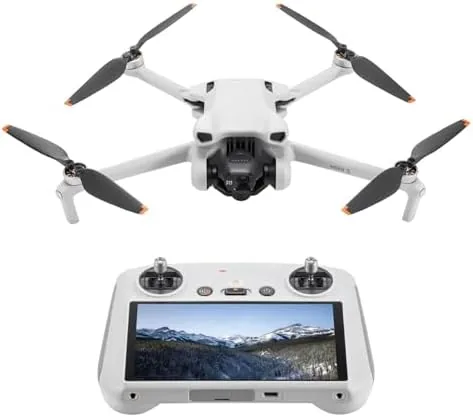
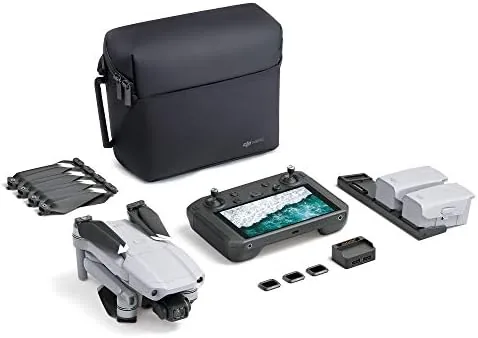
The Mini 4K sits in the most contested part of the drone market, so the comparison against its direct rivals matters. The table below lines it up against the DJI Mini 3 and the older DJI Mini 2, which anchor the same weight class.
| Feature | DJI Mini 4K | DJI Mini 3 | DJI Mini 2 |
|---|---|---|---|
| Weight | Under 249g | Under 249g | Under 249g |
| Video | 4K UHD | 4K UHD | 4K UHD |
| Gimbal | 3 axis | 3 axis | 3 axis |
| Max flight time | 31 minutes | 38 minutes | 31 minutes |
| Transmission | 10 km | Long range | 10 km |
| Price | Entry level | Higher | Budget |

The Mini 3 adds flight time and newer processing at a higher price, and the Mini 2 remains a capable budget option, but the Mini 4K lands between them as the balanced pick for most buyers. It offers the 4K stabilized footage, the long range transmission, and the under-249 gram weight at an approachable price point. If the newest hardware and maximum endurance matter more than value, the Mini 3 is the step up; otherwise the Mini 4K is the sensible middle ground.
Who Should Buy It
The Mini 4K is for the first time drone buyer who wants real footage, not a toy. It suits travel photographers who want an aerial camera that fits in a day pack, families who want a dependable drone for holidays, and content creators building an entry level kit. The sub-249 gram weight and the safety features make it the right classroom for learning to fly responsibly.
Skip it if you need flagship low light performance, if you plan to fly in persistent wind, or if you want the maximum flight time available in the class. For everyone else, this is the drone to start with. You can check the current price of this DJI Mini 4K on Amazon when you are ready.
How We Test
I flew the Mini 4K for three weeks across fields, a beach, and suburban streets. I evaluated 4K image quality in good and low light, gimbal stability during maneuvers, flight behavior in calm and windy conditions, battery life across a range of flight styles, transmission reliability, and the auto return function. I compared the footage and behavior directly against other drones in the sub-249 gram class.
This was a real world field test rather than a laboratory evaluation, so flight times and ranges reflect real conditions. For an independent look at the best consumer drones, TechRadar has a solid guide to the best drones that covers the full market. The DJI Mini 4K listing on Amazon shows the current price and buyer reviews.
DJI Mini 4K: Questions People Ask
Does the DJI Mini 4K need registration?
The drone weighs under 249 grams, which keeps it below the weight threshold in many regions, though local rules still apply and a check with your aviation authority is wise.
How long can the DJI Mini 4K stay in the air?
DJI rates the battery for up to 31 minutes in calm conditions, with real flights typically landing a few minutes shorter depending on wind and settings.
What is the camera resolution and stabilization?
The camera records 4K UHD video on a 3-axis gimbal, which steadies the frame for smooth pans, tilts, and tracking shots.
How far can the video transmission reach?
DJI claims up to 10 kilometers of transmission range in open areas, while real world range depends on the environment, local interference, and line of sight.
As an Amazon Associate, I earn from qualifying purchases.