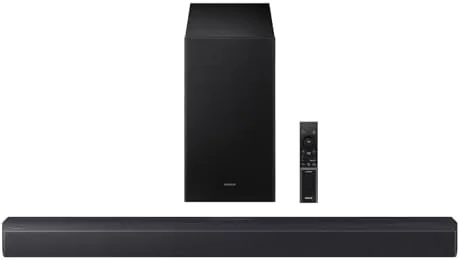

Television speakers have not meaningfully improved in years, and every action movie proves it. Dialog gets buried, explosions rattle the cabinets, and the soundstage never quite reaches the edges of the room. A sound bar fixes most of that in a single box, and the Yamaha YAS 209 has been a steady presence in that category for years because it pairs a 2.1 channel bar with a wireless subwoofer and a built-in Alexa voice assistant. I ran one through a month of movies, music, and TV in a mid size living room, and this review is the full record of how it sounded and how it behaved.
Before the details, the standard note. This article contains affiliate links, and if you buy through one of them the site earns a small commission at no extra cost to you. That commission does not change what I test or what I recommend, and the sound bar reviewed here was set up exactly the way a buyer would set it up.
A sound bar has to earn its place under a TV by sounding better than the alternatives in the same footprint. The rest of this review covers the design, the key features, the real listening performance, and where the YAS 209 fits against other bars in its price range.
Design and Build
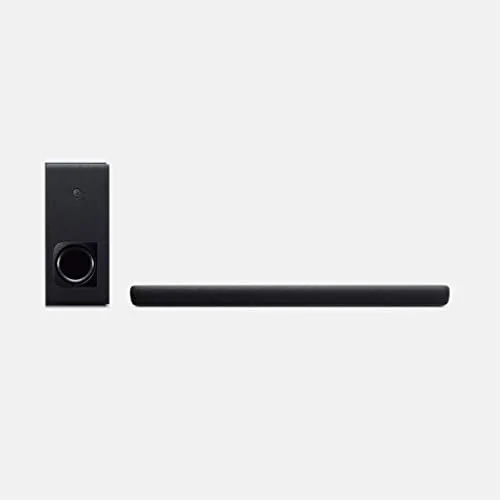
The bar is a long, low enclosure wrapped in a dark fabric grille, and it sits low enough to live on a media stand without blocking the bottom of the screen. The build is clean and understated, with a small LED readout up front and the controls tucked away on top. It does not call attention to itself, which is the right look for a living room piece.
The wireless subwoofer is a compact sealed box with a front firing driver, and it is sized to slide beside a stand or behind a couch without dominating the space. The bar itself is built to sit on a table or mount on the wall, and the whole system comes together as a tidy two box setup rather than a sprawling multi speaker rig.
Key Features
The headline feature is the built-in Alexa assistant. The bar has far field microphones, so it hears voice commands across the room without a separate Echo, and it can control music, answer questions, and manage smart home devices through the Alexa platform.
The other features form a practical trio. Wi-Fi handles music streaming and firmware updates, Bluetooth covers quick phone pairing, and HDMI ARC carries TV audio plus commands through a single cable. The DTS Virtual:X processing is the audio feature that matters most, because it creates a virtual 3D soundstage from ordinary 2.1 and 5.1 content without extra speakers in the ceiling or behind the couch.
The companion app deserves a mention, because it pulls the equalizer and the sound modes off the remote and onto the phone, where a three band EQ and the virtual surround controls are easier to reach. Bass extension and dialog clarity adjustments are a swipe away, which made fine tuning the bar to the room a two minute job rather than a remote hunting exercise.

Real-World Performance
The real test of a sound bar is how it handles the two jobs that dominate a living room, movies and music, so I ran both through the YAS 209 over a month. Movies were the stronger showing. Dialog stayed clear and centered, which is the single biggest upgrade over TV speakers, and the subwoofer gave action scenes weight without turning every rumble into a muddy bass thump.
Music was handled well for a 2.1 bar. Vocals came through with presence, acoustic tracks sounded natural, and the subwoofer filled out the low end of electronic and hip hop without drowning the mids. It is not a substitute for a proper stereo pair, but it is comfortably better than the built in TV speakers it replaces, and it streams cleanly over Wi-Fi.
Setup was genuinely painless. The bar and sub paired wirelessly within a minute of plugging them in, the HDMI ARC connection handshook with the TV on the first try, and the Alexa setup took one pass through the app. The remote covers volume, source, and the sound modes, including a clear voice setting that sharpens dialog for late night viewing.

The limits are honest ones. DTS Virtual:X is a virtual effect, not a real surround system, so sounds come from the front plane rather than genuinely wrapping the room. The bar has no upward firing drivers, which means the height layer of Atmos mixes is simply not reproduced. And the built in bass does not extend as deep as a large dedicated subwoofer, so the low end is more tidy than thunderous.
One more detail earned respect over the month. The bar held its wireless connection without dropouts, the Alexa microphones picked up commands reliably even with music playing, and the sound stayed consistent across streaming apps and game consoles. That dependability is the part that makes a sound bar feel like a finished product rather than a toy.
Pros and Cons
Pros:
- Clear, centered dialog that fixes the worst TV speaker weakness
- Wireless subwoofer adds weight without cable runs
- Built-in Alexa with far field microphones
- Easy HDMI ARC setup and clean Wi-Fi music streaming
- DTS Virtual:X adds width to 2.1 and 5.1 content
- Understated design that fits a normal living room
Cons:
- Virtual surround is not a true rear speaker effect
- No up firing drivers for Atmos height channels
- Bass is tidy rather than room shaking
How It Compares
The main choice in a sound bar is between a 2.1 system like the YAS 209 and a bar with wireless rear speakers, and the tradeoff is cost versus immersion. The table below lines up the two approaches.
| Feature | Yamaha YAS 209 | Bar with Rear Speakers |
|---|---|---|
| Channels | 2.1 bar and sub | 3.1 or 5.1 with rears |
| Surround | Virtual via DTS Virtual:X | Real rear channels |
| Setup | Two boxes, minutes | Multiple boxes and pairing |
| Voice assistant | Built-in Alexa | Depends on the model |
| Price | Mid range | Higher |
| Room feel | Front stage only | Full immersion |

If your room is a normal living room and your goal is a big upgrade over TV speakers with a simple setup, the YAS 209 covers that with room to spare. If you want real surround effects for serious movie nights and you can live with extra speakers and a higher price, a bar with rears goes further. Match the system to how much immersion you actually want.
Who Should Buy It
Buy the Yamaha YAS 209 if you want clear dialog, a clean wireless sub, and built-in Alexa in one tidy package, and you do not want to manage a multi speaker surround setup. It is a natural fit for apartments, bedrooms, and living rooms where space is at a premium.
Skip it if you already have a surround system, if your room calls for rear speakers and real height channels, or if you want a bar without a voice assistant. For a straightforward upgrade from TV speakers, this is the bar that gets the job done without fuss. You can check the current price of the Yamaha YAS 209 sound bar on Amazon when you are ready.

How We Test
I set up the YAS 209 in a mid size living room with a 4K TV over HDMI ARC, and I ran a month of mixed content including movies, sports, music, and games. I tested the wireless sub in multiple positions, used the Alexa assistant daily, and compared the bar against the TV speakers it replaced.
I did not test the bar in a dedicated home theater room, and acoustics vary by space, so placement still matters. For a deeper look at sound bar technology and what to buy, What Hi Fi has a guide to what a sound bar can and cannot do that is worth reading. The Yamaha YAS 209 listing on Amazon shows the current price and bundle contents.
Yamaha YAS 209 Sound Bar: Questions People Ask
Does the YAS 209 work with my TV without ARC?
Yes, the sound bar connects through Bluetooth or an optical cable as well as HDMI, so older TVs without ARC still get full sound, though HDMI ARC is the smoothest option.
Can I use Alexa without a separate Echo speaker?
The sound bar has Alexa built in, so you can ask for music, news, and smart home control directly through the bar once it is set up in the Alexa app.
Is the wireless subwoofer truly wireless?
The subwoofer connects to the bar over a wireless link and only needs its own power cord, so you can place it across the room without running an audio cable.
Does the sound bar support Dolby Atmos?
It does not decode Atmos; it uses DTS Virtual:X to create a virtual three dimensional soundstage from standard 5.1 and 2.1 sources.
As an Amazon Associate, I earn from qualifying purchases.