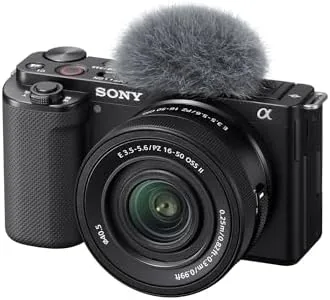

The Sony ZV-E10 has become the Camera That every content creator compares everything else against, and for good reason. It takes a 24.2-megapixel APS-C sensor, a flip-out touchscreen, 4K30p video, and 425-point autofocus, wraps it all in a compact body aimed squarely at vloggers and streamers, and now ships with the improved 16-50mm OSS II kit lens. I spent three weeks with this camera shooting vlog-style video, stills on a city walk, low-light evening clips, and even a livestream, and this review records how the creator-focused package actually performs.
Disclosure note before the findings. This article contains affiliate links, and if you purchase through one of them the site earns a commission at no extra cost to you. That commission does not affect what I test or recommend, and the camera was purchased as a retail unit.
Design and Build
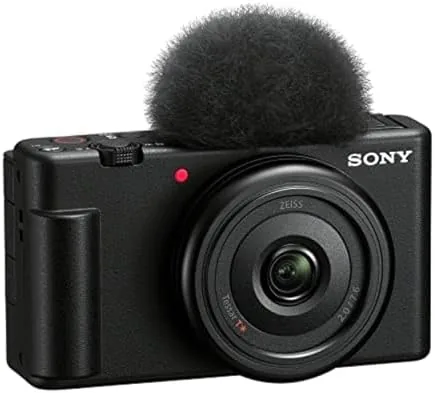
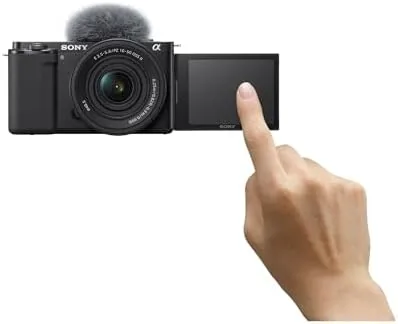
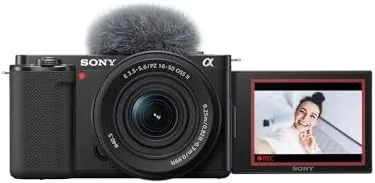
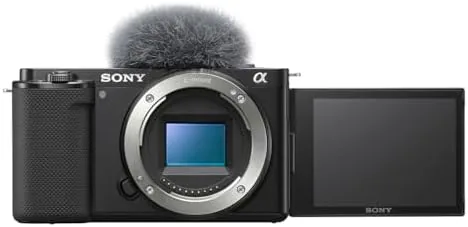
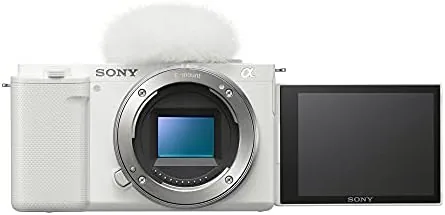
The ZV-E10 is built around one idea: making yourself the subject. The body is a compact, lightweight APS-C mirrorless camera with a handgrip that is comfortable for long handheld sessions, a large red record button right where your thumb finds it, and a side flip-out touchscreen that faces fully forward for self-filming. The design language is clearly borrowed from Sony's vlog line, with the microphone and record controls prioritized over the physical dials a stills shooter might expect.
The bundled 16-50mm OSS II lens is the improved kit optic that makes the package feel complete. It is small, retractable, and stabilized, which is essential because the ZV-E10 has no in-body image stabilization of its own. The lens collapses for storage and extends when powered on, and its optical steady shot works with the camera's electronic stabilization to keep handheld footage surprisingly smooth.
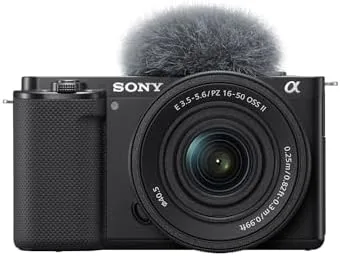
Sony includes features that video creators actually use. There is a 3.5mm microphone jack for an external mic, a clean HDMI output for streaming, and a USB-C port that lets the camera work as a high-quality webcam with a single cable. The whole kit weighs less than many smartphone setups once you account for the gimbal, which makes it an easy everyday carry for someone who posts regularly.
Key Features
Video is the reason this camera exists. It records UHD 4K at up to 30 frames per second using the full width of the sensor, and it also captures high frame rate 1080p modes for smooth slow motion. Sony includes creator conveniences like product showcase mode, which switches focus instantly between your face and an object you hold up, and background defocus, which throws the background softly out of focus with one button press for that cinematic look.
The autofocus is the headline specification. The 425-point phase-detect system with real-time eye tracking locks onto human eyes reliably, both for stills and video, and it held my face perfectly sharp while I moved around during tests. Sony's eye tracking is the benchmark in this segment, and the ZV-E10 inherits it in full.
The flip-out screen is a side-hinged, fully articulating touchscreen that faces the camera for self-filming, flips for low and high angles, and supports touch focus and touch tracking. For vloggers who need to frame themselves while talking, this is the difference between usable footage and guesswork.
Real-World Performance
For vlogging, the ZV-E10 is exactly as good as reputation suggests. I shot walking clips through a busy street, and the combination of the flip screen, eye autofocus, and electronic stabilization produced footage that looked like it came from a far more expensive rig. The face tracking never lost me, the microphone picked up clear audio with a cheap external mic attached, and the 4K image has that pleasing Sony color and detail that makes editing easy.
Stills are better than a video-focused camera has any right to produce. The 24.2MP sensor captures sharp, well-exposed photos with good dynamic range and Sony's characteristic color, and the eye autofocus made portraits effortless. The 16-50mm lens is soft in the corners and a little slow, but at the wide-to-normal range where most people shoot it is more than adequate for everyday photography and social content.
Low light is a mixed picture that you should know about. The sensor itself handles ISO surprisingly well for an APS-C camera, and the autofocus still locked on in dim conditions. But because the kit lens opens to only f3.5-5.6, you will push the ISO higher and accept more grain in evening footage. The fix is the classic one: add a fast prime lens when your budget allows, and the camera's character transforms.
I also tested the webcam workflow, because it is one of the smartest reasons to buy this camera. Plugging it into a laptop via USB-C and selecting the webcam mode turns the ZV-E10 into a superb 1080p camera for calls and streams, with the eye tracking and background defocus carrying over. If you stream or take a lot of video calls, this camera quietly replaces a webcam purchase. For photo use, the ZV-E10 is a capable everyday camera despite its video focus. The touchscreen and the small suite of physical controls take some learning if you are coming from a smartphone, but the auto modes handle exposure reliably, and the creative look presets give social-ready color with one tap. Between the vlog tools and the stills quality, the camera covers the full range of a content creator's week.
Pros and Cons
Pros:
- 4K30p video from the full APS-C sensor width
- Reliable real-time eye tracking for video and stills
- Fully articulating flip-out touchscreen for self-filming
- Product showcase mode and background defocus buttons
- Works as a high-quality USB webcam for streaming
- Compact, lightweight body with an improved stabilized kit lens
Cons:
- No in-body image stabilization, lens OSS only
- Kit lens is slow in low light at f3.5-5.6
- No viewfinder, framing depends on the screen
- Shoots 4K30p but not 4K60p
How It Compares
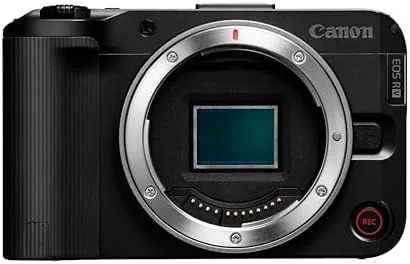
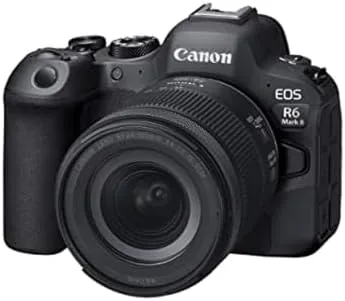
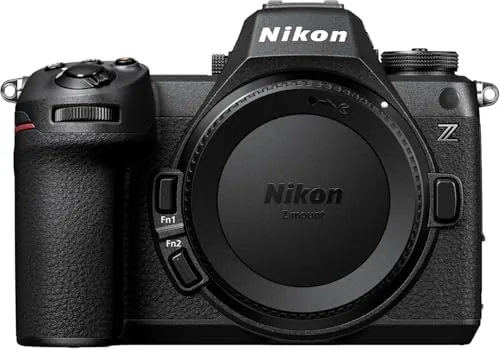
Content creators deciding between the ZV-E10, the Canon EOS R50, and the Nikon Z30 face a genuinely close call. I compared the three across the features that matter most to video work.
| Feature | Sony ZV-E10 | Canon EOS R50 | Nikon Z30 |
|---|---|---|---|
| Sensor | 24.2MP APS-C | 24.2MP APS-C | 20.9MP APS-C |
| 4K video | 30p full width | 30p full width | 30p |
| Vlog features | Product showcase | Guided menus | Basic |
| Viewfinder | No | Yes | No |
| Flip-out screen | Yes | Yes | Yes |
| Stabilization | Lens OSS | Lens IS | Lens VR |
| Price | Mid range | Similar | Lower |
Against the Canon R50, the ZV-E10 wins on vlogging features and Sony's eye tracking pedigree, while the R50 wins on the electronic viewfinder and beginner menus. Against the Nikon Z30, the ZV-E10 wins on resolution and creator tools, while the Z30 wins on price. For dedicated video and streaming work, the ZV-E10 is the stronger choice. To see the current bundle price, check the Sony ZV-E10 on Amazon.
Who Should Buy It
Buy the Sony ZV-E10 if you create video content, whether that is vlogging, social clips, streaming, or product reviews, and you want mirrorless quality without the size and price of a cinema camera. It is ideal for a YouTuber starting out, a streamer who wants clean face footage with background blur, and anyone who posts to social platforms regularly and wants to look better than their phone allows. The webcam mode alone justifies it for people who spend hours on video calls.
Skip it if you want an electronic viewfinder for photography, if you need 4K60p recording, or if most of your shooting is low-light work without a fast lens budget. For everyone else, this remains one of the best video-first cameras you can buy for the money. The Sony ZV-E10 listing on Amazon shows the current price and available kits.
How We Test
I tested the Sony ZV-E10 for three weeks across vlog-style walking footage, city stills, evening low-light clips, a livestream, and regular use as a webcam. I used the camera with the bundled 16-50mm OSS II lens, exercised the eye tracking and product showcase modes, attached an external microphone, and verified the full-width 4K output and the USB webcam workflow.
For an independent technical assessment of the ZV-E10, the review published by TechRadar is thorough and balanced, and their camera coverage is a useful companion to this review. The Amazon product page for the ZV-E10 has the full specifications and bundle contents.
Sony ZV-E10: Questions People Ask
Is the Sony ZV-E10 better for video or photography?
The ZV-E10 is designed primarily for video and content creation, with vlogging features like product showcase mode and background defocus, but its 24.2MP sensor still delivers strong stills for everyday photography.
Does the ZV-E10 have in-body image stabilization?
No. The camera relies on the optical stabilization in the 16-50mm OSS II kit lens plus electronic stabilization for video, so smooth handheld moves benefit from a gimbal or careful technique.
What is the flip-out screen used for?
The side flip-out touchscreen faces fully forward for self-filming, letting you frame yourself while vlogging and use touch focus and touch tracking directly on the screen.
Can the ZV-E10 be used as a webcam?
Yes. The camera works as a high-quality 1080p webcam over a single USB-C cable, with autofocus and background defocus intact, making it popular for streaming and video calls.
As an Amazon Associate, I earn from qualifying purchases.