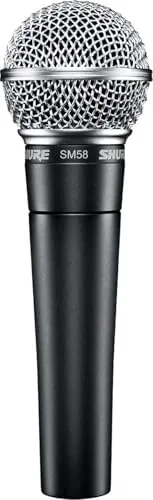

Some pieces of gear earn their legend through clever marketing. The Shure SM58 earned its legend the hard way: it keeps showing up everywhere and it keeps working. As a cardioid dynamic vocal microphone with an XLR output, the SM58 Pro sits at the center of an enormous amount of recorded sound, from stadium vocals to podcast booths and game streaming setups. I have used this microphone across a live performance, a podcast episode, and a gaming stream over the past several weeks, and this review records what it does for all three.
Before we get into the details, the standard disclosure. This article contains affiliate links, and if you buy through one of them the site earns a small commission at no extra cost to you. That commission never changes what I test or what I recommend.
Design and Build
The SM58 Pro looks exactly like the microphone you have seen on a hundred stages, and that familiarity is earned. The steel mesh grille protects the capsule from bumps and spills, the cylindrical zinc alloy body is dense and steady in the hand, and the matte finish refuses to show fingerprints. Inside, the capsule rides on a pneumatic shock mount system that isolates it from the handling noise your fingers and stand create, which is a detail that becomes obvious the first time you knock the grille during a take.
The XLR output sits at the base in a small well that keeps the connector protected, and the whole package is sized to feel like a proper tool. It weighs about a pound, heavy enough to feel solid, light enough for hours on a boom arm. The grille unscrews for cleaning, which extends the microphone's life over years of use. There is nothing fragile or fussy about the design, and that is the point.
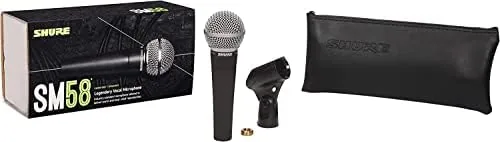
Shure has been making the SM58 for decades, and the Pro version carries the same build philosophy: a workhorse that does not complain. The construction tolerates the abuse of a touring case, and every seam and joint feels deliberate. For anyone who has owned cheap microphones that rattled or failed, the SM58 Pro is immediately reassuring.
Key Features
The cardioid pickup pattern is the feature that does the most work. The microphone is most sensitive to sound arriving from in front of the grille and increasingly blind to sound from the sides and rear. In a noisy room, that pattern keeps the voice clean while ignoring a large share of the room around it. For a streamer with a mechanical keyboard or a singer with loud monitors nearby, this is the difference between a usable take and a muddy one.

The dynamic capsule is the second pillar. Dynamic microphones generate their own signal and need no phantom power, which removes a whole class of setup problems, and they tolerate very high sound pressure levels without distorting. A singer can work close and loud and the capsule simply handles it, whereas a fragile condenser might choke. The built-in spherical wind filter sits behind the grille and tames the plosive pops that come with singing and speaking close to a mic.
The frequency response adds a gentle presence lift in the upper mids that makes the voice sit forward in a mix without harshness. That tuning is why the SM58 sounds instantly familiar on vocals and why so many engineers reach for it first. The response does not have the sparkly top end of a studio condenser, but it does not need it, because its job is to make the voice clear and present. For a current look at the price and the exact package, the Amazon listing for the SM58 Pro is a useful reference.
Real-World Performance
My first use was a live performance in a small venue. The singer worked the microphone at close range, moved around the stage, and pushed hard on the loud choruses, and the output stayed clean throughout. The cardioid pattern kept the drum kit bleed at a manageable level, and the shock mount absorbed the bumps that come with energetic singing. This is the scenario the SM58 was built for, and it performed without a single technical hiccup.

For the podcast session, I placed the SM58 Pro on a boom arm about four inches from the speaker. The take came back clear and natural with very little room tone, and the presence lift gave the voice the forward quality that makes podcast audio feel professional. Plosives were controlled well enough that I recorded without a pop filter, and the editor reported a fast, easy cleanup. The XLR signal ran into a small interface at normal gain with no noise issues.
The gaming stream was the most interesting test. A condenser microphone in the same room would have picked up the keyboard, the desk thumps, and the fan noise; the SM58 Pro rejected most of it. Viewers consistently heard the voice clearly over the mechanical keyboard clatter, and the microphone handled the streamer moving between leaning in and leaning back without abrupt volume swings. It is not a typical streaming choice in the era of USB mics, but it worked exceptionally well for exactly the reason the cardioid pattern exists.
The one practical note is that the SM58 rewards working close. As you move beyond a foot away, the tone thins and the room begins to creep in, which is standard behavior for a dynamic microphone. The solution is simply the correct technique: stay close, and the microphone gives back a rich, controlled vocal sound.
Pros and Cons
Pros:
- Cardioid pattern rejects background noise and room bleed
- Dynamic capsule handles loud sources with no distortion
- No phantom power needed for operation
- Rugged steel and alloy build survives road use
- Internal shock mount controls handling noise
- Presence boost makes vocals clear and forward
Cons:
- Sound thins out when used more than a foot away
- Requires an interface or mixer with XLR input
- Neutral enough for voice but not a general instrument mic
How It Compares
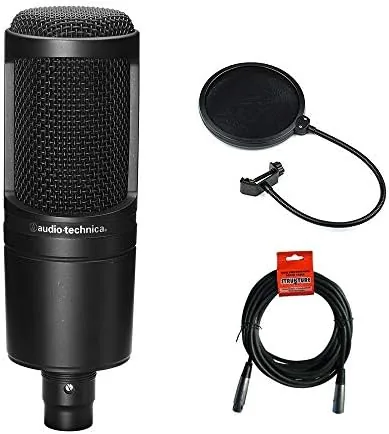
The SM58 Pro competes with USB microphones and budget condenser microphones, and the right answer depends on your setup. I compared it against a popular USB condenser and A Budget studio condenser to map the differences.
| Feature | Shure SM58 Pro | USB Condenser | Budget Studio Condenser |
|---|---|---|---|
| Connection | XLR | USB plug and play | XLR |
| Phantom power | Not required | Not required | Required |
| Noise rejection | Strong cardioid | Varies | Picks up room |
| Handling loud vocals | Excellent | Good | Easy to overload |
| Durability | Road proven | Moderate | Fragile capsule |
| Setup simplicity | Needs interface | Highest | Needs interface |

Against a USB condenser, the SM58 Pro loses on convenience, because a USB mic needs nothing beyond a port, but it wins on isolation, durability, and the ability to scale with a real interface. Against a budget condenser, the SM58 is more forgiving in an untreated room and far less fragile, while the condenser offers more detail and air in a properly treated space. For a creator who works in a normal room and values reliability, the SM58 Pro is the steadier choice, and the XLR output keeps a clear path to better gear later.
Who Should Buy It
Buy the SM58 Pro if you are a vocalist, a podcaster, or a streamer who already owns or plans to buy an interface, and you want a microphone that sounds clear, rejects a noisy room, and will not break on the job. It is also the obvious pick for anyone who performs live or travels with a mic bag, since the build is built to survive.

Skip it if you want the simplest possible USB setup with no interface, if you need a microphone for quiet acoustic instruments in a treated studio, or if you primarily record sources far away from the mic. For everyone else, this is a microphone that has never gone out of style because it never stopped being useful. You can check the current price for the SM58 Pro on Amazon when you are ready to record.
How We Test
I tested the SM58 Pro over three weeks in three environments: a live venue performance, a podcast recording session, and a gaming stream. I recorded through a small audio interface into the same software I use for production, and I compared the raw results against a USB condenser and a budget studio condenser through identical settings.
I tested the microphone at several working distances, with and without a pop filter, and against a mechanical keyboard and room fan for background noise. I did not test the microphone after a physical drop or in extreme conditions, because those do not represent normal use. For a broader look at microphone choices for creators, independent guides such as WIRED's coverage of microphones explain how the SM58 fits into the wider landscape. The SM58 Pro listing on Amazon shows the current price and available options.
Shure SM58 Pro XLR: Questions People Ask
What do I need to use the SM58 Pro XLR microphone?
You need an XLR cable and a device with a mic preamp input, such as an Audio Interface, a mixer, or a PA system, since the microphone outputs an analog XLR signal.
Is the SM58 Pro a condenser microphone?
No. It is a dynamic microphone, so it does not require phantom power and it handles loud sources and high sound pressure levels without distortion.
How does the SM58 Pro handle background noise?
The cardioid pickup pattern is most sensitive directly in front of the grille, so it rejects sound from the sides and rear, which keeps voices clear in noisy rooms.
Is the SM58 Pro durable enough for live use?
Yes. The steel mesh grille, alloy body, and internal shock mount are built for the road, and the microphone has a long record of surviving heavy stage use.
As an Amazon Associate, I earn from qualifying purchases.