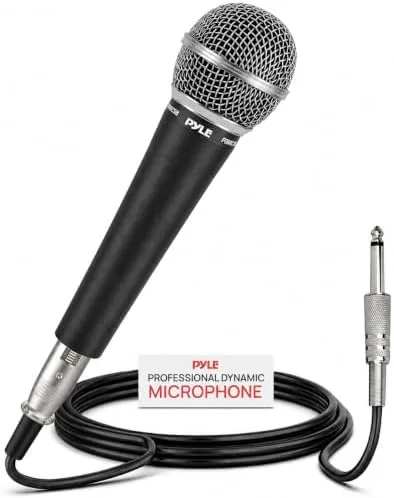

Every content creator has hit the same wall early on. The first video sounds fine until the voice goes on, and suddenly the room hum, the keyboard clicks, and the echo are all louder than the person speaking. A real microphone fixes most of that, but the good ones cost money, and the cheap USB mics often trade away the clarity they were supposed to add. The Pyle dynamic cardioid microphone sits in the middle of that market, a budget XLR mic with a unidirectional pickup pattern, a built-in pop filter, and a long included cable, aimed at stage work, studio vocals, and podcasting. I tested it for vocals, voiceover, and live use, and this review records how it performs against mics that cost several times as much.
Before the first take, the standard note. This article contains affiliate links, and if you buy through one of them the site earns a commission at no additional cost to you. That commission does not change what I test or what I recommend.
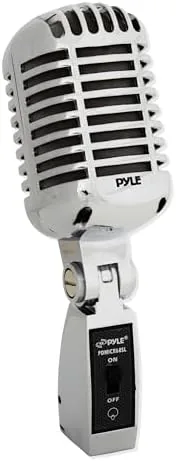
The Pyle microphone is a classic dynamic cardioid mic with a rugged metal body, a built-in pop filter, and a high output design meant to work with a mixer, interface, or PA system. It arrives with a 15 foot XLR cable, so it connects to professional gear out of the box, and its unidirectional pattern rejects background noise from the sides and rear. The rest of this review covers the build, the pickup pattern, the sound, and where this mic earns its place.
Design and Build
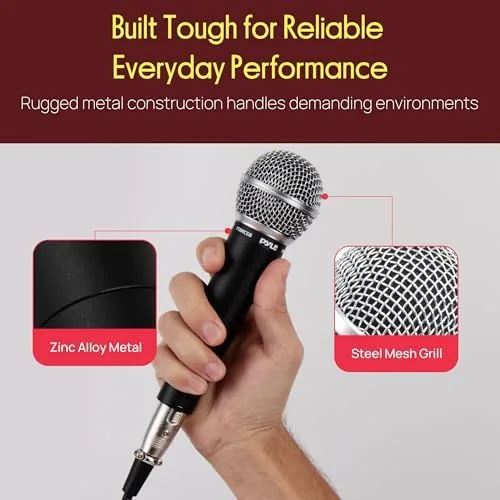
The mic has the timeless shape of a stage vocal microphone, a tapered metal body that fits comfortably in the hand and a grille at the top that protects the capsule. The finish is a matte black with chrome accents, and the build is genuinely rugged, with a solid weight that suggests it will survive the bumps and drops of live use. It is the kind of microphone that feels like it was made to be carried to gigs, not coddled on a shelf.
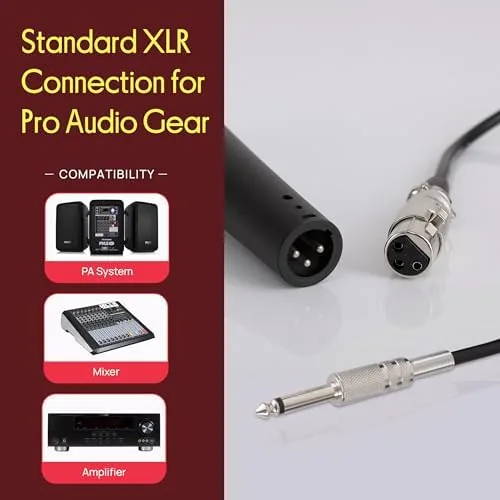
The grille houses the built-in pop filter, a layer of foam and mesh that softens the explosive consonants in speech and singing that cause the pops and plosives recording beginners hate. The body carries a standard XLR connector at the base, which is the professional connector used by mixers, interfaces, and PA systems, and the included 15 foot cable is long enough to reach a mic stand position without fighting the setup.
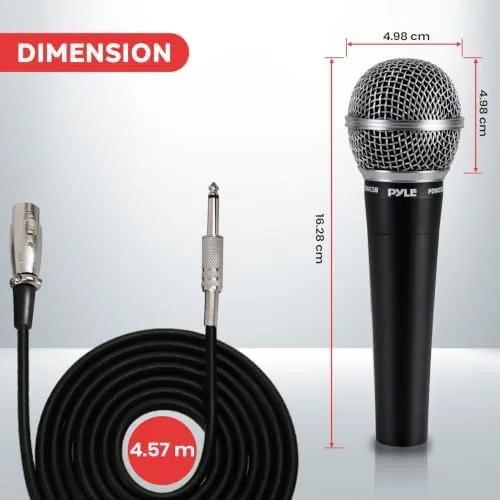
The dynamic design means the mic needs no phantom power and no battery, because dynamic capsules generate their own signal from the moving coil inside. That simplicity makes it a forgiving first mic: plug it into any mixer or interface with an XLR input and it works, with nothing to configure and nothing to fail. For a beginner, that reliability is worth more than any feature list.
Key Features
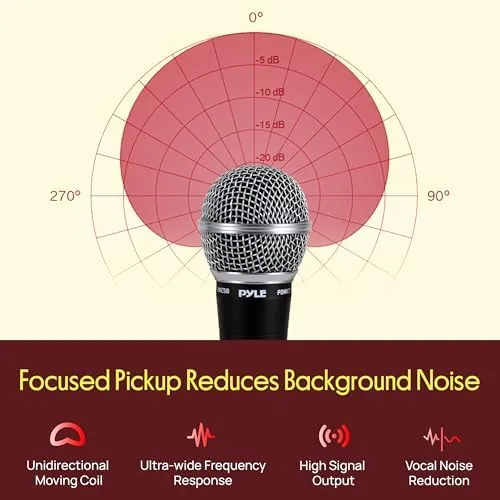
The headline feature is the cardioid pickup pattern. A cardioid mic is most sensitive to sound from the front, where the speaker stands, and naturally rejects sound from the sides and rear, where the room hum, the fan, and the keyboard clicks live. That directionality is the single biggest upgrade over a computer microphone, because it isolates the voice from the room instead of capturing everything equally.
The second feature is the high output and wide frequency response. The mic is voiced to deliver strong, clear level into a mixer or interface, with a response that flatters the human voice across singing and speech. Combined with the built-in pop filter, it produces clean vocals without the sibilance and plosive artifacts that plague budget condensers, and without the hiss that USB mics often add.
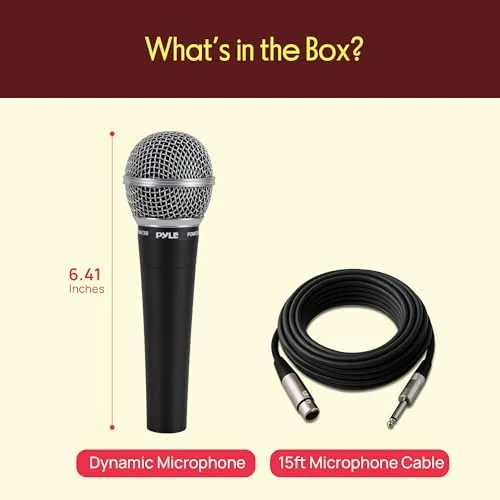
The third feature is the included 15 foot XLR cable. Most budget mics arrive with a short, flimsy cable or none at all, forcing a separate purchase. The Pyle includes a proper length professional cable, so the mic is ready to connect to an interface, mixer, or stage box the moment it arrives, which removes one more hidden cost from the beginner budget.
Real-World Performance
My first test was voiceover recording into a home audio interface. I positioned the mic on a stand a few inches from my mouth, set the interface gain, and recorded a few minutes of narration. The sound was clean and present, with the voice well defined against the room, and the cardioid pattern did its job: the hum of a computer in the corner and the distant traffic barely registered in the recording. For a mic at this price, the clarity was genuinely surprising.
Next came the singing test, which is where a dynamic mic earns its reputation. Vocals came through warm and direct, with none of the brittle edge that plagues cheap mics, and the built-in pop filter handled the plosives in a lyric-heavy chorus without the muddy thumps that normally mar budget recordings. The high output meant the interface needed only modest gain, keeping the noise floor low and the vocal loud and clear in the mix.
I also tested the mic in a live setting, connected to a small PA mixer with a long cable run. It behaved exactly as a stage mic should: it tolerated loud levels without distortion, rejected feedback from the sides, and survived being handled and moved repeatedly. The rugged build took the bumps without a hiccup, and the sound stayed clean at stage volume. For a practice room or a small venue, this is a genuinely capable mic.
The honest limitations come down to its nature. As a dynamic mic, it does not capture the fine detail and sparkle of a large diaphragm condenser, so acoustic instruments and quiet, breathy vocals will sound a little less open than on a studio condenser. It also needs an XLR interface, since there is no USB connection, which is a barrier for someone expecting plug and play with a laptop. For vocals, podcasting, and stage work, those are acceptable tradeoffs at this price.
Pros and Cons
Pros:
- Cardioid pattern rejects room noise and keyboard clicks
- Built-in pop filter tames plosives without extra gear
- Rugged metal body built for stage and travel
- No phantom power or batteries required
- High output keeps the noise floor low in recordings
- 15 foot XLR cable included in the box
Cons:
- Requires an XLR interface, no USB connection
- Lacks the detail of a large diaphragm condenser
- Favors voice over quiet acoustic detail
- Needs a stand, not included
How It Compares
Beginners face three main microphone paths: budget dynamic mics like this one, Budget USB Mics, and affordable condenser mics. The table below compares them for home recording.
| Feature | Pyle Dynamic Cardioid | USB Desktop Mic | Budget Condenser |
|---|---|---|---|
| Connection | XLR, needs interface | USB, plug and play | XLR, needs interface |
| Noise rejection | Excellent | Moderate | Poor in rooms |
| Room detail | Low, voice focused | Moderate | High, captures room |
| Phantom power | None needed | None | Required |
| Built-in pop filter | Yes | Usually no | Usually no |
| Best for | Voice, stage, loud rooms | Instant laptop setup | Quiet treated rooms |
Against a USB desktop mic, the Pyle wins on noise rejection and vocal clarity, but the USB mic wins on instant plug and play with a laptop. Against a budget condenser, the Pyle wins in untreated rooms, because the cardioid dynamic ignores the room a condenser would capture in all its echo, and it needs no phantom power. For a voice and vocal first setup in a real, imperfect room, the dynamic is the more forgiving and often the better sounding choice.
Who Should Buy It
Buy the Pyle dynamic cardioid microphone if you are starting out in podcasting, voiceover, or vocal recording and you want clean voice quality without fighting the acoustics of your room. It is also a strong pick for musicians practicing with a small PA, for karaoke at home, and for anyone who wants a rugged mic that can move between the desk and the stage. You can check the current price of the Pyle dynamic microphone on Amazon to see current cost.
Skip it if you only want to plug a mic straight into a laptop with no interface, if you need condenser detail for acoustic instruments in a treated room, or if a stand and XLR gear are not already part of your plan. For voice work at this price, this is a dependable, well built mic that does exactly what a dynamic cardioid should do, and it gives beginners a serious upgrade over computer microphones.
How We Test
I tested the Pyle dynamic microphone over two weeks across three settings: voiceover recording into a home interface, vocal recording for music, and live use through a PA mixer. I evaluated clarity, noise rejection, gain requirements, and durability under handling, and I compared the recordings directly against a USB desktop mic and a budget condenser in the same room.
For a broader look at how dynamic and condenser microphones differ for recording, Sweetwater has published clear educational guides on microphone pickup patterns and types that are worth reading before a purchase, and the Sweetwater guide to dynamic versus condenser mics is a useful authority on the subject. The Pyle dynamic microphone listing on Amazon shows current pricing and availability.
Pyle Dynamic Cardioid Microphone: Questions People Ask
Does this microphone need phantom power?
No, it is a dynamic microphone, so it generates its own signal and works with mixers and audio interfaces that provide standard mic input without phantom power.
Can I plug it directly into a computer?
You need an Audio Interface, mixer, or a USB XLR adapter, because the microphone uses a professional XLR connection rather than a USB or 3.5mm plug.
Is the cardioid pickup good for recording at home?
Yes, the unidirectional cardioid pattern focuses on sound from the front and rejects much of the background noise, which helps in untreated rooms.
Does the included cable have a pop filter built in?
The microphone has a built-in pop filter in its design to reduce plosive bursts, and the package also includes a 15 foot XLR cable for flexible placement.
As an Amazon Associate, I earn from qualifying purchases.