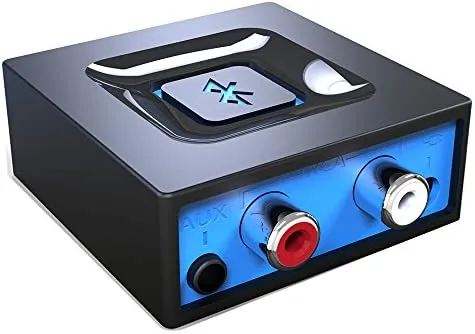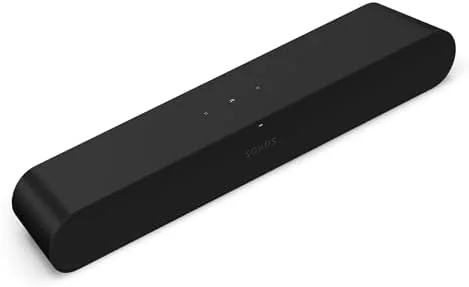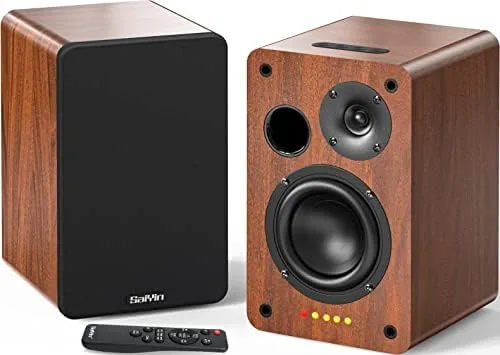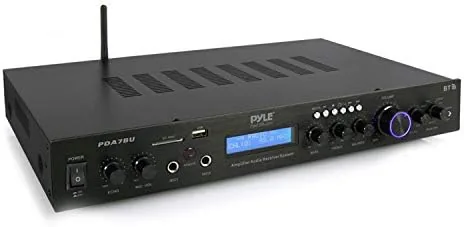

The Pyle PDA7BU arrives with an unusual promise for a budget amplifier. It wants to run a full five channel surround system, stream music from your phone over Bluetooth, play files from a USB stick or SD card, tune in FM radio, and double as a karaoke machine with two microphones, all in one compact chassis. I spent two weeks with it wired into a modest Living Room setup to find out which of those promises hold up in daily use and which ones fade once you actually switch it on.
Before the details, one note about how this review works. This article contains affiliate links, and if you buy through one of them the site earns a small commission at no extra cost to you. That never changes what I test or what I recommend.
Design and Build
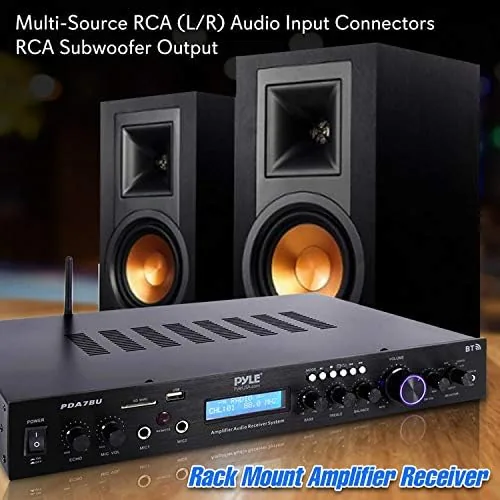
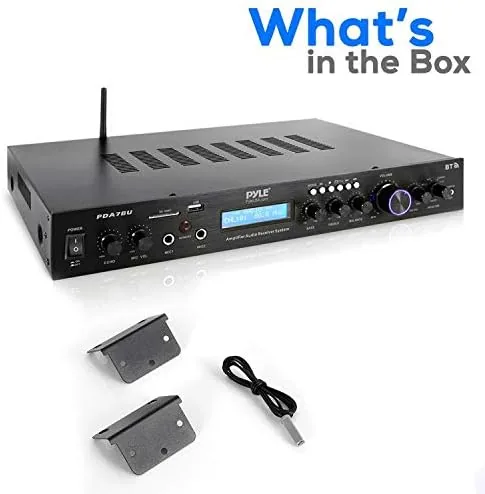
The Pyle PDA7BU is a standard width half rack component, the kind that slots neatly into an entertainment center next to a Blu ray player. The front panel is black plastic with a brushed metal effect, and the LCD display sits between the volume knob and the source selector. Every control is labeled clearly, which matters more than it sounds on a box this feature dense, because the layout tells you where everything is before you read the manual.
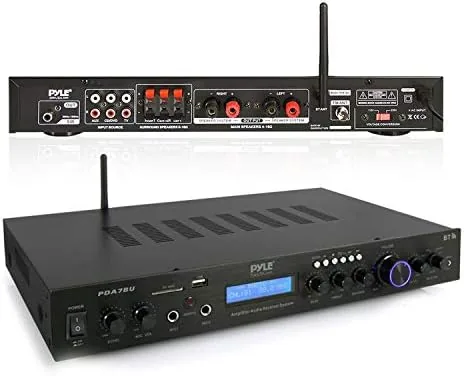
Around the back you get five sets of binding posts for front, center, and surround channels, plus a subwoofer output that lets a powered sub handle the low end. There are two sets of RCA inputs, a coaxial input, and an FM antenna terminal. The build is not premium, the plastic case flexes slightly under pressure, but nothing rattles and the binding posts grip speaker wire firmly. For the price bracket this amplifier occupies, the construction is entirely reasonable.
Key Features
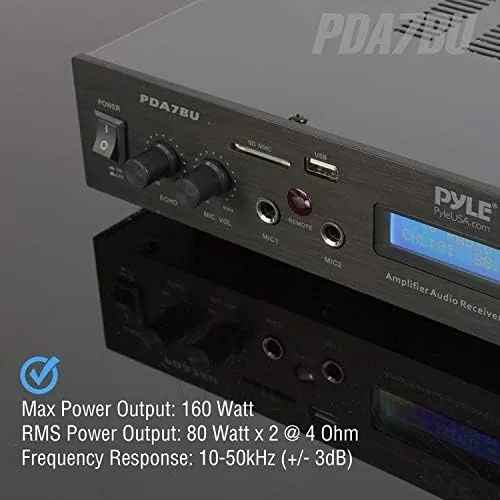
The headline number is 200 watts across five channels, which in practice means the amplifier drives average bookshelf and Surround Speakers to serious volume without strain. Pyle rates this as peak output, and honest buyers should treat it as a powerful budget receiver rather than a flagship, but for a living room the headroom is more than enough.
Bluetooth streaming is the feature most buyers will use first. The amp pairs with phones and tablets as a standard Bluetooth receiver, and music plays through whichever input you have selected. I streamed from Android and iOS devices and the connection held reliably at typical living room distances, with only the occasional hiccup when I wandered two rooms away with my phone in my pocket.
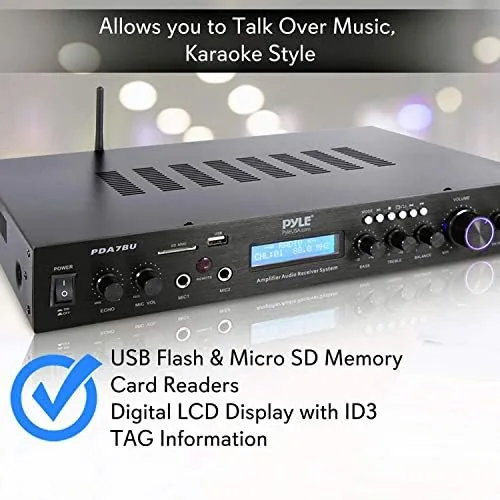
For offline media, there is a USB port and an SD card slot on the front. The built in MP3 player reads files directly from the drive and shows track information on the LCD. FM radio rounds out the tuner options, and the antenna picks up local stations well enough for casual listening. The karaoke system is where the unit shines for parties, with two 6.35mm microphone inputs and independent level controls for each mic.
Real-World Performance
I wired the PDA7BU to a pair of floor standing fronts, a center channel, and two surround speakers, with a powered subwoofer on the sub output. For movie nights the receiver handled dialogue clearly and effects with enough authority to fill the room. Music sounded warm rather than analytical, which suits most home listening, and the tone controls give you room to shape the signature to taste.
The subwoofer output is the quiet workhorse here. Sending the low end to a powered sub takes real strain off the five channels and makes the whole system sound bigger than its price suggests. I left the crossover at its default setting and did not feel the need to chase the perfect setting, which is high praise for a budget component.
Karaoke was the genuine highlight. Plugging in two mics and adding the echo effect turned a Tuesday evening into an impromptu party, and the independent volume controls meant a loud singer and a shy singer could each be balanced without touching the main volume. The mic preamps are basic, but they are perfectly usable for home use, and the effect is far better than I expected at this price.
Not everything was flawless. Switching between sources takes a moment longer than I would like, and the FM radio needs a good antenna position to avoid hiss. Bluetooth range fades noticeably if you leave the room, and the remote is a simple affair with small buttons. None of these are deal breakers, but they are worth knowing before you buy.
Pros and Cons
Pros:
- Five channels plus a subwoofer output cover a full surround setup
- Bluetooth streaming works reliably at normal distances
- Two karaoke mic inputs with individual volume and echo
- USB and SD playback with on screen track display
- Warm, full sound for movies and music
- Clear, well labeled controls and front panel display
Cons:
- 200 watt rating is peak output, not continuous RMS
- Plastic chassis feels light compared with pricier receivers
- Bluetooth range drops sharply beyond one room
- Source switching is slower than I would like
How It Compares
The natural comparison for the Pyle is a traditional five channel AV receiver from a mainstream brand, which typically costs more and drops the karaoke inputs. The table below shows how the two approaches line up for a typical living room buyer.
| Feature | Pyle PDA7BU | Traditional AV Receiver |
|---|---|---|
| Channels | 5 plus sub output | 5, 7, or more |
| Bluetooth | Built in | Varies by model |
| Karaoke mics | Two with echo | Rarely included |
| USB and SD playback | Yes | USB only on some |
| Typical price | Budget | Higher |
| Build quality | Basic plastic | Heavier metal |
If you want pure Surround Sound fidelity with premium construction, a mainstream AV receiver wins on build and features like HDMI switching. If you want one box that also does karaoke, USB playback, and FM radio for a fraction of the cost, the Pyle makes a compelling argument. For many families, the convenience wins. You can check the current price of the Pyle Bluetooth amplifier on Amazon to see how it compares today.
Who Should Buy It
Buy the PDA7BU if you are setting up a first home theater on a budget, if your family loves karaoke nights, or if you want a single component that handles streaming, USB files, radio, and surround sound without adding boxes to the entertainment center. It is a genuine all in one, and for casual listeners the sound is more than enough to enjoy movies and music.
Skip it if you need HDMI inputs for a modern TV and console setup, if you demand reference grade audio, or if your room is large enough that you need serious continuous power. Those buyers should look at a full AV receiver. For everyone else, this is one of the easiest ways to get five channels, Bluetooth, and karaoke working in one afternoon. The Pyle amplifier listing on Amazon has full specs and current pricing.
How We Test
I tested the Pyle PDA7BU over two weeks in a real living room setup with five speakers and a powered subwoofer. I watched movies, streamed music from both Android and iOS devices, played MP3s from USB and SD cards, tuned FM radio, and ran two karaoke sessions with different microphone styles. I compared its output against a mainstream AV receiver to judge value and measured how far Bluetooth stayed reliable.
I did not run laboratory distortion measurements or continuous power tests, because the practical listening tests of movies, music, and karaoke are what a home buyer actually cares about. For broader reading on home audio and receivers, CNET has a helpful overview of how to choose a stereo receiver that pairs well with this review.
Pyle Bluetooth Home Theater Amplifier: Questions People Ask
Can I stream music to the Pyle amplifier from my phone?
Yes. The built in Bluetooth receiver pairs with phones and tablets, and I found the connection stable within a typical living room distance. Music plays through whichever source you have selected, and the front panel shows the active input.
Does the Pyle amp really deliver 200 watts?
The 200 watt rating refers to peak output across all channels. In practical terms the amplifier drives average bookshelf and surround speakers easily at high volume, but it is a budget receiver rather than a high power audiophile unit.
Can two people sing into the karaoke microphones at once?
Yes. There are two 6.35mm microphone inputs, each with its own level control, so duets work well and the echo effect adds a professional feel to the mix.
How do I play music from a USB drive or SD card?
Insert the drive and press the source button until USB or SD is selected. The front panel LCD shows track numbers, and the MP3 player handles files directly without a computer.
As an Amazon Associate, I earn from qualifying purchases.