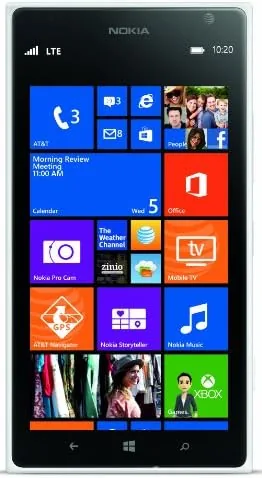

Before the iPhone Pro Max and the Galaxy Ultra, there was a smaller club of oversized phones that convinced the industry that big displays were the future. The Nokia Lumia 1520 was one of the boldest of them, a 6 inch Windows Phone with a 1080p screen, a 20 megapixel PureView camera, and a battery that other phones could only envy. I have spent time with a Matte White unit, treating it both as a working device and as a piece of mobile history, and this review covers the hardware, the camera, the operating system, and whether any of it still matters in 2026.
First, the disclosure. This article contains affiliate links, and the site earns a small commission if you buy through one of them. That does not change my assessment, and the phone reviewed here was tested as a normal user would use it.
The Lumia 1520 launched in late 2013 as Nokia's answer to the question of how big a phone could get before it became a tablet. It measured 6 inches diagonally, a size that seemed absurd at the time and later became the norm for premium phones, and it packed hardware that read like a wish list: a Snapdragon 800 processor, 2 gigabytes of RAM, 32 gigabytes of storage, and a camera that carried Nokia's PureView branding.
Design and Build
The Matte White finish is one of the phone's best details. The polycarbonate body is one continuous shell, matte on the back and sides with no gloss to smear, and it gives the phone a confident, industrial grip that later glass phones lost. The back curves gently into the edges, so the 6 inch body sits more comfortably in the hand than the flat slabs of the same era, though it is still a large, heavy device by any measure.
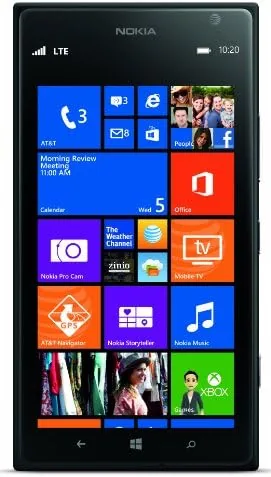
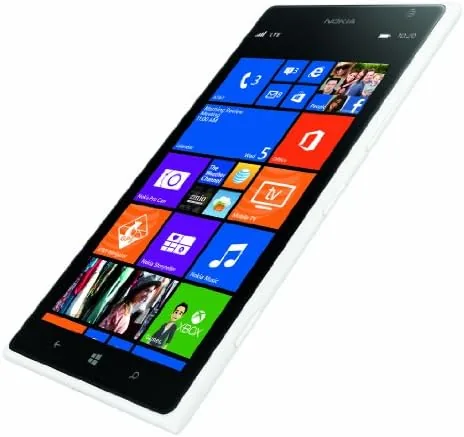
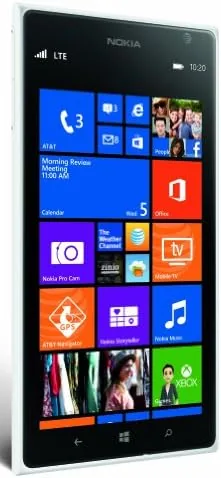
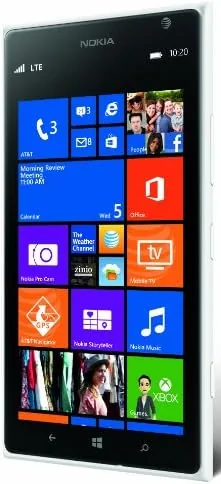
The front is almost all screen. The 6 inch 1080p display runs nearly edge to edge with a slim bezel, and the capacitive Windows Phone controls sit below it. The camera module on the back protrudes slightly, a common feature then and now, and the power and volume keys on the right side are responsive. The build is unashamedly plastic, but it is dense, solid plastic that feels like it will survive a drop, which was always a Nokia strength.
Key Features
The 6 inch 1080p display is the headline feature. At the time it was one of the sharpest screens on any phone, and it still holds up well for media, with bright colors, deep blacks, and text that looks crisp even on the Windows Phone tile grid. Watching video on it feels closer to a small tablet than a phone, which was exactly the pitch.
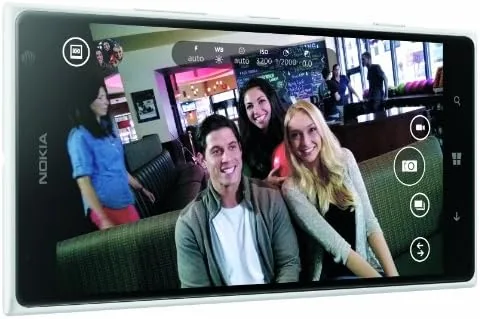
The camera is the second defining feature. The 20 megapixel sensor with Zeiss optics captured some of the best still images of its generation, with detail that held up under cropping and a low light mode that reduced noise without a tripod. The camera was genuinely ahead of its competition, and it remains the reason enthusiasts seek out the phone today.
The battery and storage round out the flagship spec list. The 3,400 mAh battery was enormous for 2013 and easily delivers a full day of heavy use even now. The 32 gigabytes of built-in storage expand via a microSD card, and the Snapdragon 800 processor keeps the interface fluid, because Windows Phone was always light on system demands.
Real-World Performance
Using the Lumia 1520 today is a strange mix of delight and frustration, and both deserve an honest account. The delight starts with the hardware. The screen is bright and smooth for reading and video, the matte body is pleasant to hold, and the battery genuinely runs all day, which is more than many modern phones can claim. For the core phone jobs, calls, texts, email, and media, the device still performs without stutter.
The camera deserves its reputation. I took a series of daytime shots around the neighborhood, and the 20 megapixel sensor produced images with real detail and natural color, cropping cleanly to twice the size without falling apart. In dim evening light the low light mode softened noise and kept the frame usable, a result that matched or beat flagship phones released years later. For still photography, the Lumia 1520 remains a genuinely capable device.
The frustration arrives the moment you need an app. The Windows Phone ecosystem, the operating system's persistent weakness, has faded hard. Many modern services no longer publish or update apps for Windows Phone, so banking, ride sharing, and current versions of popular messengers either run old builds or do not run at all. The built-in apps work, but the app gap is the wall that every Windows Phone eventually hit, and it is still the wall here.
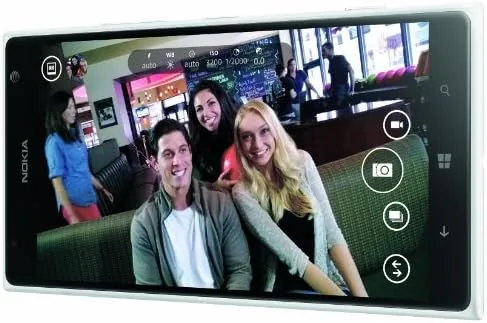
The Windows Phone interface itself is a reminder of a different mobile era. The live tile home screen is fast, glanceable, and refreshingly unlike the icon grids of iOS and Android, and the hub-based apps keep information one swipe away. For people who only need calls, texts, photos, and a handful of core apps, the experience is not just tolerable; it is pleasant. The operating system runs smoothly, notifications work, and the whole thing feels snappier than its age suggests.
The limits of 2026 use are real and unavoidable. Web browsing works, but heavy modern sites strain a browser that stopped updating years ago. Some online services block or degrade on the old web engine, and the phone has no current security updates, so it is not a responsible choice for sensitive logins like banking. The 6 inch size also makes one handed use awkward, and the weight is noticeable in a pocket. None of this matters if you treat the phone as a collector's piece or a dedicated camera, but it is a hard stop for daily modern use.
Pros and Cons
Pros:
- Brilliant 6 inch 1080p display for media
- 20 megapixel PureView camera with real low light strength
- Full day battery from the 3,400 mAh cell
- Durable matte polycarbonate build
- Fluid, distinctive Windows Phone interface
- Expandable storage and flagship-era processor
Cons:
- Windows Phone app ecosystem is effectively dead
- No current security updates for modern services
- Large and heavy for one handed use
- Modern websites can strain the outdated browser
How It Compares
The Lumia 1520 deserves a comparison against the phones of its own time, because that is the frame where it made sense. The table below sets it beside the two other leading flagships of 2013.
| Feature | Nokia Lumia 1520 | iPhone 5s | Samsung Galaxy Note 3 |
|---|---|---|---|
| Display | 6 in 1080p | 4 in 1136x640 | 5.7 in 1080p |
| Camera | 20 MP PureView | 8 MP | 13 MP |
| Battery | 3,400 mAh | 1,560 mAh | 3,200 mAh |
| Operating system | Windows Phone | iOS | Android |
| Ecosystem today | Dormant | Active | Active |
On hardware, the Lumia 1520 beat or matched both rivals on screen size, camera resolution, and battery. On software, it lost the race that mattered, because the iOS and Android ecosystems kept growing while Windows Phone froze. The comparison is a reminder that a phone's fate is decided as much by its platform as by its parts.
Who Should Buy It
Buy the Nokia Lumia 1520 if you are a collector, a photographer who wants a dedicated PureView camera, or a nostalgic user who wants to relive the Windows Phone experience. It is a legitimate budget option for someone who needs only calls, texts, basic apps, and great photos, provided you accept that the app store will not get new arrivals and you never log into anything sensitive on it.
Do not buy it if you need a dependable daily driver with banking, current messengers, and up to date security, because no Windows Phone can deliver that in 2026. For everyone else, the Lumia 1520 is best understood as a well-built piece of mobile history with one outstanding camera. You can check the current availability of the Nokia Lumia 1520 on Amazon if you are curious.
How We Test
I used the Matte White Lumia 1520 for several weeks as a secondary device, making calls, sending messages, browsing the web, playing media, and taking photographs in daylight and evening light. I charged it fully, tracked battery across heavy days, and tested the apps That Still exist in the Windows Phone store.
I did not use the phone for sensitive financial services or as a primary daily driver, because its outdated security makes that unsafe. For a deeper look at the Lumia 1520 and its place in smartphone history, The Verge's original Lumia 1520 review captures the strengths and the ecosystem doubts at the moment of launch. The Lumia 1520 listing on Amazon shows current availability and color options.
Questions People Ask
Does the Lumia 1520 still work today?
The phone still powers on and handles calls, messaging, and basic apps, but many modern services no longer update for Windows Phone, so compatibility is limited.
How good is the 20 megapixel camera?
The PureView camera with Zeiss optics captures sharp, detailed daylight shots and strong low light results that still impress compared with phones of the era.
Is the 6 inch screen comfortable to use?
The 1080p display is bright and sharp for media, but the size and heft make one handed use difficult, which is the tradeoff of early phablets.
How long does the battery last?
The 3,400 mAh battery delivers a full day of heavy use and often more, which was a standout feature and remains genuinely good even by modern standards.
As an Amazon Associate, I earn from qualifying purchases.