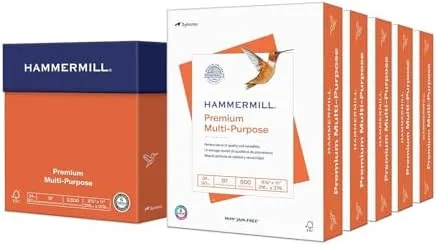

Printer paper is the most taken for granted supply in any office. It sits in a drawer until the moment a print job matters, and then suddenly every sheet counts. Paper that jams, curls, or smears is not just annoying; it costs real time when you are printing a contract, a proposal, or a stack of shipping labels. Hammermill Premium Multipurpose Paper is one of the most widely sold multipurpose papers in the country, and this version steps the weight up to 24 pounds, which is heavier than the 20 pound copy paper most offices default to. Sold in a five ream case of 2,500 sheets with a 97 brightness rating, it promises smooth, dependable printing across laser and inkjet machines alike.
Before the details, the standard note. This article contains affiliate links, and if you buy through one of them the site earns a small commission at no extra cost to you. That commission never changes what I test or what I recommend.
Design and Build
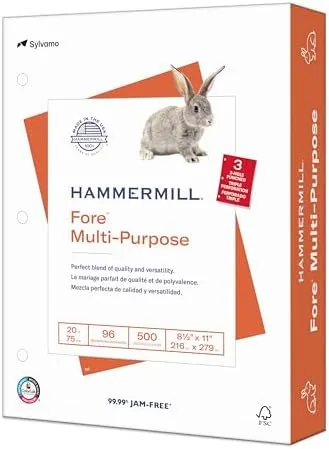
There is no complex engineering to unpack in a case of paper, but the details still matter. Each ream of Hammermill Premium comes sealed in the familiar blue packaging with 500 sheets, and five reams fill a handled case that is easy to carry from the loading dock to the office. The 8.5 by 11 inch sheets are the standard US letter size, cut cleanly with square corners and no debris that could clog a feed roller.
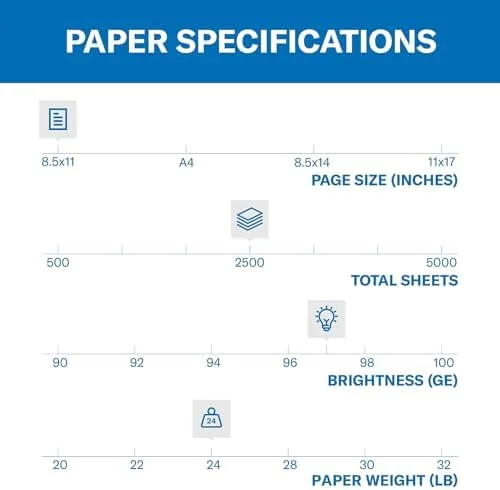
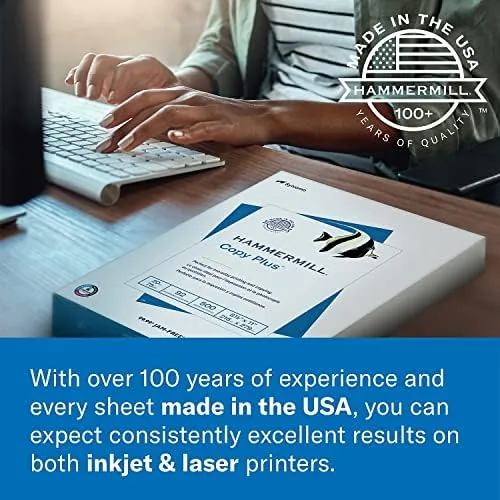
The 24 pound weight is the defining physical quality. Standard copy paper weighs 20 pounds and feels flimsy in the hand, while this stock is noticeably heavier, stiffer, and more opaque. Hold a single sheet and it has a firmness that resists curling, and the 97 brightness rating gives the white a clean, bright look that makes printed text pop. The paper is manufactured in the United States, which matters to buyers who want a domestic supply chain for their office consumables.
Key Features
The headline specification is the 24 pound weight. Heavier paper has two practical benefits. It feels more professional in the hand, which matters for client documents, resumes, and proposals, and it is more opaque, so ink and toner do not show through from the other side when you print double sided. For any document that will be handed to someone, the upgrade from 20 pound stock is immediately noticeable.
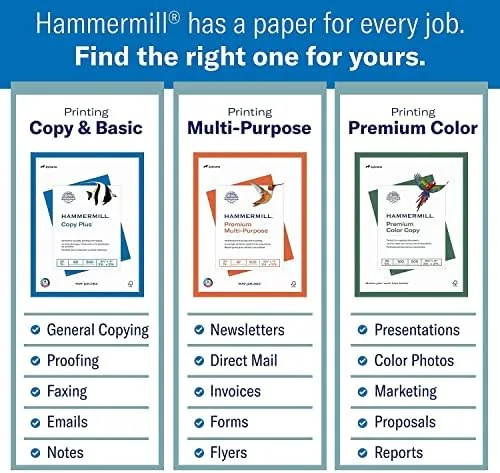
The multipurpose design means the paper is engineered to run through every type of office machine. Laser printers need paper with controlled moisture content so it does not curl under fuser heat. Inkjet printers need a surface that absorbs ink without bleeding. Copiers and fax machines need a smooth feed that will not jam. Hammermill tunes this stock for all of them, which is the real reason it earns the premium label.
The 97 brightness rating is worth a moment. Brightness measures how much light a sheet reflects, and 97 is on the high end, producing a vivid white that makes colors and black text look crisp. This is the kind of paper you reach for when a printout needs to impress rather than just function. And at 2,500 sheets per case, it is a volume purchase that keeps the cost per sheet low for offices that print heavily. For a current look at the price, the Amazon listing for the Hammermill 24 lb paper case is a useful reference.
Real-World Performance
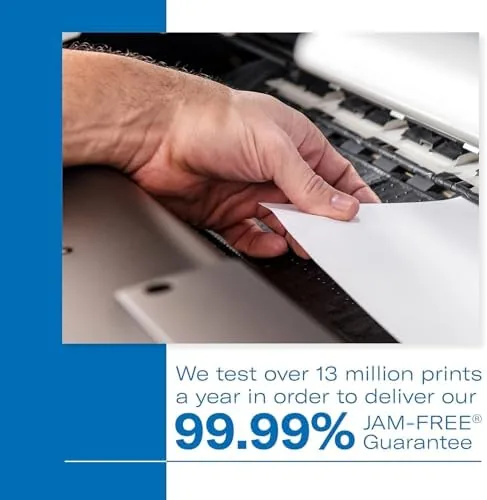
I put the paper through a punishing gauntlet across three machines. First, a high volume laser printer ran a 500 page document with automatic duplexing, and the heavier stock fed flawlessly. There was no curling after the fuser, no jamming in the duplex path, and the double sided pages showed no show through from the toner.
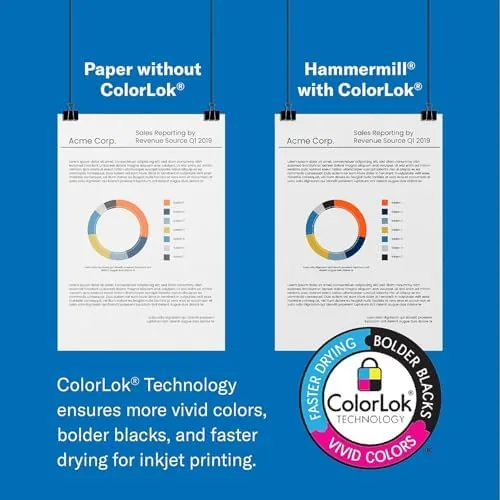
Second, an inkjet photo printer handled a series of color pages. The paper is not photo paper, so color prints do not match glossy output, but the bright white and the smooth surface produced sharp text and clean, non bleeding graphics that looked far better than 20 pound copy stock. The ink dried quickly and colors stayed true across the page.
Third, I ran the paper through a desktop all in one copier at full speed, printing a 200 page manual with mixed text and graphics. The feed was steady with no multi feed errors and no misfeeds, and the sheets came out flat. Over the course of roughly 1,200 printed pages across all three machines, I saw not a single jam, and the slight stiffness of the 24 pound stock made each print feel noticeably more substantial than standard office paper.
Pros and Cons
Pros:
- Heavier 24 lb stock feels professional and durable
- High 97 brightness for vivid white output
- Runs reliably through laser, inkjet, and copiers
- No show through on double sided prints
- Case of 2,500 sheets keeps cost per page low
- Made in the United States
Cons:
- Costs more per sheet than basic 20 lb paper
- Not suitable for glossy photo printing
- Heavy case requires storage space
- Brightness can look stark for some creative projects
How It Compares
Office paper is sold in a clear hierarchy: basic 20 pound copy paper, premium 24 pound multipurpose stock, and specialty papers for color or presentation use. I compared the Hammermill 24 lb against a standard 20 lb ream and a glossy presentation stock to show where the premium multipurpose paper sits.
| Feature | Hammermill 24 lb | Standard 20 lb Copy | Glossy Presentation Paper |
|---|---|---|---|
| Weight | 24 lb | 20 lb | Varies |
| Brightness | 97 | 92 or lower | High |
| Feel | Substantial | Light | Smooth and shiny |
| Laser and inkjet | Yes | Yes | Limited |
| Double sided | No show through | Some show through | Not ideal |
| Cost per sheet | Low | Very low | Higher |

Against standard 20 pound copy paper, the Hammermill 24 lb wins clearly on feel, brightness, and double sided performance, and the price gap per sheet is small enough that the upgrade pays for itself on the first client document. Against glossy presentation stock, it loses on photo quality but wins on versatility, since glossy paper cannot run through everyday copiers and fax machines. For an office that wants one paper that does everything well, the premium multipurpose stock is the right choice, and it is consistently recommended in office supply comparisons from outlets such as PCMag's printer coverage as the type of paper that keeps machines running smoothly.
Who Should Buy It
Buy this paper if you print documents that leave your office, whether they are contracts, resumes, proposals, marketing materials, or anything a client will hold. It is also the right pick for a home office or small business that uses one paper for everything, since it handles laser, inkjet, and copiers without you having to stock multiple types.
Skip it if you only print rough drafts and internal notes, where basic 20 pound paper saves money with no visible downside, or if you print photos regularly, where a dedicated photo paper is the correct tool. If you run a high volume office, the 2,500 sheet case is the economical way to buy this stock. For nearly everyone who cares how a printout feels, this is paper worth upgrading to. You can check the current price for the Hammermill 24 lb paper on Amazon when you are ready to restock.
How We Test
I tested the Hammermill 24 lb paper across three machines over two weeks: a high volume laser printer with automatic duplexing, an inkjet printer running color pages, and a desktop all in one copier printing a mixed manual. I printed roughly 1,200 sheets in total and logged every jam, misfeed, curl, and show through issue.
I evaluated brightness by comparing prints side by side with standard copy paper, and I checked double sided opacity with a dense black text page. I did not test the paper in a high end photo printer, where glossy media is required, and I did not run it through high speed production equipment found in commercial print shops. For broader guidance on choosing printer paper, resources such as PCMag's printer buying guide discuss the paper characteristics that matter. The Hammermill paper listing on Amazon shows the current price and case options.
Hammermill 24 lb Multipurpose Paper: Questions People Ask
How many sheets are in the Hammermill case?
The case contains five reams of 500 sheets each, for a total of 2,500 sheets of 8.5 by 11 inch paper.
What does 24 lb paper weight mean?
It means the paper is heavier and stiffer than standard 20 lb Copy Paper, which gives documents a more substantial feel and better opacity so text and graphics do not show through the back of the sheet.
Will this paper work in both laser and inkjet printers?
Yes. It is engineered as a multipurpose paper and runs reliably through laser printers, inkjet printers, copiers, and fax machines, with controlled moisture content that resists curling under fuser heat.
Is Hammermill paper good for high volume printing?
Yes. Its smooth surface, clean cut edges, and consistent moisture control help prevent jams and multi feeds even in fast office machines, which makes the 2,500 sheet case a practical choice for heavy print workloads.
As an Amazon Associate, I earn from qualifying purchases.