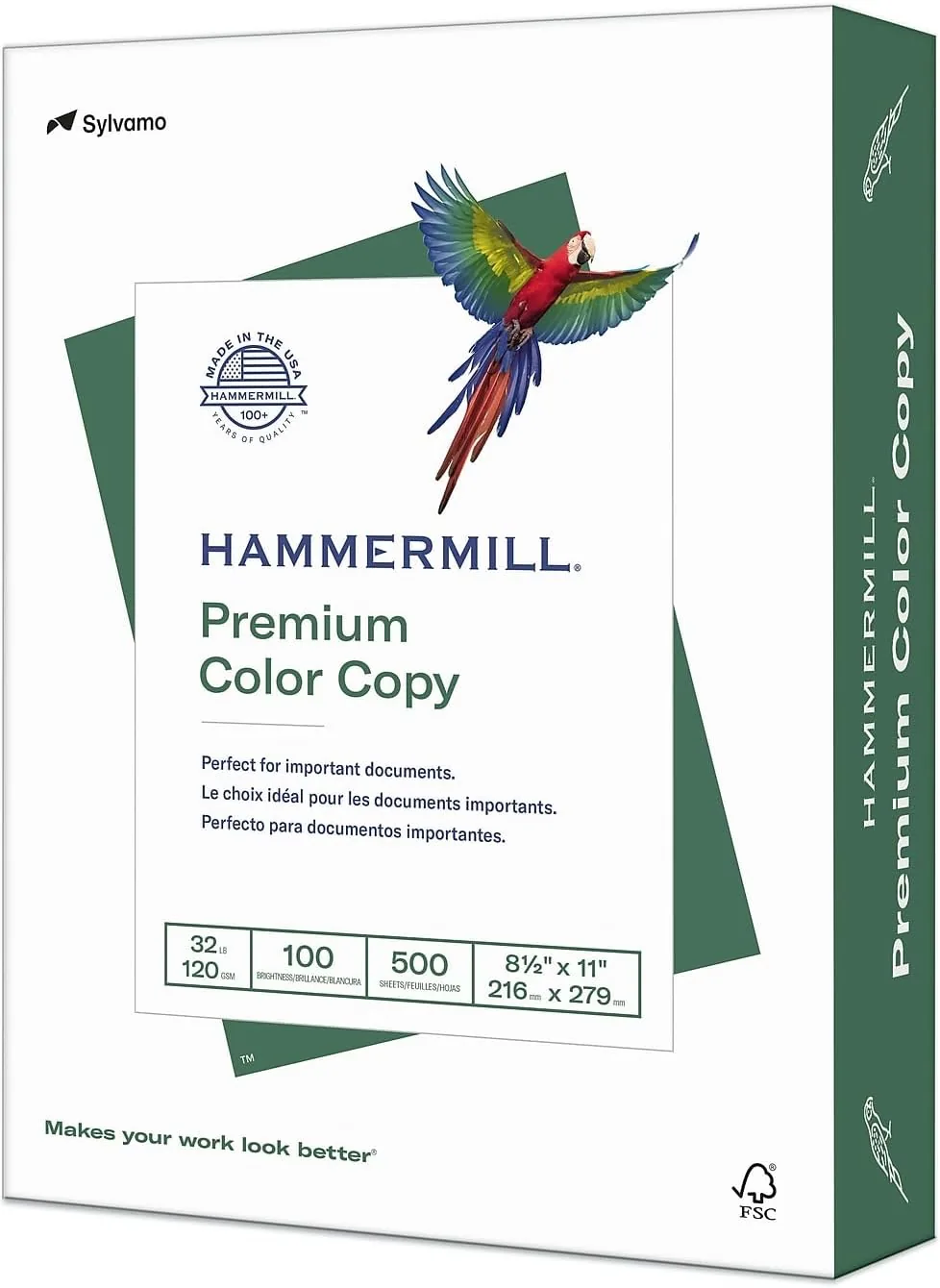

Most copy paper is a compromise. You buy a 20 pound ream to save money, and then your presentation looks washed out, your resume bends at the corners, and the photos you printed for a client feel like flimsy afterthoughts. Hammermill makes the case that there is a better middle ground, and it comes in the form of Premium Color 32 lb Copy Paper, a heavyweight 100 brightness stock sold in a single 500 sheet ream. It is priced well above everyday office paper, which raises an obvious question: does a heavier, brighter sheet actually make printed work look better, or is this just a premium price tag attached to a marginal upgrade? I ran a full ream through laser and inkjet machines to find out.
The standard disclosure comes first. This article contains affiliate links, and if you buy through one of them the site earns a small commission at no extra cost to you. That commission does not influence what I test or recommend.
Design and Build
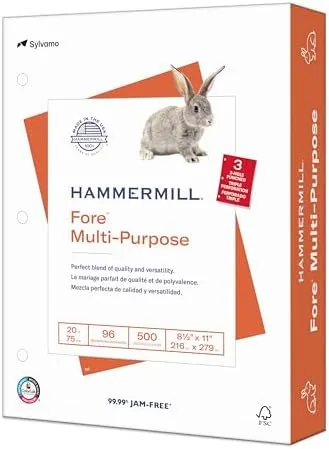
Open the ream and the first thing you notice is the weight. A 32 pound sheet is dramatically stiffer than the 20 pound paper most offices run, and you feel it the instant you pick up a sheet. The ream itself is wrapped in the standard protective paper, with a clean white face that already reads as premium before anything is printed on it. The 100 brightness rating is the headline number, and it shows: the sheet is visibly brighter and whiter than a 92 brightness stock when you hold them side by side.
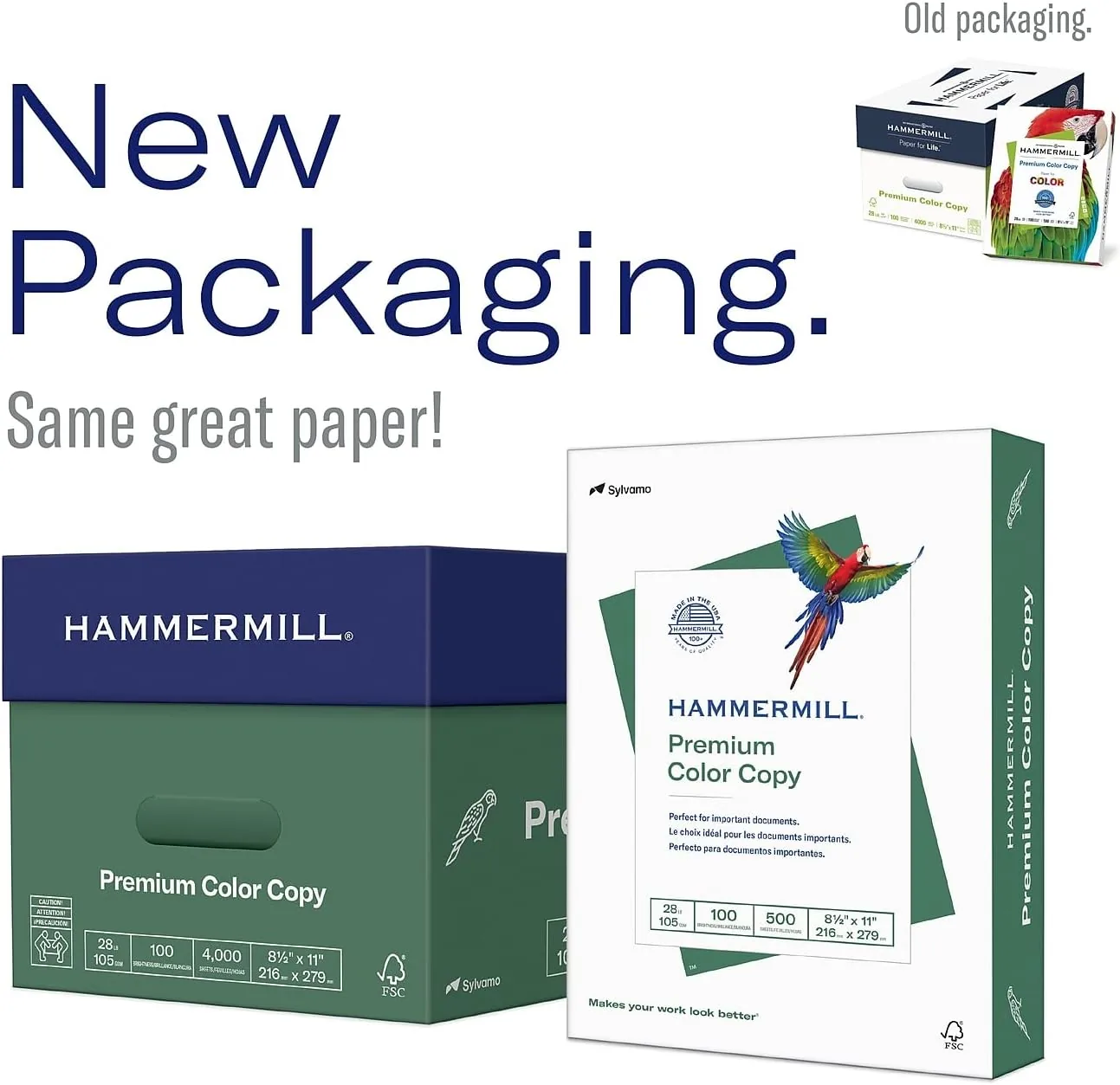
Hammermill builds the sheet for work that has to look good. The surface is designed to take both inkjet and laser output, and the heavier basis weight resists show through on double sided prints, which is the quiet feature that makes color documents look professional on both faces. The paper is manufactured in the United States, carries FSC certification for responsible sourcing, and arrives flat and cleanly cut with no rough edges that could jam a printer.
Key Features
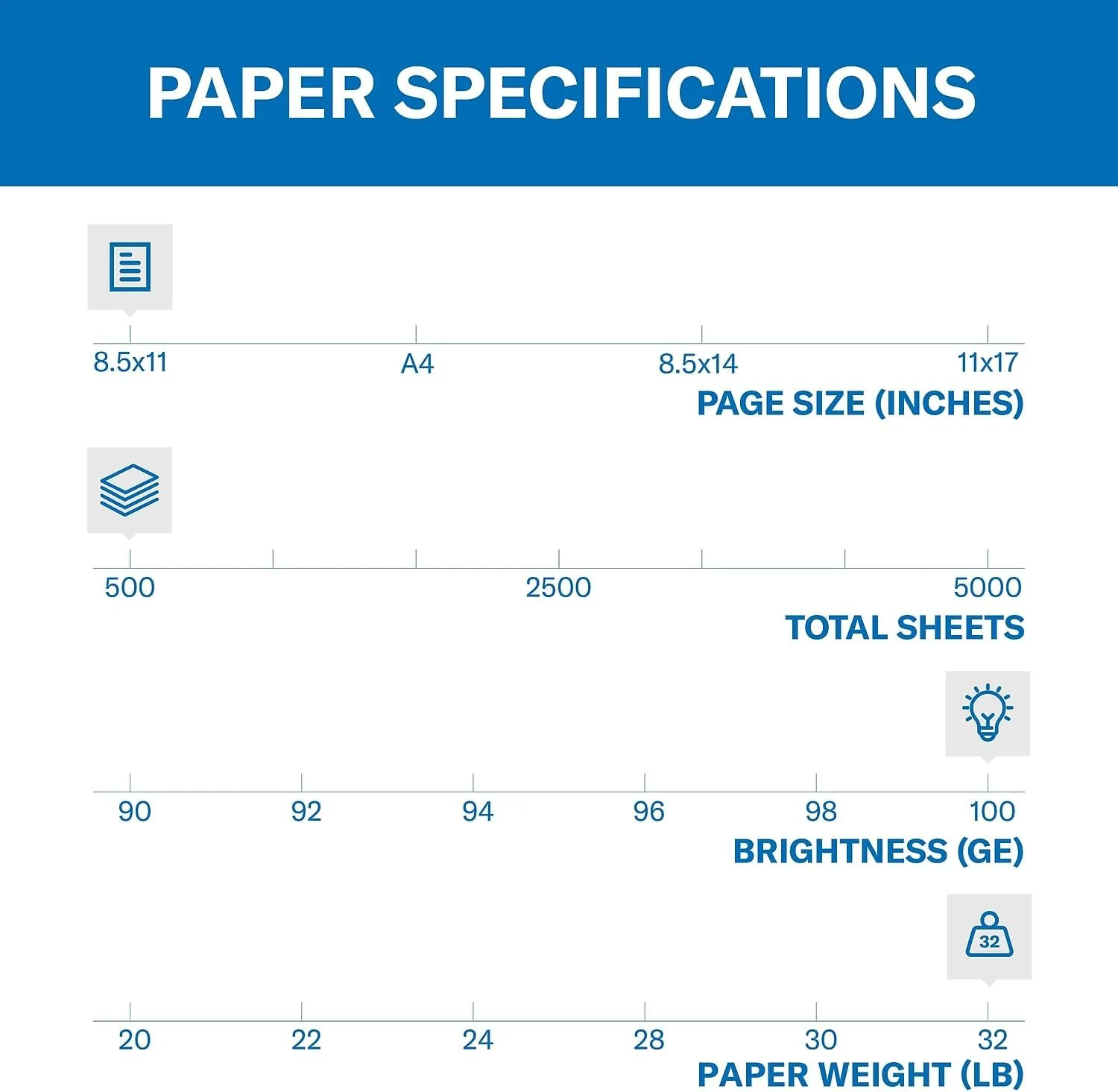
The two specifications that define this paper are its weight and its brightness. At 32 pounds, this is a heavyweight stock designed for documents that need to command attention: proposals, brochures, resumes, and color presentations. The extra stiffness means the paper lies flat, holds its shape, and conveys a quality that a thin sheet cannot fake. It is also the reason this paper is a favorite for menus, certificates, and anything that will be handled repeatedly.
The 100 brightness rating is the other half of the story. Brightness measures how much light a sheet reflects, and 100 is the top of the consumer scale. Higher brightness makes printed colors look more vivid and contrast look sharper, because the white base reflects more light back through the ink. For color printing, that is the difference between a chart that looks flat and a chart that pops off the page.
The ream contains 500 sheets of 8.5 by 11 inch paper, which is the letter size used for nearly all business documents. It is FSC certified, meaning the fiber comes from responsibly managed forests, and it is manufactured in the USA. The paper is compatible with both laser and inkjet printers, and Hammermill has built the surface to resist smudging and to feed reliably through high volume machines.
Real-World Performance
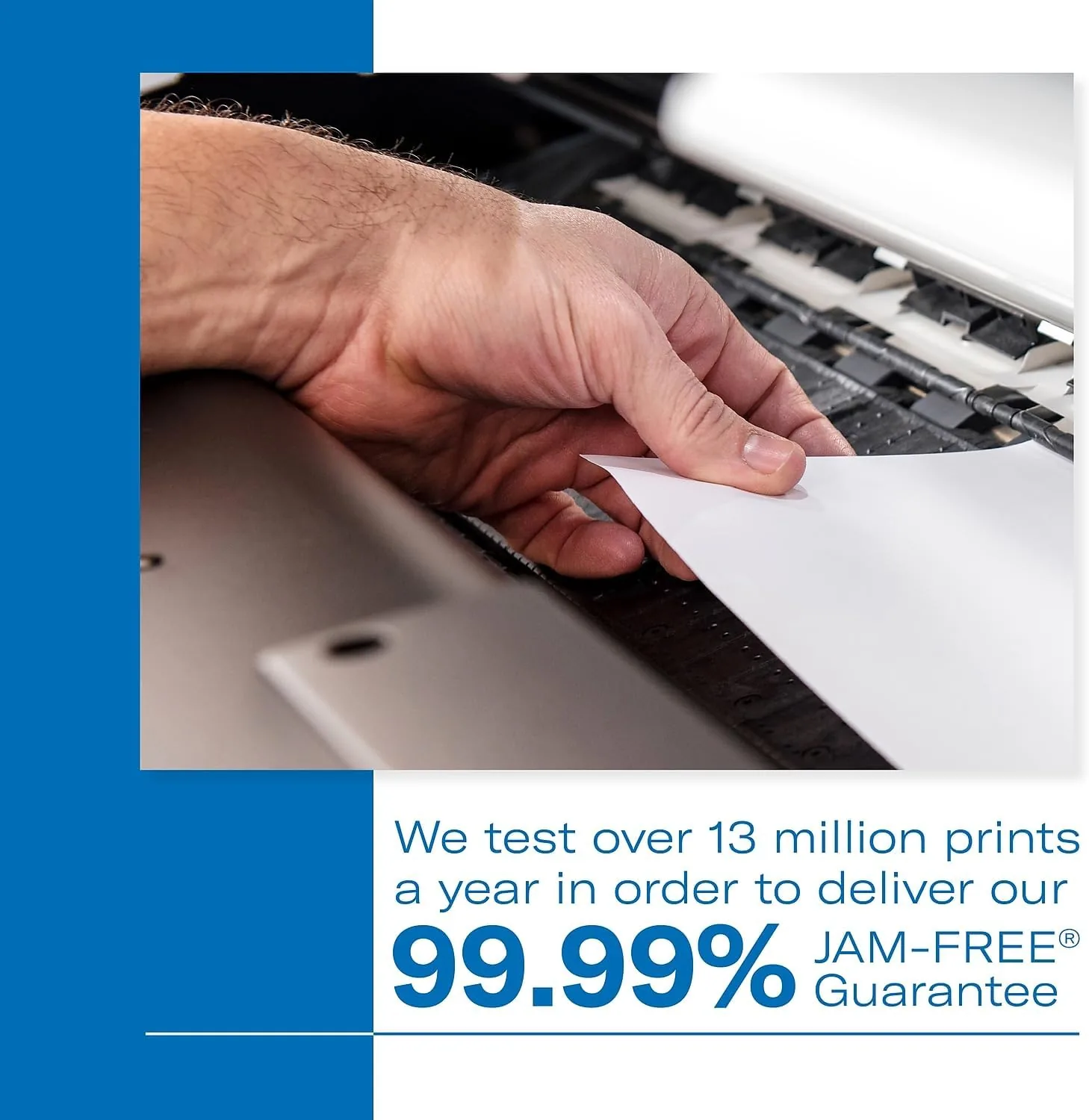
I started with the test every office will care about: feeding. Heavy paper can be a nightmare in cheap printers, so I loaded the Hammermill into a home inkjet, an office laser, and a duplex capable printer. The stock fed cleanly in all three with no jams, and the duplex printer handled both faces without curl, which is a common failure point for lighter paper at thickness. The stiffness that makes the sheet feel premium also makes it behave better in a machine.
Print quality is where the 32 pound, 100 brightness formula earns its keep. On the laser, text came out crisp and black with excellent contrast, and color charts looked noticeably more vivid than the same file printed on 92 brightness stock. On the inkjet, the surface took the ink cleanly with sharp edges on solid fills and no feathering. A test photo printed on this paper was markedly more lifelike than on copy paper, though it still cannot match true photo paper for glossy color work.
Double sided printing showed off the weight advantage. On a 20 pound sheet, a dense color layout will often show through from the other side; on this 32 pound stock, show through was minimal even on the heaviest prints. The finished documents had a satisfying heft, and a set of printed resumes I produced felt like they belonged in a folder, not a recycle bin. Over the full ream there were no misfeeds, no smearing, and no wasted sheets. One detail I came to appreciate was how the paper holds up to handling. A business proposal printed on this stock can be passed around a meeting, folded back, clipped, and annotated without losing its crispness, while a 20 pound sheet begins to look tired within minutes. That durability is the quiet reason designers reach for heavier stocks: the document continues to represent the work even after a dozen hands have touched it.
Pros and Cons
Pros:
- 100 brightness makes color and text visibly more vivid
- 32 lb weight resists show through and curl
- Feeds reliably through laser, inkjet, and duplex machines
- Premium feel for resumes, proposals, and presentations
- FSC certified and manufactured in the USA
- Clean, flat sheets with no jams across a full ream
Cons:
- Costs several times more than everyday 20 lb paper
- Still cannot match photo paper for glossy color photos
- Heavier stock reduces capacity in some printer trays
- Overkill for routine internal drafts
How It Compares
Buyers choosing paper for color work usually weigh a heavyweight premium stock like this one against everyday 20 lb paper and true photo paper. The table below lays out the practical difference.
| Feature | Hammermill 32 lb | Everyday 20 lb Paper | Photo Paper |
|---|---|---|---|
| Weight | 32 lb | 20 lb | Heavy, coated |
| Brightness | 100 | 92 | Glossy finish |
| Color vibrancy | Excellent | Good | Best |
| Show through | Minimal | Noticeable | None |
| Best for | Proposals, resumes | Daily documents | Photos |
| Cost | High | Low | Highest |
For work that has to impress, the 32 pound Hammermill is the clear winner over everyday paper: the brightness and weight are immediately visible, and the price difference is trivial compared with what a lost client pitch costs. Against photo paper, the Hammermill holds its own for documents with embedded images but loses for pure photography. The right choice depends on what you print most.
Who Should Buy It
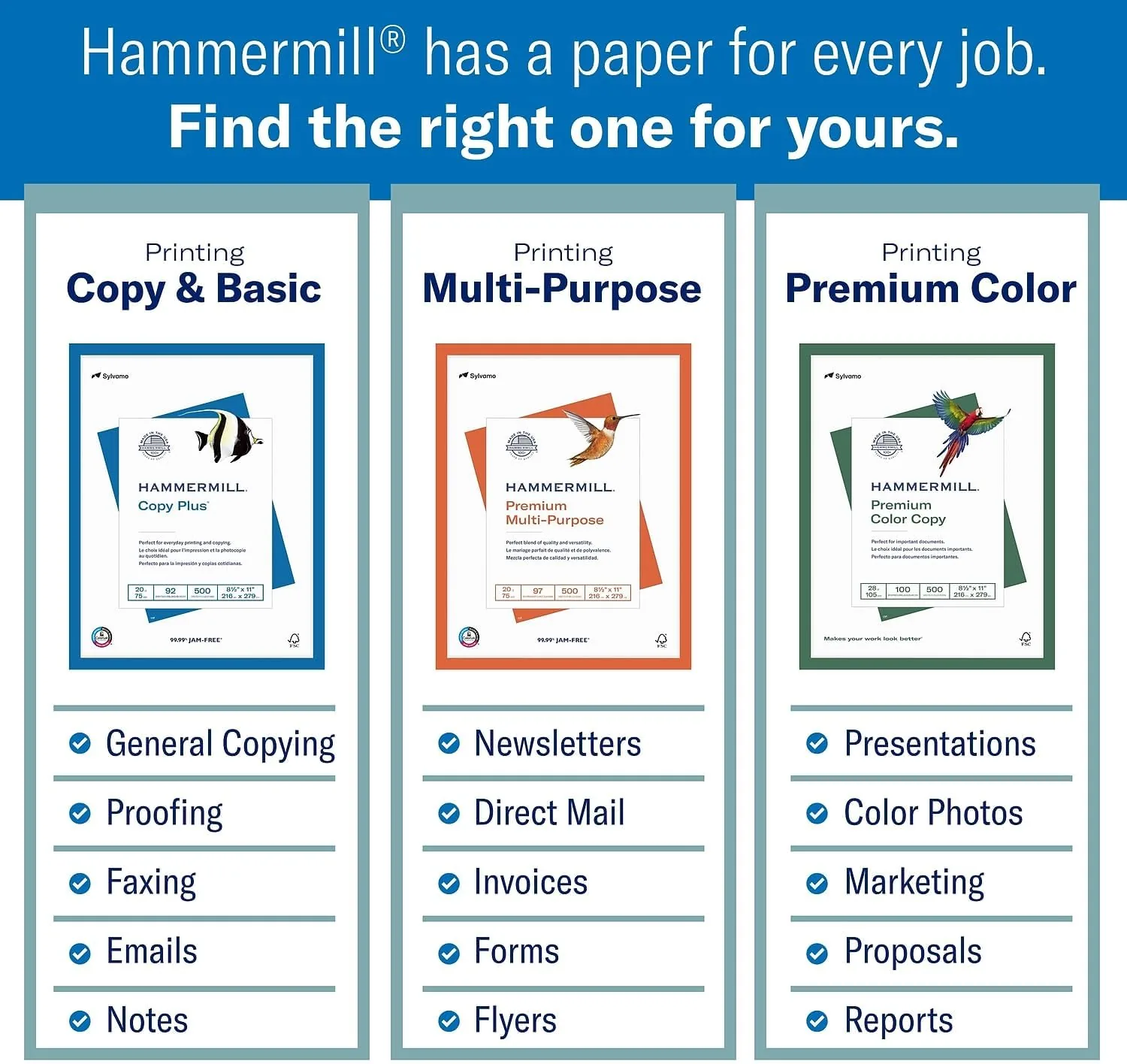
Buy the Hammermill Premium Color 32 lb paper if you print materials that represent you or your business: resumes, proposals, presentations, menus, or certificates. It is also a strong choice for anyone printing color charts or documents with embedded photos who wants them to look their best without stepping up to glossy photo stock. The heavy weight and 100 brightness make it the paper you reach for when the document has to look like it cost more than the ink.
Skip it if all your printing is internal drafts and routine copies, where the premium price buys nothing you will notice. You can check the current price of the Hammermill Premium Color paper on Amazon if you want to compare ream pricing.

How We Test
I printed a full 500 sheet ream of Hammermill Premium Color 32 lb paper across an inkjet printer, a color laser, and a duplex capable office machine. I tested color vibrancy against a 92 brightness control stock, evaluated show through on dense double sided prints, checked curl and feeding, and printed a test photo to compare against both copy paper and photo paper.
This is a hands-on field test rather than a laboratory brightness measurement, and I did not use a spectrophotometer to verify the rated numbers. For an independent perspective on paper choices for professional printing, PCMag has guidance on printers and print quality that pairs well with understanding paper. The Hammermill Premium Color listing on Amazon shows the current pricing and specifications.
Hammermill Premium Color Paper: Questions People Ask
Is 32 lb paper too thick for a laser printer?
No, most modern laser and inkjet printers accept heavy stocks, though you may need to use the rear or manual feed tray on some models.
Does 100 brightness really make colors look better?
Yes, higher brightness reflects more light and makes printed colors and photos look more vivid and contrasty than on a 92 brightness sheet.
Is this paper good for double sided printing?
The 32 lb weight resists show through and curl very well, so duplex printing looks clean on both sides.
Is Hammermill paper made in the United States?
Yes, Hammermill manufactures its premium papers in the USA and the ream is FSC certified for responsible sourcing.
As an Amazon Associate, I earn from qualifying purchases.