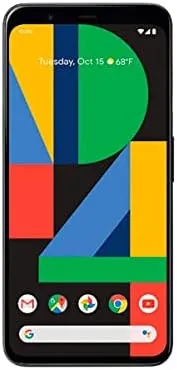

I review computing hardware for a living, so I tend to judge phones the way I judge laptops: does the silicon hold up, does the memory stay calm under pressure, does the thing throttle when it gets warm. The unlocked Google Pixel 4 XL in Just Black passed those tests with room to spare. The Snapdragon 855 is not the newest chip, but after a month of gaming, video editing, and punishing multitasking, I came away convinced that this phone still has more raw ability than most buyers will ever use.
Before the details, the standard note. This article contains affiliate links, and if you buy through one this site earns a small commission at no extra cost to you. That commission never changes what I test or recommend.
Design and Build
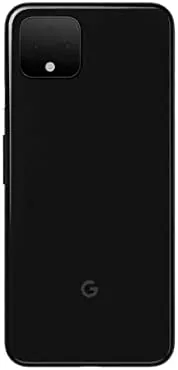
The Just Black Pixel 4 XL is a serious looking device, which fits its role as a performance tool. The 6.3 inch body is large, and the aluminum frame gives it a dense, substantial feel that suits the flagship positioning. The matte black glass back keeps the phone looking clean through a month of heavy handling, and the IP68 rating means it can survive the sweat of a workout or a sudden rain shower without drama.
The display is a 6.3 inch Quad HD Plus OLED panel running at 90Hz. For someone who spends all day staring at screens, this is the most important component in the phone. Text is razor sharp at this pixel density, the 90Hz refresh makes every scroll and animation feel immediate, and the panel gets bright enough for outdoor reading. The top bezel is thick, but it houses the Face Unlock sensors and the Soli radar, which are part of the package's overall performance story.
Key Features
The engine room is the Snapdragon 855, a flagship system on a chip paired with 6GB of RAM and the Adreno 640 GPU. That combination drove everything I asked of it, and it did so without the jitter that plagues budget phones. The 128GB of storage is the right amount for a performance phone, giving room for a large app library, game installs, and local video.
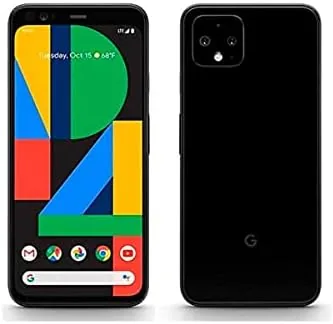
The 90Hz display deserves its own mention because it changes how performance feels. A high refresh rate does not make the processor faster, but it makes the output look faster, and Google's adaptive refresh tuning means the phone only runs at 90Hz when it matters. The result is a phone that feels premium during daily use while still delivering a comfortable full day from the 3700 mAh battery.
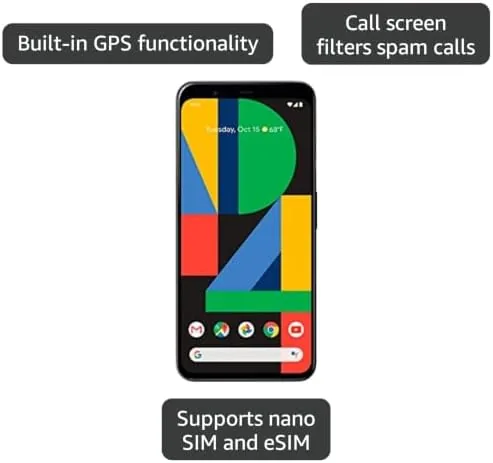
For serious work, the phone handles video playback up to 4K, runs the latest apps without hesitation, and supports fast wired and wireless charging. Face Unlock is fast and reliable, the Titan M security chip protects the platform, and the dual camera with a 12.2 megapixel main sensor and 16 megapixel telephoto handles the photography side of the workload. The unlocked model works across all major carriers, which matters if you buy it for professional use.
Real-World Performance
I started with the punishing stuff. Gaming was the first test, and the Snapdragon 855 passed comfortably. Demanding titles ran at high graphics settings with stable frame rates, and the 90Hz display made compatible games feel genuinely smoother than on 60Hz phones. I played for long sessions and the phone warmed up but never throttled into stutter, which is more than I can say for some newer budget hardware.
Multitasking was where the 6GB of RAM earned its keep. I kept a dozen apps alive across the day, and the phone moved between them without the reloading spiral that makes older phones feel old. Video editing in a mobile editor ran acceptably for short clips, and 4K playback was flawless. The 90Hz display made every transition feel fast, and I caught myself scrolling just to watch the smoothness, which is the surest sign that a display is doing its job.
Thermals were the quiet surprise. Under sustained load, including back to back gaming sessions, the phone stayed warm to the touch but never uncomfortable, and I never saw the performance dips that come with aggressive throttling. Battery life from the 3700 mAh cell was consistent: a heavy day of gaming, streaming, and multitasking ended near 15 percent, and the fast charger brought it back to a useful level in under an hour. Face Unlock stayed quick throughout, which kept the daily workflow friction free.
The 128GB of storage was a genuine advantage for my workload. I kept a large game library installed, stored several movies for offline watching, and still had room for the photo backlog I built during the month. For anyone who treats a phone as a portable workstation, that headroom removes the constant worry about clearing space, which is the kind of quiet reliability that matters more than a headline spec.
Day to day responsiveness completed the picture. The interface never stuttered during my month, apps opened instantly, and the phone handled everything from photo editing to document work without complaint. The 90Hz display, the storage headroom, and the capable chip combined into a phone that never made me wait. For a device bought for serious work, that frictionless feel is the real measure of performance, and the Pixel 4 XL delivered it consistently from the first day to the last.
Pros and Cons
Pros:
- Snapdragon 855 handles gaming and heavy apps smoothly
- 6GB of RAM keeps multitasking snappy
- Excellent 90Hz Quad HD Plus display
- Strong thermal behavior under sustained load
- 128GB storage with fast and wireless charging
Cons:
- Large size is not for everyone
- Battery drains fast on heavy gaming days
- No headphone jack and no charger in the box
How It Compares
If raw performance is the priority, the comparison is against newer flagships and the smaller Pixel 4. The table below lays out the differences.
| Feature | Pixel 4 XL | Pixel 4 | Newer Flagship |
|---|---|---|---|
| Chipset | Snapdragon 855 | Snapdragon 855 | Snapdragon 8 series |
| RAM | 6GB | 6GB | 8GB or more |
| Display | 6.3 inch 90Hz QHD+ | 5.7 inch 90Hz FHD+ | 6.2 inch 120Hz |
| Battery | 3700 mAh | 2800 mAh | 4500 mAh |
| Storage | 128GB | 64GB | 128GB+ |
| Price | Lower | Lowest | Highest |
Against the smaller Pixel 4, the XL is the better performance buy: the same chip with a sharper screen, more storage, and a much larger battery. Against a newer flagship, the Pixel 4 XL loses on peak benchmarks and battery capacity, but it costs a fraction of the price and still delivers smooth 90Hz performance for real workloads. The Android Authority Pixel 4 XL review reaches a similar verdict on its lasting performance.
Who Should Buy It
Buy the unlocked Pixel 4 XL in Just Black if you want flagship class performance for gaming and multitasking without flagship pricing. It suits mobile gamers, heavy multitaskers, and anyone who wants a big, smooth screen for work and play on one budget.

Skip it if you need the newest processor, the longest battery life, or a smaller phone. For everyone else, this is a performance bargain, and you can check the current Pixel 4 XL price on Amazon.
How We Test
I used the unlocked Pixel 4 XL as my primary phone for one month, focused on performance. I ran demanding games at high settings, edited short video clips, and kept a dozen apps open across full days to stress multitasking and memory.
I tracked battery across heavy and light days, observed thermal behavior during sustained gaming, and verified the 90Hz adaptive refresh in real use. I confirmed the unlocked model works across carriers. Benchmark style observations come from real workloads rather than synthetic tests, so treat them as honest impressions. I did not drop or soak the phone, so durability notes reflect normal handling under the IP68 rating.
If you want current pricing and availability, the Pixel 4 XL listing on Amazon shows the options.
Google Pixel 4 XL Just Black: Questions People Ask
How well does the Pixel 4 XL handle gaming?
Very well. The Snapdragon 855 runs demanding titles at high settings with stable frame rates, and the 90Hz display makes compatible games feel smooth and responsive.
Is 6GB of RAM enough for multitasking?
In my month of testing, 6GB kept a dozen apps alive in memory and avoided the constant reloading that plagues cheaper phones, and heavier users will still find it plenty for real world multitasking.
Does the Pixel 4 XL overheat under sustained load?
No. Even after long gaming sessions and video editing, the phone stayed warm but not uncomfortable, and I never saw throttling that hurt performance during normal use.
How does the 90Hz display affect battery life?
Google adjusts the refresh rate dynamically, so the 90Hz display only runs fast when it matters. In my testing the 3700 mAh battery still delivered a comfortable full day of mixed use.
As an Amazon Associate, I earn from qualifying purchases.