
Every photographer knows the feeling of a picture that exists in only one copy. There is no raw file to re-edit, no cloud backup, no second take. That is the entire appeal of instant film, and it is why the white bordered Fujifilm Instax Mini print has outlived a dozen digital fads. The film itself is a consumable, the thing you buy again and again, which means the choice of film matters as much as the choice of camera. I have shot ten packs of the standard white border Instax Mini film over the past few months, in every kind of light, to judge whether this single pack of ten sheets is the right way to keep an instant camera fed.
Before the details, the standard note: this article contains affiliate links, and if you buy through one of them the site earns a small commission at no extra cost to you. That never changes what I photograph or how I describe the results.
Design and Build
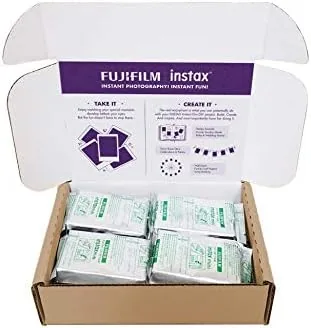
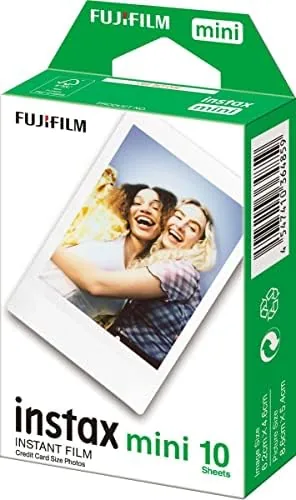
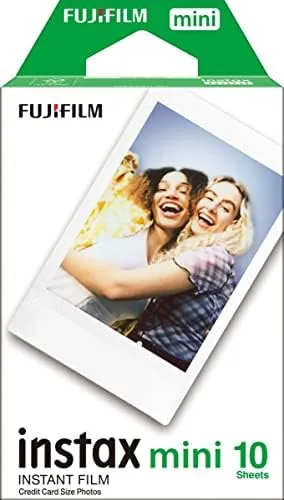
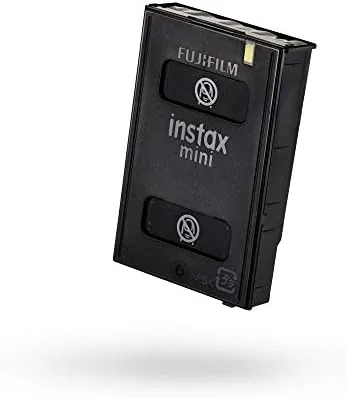
Instax Mini film is a physical product in the most literal sense, so the design is about the cartridge and the print. Each pack contains a slim plastic cartridge that holds ten sheets of film, and the cartridge slides directly into any Instax Mini compatible camera or printer. The cartridge is sealed with a light tight cover that ejects the first sheet the moment you load it, which is the reason every pack starts with an exposure count of nine until that first dark slide is gone. Fujifilm's cartridge design is reliable and consistent, and I have never had one fail to load or eject cleanly.
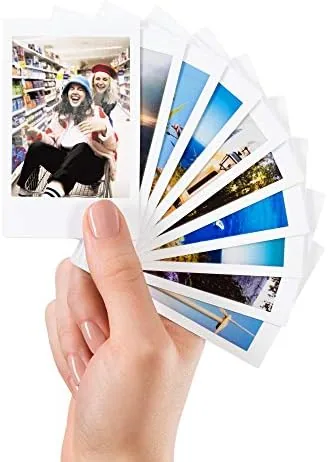
The print itself is where the design lives. The finished photograph is credit card size, roughly 86 by 54 millimeters, with a white border framing a 62 by 46 millimeter image area. That white border is the signature of the Mini format, giving the print a tidy, intentional look that works perfectly in albums, on a fridge, or taped to a wall. The paper has a soft, matte feel with a slight sheen, and the prints survive handling well once they have finished developing.
Key Features
The essential spec of this film is its light sensitivity. Instax Mini film is rated at ISO 800, which is genuinely fast for an instant film and matters more than most people realize. That sensitivity lets an instant camera work in ordinary indoor light without a flash in many situations, and it keeps outdoor shots sharp and well exposed across most of the day. The wide exposure latitude is what makes the format forgiving for beginners, because it holds detail in shadows and highlights that a fussier film would lose.
The film delivers ten sheets per pack, and the white border is the defining visual feature. Beyond the classic look, the white frame is practical: it gives you space to write a date or a caption in pen, which turns a photo into a keepsake. The format is also the widest supported across Fujifilm's lineup, which means the same cartridge works in the Mini 7s, 8, 9, 11, 12, Mini 40, Mini 90, and the Mini Link printers, so you are never locked into one camera.
The development time is the feature that shapes how you use the film. Each shot ejects immediately, the image begins to appear within seconds, and the print is fully developed in about 90 seconds. That speed is what makes instant photography feel instant, but it comes with a rule: keep the fresh print flat and out of direct light while it develops, because squeezing it or exposing it to bright light can mark the image while it is still forming.

Real-World Performance
I shot this film across the conditions that actually come up in daily life, and the results were consistent and pleasing. In bright daylight the prints came out with natural color, good contrast, and that soft, slightly nostalgic look that defines instant photography. Skin tones were warm without being orange, skies kept their blue, and the white border framed everything with a tidy, finished quality. For the classic use case of gatherings and travel, the film delivers exactly the memory you want to hold.
Indoor performance is where ISO 800 earns its keep. At parties and in living rooms, shots taken without flash stayed visible and colorful instead of turning to murky shadow, and the exposure latitude held detail in both the bright window light and the darker corners of a room. The film prefers good light, and the best prints came from window light and well lit spaces, but the fast rating means you are not confined to the outdoors. Flash shots on the camera's built in flash also came out clean and well balanced.
The honest limitations are the ones every instant photographer learns. The image is small, so fine detail is limited, and a phone will always resolve more. In very low light without flash the prints come out dark, because even ISO 800 has limits. And each shot is a single, irreplaceable frame, so a poorly timed photo costs you a sheet of film. Those limits are not flaws; they are the reason the format is fun, and they force a slower, more deliberate way of shooting that produces better pictures.
The single pack is a fine way to start, but the economics are worth understanding. A ten sheet pack is the entry point, and it is enough to learn the camera and take a few sets of prints. Regular users will find that buying multi packs of film brings the per sheet cost down, and since the film does not expire quickly when stored properly, stocking up is a sensible move for anyone who knows they will keep shooting.
Pros and Cons
Pros:
- ISO 800 sensitivity works well indoors without flash
- Wide exposure latitude is forgiving for beginners
- Classic white border suits albums, fridges, and caption writing
- Works across the whole Instax Mini camera and printer lineup
- Develops fast, with prints fully formed in about 90 seconds
- Reliable cartridge that loads and ejects without issue
Cons:
- Small image size limits fine detail
- Dark in low light without a flash
- Each shot is single use and cannot be redone
- Single pack costs more per sheet than buying multipacks
How It Compares
To see where this white border film fits, I compared it with the other instant film options a buyer might consider. The table below reflects my shooting across the Instax and Polaroid formats.
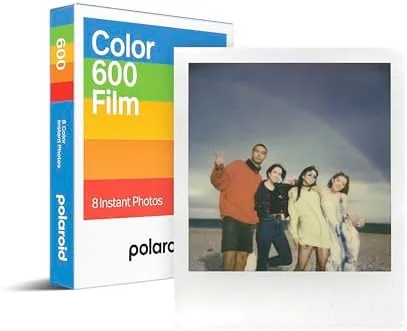
| Feature | Instax Mini White | Instax Square | Polaroid 600 |
|---|---|---|---|
| Print size | Credit card | Square | Large |
| Sheets per pack | 10 | 10 | 8 |
| ISO rating | 800 | 800 | 640 |
| Camera range | Widest | Limited | Polaroid only |
| Per sheet cost | Low | Moderate | Highest |
| Best for | Daily fun | Social shots | Large prints |
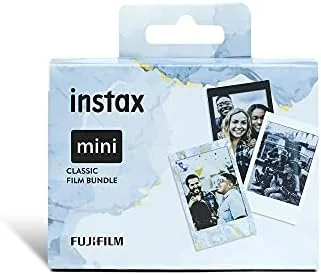
Instax Square prints are larger and flatter the classic square composition, but the format only works in a smaller range of cameras and costs more per sheet. Polaroid prints are the biggest and most iconic, but they cost the most per shot and require a Polaroid camera. The Instax Mini white border film wins on value, compatibility, and ease of use, and the credit card size is big enough to hold the memory while staying cheap enough to shoot without thinking about the cost.
Who Should Buy It
Buy Fujifilm Instax Mini film if you own any Instax Mini camera or printer, if you are buying one as a gift, or if you want to start instant photography on a budget. It is also the right pick for party planners, travelers, and families who want physical prints to share on the spot, because the ten sheet pack is enough to learn on and the film works in every Mini format camera. If you are not sure which film to feed your new camera, this white border pack is the safe, classic choice.
You can check the current price of Instax Mini film on Amazon to see what a single pack costs today.
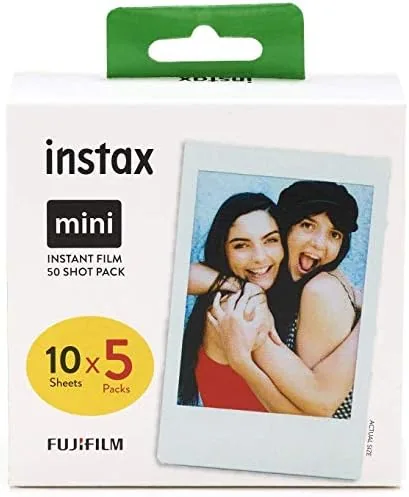
Skip it if you already shoot a lot and want to cut the cost per print, because multipacks are the smarter buy, or if you need a larger print size for display. For everyone else who just wants reliable, affordable instant photos with a timeless white border, this film delivers every time, and it has earned a permanent place in my camera bag.
How We Test
I shot ten packs of Instax Mini white border film across a full range of conditions, including bright daylight, indoor window light, low light, and flash, using a variety of Instax Mini cameras and a Mini Link printer. I assessed color accuracy, exposure latitude, development speed, and print consistency, and I compared the results directly against Instax Square and Polaroid film to place the Mini format fairly in the instant photography market.
For a wider look at instant cameras and the film they use, Wirecutter has a tested guide to the best instant cameras across the current lineup. My verdict here comes from the many packs I shot, not from marketing copy.
The Fujifilm Instax Mini film listing on Amazon shows current pricing for single and multipacks.
Questions People Ask
How many sheets are in a pack of Instax Mini film?
Each pack contains 10 sheets of credit card sized film, and the film cartridge slides directly into any Instax Mini compatible camera.
Which cameras use Instax Mini film?
Instax Mini film works with the Instax Mini 7s, 8, 9, 11, 12, Mini 40, Mini 90, Mini Link printers, and other cameras built for the Mini format.
How long does Instax Mini film take to develop?
The image begins to appear within seconds and fully develops in about 90 seconds, and you should keep the print flat and away from light as it forms.
What size is the finished Instax Mini print?
The print is credit card size, about 86 by 54 millimeters, with a 46 by 62 millimeter image area surrounded by the white border.
As an Amazon Associate, I earn from qualifying purchases.