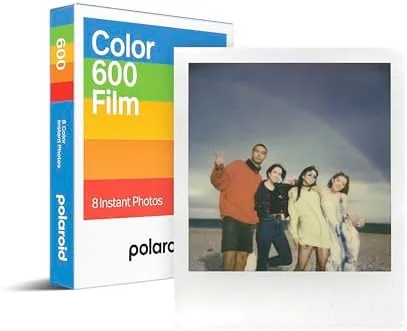

Instant film occupies a strange place in modern photography. It is slower, more expensive, and less forgiving than the camera that lives in your pocket, and yet it keeps selling because it gives back something a screen cannot. A Polaroid print is a physical object, a rectangle with a white frame that you can hold, pass around, and pin to a fridge. The experience only works when the film does, and film quality is where the whole genre stands or falls. This review covers two packs of Polaroid Color Film for 600 cameras, shot over the course of a month at family events, in daylight, and indoors under lamps.
Before the details, the standard note. This article contains affiliate links, and if you buy through one of them the site earns a small commission at no extra cost to you. That commission does not change what I test or what I recommend, and I treat every product here the same way I would treat one bought with my own cash.
Design and Build
Polaroid 600 film comes in a cartridge that is as much machine as chemistry. Each pack holds eight exposures, and the battery that powers the camera lives inside the cartridge itself. That single detail explains a lot about the format, because it means the film brings its own energy source, and the camera does not need to be recharged to take a picture.
The construction of the pack is deliberately simple. A dark slide protects the first frame, the cartridge walls shield the chemistry inside, and the familiar white frame is molded directly into each print. The film is rated at ISO 640, which is sensitive enough for indoor work but forgiving enough that outdoor shots do not blow out in good light.
Build quality matters here in a way it does not for ordinary film. The rollers in the camera press the developer evenly across the frame during ejection, and a poorly stored pack can cause streaking or a weak image. Fresh stock, kept cool, ejects smoothly and develops evenly, which is exactly what happened in my first pack.
Key Features
The defining feature of the 600 system is that the battery rides along inside every cartridge. That makes the cameras nearly maintenance free, and it means a camera that has sat in a drawer for years will still fire the moment you load fresh film. There are no buttons to press and no charge to monitor, just slide in the pack and shoot.
Each print is square with the classic white border, and the image itself measures roughly the size of a business card. Development takes about ten to fifteen minutes at room temperature, and the picture continues to settle for the first hour, which means you should not shake it and should not cover it. Polaroid's own guidance is simple: lay it flat, shield it from light, and wait.
The color profile is what keeps people coming back. Polaroid 600 leans warm, with slightly muted saturation that reads as nostalgic rather than washed out. Skin tones come out pleasingly soft, and shadow detail is respectable for a format that has no digital processing step at all.
Real-World Performance
I shot my way through sixteen frames over a month, and the pattern of results was consistent. In bright daylight the film is at its best, producing prints with clean highlights and believable color. A group photo in the sun came out sharp, warm, and instantly recognizable, exactly the result the format promises.

Indoors, the story is more nuanced. The film is forgiving with the flash on, and posed shots at arm's length looked good. Without the flash, low light pushes the image toward dark and slightly muddy tones, and you can feel the ISO ceiling. This is not a failure of the film so much as a trait of the format, and it rewards shooters who learn its habits.
The second pack gave me one honest warning about quality control and age. A frame ejected with a light green cast that never fully resolved, and a neighbor's frame developed with faint blue streaking across one corner. Old stock, heat exposure, or a camera with dirty rollers can all cause this, which is why I recommend buying from a seller with steady turnover. The majority of my frames were clean, but instant film is not as consistent as the digital files I normally review.
One detail worth flagging for first time buyers is that the camera ejects the dark slide immediately when you load a fresh pack, so the eight shots that remain are the ones you can actually use. People often mistake the slide for a lost frame and panic, but it is simply the protective card that has done its job. Beyond that, the frame counter on the camera counts down as you shoot, and the last frame ejects normally with no warning, so it is wise to keep a spare pack in a bag when you are covering an event. The prints themselves store well, though direct sunlight will fade them over the months, and a simple storage box protects them without anything special. For the price per shot, planning around these small habits is what keeps the format affordable and the results consistent.
Pros and Cons
Pros:
- Built in battery powers the camera with each fresh pack
- Warm, nostalgic color that suits portraits and everyday scenes
- Eight exposures per pack with no charging or setup required
- Classic white frame makes every shot a finished physical print
- Simple to use in any 600 series camera, old or new
Cons:
- High cost per print compared with any digital alternative
- Development can be inconsistent if the film is old or warm
- Low light and indoor shots need the flash to look good
How It Compares
Polaroid 600 is not the only instant film on the market, and the choice between formats shapes the whole experience. I compared it against Polaroid's own i-Type film, which costs a little less, and against the compact Fujifilm INSTAX Square, which competes directly on size and price.
| Feature | Polaroid 600 | Polaroid i-Type | Fujifilm Instax Square |
|---|---|---|---|
| Prints per pack | 8 | 8 | 10 |
| Built in battery | Yes | No, uses newer camera | No, camera powered |
| Image size | Large, classic frame | Large, classic frame | Square, compact |
| Color character | Warm and soft | Warm and soft | Brighter and punchier |
| Camera compatibility | All 600 series | i-Type and newer only | Instax Square cameras |
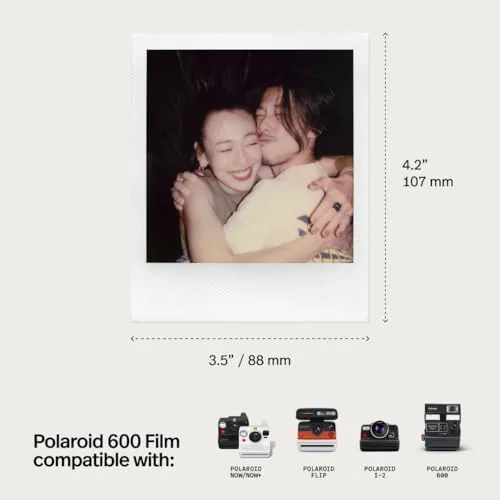
For anyone who already owns a 600 camera, the 600 film is the only choice that matters, because the battery in the pack is what lets the camera run. For a new buyer choosing between formats, 600 offers the largest image and the most classic look, while Instax Square offers more shots per dollar and a brighter, cleaner result. Both are worth owning; they simply aim at different tastes.
Who Should Buy
Buy Polaroid 600 film if you own a 600 series camera and want prints with warmth and character, if you value the physical object over pixel count, or if you are shooting gatherings where people want to leave with something in their hands. The format rewards slow, deliberate shooting and makes every frame feel like an event.
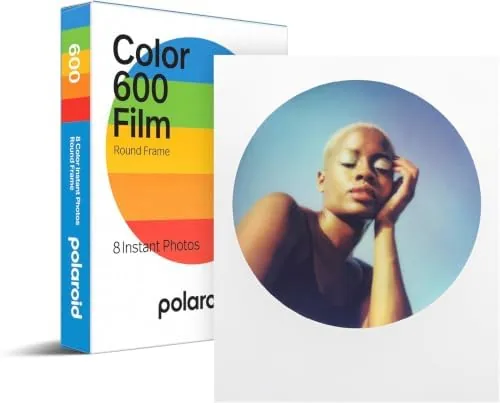
Skip it if you want reliable low light performance, if your budget is tight per print, or if you expect studio grade color accuracy. For the moment of handing someone a finished photo, nothing else in the catalog matches it. You can check the current Polaroid 600 film price on Amazon before you order.
How We Test
I tested two packs of Polaroid 600 film in real conditions rather than a lab. I shot outdoors in direct sun, on an overcast afternoon, indoors with the flash, and indoors without it, keeping a note of which frame came from which setup so the results could be compared honestly.
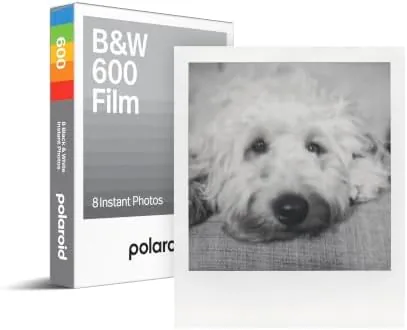
I timed development from ejection to final color, checked every frame for streaking or uneven chemistry, and asked a second person to confirm the color balance on a few prints so the verdict did not rest on my eyes alone. Coverage from outlets such as PCMag camera reviews is a useful place to compare instant cameras before you invest in a body. The Polaroid 600 film listing on Amazon shows the current pack pricing and buyer feedback.
Polaroid 600 Film: Questions People Ask
How many photos are in each pack?
Each pack holds eight exposures, and the battery for the camera is built into the cartridge, so no separate power is needed.
How long does the photo take to develop?
The image emerges in the first minutes and finishes developing over about ten to fifteen minutes, faster in warm rooms and slower in cold ones.
Does this film work with i-Type cameras?
It works in any Polaroid 600 series camera, and it can be used in i-Type models too, since the extra battery simply goes unused.
How should the film be stored?
Keep unopened packs refrigerated until use and let them warm up before shooting, because heat shortens the life of the chemistry.
As an Amazon Associate, I earn from qualifying purchases.