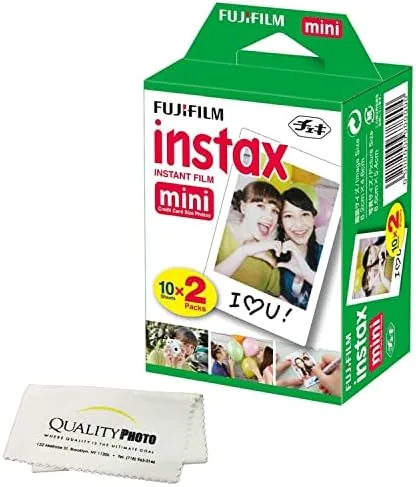

Some photography products force you to read a manual. A pack of instant film does not. You slide the cartridge into the camera, pull the tab, and the first glossy sheet slides out with the hollow whirr that every INSTAX owner recognizes. The question that actually matters is whether the twenty prints you get from this pack are worth the price and the wait. I shot every one of the twenty frames over a week of ordinary life, at birthday tables, under kitchen lights, in the afternoon sun, and through the blue hour after dinner, and this review is what the prints taught me about the film.
Before the details, the standard note. This article contains affiliate links, and if you buy through one of them the site earns a small commission at no extra cost to you. That commission does not change what I test or what I recommend.
Design and Build
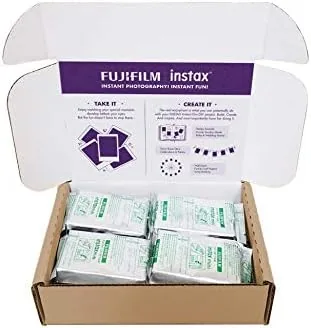
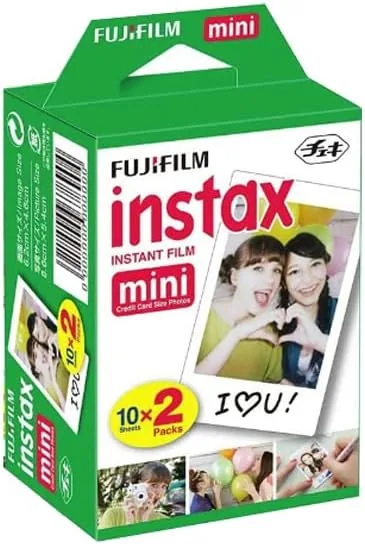
Instant film is a cartridge, a stack of chemistry, and a set of rules about light. The pack holds twenty sheets in a plastic cartridge that snaps into the bottom of any INSTAX Mini camera, from the Mini 8 and 9 up through the Mini 11 and the newer Mini 12. Each print comes out as a credit card size photo, roughly two by three inches, with the white frame that has been the Mini look since the format launched.
The cartridge construction matters more than people expect. The film needs a light tight seal, a sturdy enough body to sit in a bag, and a shutter cover that keeps the lowest sheet safe until the camera pulls it out. In a week of testing, including one day when the spare cartridge rattled around a tote bag, nothing broke, nothing exposed early, and the protective sheet did its job until the first click.
The white frame is not just decoration. It gives the print a border that makes the image read like a snapshot from a family album rather than a disposable photo, and it gives people room to write a date or a note in pen around the picture. That small framing choice is part of why INSTAX prints end up pinned to boards and tucked into wallets instead of left in a drawer.
Key Features
The essential spec is sensitivity. INSTAX Mini film is rated at ISO 800, which is fast enough for indoor light without a flash on a bright day and flexible enough to handle the mixed lighting of a party. In practice that means the film needs a decent amount of light, and the camera flash does a lot of the heavy lifting indoors.
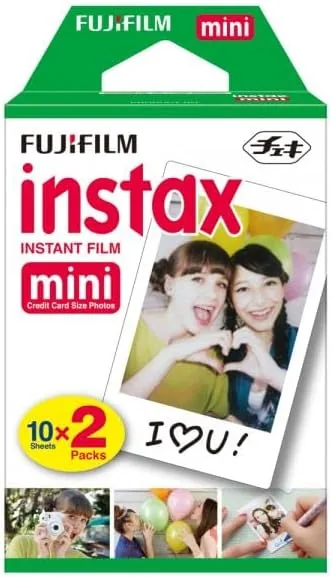
Development is the feature that defines the format. The image starts to appear within seconds of the print leaving the camera and finishes developing in about ninety seconds. That ninety seconds is the real product. It forces a pause in a world where every other photo is instantly editable, and it turns the act of taking a picture into a small shared ritual.
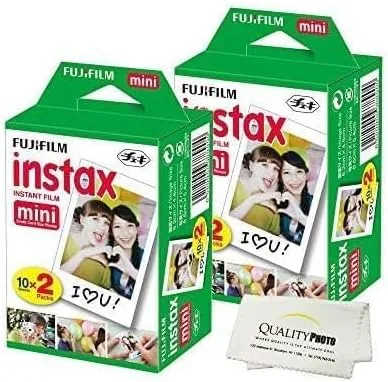
The print size is deliberate. Credit card dimensions make each photo portable, easy to slot into a wallet, and cheap enough to hand out freely. Twenty shots is a generous count for the price, and the included microfiber cloth is a practical extra for wiping the lens before a shot and polishing prints afterward.
Compatibility is the cleanest part of the design. Every camera in the INSTAX Mini family uses this exact film, so one pack covers a Mini 8, a Mini 9, a Mini 11, and a Mini 12 alike. If you upgrade cameras later, your existing film stash still works, which is a rare kind of forward compatibility in instant photography.
Real-World Performance
The true test of instant film is not a spec sheet, it is the prints themselves. I started with a birthday candle moment indoors, flash on, subject four feet away. The print came out warm, sharp in the center, with a background that fell softly out of focus. The white frame set off the skin tones nicely, and the image did not have the harsh flash look that cheap film can produce.
Outdoors in full afternoon sun the film behaved beautifully. Colors ran toward the vivid side, greens popped, and the exposure held its detail even with a bright sky in the frame. The weakness appeared in flat, dim indoor scenes with the flash off. Faces came out dark and muddy, which is a limitation of the film speed more than a defect of this particular pack, and it confirmed that flash on, subject close, is the reliable recipe for indoor INSTAX shots.
The development ritual held up across all twenty frames. Every print developed fully within the promised window, and I deliberately avoided shaking the prints, because the old habit of waving an instant photo does nothing except risk marking the surface. Each image stayed stable after development, with no fading or color shift over the following week.
The microfiber cloth earned its place during the test. The lens of a Mini camera picks up dust and smudges quickly, and a single pass with the cloth before the group shot made a visible difference in the crispness of the prints. It is a small inclusion, but it is one that improves real results.
Pros and Cons
Pros:
- Twenty prints per pack at a reasonable cost per shot
- Works in every INSTAX Mini camera model
- Vivid, warm color reproduction in good light
- Fast development with a ninety second finish
- Credit card size prints are easy to carry and share
- Microfiber cloth is a genuinely useful bonus
Cons:
- Indoor low light shots need the flash and close subjects to work well
- Film packs cannot be used after the cartridge is loaded and interrupted for long
- The white frame means the usable image area is smaller than the full sheet
How It Compares
Instant film has options, so I compared the INSTAX Mini white frame against the INSTAX Mini color frame film and against the larger INSTAX Square format to show where the differences actually matter.
| Feature | INSTAX Mini White Frame | INSTAX Mini Color Frame | INSTAX Square Film |
|---|---|---|---|
| Prints per pack | 20 | 10 | 10 |
| Print shape | Credit card portrait | Credit card portrait | Square |
| Frame design | Classic white border | Colorful patterned border | Plain white border |
| Compatible cameras | All Mini models | All Mini models | Square cameras only |
| Best for | Clean, classic snapshots | Scrapbook decoration | Larger, frameless scenes |
The white frame pack wins on value because it gives you twenty shots for roughly the same money as ten color frame prints, and the clean border suits classic photography better than a busy pattern. Square film produces a bigger image, but it needs a different camera and costs more per print. For most people with a Mini camera in hand, the white frame twenty pack is the easiest recommendation, and it is the film I would buy again.
Who Should Buy It
Buy this pack if you own any INSTAX Mini camera and you want dependable, classic looking prints, or if you are giving a Mini camera as a gift and need film to go with it. The twenty shot count means you can shoot a whole event without rationing frames, and the included cloth covers the maintenance side of the hobby.
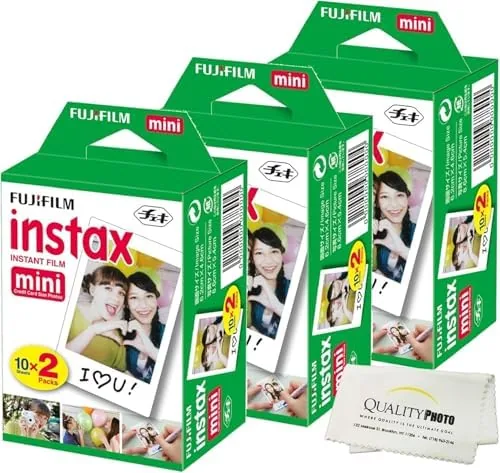
Skip it if you shoot in very low light all the time, since this film wants flash and close subjects indoors, or if you prefer the larger square format, which needs an INSTAX Square camera. For everyone else, this is the classic choice for a reason. You can check the current price of the INSTAX Mini film 20 pack on Amazon.
How We Test
I shot all twenty frames over a week across different lighting conditions, keeping a log of the camera settings, distance, and light for every print. I tested the indoor flash portrait, the no flash indoor shot, the outdoor midday scene, and a late afternoon shot, and I compared the finished prints side by side after full development.
I also verified development time with a stopwatch on three separate prints, checked that the cartridge kept unused film safe when stored, and watched the developed prints for a week to confirm they stayed stable. For broader context on instant photography, the writers at CNET have covered the INSTAX Mini line in detail, and their impressions of the film match mine on color and exposure behavior.
The INSTAX Mini film listing on Amazon shows the current bundle options and pricing.
Questions People Ask
Will this film work in my INSTAX Mini 11 or Mini 12 camera?
Yes. Every INSTAX Mini camera, from the Mini 8 through the Mini 12, uses the same credit card size Mini film, so this twenty pack loads straight into all of them.
How long does INSTAX Mini film take to develop?
The image appears within a few seconds and finishes developing in about ninety seconds. Keep the print out of direct sunlight and do not shake it while it develops.
Is the white frame film better than the color frame version?
It is a matter of taste. The white frame gives a classic snapshot look and this pack offers twenty prints, while color frame film offers decorated borders at ten prints per pack for a similar price.
Why do my indoor shots come out dark?
The film is ISO 800, so it needs decent light. Indoors, use the camera flash and keep your subject a few feet away, and the prints will come out warm and properly exposed.
As an Amazon Associate, I earn from qualifying purchases.