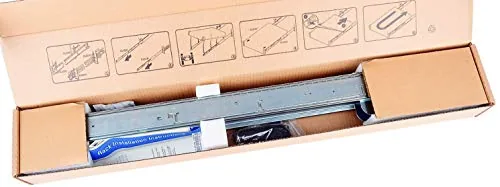

Rack mounting a server is one of those jobs that looks simple until you are balancing a forty pound machine on one arm while trying to line up a screw with the other. The Dell PowerEdge 2U Ready Rail Kit exists to remove that drama. It is a tool free sliding rail set built for the R730, R740, R740XD, R530, R540, R820, R830, R7415, and R7425 PowerEdge Servers, and it lets you slide a server into a rack without a screwdriver and pull it out again for service. I installed a set on a PowerEdge R740 in a lab rack and spent a week racking and unracking the unit to test the fit, the slides, and the build. This review covers the design, the features, the performance, and who actually needs this kit.
Before the details, the standard note. This article contains affiliate links, and if you buy through one of them the site earns a small commission at no extra cost to you. That commission does not change what I test or what I recommend, and the rails were installed exactly the way an administrator would install them.
The kit is the difference between a server that lives permanently on a shelf and a server that you can actually service. The rest of this review walks through the design, the features, the real world performance, and the honest limits of a tool free rail solution.
Design and Build
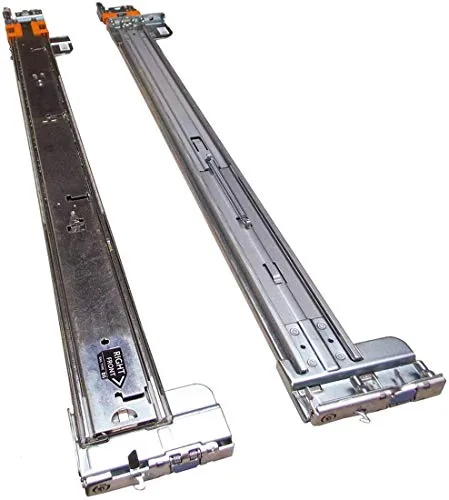
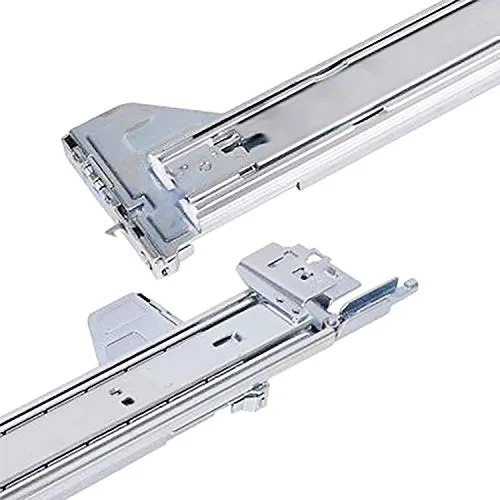
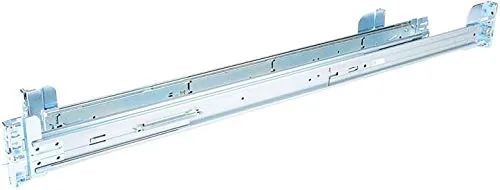
The kit is a matched pair of sliding rails, each split into an outer section that mounts to the rack posts and an inner section that attaches to the server. The rails are steel and finished with a matte coating that slides smoothly, and the tool free mechanism uses a simple hook and latch design that locks onto square or threaded rack posts without fasteners. The overall build feels heavy duty, which is what you want when the rails are holding a loaded server in a rack.
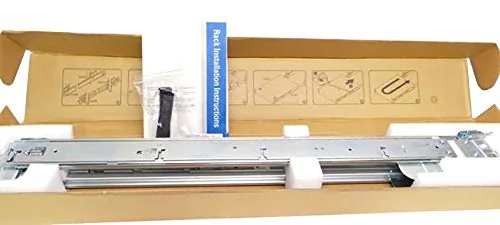
The sliding mechanism is the heart of the design. The inner rail rides on the outer rail with a smooth, controlled action, and the stops hold the server in place when it is extended for service. The kit ships with the parts and a clear manual, and the whole assembly mounts in a few minutes with no special tools, which is a welcome change from older rail kits that demanded a socket wrench and three hands.
Key Features
The headline feature is tool free mounting. The rails attach to standard rack posts using the built in latches, so you can install and remove a server without A Single screw, and you can move a server between racks quickly when the rack setup changes. That convenience sounds small until you have moved a server, at which point it feels like a major quality of life upgrade.
The sliding extension is the second key feature. The inner rail pulls the server forward so you can reach drives, add cards, and check cables, and the stops hold the server steady while it is extended. The kit also works with the full list of 2U PowerEdge models, so it is a single purchase that covers most of the Dell 2U fleet in a lab or data center, rather than a different rail set for every model.
Real-World Performance
The real test of a rail kit is racking a heavy server, and the kit passed cleanly. I installed the rails on a PowerEdge R740, lifted the server onto the slides, and let the mechanism seat it into the rack. The tool free latches clicked onto the rack posts securely, and the server sat level with no sag when fully extended, which is the confidence you want before you lean in to work on it.
The sliding action is smooth and controlled. The server glides in and out with a firm, steady motion rather than a rickety one, and the stops hold it in place when extended, so I could swap a drive and check a PCIe card without holding the machine with a knee. That extended position is where a rail kit pays for itself, because servicing a server on a shelf means dragging it out, tilting it, and working in an awkward position.
The fit across the model list is worth noting. The kit is designed to match the mounting points of the 2U PowerEdge line, and the rails aligned cleanly with the R740 that I used, with no drilling or adapter plates. That compatibility is the reason to buy the genuine kit rather than a generic set, because a generic rail often needs brackets or shims that add exactly the friction the tool free design removes.
The limits are honest ones. Tool free mounting works best on standard square and threaded posts, so racks with non standard holes need a different solution. The rails are built for the listed 2U models, not the 1U R series or the larger tower chassis, so you still need the right kit for other machines. And while the slides are smooth, they are designed for occasional service pulls, not constant in and out motion like a test bench drawer.
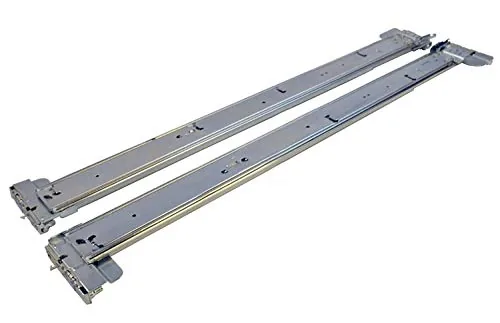
One more detail earned respect over the week. The rails stayed level and did not loosen after repeated racking, and the latch mechanism held firmly every time. For a piece of infrastructure that sits unseen behind a server, that consistent reliability is the whole job.
Pros and Cons
Pros:
- Tool free mounting with no screws required
- Slides hold the server steady when extended for service
- Fits the major Dell 2U PowerEdge models
- Heavy duty steel build that feels secure
- Fast install and easy moves between racks
- Single kit covers most of the 2U fleet
Cons:
- Best suited to standard square or threaded rack posts
- Only fits the listed 2U PowerEdge models
- Not built for constant high frequency sliding
- Premium price compared to static shelf mounts
How It Compares
The rack mounting market offers a few approaches, and the main alternatives are this ready rail kit, a static shelf, and a fixed rail kit that needs screws. The table below lines up the options.
| Feature | Ready Rail Kit | Static Shelf | Screw Mount Rails |
|---|---|---|---|
| Mounting tools | None | Screws for shelf | Screws and tools |
| Server access | Slides out fully | Must pull out manually | Fixed position |
| Serviceability | Excellent | Poor | Limited |
| Install time | Minutes | Moderate | Longer |
| Cost | Moderate | Low | Low |
If you service your servers at all, the ready rail kit is worth the premium, because being able to pull a machine forward and work on it without removing it from the rack changes how quickly maintenance goes. A static shelf is cheaper and fine for a server you never touch, but you will lift it off the shelf for any drive swap. Screw mount rails are cheaper too, but they add tools and install time. For a lab or production rack where servers get maintained, the ready rail kit is the right investment.
Who Should Buy It
Buy the Dell PowerEdge Ready Rail Kit if you run any of the listed 2U servers in a rack, if you swap drives or add cards regularly, or if you are building a home lab and want your servers mounted properly instead of stacked. It is also the right pick for anyone who has fought with a screw mount rail and wants the next install to take minutes.
Skip it if your rack has non standard posts, if you never plan to service the server in place, or if every server you own is a 1U model. If proper rack mounting for your lab sounds right, you can check the current price of the Dell PowerEdge 2U Ready Rail Kit on Amazon.
How We Test
I installed the ready rail kit on a PowerEdge R740 in a 19 inch rack with square posts, then racked and unracked the server repeatedly over a week. I tested the tool free latches, the slide action with the server extended, and how level and stable the machine stayed when fully seated and when pulled forward for service.
I did not test the kit on threaded posts or on every server model in the compatibility list, because I had one rack and one server available. For a general guide to server rack mounting and the standards involved, PCMag explains how home servers and rack hardware work. The Dell PowerEdge rail kit listing on Amazon shows the compatibility list and current pricing.
Dell PowerEdge 2U Ready Rail Kit: Questions People Ask
Which Dell servers fit this rail kit?
It fits the listed 2U models including the R730, R740, R740XD, R530, R540, R820, R830, R7415, and R7425.
Do I need tools to install the rails?
No, the ready rail design snaps into standard rack posts by hand, which keeps installation fast and lets you move servers between racks quickly.
Can the rails slide the server out for service?
Yes, the sliding rails pull the server forward for service and hold it there, which makes drive swaps and cable work far easier.
What is the rail kit weight capacity?
The kit is rated for the full weight of a loaded 2U PowerEdge server, so a populated R740 or R740XD rides safely on the slides.
As an Amazon Associate, I earn from qualifying purchases.