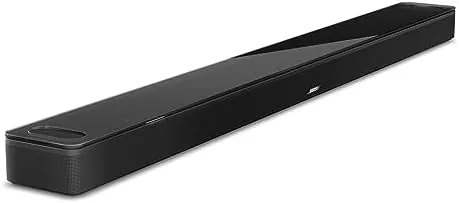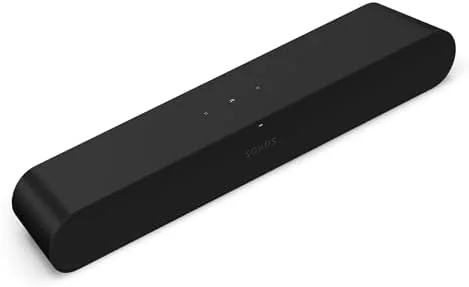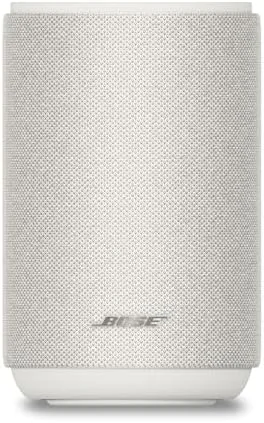

Home audio has spent the last decade splitting into two camps: small smart speakers that sound small, and big soundbars and towers that demand space. The Bose Lifestyle Ultra speaker tries to split the difference with a single wireless unit that leans on TrueSpatial Audio processing to widen the soundstage, CleanBass to keep the low end controlled, and both AirPlay and Google Cast to slot into whatever streaming setup you already run. Finished in white smoke, it is a handsome object designed to sit in a living room without dominating it. I spent a month with the speaker in a medium-sized living room, listening to music, watching movies, and testing its streaming and multiroom behavior, and this review records whether Bose has packed real performance into a single box.
Before the details, the standard note. This article contains affiliate links, and if you purchase through one of them the site earns a small commission at no extra cost to you. That commission never changes what I test or what I recommend.
Design and Build
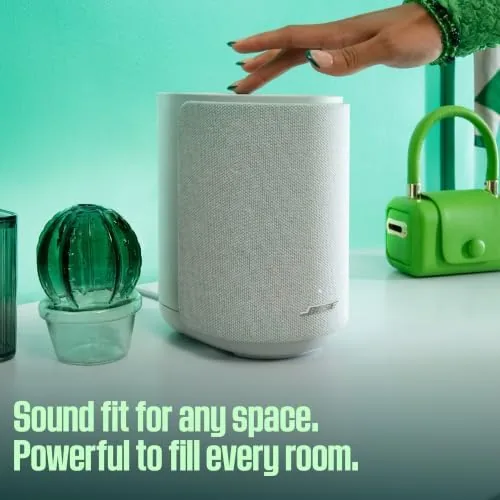
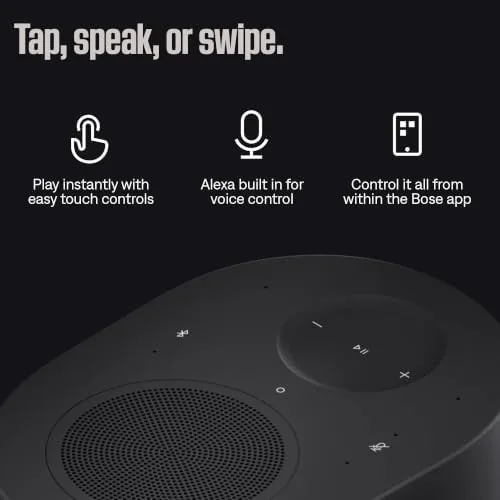
The Lifestyle Ultra is a compact, rounded rectangular unit with a fabric grille and a slim footprint that fits easily on a sideboard, shelf, or media console. The white smoke finish is a soft, neutral tone that blends into most interiors, and the build quality carries the quiet confidence you expect from Bose. The top surface holds the touch controls for volume, playback, and source, and the rear panel keeps the power and auxiliary connections tidy and out of sight.
The design is deliberately minimal, with no visible driver array or flashing lights. The fabric grille wraps the entire front, and the whole thing reads as furniture rather than electronics. In a room that is already visually busy, that restraint is a genuine virtue. The speaker weighs enough to feel planted, and the rubber base keeps it from sliding on a polished surface. There is no carrying handle and no real pretense of portability; this is a speaker built to stay home.
Setup follows the modern Bose pattern. You power it on, open the Bose app, and the speaker appears for pairing within moments. The app walks you through the WiFi connection and, if you want it, a quick spatial audio calibration that measures the room using the built-in microphone. The whole process took me under ten minutes, which is as painless as smart Speaker Setup gets.
Key Features
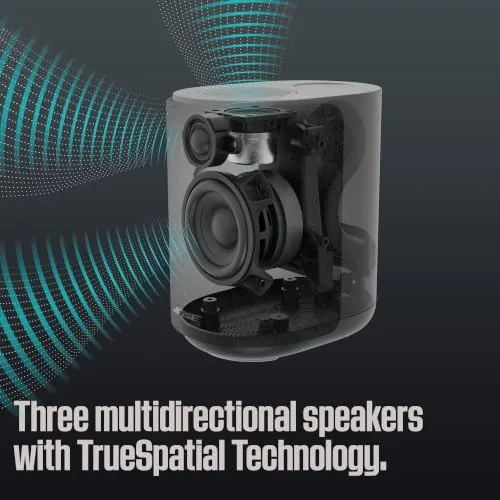
TrueSpatial Audio is the headline, and it is not a gimmick in the way many spatial processing modes are. Bose uses the speaker's driver array and processing to push the perceived soundstage wider than the cabinet, so a single box produces a sound field that feels larger than its footprint. In my testing the effect was most convincing on music with wide stereo imaging, where instruments appeared to sit well outside the physical speaker, and it added a sense of height and space to movie dialogue scenes.
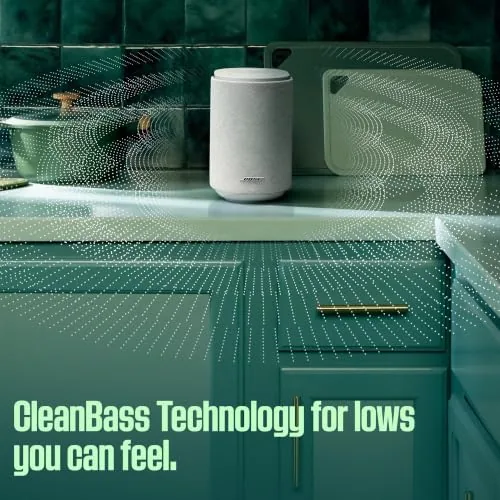
CleanBass is the second pillar, and it is the more quietly impressive feature. The low end stays tight and defined even at higher volumes, with none of the muddy, one-note thump that plagues small speakers pushed hard. Bass notes have texture and decay rather than a blunt hit, and the speaker holds its composure through bass-heavy tracks and action movie soundtracks alike. This is the kind of tuning that separates a Bose speaker from a generic wireless box.
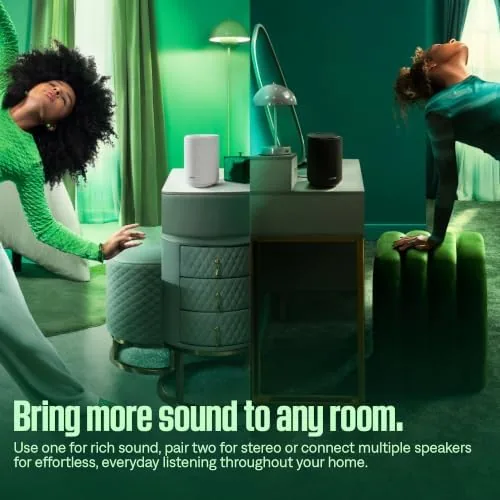
Connectivity is where the speaker fits into a modern home. AirPlay covers Apple devices and multiroom AirPlay speakers, Google Cast covers Android and Chromecast-enabled apps, and the Bose app ties everything together with the option to group speakers for stereo or whole-home playback. The speaker also accepts a wired aux source for legacy gear. For a current look at the price and available finishes, the Amazon listing for the Bose Lifestyle Ultra speaker is a useful reference.
Real-World Performance
My listening tests started with music, and the Lifestyle Ultra delivered the biggest surprise of the review: genuine width. A stereo jazz recording placed instruments beyond the edges of the cabinet, and a well-mastered pop track filled the room in a way that made me double-check that only one speaker was playing. The midrange carried vocals with clarity and warmth, and the top end stayed smooth without the sibilance that cheap tweeters introduce. This is a speaker that flatters a good recording.
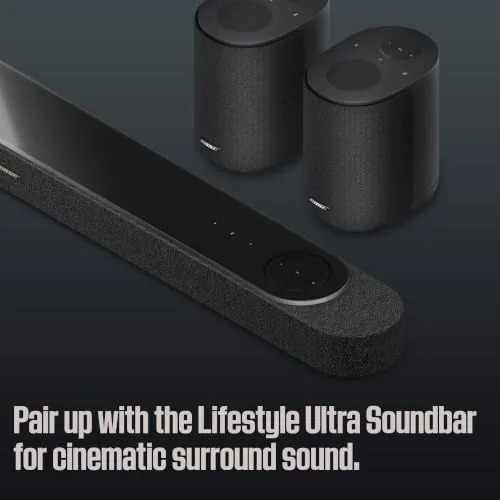
Movies were the second test, and the results were good with an honest caveat. The wide soundstage and clean bass made action sequences feel far bigger than a single box should manage, and dialogue stayed intelligible even through busy soundtracks. But a single speaker is still a single speaker: there is no true surround imaging behind you, and the center of the sound field cannot match a dedicated soundbar with a center channel. For casual movie nights it is excellent; for a home theater purist it will not replace a full system.
Streaming behavior was rock solid across the month. AirPlay handoffs from an iPhone worked instantly, Google Cast from Android and a laptop was dependable, and the app grouped the speaker with a second unit for stereo without a hitch. The touch controls responded reliably, and the speaker never dropped a connection or needed a reboot. The only frustration was the app occasionally re-prompting to reconfirm the room, a minor polish issue that did not affect playback.
Pros and Cons
Pros:
- TrueSpatial Audio creates a genuinely wide soundstage
- CleanBass keeps the low end tight at high volume
- Smooth, warm midrange with clear vocals
- Supports both AirPlay and Google Cast
- Simple, modern design that fits any room
- Easy setup and reliable multiroom grouping
Cons:
- Single unit cannot deliver true surround sound
- Premium price for a speaker without voice assistant built in
- App occasionally re-prompts for room confirmation
- No real portability for moving between rooms
How It Compares
The Lifestyle Ultra competes with premium single-speaker wireless options like the Sonos Era 300 and the Apple HomePod, and with soundbars for movie buyers. I compared them for a typical living room.
| Feature | Bose Lifestyle Ultra | Sonos Era 300 | Apple HomePod |
|---|---|---|---|
| Spatial audio | TrueSpatial processing | Dedicated spatial drivers | Dolby Atmos support |
| AirPlay | Yes | Yes | Yes |
| Google Cast | Yes | Yes | No |
| Voice assistant | Via app ecosystem | Alexa and more | Siri |
| Multiroom | Yes | Yes, extensive | Yes |
| Design | Minimal fabric box | Pill-shaped modern | Fabric sphere |
Against the Sonos Era 300, the Bose wins on its relaxed tuning and Google Cast support, while Sonos wins on the strength of its multiroom ecosystem and its dedicated spatial driver array. Against the Apple HomePod, the Bose wins on platform flexibility, since it supports both Apple and Google streaming, while HomePod is locked to the Apple world. Neither rival has a huge edge on sound quality; the choice comes down to which ecosystem you live in and whether you want one flexible speaker or a deep multiroom network.
Who Should Buy It
Buy the Lifestyle Ultra if you want a single speaker that sounds far bigger than its footprint, if you stream from both Apple and Android devices and want them all covered, or if you listen mostly to music and watch the occasional movie without building a theater. It is a strong pick for apartments and living rooms where space is tight but audio quality matters, and it pairs naturally with a second unit if you ever want true stereo.
Skip it if you want a full surround experience for dedicated home theater use, if you need a voice assistant built into the speaker itself, or if you are already committed to the Sonos or Apple ecosystem and prefer consistency there. For everyone else, this is a refined, flexible wireless speaker that delivers far more sound than its size suggests. You can check the current price for the Bose Lifestyle Ultra speaker on Amazon when you are ready to listen.
How We Test
I tested the Bose Lifestyle Ultra speaker for one month in a medium-sized living room of roughly 300 square feet. I listened to a range of genres, from jazz and acoustic to electronic and rock, at volumes from background to near max, and I watched several films to assess dialogue and effects performance. I tested AirPlay from an iPhone, Google Cast from an Android phone and a laptop, and the wired aux input.
I ran the spatial audio room calibration twice, grouped the speaker with a second unit for stereo playback, and evaluated the touch controls and app behavior over the full month. I did not test the speaker in an outdoor or damp environment, and I did not compare it against a full home theater soundbar system in the same room. For independent perspective on the premium wireless speaker category, the roundup from The Verge's coverage of Bose home speakers is a useful reference. The Bose Lifestyle Ultra speaker listing on Amazon shows the current price and available colorways.
Bose Lifestyle Ultra Speaker: Questions People Ask
What is TrueSpatial Audio on the Lifestyle Ultra speaker?
TrueSpatial Audio is Bose processing that widens the soundstage beyond the physical cabinet, so music and movies feel bigger and more immersive than a single speaker should allow.
Does the speaker support AirPlay and Google Cast?
Yes. The speaker supports both AirPlay and Google Cast, so you can stream from iOS and Android devices and include it in multiroom speaker groups through the Bose app.
Is this speaker good for movies as well as music?
It produces a wide, detailed soundstage that flatters dialogue and effects, which makes it a strong option for casual movie nights, though a single unit cannot replace a full surround system.
Can I pair two Lifestyle Ultra speakers together?
Yes. The Bose ecosystem lets you group speakers for stereo pairing or multiroom playback, and the app makes pairing a second unit quick and painless.
As an Amazon Associate, I earn from qualifying purchases.