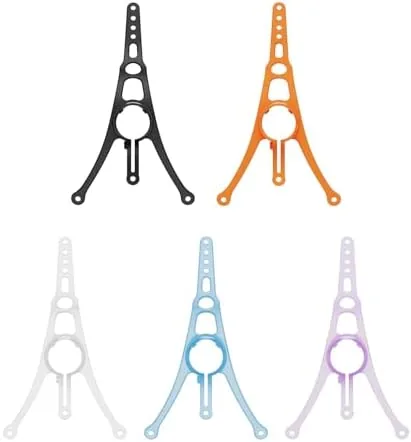

Anyone who has flown a micro whoop drone knows the canopy takes a beating. The canopy is the little plastic shell that holds the camera, and on tiny 65mm and 75mm class drones it is the first thing to crack when the quad meets a wall, a ceiling fan, or the unforgiving corner of a coffee table. Replacement canopies are cheap, which is why flyers keep a few spares in the field bag, but not all canopies are created equal. The BETAFPV Air II canopy is a five pack of lightweight replacements designed for whoop frames like the Air65 and Air75, with an adjustable camera angle between 15 and 45 degrees for 9 to 10 millimeter cameras. I have spent two weeks flying with these canopies across several whoop builds, and this is the honest record of how they hold up.
Before the details, the standard note. This article contains affiliate links, and if you buy through one of them the site earns a small commission at no extra cost to you. That commission never changes what I test or what I recommend.
Design and Build
The Air II canopy is a small molded plastic shell that attaches to the top of a whoop frame, protecting the camera and housing the wiring that runs from the flight controller. It is compact and clean, with a shape that follows the line of the frame rather than adding bulk. The five pack arrives in a mix of colors, which is a small touch but a genuinely useful one: color coding makes it easy to tell which of your quads has which canopy when several are in a field bag.
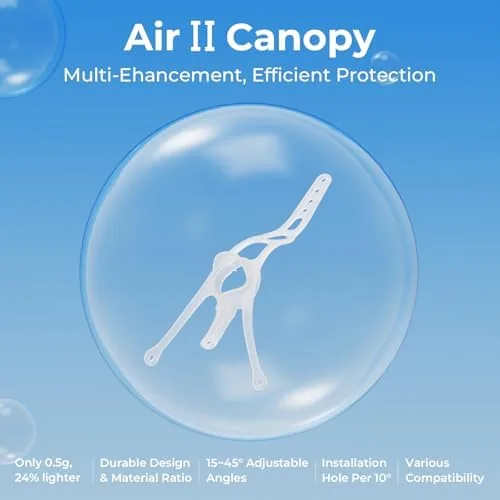
The build quality is better than the category average. The plastic is injection molded with a matte finish, and the edges are clean with no flash or burrs that would snag a prop or scratch a camera. The material has a slight flex to it, which is exactly what you want in a crash component: rigid enough to protect the camera, pliable enough to bend rather than shatter on impact. At only a few grams, the canopy adds almost nothing to the total weight of the build, which matters on micro whoops where every gram affects flight time.
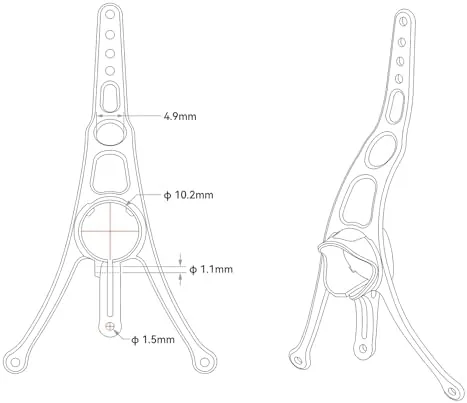
Installation is straightforward. The canopy uses the same mounting points as the stock design on Air and Meteor series frames, so it drops into place with no modification, and the camera pocket holds a 9 to 10 millimeter analog camera snugly. On a frame with the same hole pattern, the swap took under five minutes.
Key Features
The headline feature is the adjustable camera angle. The camera sits in a rotating holder, and the canopy includes click points that let you set the tilt anywhere from 15 degrees, which is a relaxed cruising angle, up to 45 degrees, which is the aggressive nose down attitude used for fast indoor flight. This adjustability matters because the ideal camera angle changes with your flying style.
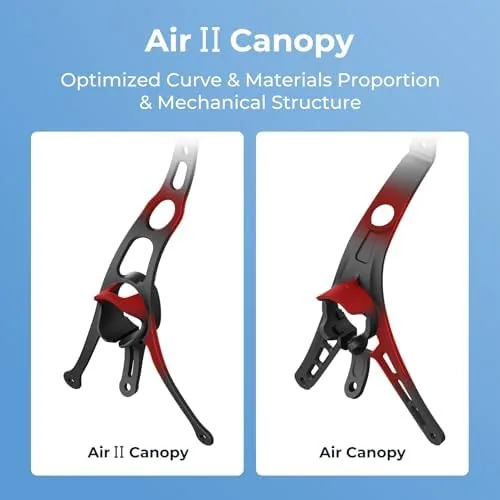
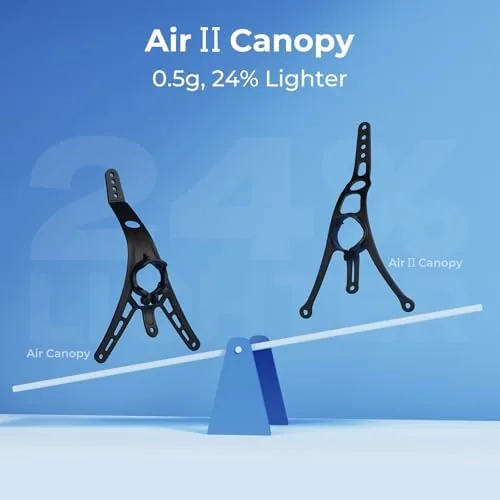
The weight is the second feature that earns attention. Micro whoop racing is a weight game, and a canopy that is a gram or two heavier can shorten flight time and change the balance of a tuned build. The Air II is genuinely ultralight, and on my scale it came in within the same range as the stock canopies I had been flying. Replacing the original canopy with an Air II did not require retuning the quad, the best thing you can say about a weight neutral replacement.
The five pack size is the third practical feature. Crashes happen, and they happen to canopies more than any other part. Having five in hand means you keep flying instead of ordering a single replacement and waiting for shipping, and the per unit price makes the pack the economical way to buy the part. For a current look at the price and the available colors in this pack, the Amazon listing for the BETAFPV Air II canopy five pack is a useful reference.
Real-World Performance
I ran the Air II canopies on two builds: a 65mm whoop and a 75mm whoop, both with analog cameras in the 9 to 10 millimeter range. The first flight used the middle camera angle, and the video feed was clear with no vignetting or obstruction from the canopy edge. The camera sat centered in the holder, and the field of view matched what I expected from the lens.
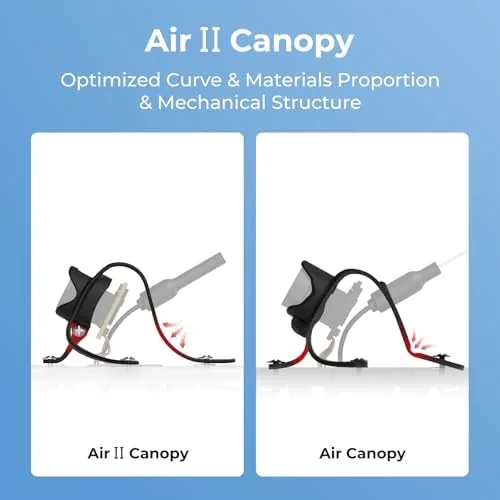
The adjustability proved its value across the testing period. On a slow indoor cruise around a living room, I dropped the camera to a shallow angle for a calm, level view. For a faster session through a basement with obstacles, I clicked the camera up to a steeper tilt and the nose down view made the speed manageable. Switching angles takes a few seconds with the canopy off the frame, and the click detents hold the chosen position firmly.
The durability test came from actual crashes, and there were several. One hard smack into a door frame, a bounce off a ceiling, and a tumble across concrete in a garage: the canopy flexed on impact and came through with scuff marks but no cracks. The camera behind it survived every hit, which is the entire job of the part. On one crash the canopy popped off the frame entirely, a feature rather than a flaw, because the plastic took the energy and nothing else broke.
The one honest limitation is that the canopy is specific in its fit. It is designed for whoop frames in the Air and Meteor families, and while that covers a wide range of popular builds, it will not suit every micro drone on the market. For the frames it is designed for, the fit is excellent.
Pros and Cons
Pros:
- Camera angle adjusts between 15 and 45 degrees with firm detents
- Ultralight construction keeps whoop builds weight neutral
- Flexible plastic bends in crashes instead of shattering
- Fits Air65, Air75, and Meteor series whoop frames cleanly
- Five pack is economical and keeps spare parts in hand
- Multicolor options make quads easy to tell apart
Cons:
- Fit is specific to Air and Meteor style frames, not universal
- Canopy can pop off the frame in a hard crash, though nothing breaks
- Camera must be removed to change the angle while installed
- Analog cameras only, not designed for digital VTX units
How It Compares
Whoop canopies come in a few flavors: stock molded plastic, stiffer aftermarket shells, and the adjustable angle design like this one. I compared the Air II against the stock canopy that shipped with a whoop and a rigid one piece aftermarket canopy to see where each one earns its place.
| Feature | Air II Canopy | Stock Canopy | Rigid Aftermarket |
|---|---|---|---|
| Camera angle | Adjustable 15 to 45 degrees | Fixed single angle | Fixed or limited |
| Weight | Ultralight | Light | Heavier |
| Crash behavior | Flexes and survives | Cracks easily | Stiff, may transfer impact |
| Camera size | 9 to 10 millimeter | Matches stock | Varies |
| Pack quantity | Five units | Single | Single |
| Frame compatibility | Air and Meteor families | Specific model | Specific model |
| Best for | Indoor and freestyle tuning | Spare on hand | Hard outdoor crashes |
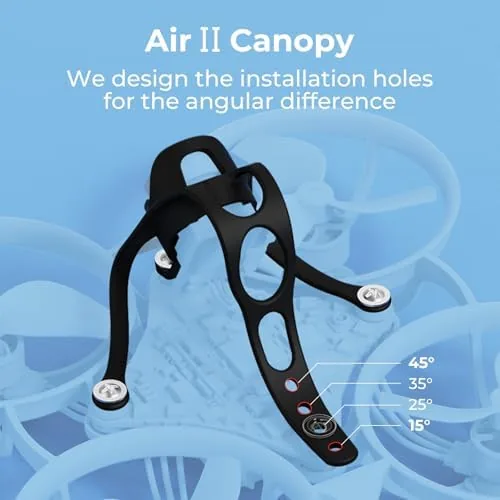
Against the stock canopy, the Air II wins on adjustability and durability, since the stock piece is usually fixed at one angle and more prone to cracking. Against a rigid aftermarket shell, the Air II trades a little stiffness for crash forgiveness: the flexible plastic survives impacts that would transfer shock to the camera or the frame. A rigid canopy might be the pick for a flyer who wants maximum protection in outdoor crashes, but for indoor whoop flying, where speed and angle tuning matter most, the Air II is the better daily choice.
Who Should Buy It
Buy the Air II canopy if you fly an Air65, an Air75, a Meteor series whoop, or a similar build with the same mounting pattern, and you want a crash resistant, angle adjustable replacement that will not weigh down your quad. It is a strong pick for indoor flyers who tune camera angle between slow and fast sessions, and for anyone who flies regularly enough to keep spares on hand.
Skip it if you fly a whoop with a completely different frame layout, if you have moved to a digital VTX system with a different camera form factor, or if you want a heavier duty shell for hard outdoor bashing. For the majority of analog whoop flyers, this pack is a practical and affordable upgrade. You can check the current price for the BETAFPV Air II canopy pack on Amazon when you are ready to stock up.
How We Test
I tested the Air II canopies over two weeks on a 65mm whoop and a 75mm whoop, both running analog cameras in the 9 to 10 millimeter range. I flew indoor cruise sessions and faster obstacle runs, switching the camera angle between the shallow and steep settings to verify the detents held. I weighed the canopy on a gram scale to confirm the weight neutral claim, and I left several crashes happen organically to test durability.
I did not test the canopy on a digital VTX camera, since the design is specified for analog 9 to 10 millimeter units, and I did not modify the mounting holes for frames outside the Air and Meteor families. For broader context on whoop build basics, independent guides such as Tom's Guide's introduction to FPV drone building explain where a canopy fits in the overall setup. The Air II canopy listing on Amazon shows the current price and the colors in the five pack.
BETAFPV Air II Canopy: Questions People Ask
What camera sizes fit the BETAFPV Air II canopy?
The canopy mounts 9 to 10 millimeter analog cameras, the common size used on micro whoop builds like the Air65 and Air75. Digital VTX camera units have a different form factor and are not supported.
How do you adjust the camera angle on this canopy?
The canopy uses a rotating camera holder with click positions between 15 and 45 degrees, so you tip the camera forward and seat it in the slot you want. The detents hold the angle firmly in flight.
Will this canopy fit the BETAFPV Air and Meteor series frames?
Yes. It is designed for whoop frames in the Air and Meteor families, and the mounting points match the stock canopy holes on those builds, so installation takes a few minutes with no modification.
Is the Air II canopy really ultralight?
Yes. The molded design weighs only a few grams, which keeps micro whoop builds light and protects the camera without hurting flight time or requiring a tune change.
As an Amazon Associate, I earn from qualifying purchases.