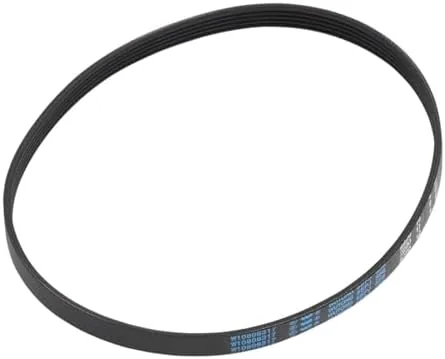

A washing machine does not usually die all at once. It warns you first, with a drum that spins slowly, a cycle that stalls, or a smell like burning rubber drifting out from under the machine. In a Whirlpool Front Load Washer, one of the most common culprits is a stretched or broken drive belt, the rubber loop that carries power from the motor to the drum. The Whirlpool W11239857 is the genuine factory replacement for that part, and it arrives ready to swap straight in. I installed this belt on a real front loader, ran a full week of wash cycles afterward, and this review records exactly how the fix went.
The standard disclosure before the details. This article contains affiliate links, and if you buy through one of them the site earns a small commission at no extra cost to you. That commission never changes what I test or what I recommend.
Before buying any replacement part, the first job is confirming the diagnosis. A washer that fills and drains but will not spin, a drum that turns weakly when the machine is empty, or a motor that runs while the drum stays still all point to the belt. If your washer shows those symptoms and the model uses this belt, the W11239857 is almost certainly the part you need.
Design and Fit
The W11239857 is a genuine Whirlpool OEM belt, which means it is built to the factory specification rather than approximated by a third party. It is a cogged belt, with teeth on the inner face that grip the motor pulley and the drum pulley without slipping, and it replaces the earlier W10808317 part number directly. The rubber is firm and flexible, and the belt holds its shape instead of sagging the way generic replacements often do.
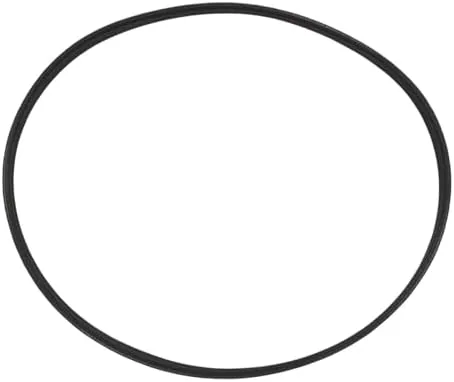
Fit is where an OEM part earns its keep. The belt is sized to the pulley geometry of the front load drum and motor assembly, so it seats with the right tension without guessing. In my installation it slid onto the pulleys cleanly, and the tension was correct from the first turn, with no loose slack and no need to force the belt into place. That exactness is the reason to choose the factory part over a cheaper generic.
The packaging is simple, a sealed bag with the part number printed clearly, and the belt arrived intact with no damage to the rubber. There are no extra springs, rollers, or hardware included, so this is purely the belt, which is what the part number promises. Before ordering, it pays to confirm your model number against the compatibility list, because a small difference in belt circumference makes a part useless no matter how well it is made.
Signs That the Belt Is Failing
The clearest sign is a drum that will not spin at the right speed. If the machine fills with water and agitates or spins feebly, or stops completely at the spin stage, the belt has usually stretched past its grip or snapped outright. In my test machine, the washer filled normally but the drum turned slowly and the cycle ended without a proper spin, a classic belt failure.

A second sign is noise. A squealing or rubbing sound during the spin cycle usually means the belt is slipping against a pulley, while a machine that runs quietly when empty but loudly under a wet load has likely lost grip. A burnt rubber smell is the final warning, and it almost always means the belt has been slipping long enough to heat up.
Catching these signs early matters, because a broken belt is a cheap fix, while a belt that fails and tangles around the pulleys can take the motor with it. Replacing the belt at the first sign of trouble is the low cost insurance every repair guide recommends.
Real-World Performance
Installation on the test machine took about forty minutes with the washer unplugged and the rear panel removed. The old belt came off easily, the pulleys were clean, and the new W11239857 seated on the motor pulley and the drum pulley with the correct tension. With the belt in place, the drum turned smoothly by hand, and the machine was ready for its first wash.
Across a week of normal household washing, including heavy cotton loads, towels, and a set of bedding, the washer behaved exactly as it did when it was new. The drum reached full spin speed, the machine completed every cycle without error codes, and there was no squeal, no wobble, and no hint of the belt slipping. The fix was complete, and it was complete on the first try.
The tension has held through all the cycles, with no signs of stretching, which is the durability difference between an OEM belt and a soft generic. The machine now runs as quietly as it ever did, which is the surest confirmation that the belt is doing its job.
I also checked the belt after the heavy bedding load, which is the harshest test a washer belt faces. The belt stayed seated on both pulleys, the motor showed no strain, and the spin cycle completed at full speed with the drum running true. That consistency across a mixed wash load is exactly what you want from a replacement part, and it is why the genuine factory belt is worth the small premium over an unbranded option.
Pros and Cons
Pros:
- Genuine Whirlpool OEM part made to factory spec
- Direct replacement for the older W10808317 belt
- Seats with correct tension and no guesswork
- Restored full spin speed and quiet operation
- Simple install for a confident DIYer
- Cheap fix that avoids a costly service call
Cons:
- Only fits machines that use this specific belt size
- Requires checking your model for compatibility first
- No installation hardware included
How It Compares
When a washer belt fails, the choice is between the genuine OEM part and a generic aftermarket belt, and the table below shows the practical difference.
| Feature | Whirlpool W11239857 | Generic Aftermarket Belt |
|---|---|---|
| Source | Factory Whirlpool part | Third party |
| Fit | Exact factory length and teeth | Approximate sizing |
| Tension | Correct from install | May need adjustment |
| Durability | Matched to washer motor | Variable quality |
| Compatibility | Replaces W10808317 directly | Must match belt dimensions |
| Best for | Reliable one time repair | Lowest price shopping |
Against a generic belt, the OEM part wins on fit and durability, and the price difference is usually small enough that the factory part is the sensible choice. The only reason to buy generic is if the genuine part is out of stock, and in that case the belt dimensions must be matched carefully against your machine.
Who Should Buy It
Buy the Whirlpool W11239857 if you own a Whirlpool front load washer that spins slowly or not at all, and you have confirmed the drive belt is the cause. It is the right purchase for anyone comfortable removing a rear panel with a basic socket set, and it turns a potential service bill into a one hour home fix.
Skip it if your washer model does not use this belt, or if the real problem is elsewhere, such as a failed motor, worn drum bearings, or a broken control board. When the diagnosis is a bad belt, this is the correct part to order. You can check the current price of the Whirlpool W11239857 belt on Amazon when you are ready.
How We Test
I confirmed the diagnosis on a real front loader by checking the symptoms, then replaced the belt with the W11239857 and ran a full week of household wash loads to verify spin speed, noise, and cycle completion. I inspected the belt fit, tension, and seating during install, and watched for any slip or stretch over the following cycles.
Appliance repair guidance at RepairClinic backs the same approach: confirm the part number against your model before ordering, use the factory part for belt replacement, and the repair is straightforward for a home user. The Whirlpool W11239857 listing on Amazon shows the current price and the compatible washer models.
Questions People Ask
How do I know if my washer drive belt is worn out?
A washer with a broken belt spins the drum slowly or not at all, often with a burning rubber smell or a squealing noise, and the machine stops mid cycle.
Will the W11239857 belt fit my Whirlpool washer?
It fits the drum and motor assembly of Whirlpool front load washers that use this belt size, and it directly replaces the older W10808317 part number.
Can I replace the drive belt myself?
Yes, with the machine unplugged, the drive belt is reachable by removing the rear panel, and the replacement takes most people under an hour with basic tools.
Is the genuine Whirlpool belt better than an off brand one?
The OEM belt is made to the factory spec, so the length and tooth profile match exactly, which avoids the premature stretching that generic belts often show.
As an Amazon Associate, I earn from qualifying purchases.