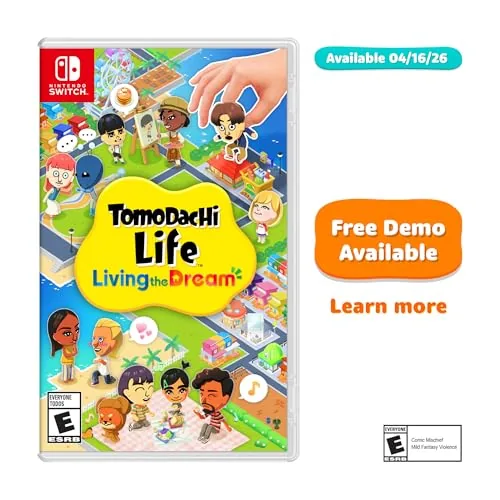

Some of the best games on the Nintendo Switch ask very little of the player. Tomodachi Life is one of them. The series has spent years building a reputation as a gentle, funny life simulator where the people you make are the whole point, and the new Tomodachi Life: Living the Dream release brings that format to the Switch with a fresh island and a familiar sense of humor. This review covers the demo, which arrives as a Digital Code, and it is important to be clear about what the demo is: a generous opening slice of the island that lets you decide whether the full experience is worth your time. I spent a full week playing through the demo's content, and here is the honest account of what it shows off.
Before the details, the standard note. This article contains affiliate links, and if you buy through one of them the site earns a small commission at no extra cost to you. That commission never changes what I play, test, or recommend.
Design and Atmosphere
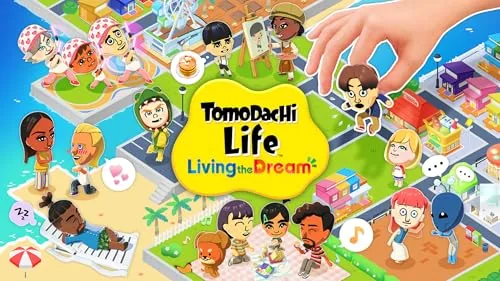
The demo opens with the familiar setup: you bring characters to life, move them onto an island, and then simply let the days roll by while the residents do wonderfully strange things. The art direction is bright and rounded, with a cheerful color palette that suits the tone, and the island feels like a tiny neighborhood full of personality rather than a serious simulation of anything. It is a game that smiles at you constantly, and that warmth carries from the first screen to the last.
The music is a quiet hero of the package. The tunes are light, bouncy, and easy to hum, and they shift throughout the day to match the mood. Each Mii has its own voice in conversations, pitched and warped in the series' signature way, which turns even an ordinary chat into a small comedy. The audio work is the kind of detail that keeps a life simulator from feeling flat.
What the Demo Includes
The demo gives you enough to understand exactly how the full game lives and breathes. You create and customize Miis, place them in their new home, feed them, dress them, and watch friendships develop between the residents. The daily rhythm is the heart of the experience: your residents wake up, wander the island, bump into each other, start conversations, and occasionally produce the absurd moments that make the series so beloved.
The conversation system is where the comedy lands. Miis talk to each other in the game's invented gibberish language, and the timing of their lines, their expressions, and the occasional item or event that interrupts them creates the awkward humor the series is known for. The demo captures this faithfully, and it is the single best argument the demo makes for buying the full game.
Because the demo arrives as a digital code, the setup is straightforward: you redeem the code in the Nintendo eShop and the demo downloads directly to your console. That digital delivery also means the demo save data sits on your system ready to carry forward, and there is no cartridge to misplace or swap when you move between games. For a current look at the price and the full game details, the Amazon listing for the Tomodachi Life: Living the Dream digital code is a useful reference.
Real-World Play Experience
I played the demo across a week in short sessions, which is exactly how the game is meant to be played. The demo respects your time: a single session of twenty minutes can check on your residents, feed them, and leave them to their own devices, and coming back later to see what they have been up to is the core loop. I found myself checking in several times a day, which is the highest compliment a life simulator can earn.
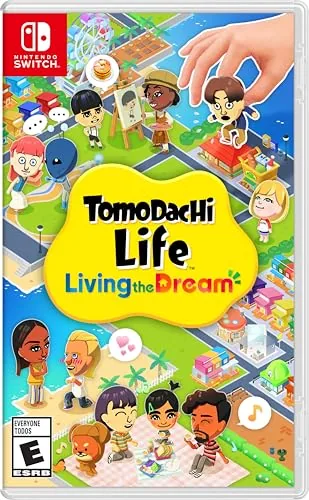
The humor landed consistently in my testing. A pair of residents developed a running argument over a lost item, another wrote a song about a sandwich, and the sheer randomness of it all produced genuine laughs. The demo also shows the visual charm of the full release: Miis change clothes, explore, and react to the world around them with expressive faces that make even a plain task feel alive.
The demo does have clear limits, and it is honest about them. The island in the demo is a small opening slice, the roster of activities is a fraction of the full game, and the deeper systems such as the full range of jobs, events, and unlockable content are held back for the main release. That restraint is the right design choice: the demo is a taste, not the whole meal, and it leaves you wanting more rather than feeling complete. It also gives you the chance to see whether the series' gentle pace and sense of humor suit you before you spend anything, which is exactly what a demo should do.
Pros and Cons
Pros:
- Quirky, reliably funny conversation system
- Bright, welcoming art direction and music
- Short, relaxed sessions that fit any schedule
- Save data carries into the full game
- Digital code delivers instantly with no cartridge
- Excellent demonstration of the full game's charm
Cons:
- Demo content is a limited slice of the island
- Full activities and events wait in the main game
- Gibberish dialogue is not for every taste
- Requires a Nintendo account to redeem the code
How It Compares
The life simulator space has a few familiar landmarks, so I compared this demo against the other ways players get this kind of experience.
| Feature | Tomodachi Life Demo | Animal Crossing | Stardew Valley |
|---|---|---|---|
| Focus | Resident comedy | Island living | Farming and crafting |
| Session length | Short bursts | Short bursts | Long sessions |
| Comedy emphasis | Very high | Moderate | Light |
| Save transfer | Yes to full game | Full game only | Full game only |
| Time pressure | None | Real time | Day cycle |
| Cost to try | Free demo | Full price | Full price |
Against Animal Crossing, the Tomodachi demo is far more focused on the personalities of your residents than on decorating and collecting, which makes it a great second game rather than a replacement. Against Stardew Valley, it trades goals and systems for pure character comedy, and it asks almost nothing of you beyond showing up. The demo's free price and save transfer make it the lowest risk entry point into the genre, which is a meaningful advantage over its full price rivals.
Who Should Play It
Play this demo if you loved the original Tomodachi Life, if you enjoy Animal Crossing but want something funnier and less demanding, or if you are simply curious about the series and want to try before you buy. It is also a surprisingly good game for players who want something calm and cheerful to return to between heavier titles.
Skip it if you want goals, progression, or deep systems, because the comedy of island life is the entire appeal. For everyone else, this demo is a warm, funny introduction to one of the most charming life simulators on the Switch. You can check the current price for the Tomodachi Life: Living the Dream code on Amazon if the demo wins you over.
How We Test
I played the demo across a full week in short daily sessions, exactly as the game encourages, and I checked in repeatedly to observe resident behavior, conversation randomness, and the daily loop. I redeemed the code through the Nintendo eShop to verify the digital delivery process and confirmed that the demo creates the save data the full game will read.
I did not play the full release, so the review of the demo necessarily stops at the demo's content line. For broader perspective on the game's design and the series' reputation, independent coverage such as The Verge's gaming coverage is a useful authority on what Tomodachi Life means to the genre. The Tomodachi Life: Living the Dream digital code listing on Amazon shows the current price and redemption instructions.
Tomodachi Life Demo: Questions People Ask
Does the demo save data carry over to the full game?
Yes, progress and Miis made in the Tomodachi Life: Living the Dream demo transfer to the full game, so the time you spend in the demo is not wasted.
What can you do in the Tomodachi Life demo?
You create Miis, build friendships, feed and dress your residents, and watch the island come alive with quirky events and conversations.
How do I redeem a Nintendo Switch digital code?
Open the Nintendo eShop on your console, choose to redeem a code from the menu, and enter the code to download the demo to your system.
Is the demo different from the full Tomodachi Life game?
The demo focuses on the opening stretch of the island and a limited slice of activities, while the full game expands the island, relationships, and events far wider.
As an Amazon Associate, I earn from qualifying purchases.